Aircraft Assembly and Maintenance Tooling

application/aircraft-assembly-and-maintenance-tooling, application/aircraft-assembly-and-maintenance-tooling, 
Inquiry
Inquiry

aircraft assembly and maintenance tooling

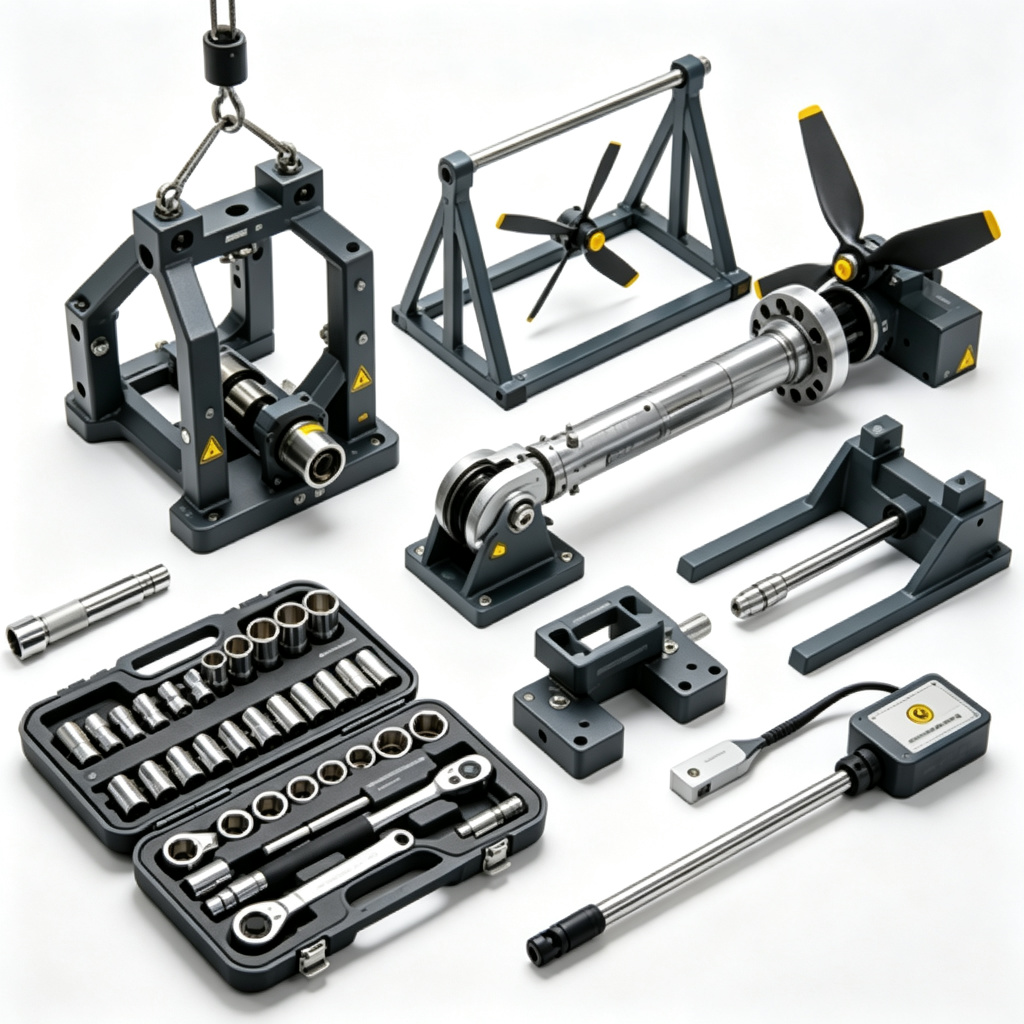
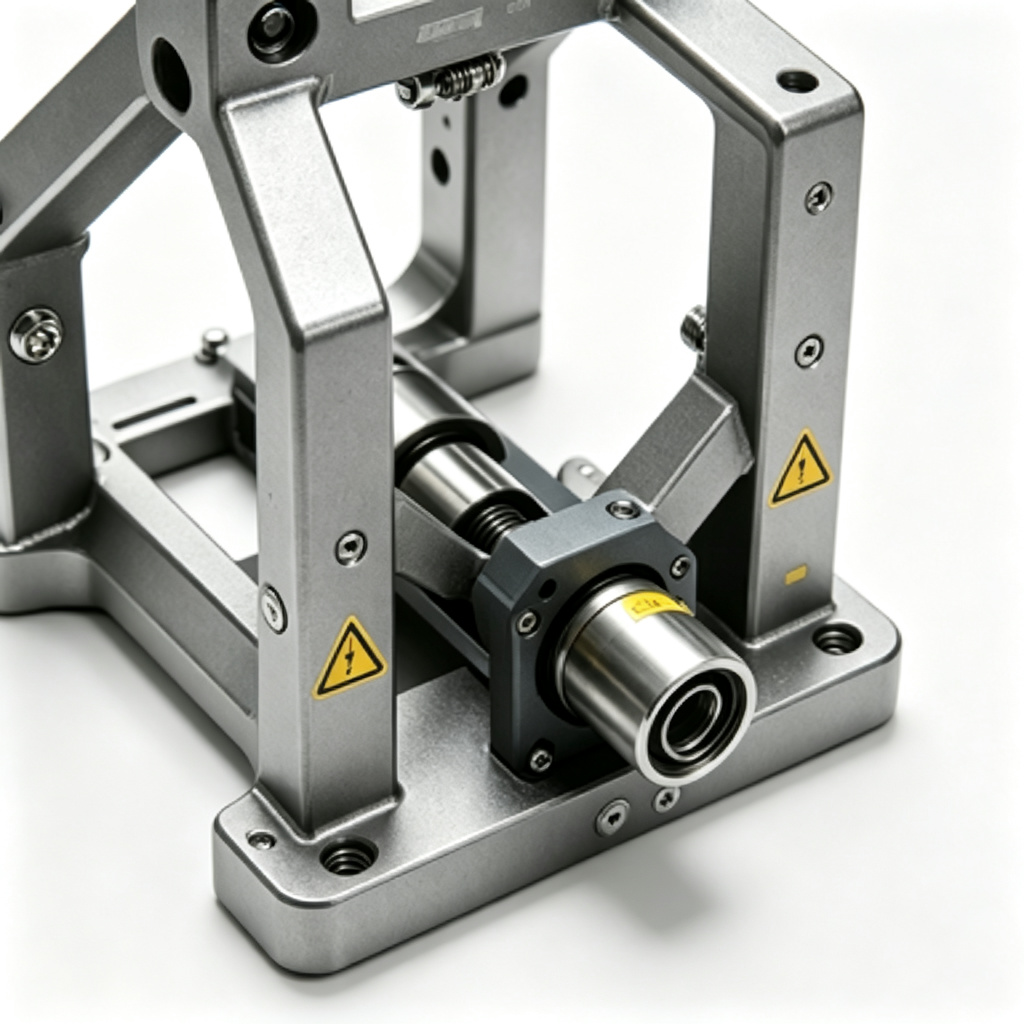
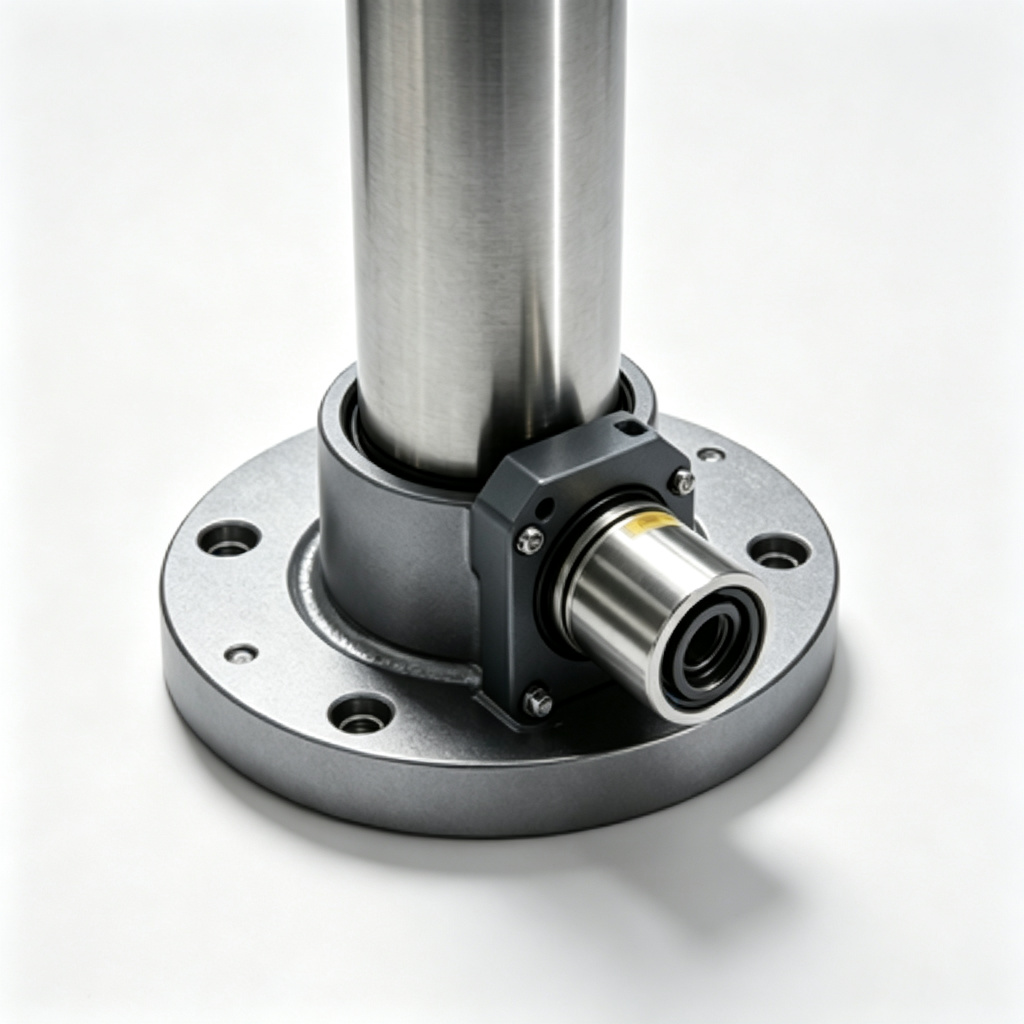
Aircraft assembly and maintenance tooling encompasses specialized equipment and instruments designed to support the construction, repair, and upkeep of aircraft throughout their operational lifecycle. This comprehensive range of tooling includes precision jigs, fixtures, lifting devices, alignment systems, calibration instruments, and specialized hand tools engineered to meet the exacting standards of aviation manufacturing and servicing operations. Aircraft assembly and maintenance tooling plays a critical role in ensuring structural integrity, safety compliance, and operational efficiency across commercial, military, and general aviation sectors. The primary functions include accurate component positioning during assembly, secure fastening and joining operations, precise measurement and inspection activities, and safe disassembly procedures during maintenance intervals. Technological features incorporate advanced materials such as aerospace-grade aluminum and composite-friendly designs, computer-aided engineering for optimal ergonomics, modular configurations for versatile applications, and integration capabilities with digital manufacturing systems. These tools facilitate complex tasks ranging from wing attachment and fuselage joining during initial assembly to engine removal and avionics installation during scheduled maintenance. The application scope extends across original equipment manufacturers, maintenance repair and overhaul facilities, airline maintenance departments, and defense aviation operations. Modern aircraft assembly and maintenance tooling increasingly incorporates smart technology features, including torque monitoring systems, digital measurement displays, and traceability functions that support quality assurance protocols and regulatory compliance requirements essential in contemporary aerospace operations.


New Product Recommendations

Investing in quality aircraft assembly and maintenance tooling delivers substantial operational benefits that directly impact your bottom line and competitive positioning. These specialized tools significantly reduce assembly time and maintenance downtime by enabling technicians to complete tasks efficiently with greater first-time accuracy, translating to faster aircraft turnaround and improved asset utilization. The precision engineering inherent in professional-grade tooling minimizes the risk of costly errors, rework, and component damage that can result from improvised or inadequate equipment. Safety represents another crucial advantage, as purpose-designed aircraft assembly and maintenance tooling protects workers from injury while handling heavy components, working in confined spaces, or performing repetitive tasks that might otherwise cause strain or accidents. The ergonomic design features reduce operator fatigue during extended maintenance sessions, improving productivity and work quality throughout shifts. Durability constitutes a significant economic benefit, with properly maintained tooling delivering years of reliable service across thousands of operations, providing exceptional return on investment compared to frequent replacement of inferior alternatives. Regulatory compliance becomes more manageable when using certified aircraft assembly and maintenance tooling that meets industry standards and supports documentation requirements for airworthiness certification. Versatility across multiple aircraft types and models maximizes equipment utilization, particularly important for facilities servicing diverse fleets. The compatibility with modern digital workflows enables seamless integration into computerized maintenance management systems, supporting predictive maintenance strategies and data-driven decision making. Ultimately, professional aircraft assembly and maintenance tooling represents a strategic investment that enhances operational capability, protects quality standards, ensures workforce safety, and supports long-term business sustainability in the demanding aerospace sector.

Latest News

Why Traceable Tools Are Vital for Compliance

15

Sep

Why Traceable Tools Are Vital for Compliance

Why traceable tools are non-negotiable for audit readiness, legal protection, and operational excellence.
View More
Sourcing Certified Aerospace Tools with Ease

15

Sep

Sourcing Certified Aerospace Tools with Ease

Struggling with FAA/EASA-compliant tool procurement? Discover how to source certified aerospace tools fast. Download the full guide now.
View More
Sourcing Certified GSE Spares with Traceability

15

Sep

Sourcing Certified GSE Spares with Traceability

Struggling with aviation compliance risks? Source certified GSE spares with end-to-end traceability to ensure AS9100/ISO 9001 compliance. Download best practices now.
View More
Precision Engineering for Critical Tolerance Requirements

Precision Engineering for Critical Tolerance Requirements

Aircraft assembly and maintenance tooling incorporates precision engineering principles that address the extremely tight tolerances demanded by aerospace applications, where deviations measured in thousandths of an inch can compromise structural integrity and flight safety. Advanced manufacturing techniques including CNC machining, laser calibration, and coordinate measuring machine verification ensure each tool meets exacting specifications before deployment. This precision capability proves essential during wing-to-fuselage mating operations, landing gear installation, and control surface alignment where exact positioning determines aerodynamic performance and structural load distribution. The dimensional stability of these tools across varying environmental conditions prevents thermal expansion issues that could introduce alignment errors during assembly or maintenance procedures. Calibration traceability features support quality management systems by documenting measurement accuracy throughout tool lifecycles, satisfying both internal quality standards and external regulatory audits. For maintenance operations, this precision enables accurate fault diagnosis, proper component fitment, and reliable torque application that prevents both under-tightening risks and over-torque damage to expensive aerospace fasteners and composite structures, ultimately protecting aircraft safety while optimizing maintenance efficiency and component longevity.
Ergonomic Design Reducing Operator Fatigue and Injury Risk

Ergonomic Design Reducing Operator Fatigue and Injury Risk

Modern aircraft assembly and maintenance tooling prioritizes ergonomic design principles that significantly reduce physical strain on technicians who perform demanding tasks in challenging work environments including overhead positions, confined fuselage sections, and awkward access points around engines and landing gear assemblies. Weight-optimized construction using advanced materials delivers necessary strength while minimizing the physical burden of tool handling during extended maintenance sessions. Balanced tool geometry and strategically positioned grip surfaces reduce wrist strain and enable better control during precision operations. Powered assist features on lifting and positioning equipment eliminate manual handling of components weighing hundreds of pounds, protecting workers from back injuries and musculoskeletal disorders that represent significant costs in workers compensation and lost productivity. Vibration-damping technologies in powered tools reduce long-term exposure risks associated with hand-arm vibration syndrome. Quick-change mechanisms and modular configurations minimize repetitive setup motions that contribute to cumulative trauma disorders. These ergonomic advantages translate directly into measurable benefits including reduced injury rates, lower insurance premiums, decreased absenteeism, improved employee retention, and enhanced productivity as technicians maintain peak performance throughout their shifts without the degradation in work quality that accompanies physical fatigue and discomfort.
Modular Adaptability for Multi-Platform Fleet Support

Modular Adaptability for Multi-Platform Fleet Support

Aircraft assembly and maintenance tooling designed with modular architecture provides exceptional adaptability across diverse aircraft platforms, delivering substantial economic advantages for operators managing mixed fleets or manufacturers producing multiple aircraft variants. Interchangeable components, adjustable fixtures, and configurable support structures enable a single tool system to accommodate different fuselage diameters, wing configurations, and access requirements across various aircraft models. This versatility eliminates the need for dedicated single-purpose equipment that sits idle between specific aircraft visits, dramatically improving capital equipment utilization rates and reducing overall tooling inventory investments. Quick-change adapters and precisely engineered interface points enable rapid reconfiguration between different aircraft types, minimizing non-productive setup time and maximizing billable maintenance hours. The modular approach also provides investment protection as fleet compositions evolve, with tool systems easily updated through targeted component additions rather than complete replacement when introducing new aircraft variants. Standardized modular components simplify spare parts management and reduce training requirements as technicians become familiar with common elements across different configurations. This adaptability proves particularly valuable for maintenance repair and overhaul facilities serving multiple airline customers or defense operations supporting varied mission aircraft, where aircraft assembly and maintenance tooling flexibility directly enables business development opportunities and operational responsiveness that specialized single-purpose equipment cannot match.