Aircraft Torque Tools - Precision & Safety

application/aircraft-torque-tools, application/aircraft-torque-tools, 
Inquiry
Inquiry

aircraft torque tools

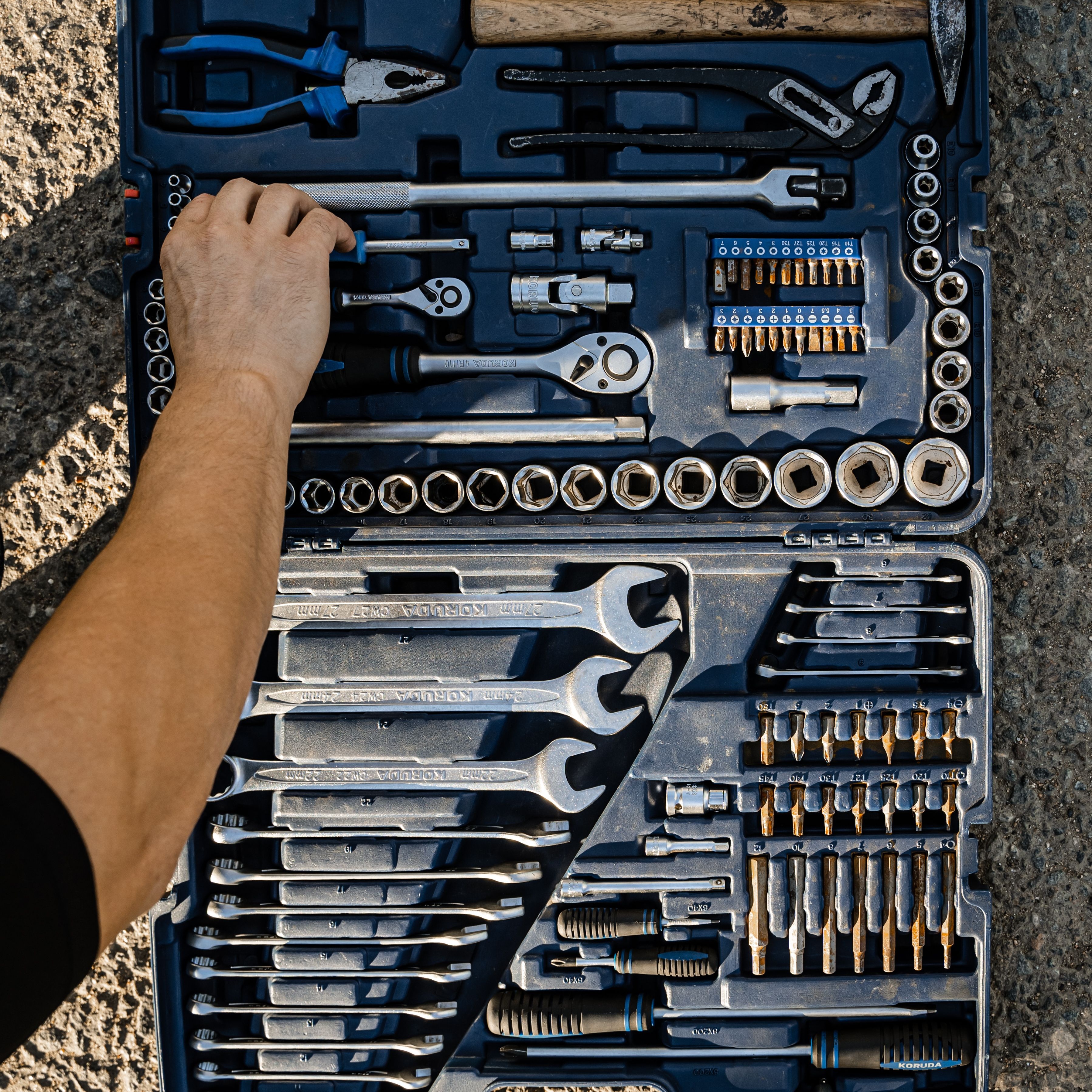
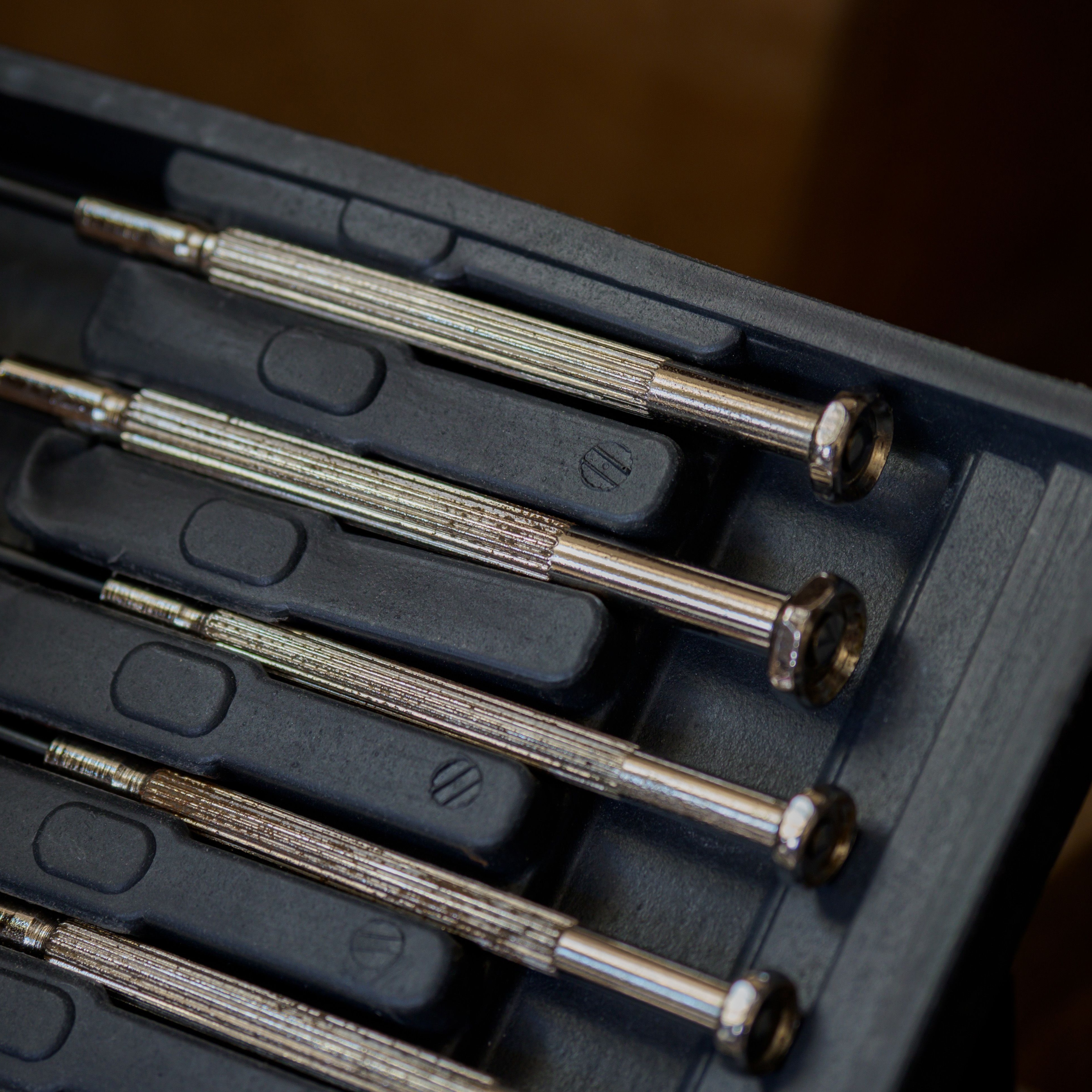
Aircraft torque tools are precision instruments designed specifically for the aerospace industry to apply accurate and controlled torque during assembly, maintenance, and repair operations. These specialized tools ensure that fasteners, bolts, and components are tightened to exact specifications as required by aircraft manufacturers and aviation safety regulations. The main functions of aircraft torque tools include delivering precise torque measurements, preventing over-tightening or under-tightening of critical fasteners, and maintaining the structural integrity of aircraft systems. Technological features incorporate calibrated torque settings, digital readouts for enhanced accuracy, ergonomic designs for operator comfort, and certification compliance with aviation standards such as AS9100 and ISO specifications. Many modern aircraft torque tools feature click-type mechanisms, break-over designs, or electronic sensors that provide immediate feedback when the target torque value is reached. Applications span across all aircraft maintenance areas including engine assembly, landing gear installation, control surface attachment, and structural component fastening. Aircraft torque tools are essential in both commercial aviation facilities and military maintenance operations, where safety and precision are paramount. These instruments come in various configurations including manual torque wrenches, pneumatic torque multipliers, and battery-powered electronic models to accommodate different workspace constraints and torque requirements. The proper use of aircraft torque tools prevents mechanical failures, extends component lifespan, and ensures compliance with stringent airworthiness standards that govern the aviation industry worldwide.


New Product Recommendations

Investing in quality aircraft torque tools delivers substantial value for aviation maintenance professionals and aerospace organizations. These tools eliminate guesswork by providing exact torque application, which directly translates to enhanced safety margins and reduced risk of catastrophic fastener failures during flight operations. The precision offered by aircraft torque tools saves money over time by preventing costly component damage caused by improper tightening, reducing the frequency of premature part replacements and minimizing expensive aircraft downtime. Operational benefits include faster maintenance turnaround times because technicians can confidently tighten fasteners correctly on the first attempt without repeated verification. The ergonomic construction of modern aircraft torque tools reduces operator fatigue during extended maintenance sessions, improving productivity and work quality throughout long shifts. Application suitability extends across all aircraft types from small general aviation planes to large commercial jetliners and military fighters, making these tools versatile investments for diverse maintenance operations. Calibration certificates and traceability features built into aircraft torque tools simplify regulatory compliance documentation, streamlining audit processes and satisfying aviation authority requirements effortlessly. Decision-useful context shows that while initial investment costs may appear higher than standard tools, the long-term return includes accident prevention, regulatory compliance assurance, warranty protection on aircraft components, and reputation preservation for maintenance organizations. Aircraft torque tools support both routine scheduled maintenance and critical repair situations, providing consistent performance regardless of environmental conditions or workspace limitations. The durability of professionally manufactured aircraft torque tools ensures years of reliable service with proper maintenance, making them cost-effective assets that protect both personnel safety and organizational credibility in the demanding aerospace sector.

Latest News

AeroLink Participates in MRO Greater China 2026 to Strengthen Global Aviation Supply Chain Cooperation

16

Jun

AeroLink Participates in MRO Greater China 2026 to Strengthen Global Aviation Supply Chain Cooperation

View More
Why Traceable Tools Are Vital for Compliance

15

Sep

Why Traceable Tools Are Vital for Compliance

Why traceable tools are non-negotiable for audit readiness, legal protection, and operational excellence.
View More
Selecting Reliable GSE to Improve Ground Ops

15

Sep

Selecting Reliable GSE to Improve Ground Ops

Struggling with aircraft delays? Discover how choosing reliable GSE vendors improves turnaround time. Get your free vendor evaluation checklist.
View More
Precision Calibration for Safety-Critical Applications

Precision Calibration for Safety-Critical Applications

Aircraft torque tools feature factory calibration and regular recertification capabilities that guarantee measurement accuracy within strict tolerances demanded by aerospace engineering specifications. This precision is absolutely critical because even minor deviations in fastener torque can lead to structural failures, vibration-induced loosening, or stress concentrations that compromise aircraft safety. Advanced calibration technology ensures that each aircraft torque tool delivers repeatable results across thousands of applications, maintaining consistency that manual estimation simply cannot achieve. The traceable calibration certificates accompanying these tools provide documented proof of accuracy for regulatory inspections and quality management systems. Many aircraft torque tools incorporate tamper-proof mechanisms that preserve calibration integrity between certification intervals, protecting against accidental adjustment that could invalidate readings. This calibration precision directly supports airworthiness compliance and gives maintenance personnel confidence that every fastener meets exact manufacturer specifications. The investment in properly calibrated aircraft torque tools protects against liability exposure while demonstrating organizational commitment to aviation safety standards that passengers, regulators, and insurance providers expect from professional aerospace operations.
Ergonomic Design Enhancing Operator Efficiency

Ergonomic Design Enhancing Operator Efficiency

Modern aircraft torque tools incorporate thoughtful ergonomic features that address the physical demands of aerospace maintenance work in confined spaces and challenging positions. Lightweight materials such as aerospace-grade aluminum alloys reduce tool weight without sacrificing strength, allowing technicians to work overhead or in tight engine compartments without excessive arm fatigue. Cushioned grips with anti-slip surfaces provide secure handling even when wearing gloves or working in conditions where oil and hydraulic fluid exposure is common. The balanced weight distribution found in quality aircraft torque tools minimizes wrist strain during repetitive tightening operations, reducing the risk of repetitive stress injuries that can sideline experienced technicians. Quick-release mechanisms and interchangeable head configurations enable rapid socket changes, reducing the time spent switching between different fastener sizes during complex maintenance procedures. Clear visual indicators and audible click signals provide unmistakable confirmation when target torque is achieved, eliminating uncertainty and allowing technicians to maintain focus on positioning rather than constant gauge monitoring. These ergonomic advantages translate directly into faster maintenance completion, fewer errors caused by operator fatigue, and improved job satisfaction for skilled aerospace technicians whose expertise represents significant organizational investment.
Versatile Configurations for Diverse Maintenance Scenarios

Versatile Configurations for Diverse Maintenance Scenarios

Aircraft torque tools are available in multiple configurations designed to address the wide variety of maintenance scenarios encountered in aerospace operations. Manual click-type torque wrenches offer portability and independence from power sources, making them ideal for field maintenance, remote locations, and situations where electronic tools might be prohibited due to electromagnetic interference concerns. Electronic digital aircraft torque tools provide precise numerical readouts with data logging capabilities that automatically record torque values for quality documentation and traceability requirements. Pneumatic torque multipliers deliver high torque output for large fasteners found in landing gear and engine mounts while maintaining operator control through regulated air pressure systems. Adjustable torque ranges within individual aircraft torque tools accommodate multiple fastener specifications without requiring extensive tool inventories, reducing equipment costs and storage space requirements. Specialized low-profile designs access recessed fasteners in crowded airframe sections where standard tools cannot fit, eliminating the need for unnecessary component removal that adds maintenance time and introduces reassembly risks. Interchangeable drive sizes and adapter compatibility ensure that aircraft torque tools integrate seamlessly with existing socket collections and specialized aerospace fastener tools. This configurational versatility means maintenance organizations can select aircraft torque tools that precisely match their specific aircraft types, maintenance scope, and operational environment while maintaining the precision and reliability that aviation safety demands.