EASA Certified Component Repair Services

application/easa-certified-component-repair, application/easa-certified-component-repair, 
Inquiry
Inquiry

easa certified component repair

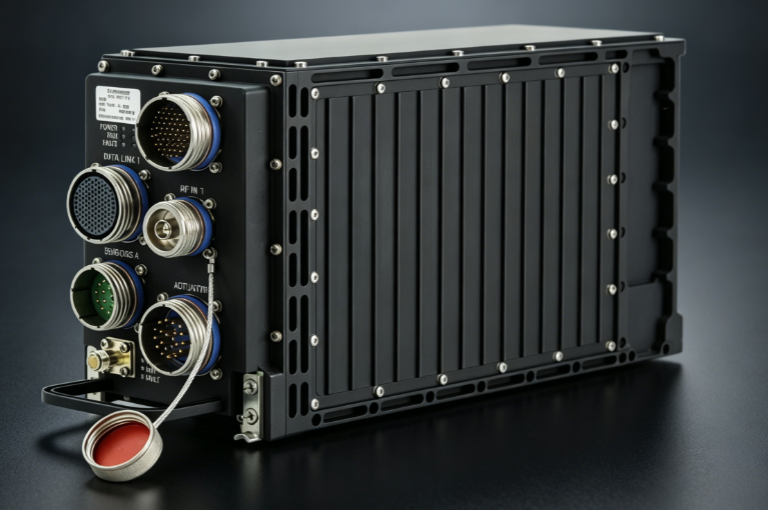
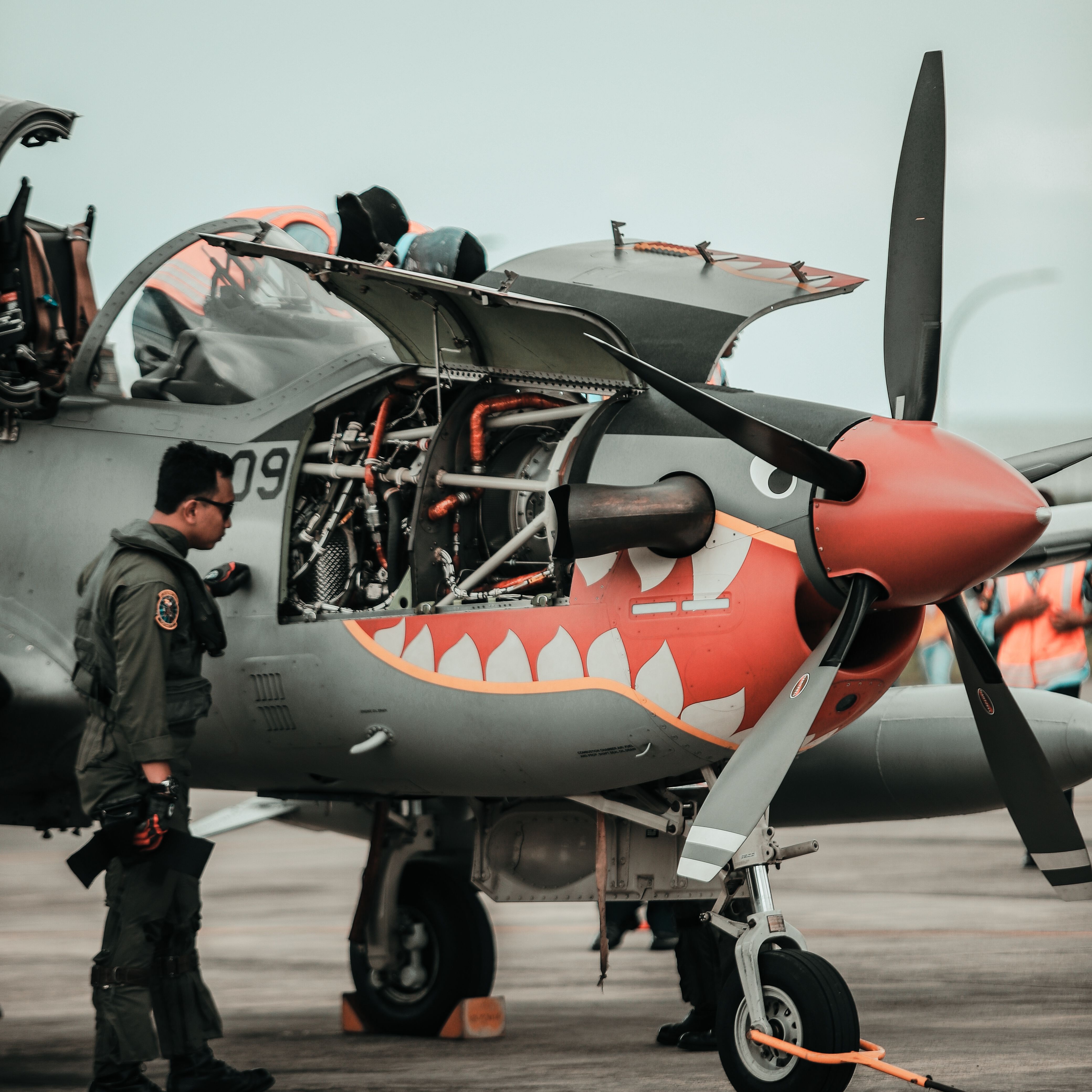
EASA certified component repair represents a critical service within the aviation industry, ensuring that aircraft parts meet the stringent safety and quality standards established by the European Union Aviation Safety Agency. This certification process guarantees that maintenance and repair organizations possess the necessary expertise, equipment, and quality management systems to restore aircraft components to their original airworthiness specifications. The main function of EASA certified component repair involves the comprehensive overhaul, testing, and restoration of aviation parts ranging from landing gear assemblies to avionics systems and engine components. Technological features include advanced diagnostic equipment, precision measurement tools, non-destructive testing capabilities, and traceability systems that document every repair step. Organizations offering EASA certified component repair must adhere to Part-145 regulations, maintaining detailed records and employing qualified personnel who undergo continuous training. Applications span commercial aviation, business jets, helicopter operations, and cargo transport sectors, where safety cannot be compromised. The certification ensures compatibility with international aviation standards, facilitating global parts acceptance and operational continuity. Whether dealing with routine maintenance or complex structural repairs, EASA certified component repair provides airlines and operators with confidence that their aircraft components have been serviced according to the highest regulatory benchmarks, contributing to enhanced flight safety and operational reliability across the aviation ecosystem.

Popular Products

Choosing EASA certified component repair delivers substantial practical benefits that directly impact your operational efficiency and financial performance. First, the certification ensures regulatory compliance across European and many international jurisdictions, eliminating concerns about parts acceptance and reducing administrative burdens during audits. This buyer value translates into seamless operations without delays caused by documentation issues or rejected components. Operational benefits include extended component lifespan through proper restoration techniques that preserve original specifications while often improving reliability beyond initial manufacturing standards. The rigorous quality controls inherent in EASA certified component repair minimize premature failures, reducing unscheduled maintenance events that disrupt flight schedules and revenue generation. Cost savings emerge through reliable turnaround times, competitive pricing compared to new part procurement, and reduced inventory carrying costs since repaired components meet the same airworthiness standards as new replacements. Application suitability extends across diverse aircraft types and component categories, providing flexibility for operators managing mixed fleets or older aircraft where new parts may be scarce or prohibitively expensive. The certification framework provides decision-useful context by establishing clear performance benchmarks and accountability, allowing you to compare service providers objectively based on capabilities rather than marketing claims alone. Insurance providers often recognize EASA certified component repair favorably, potentially reducing premiums through demonstrated commitment to safety standards. Additionally, environmental benefits arise from component restoration rather than disposal, supporting sustainability initiatives while maintaining operational integrity. The global recognition of EASA standards facilitates international operations, ensuring your repaired components gain acceptance worldwide without additional certifications or validations, streamlining logistics and reducing downtime across your operational network.

Practical Tips

Cost-Effective Procurement Strategies for Tools

15

Sep

Cost-Effective Procurement Strategies for Tools

Cut tool costs by 15–25% with proven procurement strategies: TCO analysis, supplier consolidation, preventive maintenance & tech-enabled management. Optimize value—start now.
View More
Cost-Effective GSE Solutions for Busy Airfields

15

Sep

Cost-Effective GSE Solutions for Busy Airfields

Cut GSE costs by 15–30% without sacrificing safety. Discover preventive maintenance, energy-efficient upgrades & right-sizing strategies. Get your free fleet assessment.
View More
Selecting Reliable GSE to Improve Ground Ops

15

Sep

Selecting Reliable GSE to Improve Ground Ops

Struggling with aircraft delays? Discover how choosing reliable GSE vendors improves turnaround time. Get your free vendor evaluation checklist.
View More
Sourcing Verified Plane Engine Components Fast

15

Sep

Sourcing Verified Plane Engine Components Fast

Struggling with aircraft downtime? Discover proven strategies to source verified plane engine components rapidly—without compromising safety or compliance. Get started today.
View More
Regulatory Excellence and International Recognition

Regulatory Excellence and International Recognition

EASA certified component repair stands as the gold standard for aviation maintenance, backed by one of the world's most rigorous regulatory frameworks. This certification demonstrates that repair organizations have successfully met comprehensive requirements covering technical capabilities, quality management systems, personnel qualifications, and facility standards. The international recognition of EASA standards means components serviced under this certification gain immediate acceptance across European Union member states and numerous countries that have bilateral agreements recognizing EASA approvals. For aircraft operators, this translates into operational flexibility, allowing you to deploy repaired components across international routes without encountering regulatory barriers or requiring additional certifications. The stringent audit processes conducted by EASA ensure continuous compliance, providing assurance that repair standards remain consistently high over time. Organizations holding EASA certified component repair credentials undergo regular surveillance audits, maintaining accountability and transparency throughout their operations. This regulatory oversight creates a trust framework that protects your investment, ensures safety compliance, and supports seamless integration of repaired components into your maintenance programs, ultimately contributing to operational continuity and reducing the complexity of managing international aviation operations.
Advanced Technical Capabilities and Quality Assurance

Advanced Technical Capabilities and Quality Assurance

Organizations offering EASA certified component repair invest significantly in advanced technical infrastructure and specialized expertise that elevate repair quality beyond basic restoration. These facilities utilize state-of-the-art diagnostic equipment, precision measurement instruments, and specialized tooling designed for specific component types, ensuring repairs meet exact manufacturer specifications. Non-destructive testing methods such as ultrasonic inspection, magnetic particle testing, and eddy current analysis identify hidden defects that might compromise safety, while computer-aided documentation systems provide complete traceability from initial assessment through final certification. The quality assurance protocols embedded within EASA certified component repair include multiple inspection points, independent verification procedures, and comprehensive testing that validates component performance before return to service. Personnel conducting these repairs hold specific certifications and undergo continuous training on evolving technologies and regulatory requirements, ensuring their skills remain current with industry developments. This technical excellence translates into components that not only meet original airworthiness standards but often demonstrate improved reliability through the incorporation of service bulletins, engineering modifications, and lessons learned from operational experience, providing you with enhanced value compared to simply replacing components with new parts.
Cost Efficiency and Sustainable Operations

Cost Efficiency and Sustainable Operations

EASA certified component repair delivers compelling economic advantages while supporting environmental sustainability objectives that increasingly influence aviation operations. Repairing qualified components typically costs 40-70 percent less than purchasing new replacements, generating immediate savings that improve your maintenance budget efficiency without compromising safety or reliability. These cost benefits extend beyond the initial transaction, as properly restored components often achieve service life extensions comparable to new parts, maximizing your return on investment. The certification framework ensures transparent pricing based on established repair processes rather than uncertain outcomes, allowing accurate budgeting and financial planning for maintenance activities. Inventory optimization becomes possible since repaired components meeting EASA standards function as direct replacements, reducing the need to stockpile expensive new parts while maintaining operational readiness. From a sustainability perspective, EASA certified component repair supports circular economy principles by extending component life cycles, reducing manufacturing demand for new parts, and minimizing waste associated with component disposal. This environmental stewardship aligns with corporate responsibility initiatives and regulatory trends favoring sustainable practices, potentially enhancing your organization's reputation among environmentally conscious stakeholders while delivering tangible operational and financial benefits that strengthen competitive positioning.