GSE Solutions: Airport Ground Support Equipment

application/gse-solutions, application/gse-solutions, 
Inquiry
Inquiry

gse solutions

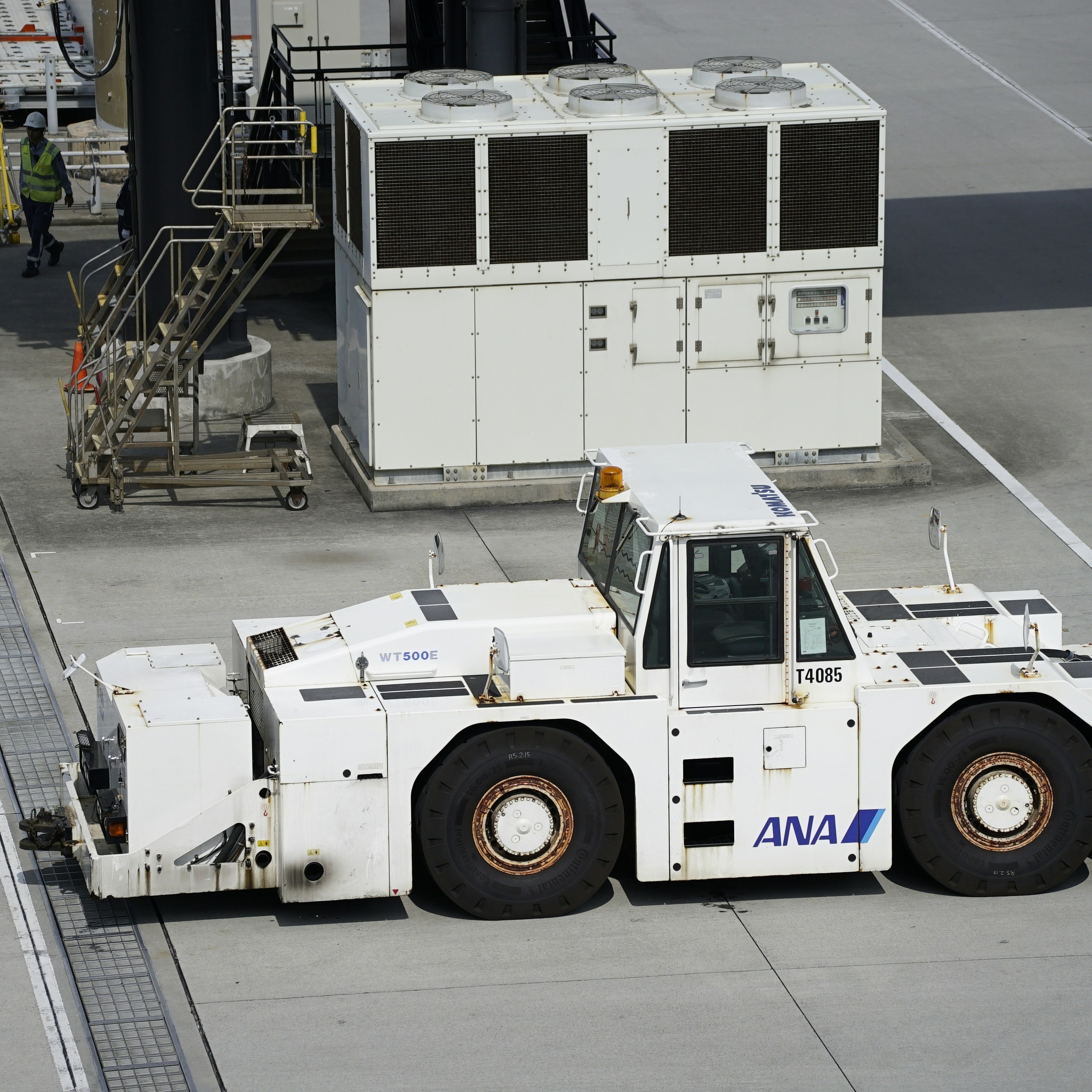
GSE solutions represent comprehensive ground support equipment systems designed to optimize airport operations and aircraft servicing processes. These solutions encompass a wide range of equipment and technologies that facilitate safe, efficient handling of aircraft during ground operations. Modern GSE solutions integrate advanced automation, electric power systems, and smart connectivity features to streamline workflows at airports of all sizes. The primary functions include aircraft towing, pushback operations, cargo and baggage handling, aircraft maintenance support, passenger boarding, and ground power supply. Technological features of contemporary GSE solutions incorporate telematics systems for real-time equipment tracking, predictive maintenance capabilities, energy-efficient electric powertrains, and IoT-enabled fleet management platforms. These systems provide airport operators with centralized control over equipment utilization, maintenance scheduling, and operational efficiency metrics. Applications span commercial aviation terminals, military airbases, cargo facilities, and private aviation centers. GSE solutions serve airlines, ground handling companies, airport authorities, and maintenance organizations seeking to enhance turnaround times, reduce operational costs, and minimize environmental impact. The equipment portfolio typically includes towbarless tractors, belt loaders, passenger stairs, ground power units, air conditioning units, refueling vehicles, and de-icing equipment. Advanced GSE solutions prioritize operator safety through ergonomic designs, automated safety systems, and comprehensive training programs, while addressing sustainability goals through emission reduction technologies and renewable energy integration capabilities.


New Products

Implementing GSE solutions delivers substantial cost savings by reducing fuel consumption through electric and hybrid equipment options, cutting maintenance expenses via predictive diagnostics, and optimizing fleet utilization through intelligent management systems. Operational benefits include faster aircraft turnaround times, which directly increase airport capacity and airline profitability. The equipment enhances workplace safety by incorporating collision avoidance systems, automated braking mechanisms, and ergonomic operator controls that minimize injury risks and insurance costs. Environmental advantages position organizations favorably for regulatory compliance, as GSE solutions with electric powertrains significantly reduce carbon emissions, noise pollution, and fuel spillage risks at airport facilities. Decision-makers gain valuable operational intelligence through data analytics platforms that monitor equipment performance, track utilization patterns, and identify optimization opportunities. These insights enable informed capital investment decisions and resource allocation strategies. Application suitability extends across diverse operational scales, from regional airports requiring compact, versatile equipment to major international hubs demanding high-capacity, specialized machinery. The modular nature of modern GSE solutions allows organizations to scale their fleets according to demand fluctuations and seasonal variations. Buyer value manifests through total cost of ownership reductions, typically achieving 20-40 percent savings over conventional equipment lifecycles. Enhanced reliability minimizes service disruptions and protects revenue streams, while standardized training requirements across equipment families reduce workforce development costs. Compatibility with existing infrastructure ensures smooth implementation without extensive facility modifications, accelerating return on investment timelines and maintaining operational continuity during transition periods.

Latest News

Cost-Effective Procurement Strategies for Tools

15

Sep

Cost-Effective Procurement Strategies for Tools

Cut tool costs by 15–25% with proven procurement strategies: TCO analysis, supplier consolidation, preventive maintenance & tech-enabled management. Optimize value—start now.
View More
How Plane Engine Sourcing Impacts Fleet Budgets

15

Sep

How Plane Engine Sourcing Impacts Fleet Budgets

How does plane engine sourcing really affect your fleet budget? Discover TCO drivers, spare parts costs, maintenance risks & ROI-optimized strategies. Download the guide.
View More
Cost-Effective APU Procurement for Multi-Fleets

15

Sep

Cost-Effective APU Procurement for Multi-Fleets

Struggling with rising APU costs across diverse fleets? Discover proven strategies to cut TCO by 30%+ through standardization Download the guide.
View More
Advanced Fleet Management Integration

Advanced Fleet Management Integration

Modern GSE solutions feature sophisticated fleet management systems that revolutionize ground operations control and equipment coordination. These integrated platforms provide real-time visibility into every piece of equipment across airport facilities, tracking location, operational status, battery levels, and maintenance requirements through GPS and telematics technology. Operators access centralized dashboards displaying comprehensive fleet health metrics, enabling proactive maintenance scheduling that prevents unexpected breakdowns and costly service interruptions. The systems automatically generate work orders when equipment requires attention, streamlining maintenance workflows and extending asset lifecycles. Route optimization algorithms reduce unnecessary equipment movements, decreasing energy consumption and operator fatigue. Performance analytics identify underutilized assets and optimization opportunities, supporting data-driven decisions about fleet composition and resource allocation. Integration with airport operational databases enables automated equipment dispatch based on flight schedules, ensuring the right equipment arrives at aircraft precisely when needed. This coordination capability reduces aircraft turnaround times, increases airport throughput capacity, and improves airline on-time performance metrics that directly impact customer satisfaction and competitive positioning in the aviation market.
Sustainable Electric Powertrain Technology

Sustainable Electric Powertrain Technology

Environmental sustainability drives the evolution of GSE solutions, with electric powertrain technology delivering transformative benefits for airport operations and corporate responsibility objectives. Electric GSE solutions eliminate direct emissions at the point of use, dramatically improving air quality for ground crews, passengers, and surrounding communities. These systems operate significantly quieter than diesel-powered alternatives, reducing noise pollution that affects airport neighbors and enhances workplace conditions for personnel. Advanced lithium-ion battery systems provide sufficient power for full operational shifts, with fast-charging capabilities enabling opportunity charging during brief idle periods to maintain continuous availability. Regenerative braking systems capture energy during deceleration, extending operational range and improving overall energy efficiency. Total cost of ownership advantages become apparent through reduced fuel expenses, simplified maintenance requirements with fewer moving parts, and elimination of emissions-related regulatory compliance costs. Many airports offer incentives for electric GSE adoption, including preferential access to charging infrastructure and potential subsidies that further enhance financial returns. The technology aligns organizations with global sustainability commitments, supporting carbon neutrality goals and enhancing corporate reputation among environmentally conscious stakeholders, investors, and customers who increasingly prioritize sustainable business practices.
Ergonomic Safety-Focused Design

Ergonomic Safety-Focused Design

Safety excellence distinguishes premium GSE solutions through comprehensive ergonomic designs and advanced protection systems that prioritize operator welfare and accident prevention. Equipment features intuitive control interfaces with clear visibility sightlines, reducing operator fatigue during extended shifts and minimizing human error risks that could lead to incidents. Automated safety systems include proximity sensors that detect obstacles and personnel in equipment pathways, triggering automatic slowdowns or stops to prevent collisions. Stability control systems monitor equipment balance during cargo handling operations, preventing tip-over incidents that endanger personnel and damage valuable aircraft. Operator cabins incorporate climate control, vibration dampening, and adjustable seating that enhance comfort and concentration during demanding operations. Comprehensive lighting systems ensure safe operation during night shifts and low-visibility conditions common at airports. Standardized safety training programs across equipment families reduce learning curves when operators transition between different GSE solutions, maintaining consistent safety protocols. These design priorities translate directly into reduced workplace injuries, lower insurance premiums, decreased liability exposure, and improved employee retention rates. Organizations benefit from enhanced regulatory compliance, positive safety records that support contract renewals and bid competitiveness, and workplace cultures that attract skilled talent in competitive labor markets.