Plane Avionics: Advanced Aircraft Electronics

application/plane-avionics, application/plane-avionics, 
Inquiry
Inquiry

plane avionics

Plane avionics represent the sophisticated electronic systems that serve as the nervous system of modern aircraft, encompassing all communication, navigation, monitoring, and flight control technologies. These integrated systems combine sensors, computers, displays, and communication equipment to enable safe and efficient flight operations. Plane avionics include primary flight instruments, autopilot systems, weather radar, collision avoidance technology, GPS navigation, and communication radios that connect pilots with air traffic control. Modern plane avionics have evolved from analog gauges to digital glass cockpits featuring multifunction displays that present critical flight data in intuitive formats. These systems process information from multiple sources simultaneously, providing pilots with real-time situational awareness about aircraft performance, weather conditions, terrain proximity, and air traffic. The technological features of plane avionics incorporate redundant architectures for enhanced safety, ensuring that backup systems activate if primary components fail. Advanced plane avionics utilize satellite-based navigation for pinpoint accuracy, synthetic vision systems that display terrain even in poor visibility, and automated flight management computers that optimize fuel efficiency and route planning. Applications span commercial aviation, military operations, private business jets, and general aviation aircraft. Whether supporting transcontinental airline flights or regional commuter services, plane avionics form the foundation for regulatory compliance, operational efficiency, and passenger safety in today's interconnected airspace system.

New Product Releases

Investing in advanced plane avionics delivers measurable benefits that directly impact operational success and safety margins. First, these systems dramatically enhance flight safety by providing continuous monitoring of aircraft systems and environmental conditions, alerting pilots to potential hazards before they become critical threats. The collision avoidance capabilities within plane avionics have reduced mid-air incidents significantly, while terrain awareness systems prevent controlled flight into terrain accidents. Second, plane avionics improve operational efficiency by optimizing flight paths, reducing fuel consumption through precise navigation, and minimizing delays caused by weather or airspace congestion. Automated systems reduce pilot workload during high-stress phases of flight, allowing crews to focus on strategic decision-making rather than manual calculations. Third, modern plane avionics increase aircraft utility and market value, as buyers prioritize technologically current systems that meet evolving regulatory requirements and insurance standards. Aircraft equipped with updated plane avionics access more airports and airspace, including areas requiring specific navigation performance capabilities. Fourth, these systems provide comprehensive data logging that supports maintenance planning, operational analysis, and regulatory compliance documentation. Fifth, plane avionics enhance passenger confidence and comfort through smoother flights, reduced turbulence encounters via weather radar, and reliable communication systems. For operators, the return on investment becomes evident through lower insurance premiums, reduced training costs due to standardized interfaces, decreased maintenance expenses from predictive diagnostics, and expanded operational capabilities that open new revenue opportunities. Whether managing a commercial fleet or operating a single aircraft, plane avionics represent a strategic investment in safety, efficiency, and competitive advantage.

Practical Tips

Cost-Effective Procurement Strategies for Tools

15

Sep

Cost-Effective Procurement Strategies for Tools

Cut tool costs by 15–25% with proven procurement strategies: TCO analysis, supplier consolidation, preventive maintenance & tech-enabled management. Optimize value—start now.
View More
Sourcing Certified GSE Spares with Traceability

15

Sep

Sourcing Certified GSE Spares with Traceability

Struggling with aviation compliance risks? Source certified GSE spares with end-to-end traceability to ensure AS9100/ISO 9001 compliance. Download best practices now.
View More
Cost-Effective GSE Solutions for Busy Airfields

15

Sep

Cost-Effective GSE Solutions for Busy Airfields

Cut GSE costs by 15–30% without sacrificing safety. Discover preventive maintenance, energy-efficient upgrades & right-sizing strategies. Get your free fleet assessment.
View More
Integrated Glass Cockpit Technology

Integrated Glass Cockpit Technology

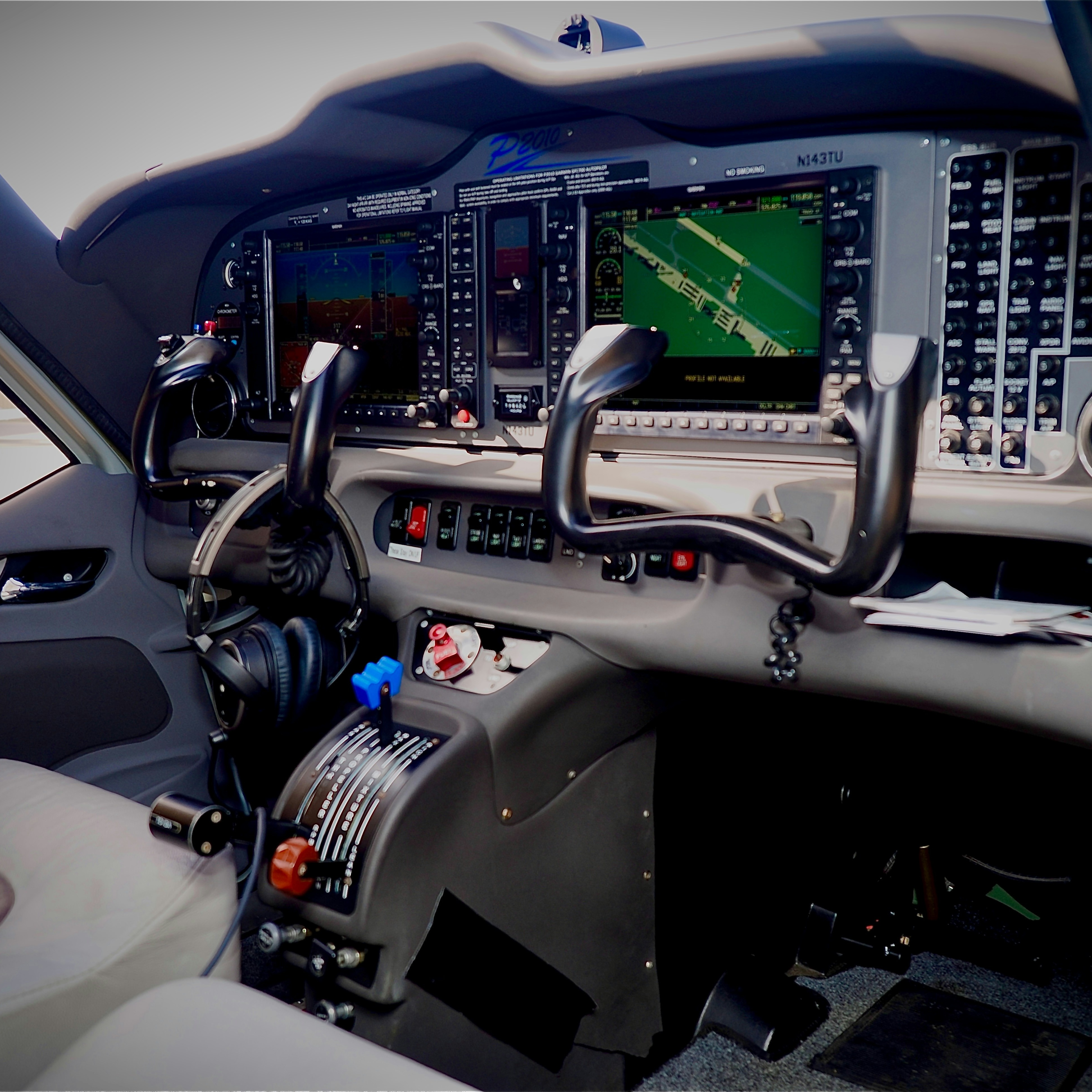
Modern plane avionics feature integrated glass cockpit displays that revolutionize how pilots interact with flight information. These advanced systems replace traditional analog instruments with high-resolution screens that consolidate data from dozens of sensors into intuitive visual formats. The primary flight display shows attitude, altitude, airspeed, and navigation information in a single glance, while multifunction displays present weather radar, moving maps, traffic alerts, and system status simultaneously. This integration reduces cockpit clutter and pilot scanning workload while improving information accuracy and response times. The synthetic vision technology within plane avionics generates three-dimensional terrain representations even in zero visibility conditions, effectively giving pilots the ability to see through clouds and darkness. Touchscreen interfaces and customizable display configurations allow pilots to prioritize information based on flight phase and conditions. The redundant architecture ensures that if one display fails, critical information automatically migrates to functioning screens. This technological advancement has transformed aviation safety by reducing spatial disorientation incidents and providing unprecedented situational awareness that helps pilots make informed decisions during normal operations and emergency situations.
Advanced Navigation and Communication Systems

Advanced Navigation and Communication Systems

Contemporary plane avionics incorporate satellite-based navigation systems that deliver positioning accuracy within meters, enabling precise approach procedures and efficient routing that was impossible with older ground-based navigation aids. GPS technology integrated into plane avionics allows aircraft to fly optimized routes that save fuel and time while accessing remote areas without traditional navigation infrastructure. The Automatic Dependent Surveillance-Broadcast systems within plane avionics continuously transmit aircraft position to air traffic control and nearby aircraft, creating a real-time traffic awareness network that enhances safety and airspace efficiency. Communication systems have evolved to include datalink capabilities that allow controllers to send clearances and weather updates directly to cockpit displays, reducing radio congestion and miscommunication risks. These plane avionics systems support Required Navigation Performance procedures that allow aircraft to fly curved approaches and departures, reducing noise impact on communities while improving access to challenging airports. The integration of multiple communication frequencies, emergency locator transmitters, and satellite communication options ensures pilots maintain connectivity regardless of location or altitude, supporting both routine operations and emergency response coordination.
Automated Flight Management and Safety Systems

Automated Flight Management and Safety Systems

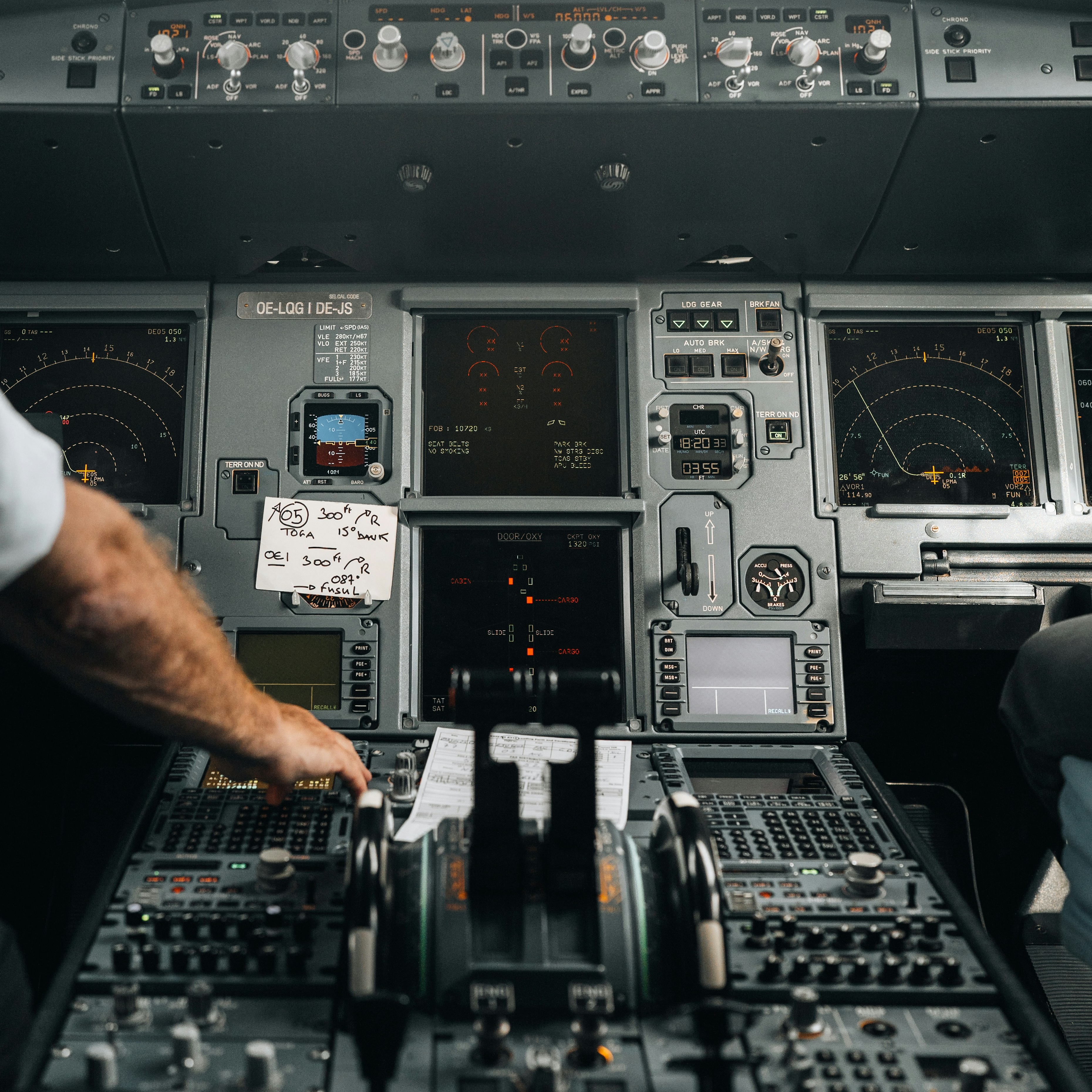
Sophisticated plane avionics include flight management computers that automate navigation, performance calculations, and flight plan execution with remarkable precision. These systems calculate optimal altitudes and speeds based on aircraft weight, weather conditions, and fuel requirements, then guide the autopilot to fly the programmed route with minimal pilot intervention. The automation reduces crew fatigue on long flights while maintaining precise adherence to air traffic control clearances and optimal efficiency parameters. Traffic Collision Avoidance Systems integrated within plane avionics monitor surrounding airspace and provide resolution advisories if conflicting traffic poses a risk, creating an independent safety layer beyond air traffic control separation. Ground Proximity Warning Systems analyze terrain databases and aircraft trajectory to alert pilots of potential terrain conflicts well before visual detection would be possible. Weather radar systems within plane avionics detect precipitation, turbulence, and wind shear, allowing crews to navigate around hazardous weather rather than encountering it unexpectedly. Engine monitoring systems continuously analyze performance parameters, predicting maintenance needs before failures occur and optimizing power settings for fuel efficiency. These automated safety features within plane avionics have contributed to the remarkable safety record of modern aviation by providing multiple independent layers of protection and decision support.