
EN
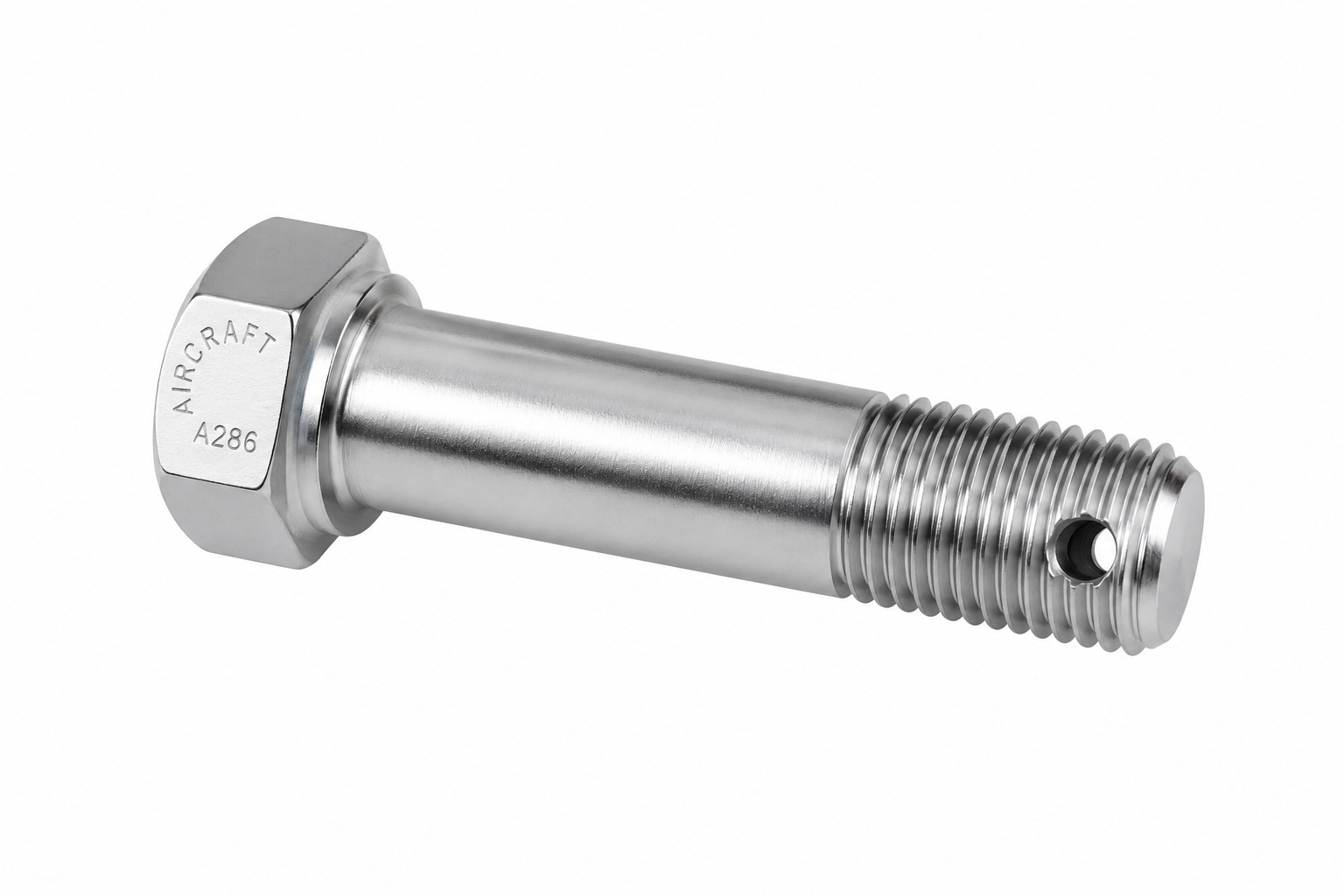
Effective avio procurement represents one of the most critical operational decisions an aviation company must make. Whether you manage a regional carrier, operate a maintenance facility, or oversee corporate fleet operations, the choices you make regarding avio sourcing directly impact your maintenance budgets, aircraft availability, and regulatory compliance. The avio procurement process extends far beyond simple purchasing; it encompasses strategic planning, supplier evaluation, inventory management, and quality assurance protocols that require specialized expertise and industry knowledge.

Understanding how to optimize your avio procurement strategy can reduce operational disruptions, minimize unexpected maintenance costs, and ensure your fleet remains compliant with all applicable aviation regulations. This comprehensive guide walks you through the essential considerations that operators must evaluate when developing an effective avio procurement framework that aligns with their specific operational requirements and long-term business objectives.
Before initiating any avio procurement activities, operators must conduct a thorough assessment of their specific maintenance and operational requirements. Each aircraft type, engine configuration, and system component carries unique avio specifications that directly influence procurement decisions. Your avio procurement strategy should account for aircraft age, utilization rates, environmental operating conditions, and anticipated maintenance intervals. Developing an accurate avio inventory forecast prevents both excess stockpiling and critical shortages that can ground aircraft and disrupt scheduled operations.
The complexity of modern aviation systems means that effective avio procurement requires deep technical knowledge of component specifications, compatibility requirements, and performance standards. Different operators may require vastly different avio components based on their fleet composition, route networks, and maintenance philosophies. A regional carrier operating older turboprop aircraft will have entirely different avio procurement priorities than an operator of modern twin-engine jets. Understanding these distinctions helps operators avoid purchasing unnecessary components while ensuring adequate availability of essential avio materials.
Aviation regulatory authorities, including the FAA, EASA, and regional aviation safety organizations, establish stringent requirements governing avio procurement, certification, and traceability. All avio components used in aircraft maintenance must meet applicable airworthiness standards, and procurement documentation must maintain complete traceability from original manufacturer through final installation. Non-compliance with avio procurement regulations can result in airworthiness violations, operational restrictions, and potential safety hazards that create significant liability exposure for operators.
When developing your avio procurement compliance program, ensure that all suppliers meet regulatory certification requirements and maintain appropriate documentation standards. The avio procurement process should include verification of supplier approvals, component certifications, and maintenance of comprehensive audit trails for all purchased materials. Many operators establish formal avio procurement approval lists that specify pre-qualified suppliers and approved component sources, reducing procurement risk and ensuring consistent quality across all avio acquisitions.
Selecting the right avio suppliers fundamentally shapes the success of your entire procurement strategy. Quality avio suppliers must demonstrate extensive industry experience, maintain certified repair and overhaul capabilities, and provide transparent pricing structures. When evaluating potential avio suppliers, verify their certifications, review their technical credentials, and assess their ability to meet your specific delivery timelines and volume requirements. Strong avio suppliers should offer technical support, documentation services, and quality assurance protocols that exceed minimum regulatory requirements.
The best avio procurement relationships develop through careful vetting and ongoing performance monitoring. Establish clear performance metrics for your avio suppliers including delivery reliability, quality standards, documentation accuracy, and responsiveness to your operational needs. Regular audits of avio supplier facilities, review of inspection protocols, and analysis of component failure rates help identify potential quality issues before they impact your operations. A strategic avio procurement partner should function as an extension of your maintenance organization, providing proactive technical support and recommendations aligned with your operational objectives.
Negotiating favorable avio procurement pricing requires understanding market conditions, component availability, and total cost factors beyond the initial purchase price. While per-unit pricing certainly matters, effective avio procurement negotiations should also address delivery schedules, payment terms, warranty coverage, and technical support provisions. Operators who consolidate their avio procurement volume with fewer suppliers often achieve better pricing, improved service quality, and stronger technical partnerships compared to operators who fragment purchases across multiple vendors.
Consider the full lifecycle cost when evaluating avio procurement options, including component lifespan, maintenance requirements, and potential upgrade or replacement costs. Some avio procurement decisions that appear economical on initial pricing may result in higher total costs due to shorter component life, increased maintenance requirements, or limited technical support. Long-term avio procurement contracts that establish pricing stability and service guarantees can protect your budget while ensuring consistent component availability throughout your contract period.
Effective avio procurement requires sophisticated inventory management that balances adequate stock levels against storage costs and capital requirements. Your avio procurement team must develop accurate demand forecasts based on aircraft utilization rates, maintenance schedules, and historical component failure patterns. Implementing inventory management systems that track avio component usage, monitor aging stock, and trigger reorder points helps prevent both overstocking and unexpected shortages that create operational disruptions.
Many operators utilize predictive maintenance analytics to optimize their avio procurement timing and quantities. By analyzing historical maintenance data and component condition trends, operators can anticipate future avio requirements with greater accuracy and adjust procurement schedules accordingly. This data-driven approach to avio procurement reduces emergency purchases at premium pricing while maintaining operational safety and reliability standards.
Every avio procurement decision carries inherent quality and safety risks that operators must actively manage through comprehensive verification and testing protocols. Implement rigorous quality acceptance procedures for all incoming avio components, including documentation verification, visual inspection, and functional testing where applicable. Establish traceability requirements that link each avio component to original manufacturing records, certifications, and modification histories throughout its operational life.
Counterfeit and unapproved avio components represent serious threats to aircraft safety and operational reliability. Operators should establish supplier verification programs, conduct periodic audits of avio procurement channels, and maintain awareness of industry alerts regarding fraudulent or substandard components. Insurance considerations also factor into avio procurement risk management, as component failures attributable to inferior procurement practices may not be covered under standard aviation liability policies. Investing in robust avio procurement quality assurance ultimately protects your operational continuity, regulatory compliance, and financial performance.
A qualified avio supplier must hold appropriate regulatory certifications such as AS9100 or equivalent quality management standards, maintain FAA or EASA approvals for their specific product lines, demonstrate extensive experience in aviation components and systems, provide comprehensive documentation and traceability records, and maintain transparent pricing and communication standards. The supplier should also offer technical support, quality guarantees, and the ability to meet your specific delivery and volume requirements. Before establishing an avio procurement relationship, verify all certifications, review facility audits, and confirm their capability to support your operational requirements.
Operators should conduct formal reviews of their avio procurement strategy at least annually, with additional reviews triggered by significant operational changes, fleet modifications, or supplier performance issues. Changes in utilization rates, introduction of new aircraft types, or regulatory requirement updates all warrant reassessment of your avio procurement approach. Regular monitoring of supplier performance, cost trends, and component availability helps identify optimization opportunities and address emerging risks before they impact operations. Establishing quarterly performance reviews with key avio suppliers ensures alignment and maintains the partnership quality necessary for long-term procurement success.
Essential avio procurement documentation includes purchase orders with detailed component specifications, certificates of authenticity and airworthiness from original manufacturers, supplier quality certifications and regulatory approvals, receiving inspection reports with acceptance signatures, complete traceability records linking components to manufacturing records, maintenance logs documenting component installation and service history, and compliance audit trails demonstrating adherence to regulatory requirements. Maintain organized records for all avio procurement activities for the duration of component service life plus applicable regulatory retention periods. Digital record systems with searchable databases improve compliance documentation management and facilitate regulatory audits of your avio procurement processes.

 EN