
EN
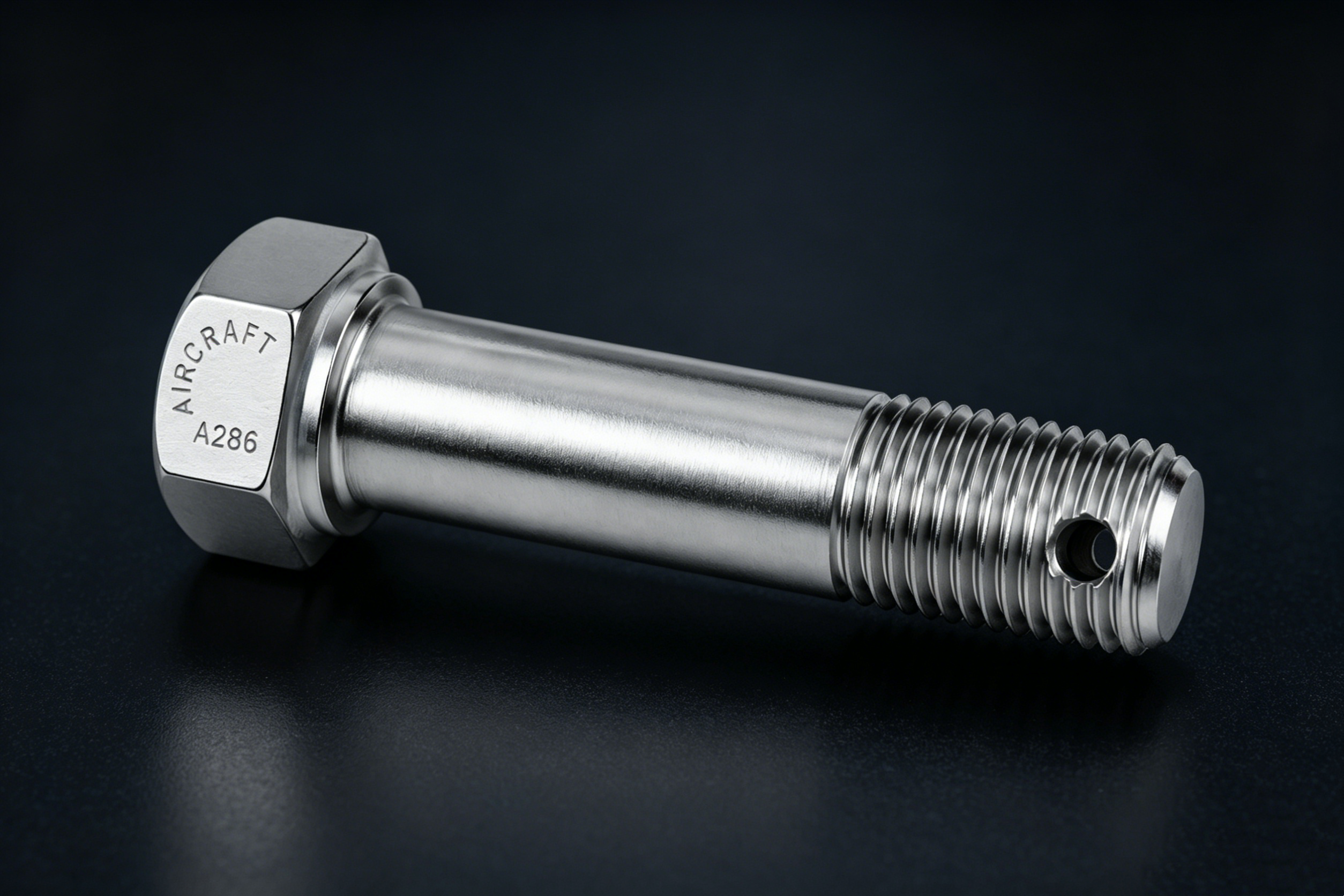
Fleet sourcing represents one of the most critical operational functions in aviation maintenance and logistics. When aircraft operators depend on reliable supply chains, the quality and verification status of avio components directly impacts mission availability, safety compliance, and total operational cost. Verified avio parts have emerged as a cornerstone strategy for organizations that prioritize consistent aircraft readiness and regulatory adherence across their fleets.

The aviation industry operates under stringent certification and traceability requirements that demand every component meet documented standards. Choosing verified avio parts ensures that your fleet sourcing process aligns with these regulatory frameworks while minimizing risk exposure. Organizations that systematically source verified avio inventory experience measurable improvements in maintenance scheduling predictability, supplier relationship stability, and overall fleet performance.
Verified avio parts come with complete documentation chains that prove certification status, manufacturing origin, and compliance with applicable airworthiness directives. When fleet sourcing teams select verified avio inventory, they reduce the administrative burden of verification audits and regulatory inspections. This documentation transparency protects operators from airworthiness violations and supply chain liability. Maintenance records become stronger, audit trails clearer, and compliance officer confidence higher when verified avio parts form the foundation of your parts inventory strategy.
Counterfeit and unapproved aircraft components represent a persistent threat to fleet safety and operational continuity. Verified avio parts sourced through established channels eliminate this risk category by guaranteeing authenticity and proper manufacturing oversight. Fleet sourcing managers who prioritize verified avio procurement reduce their exposure to costly component failures, unexpected groundings, and regulatory sanctions. The investment in verified sourcing pays immediate dividends through fewer surprise maintenance events and more predictable spare parts availability.
When fleet operators source verified avio components, they gain reliable lead times, consistent product quality, and predictable component performance. Maintenance planning becomes more precise because verified avio parts demonstrate reproducible specifications and reliability characteristics. Schedulers can confidently plan maintenance windows knowing that verified avio inventory will arrive on time and perform within established specifications. This predictability translates into reduced aircraft downtime, improved dispatch reliability, and more efficient crew and resources allocation across the fleet.
Sourcing verified avio parts initially may seem like a higher-cost decision compared to unverified alternatives, yet the total cost of ownership strongly favors verified inventory. Unverified components carry hidden costs: unscheduled removals, extended troubleshooting, potential safety investigations, and regulatory fines. Verified avio parts demonstrate proven reliability, which reduces repeat failures and extends component service life. Fleet operators consistently report that the premium paid for verified avio sourcing is recovered through avoided emergency maintenance events and lower overall parts replacement frequency.
Established suppliers of verified avio components develop deep relationships with manufacturers and maintain stable inventory positions. By committing to verified avio sourcing, fleet operators gain access to more reliable long-term supply chains and priority allocation during industry supply constraints. These relationships provide early warning of upcoming discontinuations, access to service bulletins, and collaborative problem-solving when technical questions arise. Verified avio procurement strategies position operators as valued customers within the supplier ecosystem.
Effective fleet sourcing begins with documented standards that define what qualifies as verified avio inventory for your operation. Establish explicit criteria: required certifications, acceptable manufacturing origins, documentation completeness, and traceability requirements. Create receiving inspection procedures that validate verification claims before components enter your stores system. When purchasing teams understand these standards, they can confidently evaluate supplier quotes and make decisions that prioritize verified avio sourcing without sacrificing operational flexibility. The avio components your organization selects will consistently meet your defined quality thresholds.
Staff responsible for fleet sourcing decisions must understand why verified avio parts matter and how to identify them during purchasing interactions. Provide maintenance technicians with reference materials that highlight approved suppliers, acceptable certifications, and documentation expectations for verified avio inventory. When procurement specialists understand the regulatory and operational rationale behind verified sourcing, they negotiate more effectively with suppliers and make fewer compromises on quality standards. Regular training reinforces these principles and helps teams stay current with evolving certification requirements and market conditions affecting verified avio availability.
Fleet sourcing success depends on relationships with suppliers who consistently deliver verified avio components. Develop supplier qualification procedures that assess their inventory management systems, documentation practices, and certifications before awarding contracts. Conduct periodic audits to confirm that suppliers maintain the quality standards necessary for verified avio sourcing. When suppliers understand your expectations and see regular oversight, they prioritize accuracy and accountability. This mutual commitment to quality transforms verified avio procurement from a transactional process into a strategic partnership aligned with your fleet's safety and reliability objectives.
Verified avio parts must include certificate of airworthiness, manufacturing certification records, inspection documentation, and traceability information linking the component to its manufacturer. Depending on the specific avio part type and applicable regulations, you may also require material test reports, workmanship standards documentation, or compliance verification with specific airworthiness directives. Always request complete documentation packages before accepting verified avio shipments into your inventory system.
Verified avio parts enable more accurate maintenance planning because their reliability characteristics and lead times are predictable. Maintenance planners can schedule component replacements with higher confidence when they know verified avio inventory will arrive on schedule and perform as specified. This reduces the number of urgent, unscheduled maintenance events and allows better coordination between maintenance crews, spare parts teams, and flight operations. The result is improved aircraft utilization rates and more efficient use of maintenance resources.
Yes, many organizations source verified avio components from multiple qualified suppliers to reduce dependency risk and maintain competitive pricing. The key requirement is that each verified avio supplier meets your organization's quality standards and provides complete documentation. Maintaining relationships with 2–3 verified avio suppliers provides supply chain resilience while ensuring that quality standards remain consistent across all procurement channels. Regularly audit each verified avio supplier to confirm ongoing compliance with your standards.

 EN