
EN
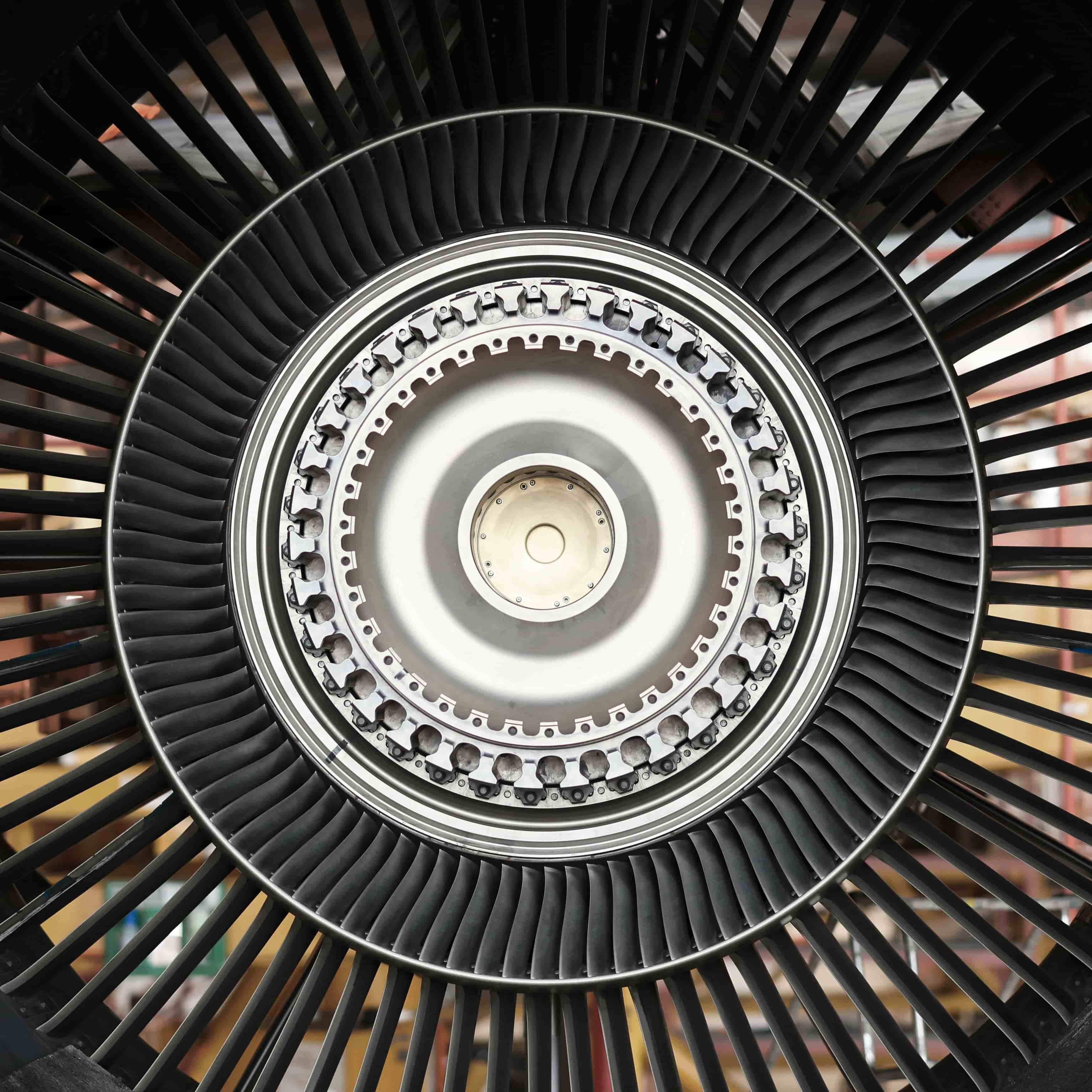
The auxiliary power unit, commonly known as the apu, is one of the most critical systems on modern aircraft. An apu provides independent electrical power, hydraulic pressure, and pneumatic air to the aircraft when main engines are shut down. For airlines and operators, apu reliability directly impacts operational efficiency, maintenance costs, and overall fleet readiness. When an apu fails unexpectedly, it forces gate delays, cancellations, and expensive unscheduled maintenance interventions. The key to reducing apu-related downtime is establishing a robust sourcing strategy that prioritizes quality components, certified suppliers, and proactive maintenance planning.

Maximizing apu reliability requires a multi-faceted approach that goes beyond reactive maintenance. Better sourcing means working with qualified vendors who understand apu specifications, compliance requirements, and performance benchmarks specific to your aircraft fleet. It means implementing transparent supplier qualification processes, demanding traceability on every apu component, and building long-term partnerships with manufacturers who invest in quality assurance. By taking control of your apu supply chain early, you reduce the risk of counterfeit parts, substandard components, and preventable failures that erode operator confidence and inflate maintenance budgets.
Every apu component must meet strict aviation regulatory standards set by authorities such as the FAA, EASA, and other national aviation bodies. These standards govern design, manufacturing, testing, and documentation requirements that ensure the apu operates safely under all flight conditions. When sourcing apu parts, operators must verify that suppliers hold appropriate certifications such as AS9100, AS9110, or equivalent aerospace quality management credentials. An apu from an uncertified or non-compliant supplier introduces unquantified risk and may violate airworthiness directives or maintenance protocols established by the original equipment manufacturer.
Compliance verification for an apu starts with traceability documentation. Every part that enters your apu inventory should carry a certificate of authenticity, manufacturing date code, and inspection records that trace back to an approved source. Poor sourcing practices often lead to the acquisition of counterfeit or out-of-specification apu components that pass initial visual inspection but fail under operational stress. This hidden risk is why large operators invest heavily in supplier audits and part authentication programs before accepting an apu component into their maintenance shop.
The apu operates in demanding thermal and mechanical environments, requiring materials that resist corrosion, fatigue, and extreme temperature cycles. High-quality apu suppliers conduct rigorous material testing and maintain detailed specifications for alloys, seals, bearings, and other critical subassemblies. When sourcing an apu or apu components, request detailed material certifications and performance test reports from the vendor. Poor-quality suppliers often substitute lower-grade materials or skip critical testing phases to reduce costs, compromising the apu's service life and reliability margin.
Performance testing protocols for an apu typically include run-in tests, endurance testing under simulated flight loads, and validation of electrical and pneumatic output specifications. A reputable apu supplier will document these tests and make results available to qualified customers. Budget-conscious operators who source from unproven vendors often discover too late that their apu components have significantly shortened service intervals or elevated failure rates compared to original-equipment baselines.
Effective apu sourcing starts with a structured supplier qualification process. Operators should establish clear criteria that assess manufacturing capability, quality history, financial stability, and technical expertise before awarding an apu contract. Site audits of potential apu suppliers provide visibility into production controls, testing infrastructure, and traceability systems. This upfront effort eliminates suppliers who cannot consistently deliver apu components that meet your operational requirements, reducing long-term risk and maintenance surprises.
When evaluating an apu supplier, examine their track record with similar aircraft types and operators. Request references from current customers and review historical performance metrics such as first-pass acceptance rates, on-time delivery, and warranty claim patterns. An apu supplier with strong documentation and transparent processes signals a commitment to quality that translates into fewer failures and lower total cost of ownership over the component's service life.
Strategic sourcing of an apu also involves intelligent inventory planning. Operators must balance the need for adequate spare apu components against carrying costs and obsolescence risk. Working closely with your apu supplier, develop demand forecasts based on fleet size, utilization rates, and historical failure patterns. This collaborative approach allows suppliers to optimize production schedules and ensures you receive timely delivery of apu parts when operational needs spike.
Diversifying your apu supplier base reduces dependency on a single vendor and protects against supply chain disruptions. However, maintaining multiple apu sources requires additional qualification effort and coordination overhead. The optimal strategy depends on your fleet size, route network, and maintenance philosophy. A well-sourced apu supply chain includes contingency plans and backup suppliers who can respond quickly if your primary apu vendor faces production delays or quality issues.
Modern apu systems generate rich operational data that operators can leverage to predict failures before they occur. By sourcing apu components from suppliers who support advanced condition monitoring, you gain access to sensors, software, and analytics that reveal early warning signs of degradation. Predictive maintenance of the apu extends component life, reduces unexpected failures, and allows maintenance teams to schedule work during planned downtime rather than managing urgent gate repairs.
Data from fleet-wide apu monitoring also informs sourcing decisions. If trend analysis reveals certain apu components are failing prematurely from specific vendors, that intelligence should drive your supplier negotiations and alternative-source evaluations. A apu sourcing strategy that incorporates feedback from maintenance data continuously improves component selection and vendor performance.
Comprehensive documentation of apu sourcing and maintenance activities protects your operation and supports regulatory audits. Every apu component received from a supplier should be logged with vendor identification, lot number, receipt date, and inspection results. This traceability record becomes invaluable if an apu failure occurs and root-cause investigation requires verification of component authenticity or manufacturing date.
Operators should establish digital systems that track apu component history from sourcing through installation, operation, and eventual removal or overhaul. This end-to-end visibility ensures compliance with airworthiness directives, supports warranty claims against suppliers, and provides data that strengthens future apu sourcing negotiations. Airlines with mature apu management programs report significantly lower failure rates and reduced maintenance costs compared to operators with informal sourcing practices.
Sourcing directly affects apu reliability because component quality, manufacturing consistency, and supplier technical capability determine how well an apu performs under operational stress. When operators source from qualified, certified suppliers who invest in testing and traceability, the apu experiences fewer premature failures and longer service life. Conversely, sourcing from unproven vendors introduces risk of counterfeit parts, substandard materials, and inadequate quality control, all of which degrade apu reliability. Strategic apu sourcing essentially establishes the reliability foundation before the apu ever enters service.
An apu supplier should hold aerospace quality management certifications such as AS9100 or AS9110, which demonstrate compliance with aviation manufacturing standards. These certifications indicate the apu supplier maintains rigorous processes for design control, material verification, testing, and documentation. Additionally, apu suppliers should be approved by the relevant original equipment manufacturer and hold relevant regulatory approvals from aviation authorities. Verifying these credentials before awarding an apu contract significantly reduces the risk of receiving out-of-specification or non-compliant components.
Operators reduce apu failure rates by implementing structured supplier qualification, demanding full traceability documentation for every apu component, and establishing long-term partnerships with vendors who prioritize quality. Incorporating condition monitoring data into sourcing decisions allows operators to identify which apu components or vendors are underperforming and make informed adjustments. Additionally, operators should invest in thorough receiving inspections and maintain backup suppliers to mitigate supply chain disruptions. When these practices combine, apu reliability improves measurably and maintenance costs decline.

 EN