Aviation Ground Support Equipment Solutions

application/aviation-ground-support-equipment, application/aviation-ground-support-equipment, 
Inquiry
Inquiry

aviation ground support equipment

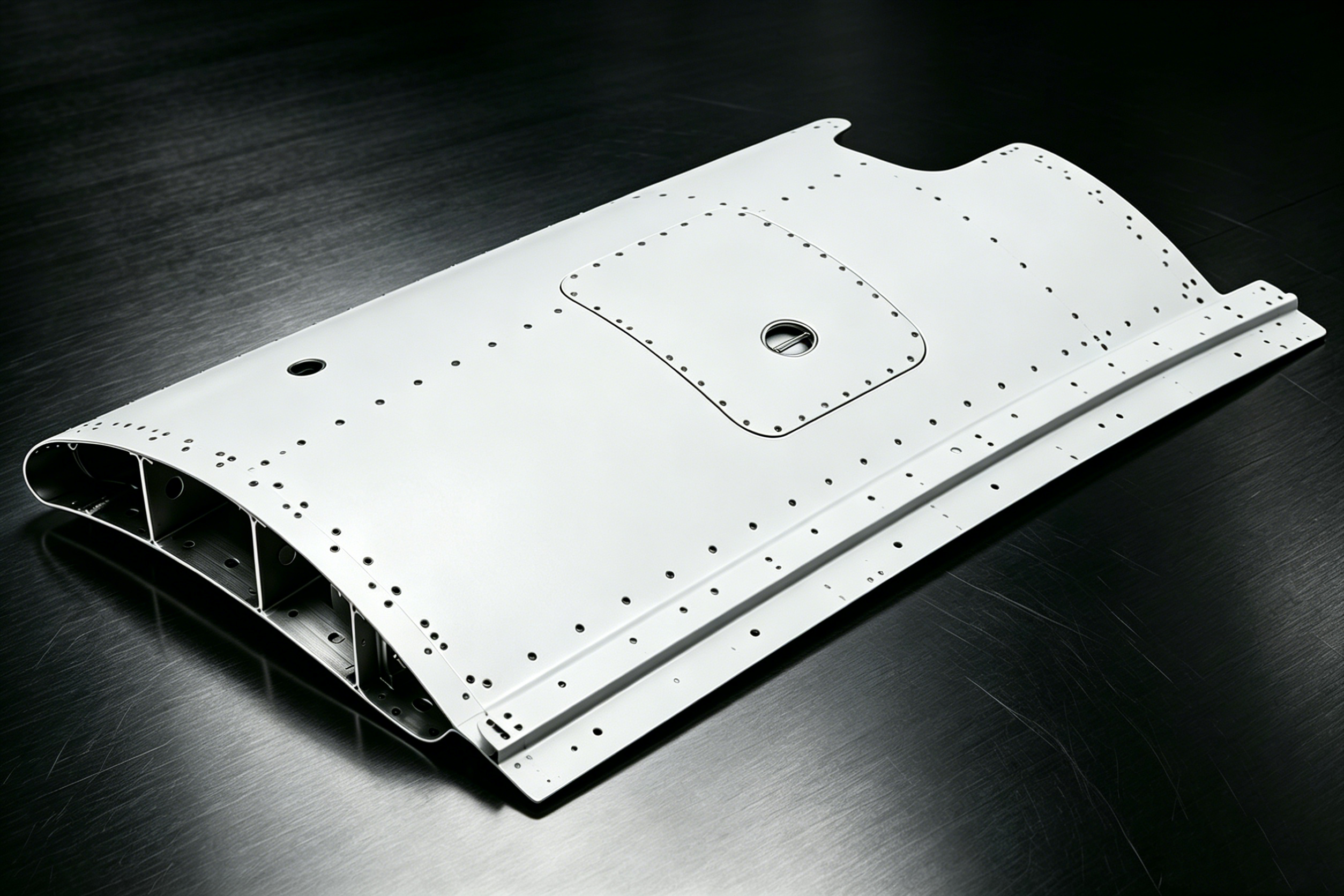
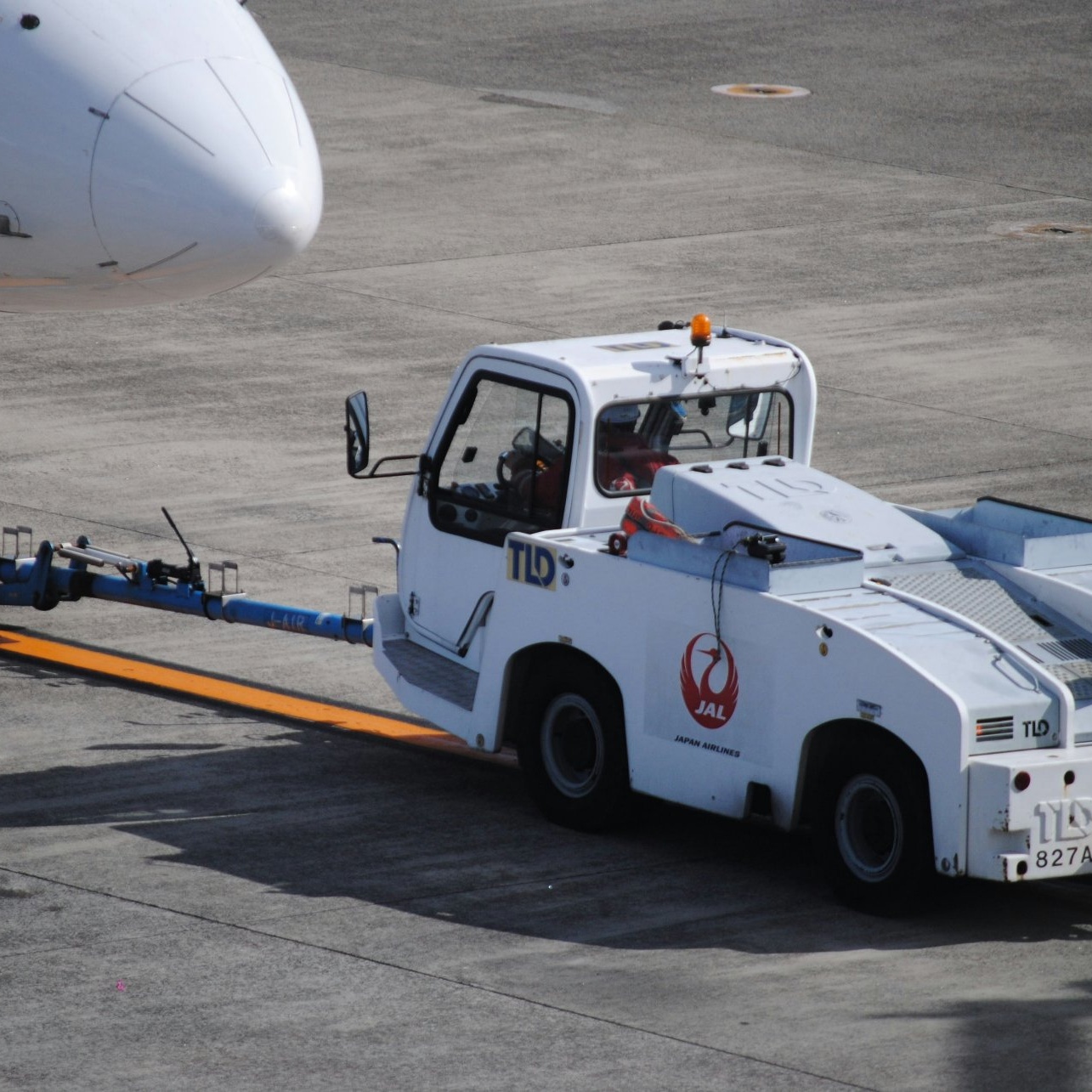
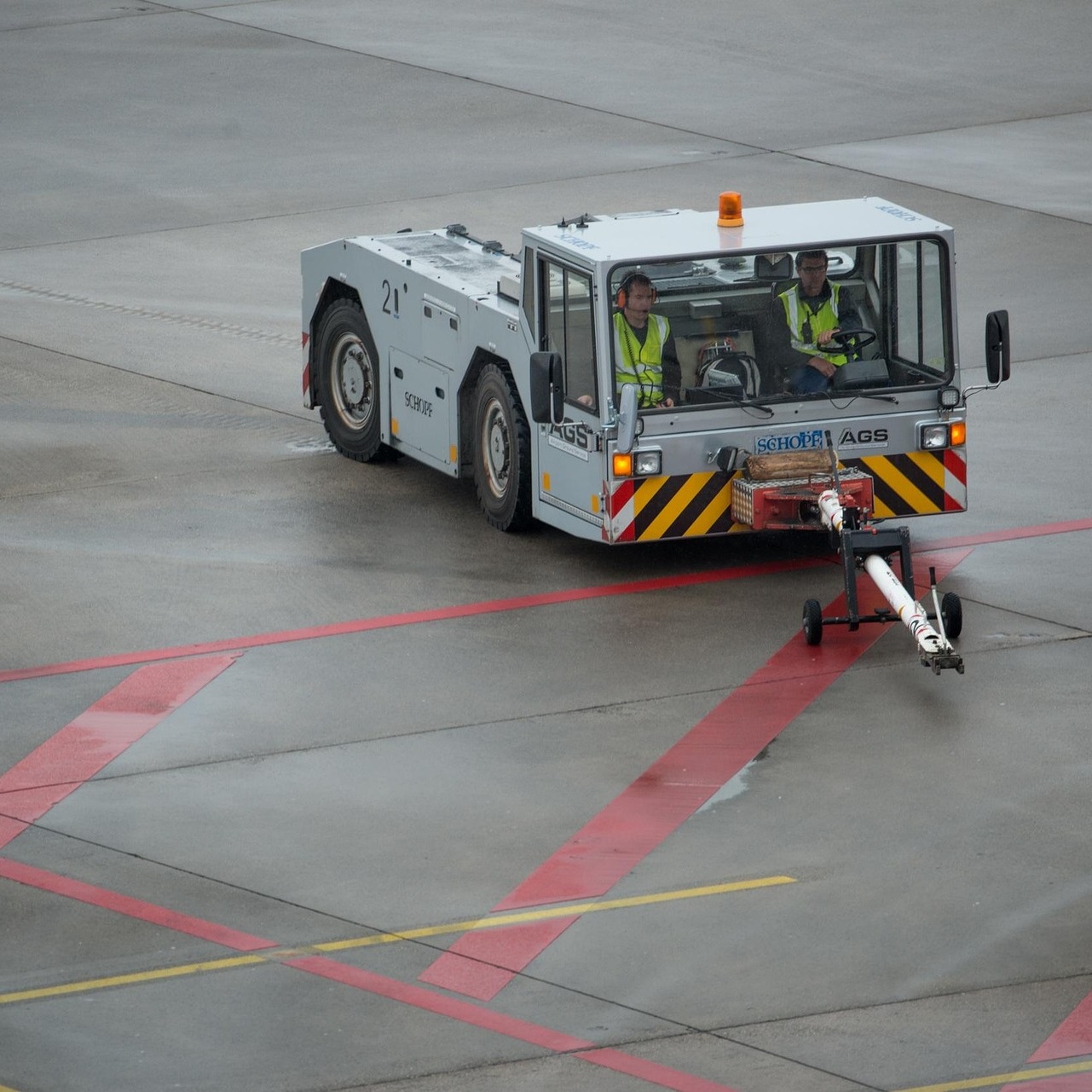
Aviation ground support equipment encompasses a comprehensive range of specialized machinery and tools designed to service aircraft during ground operations at airports and maintenance facilities. This essential equipment plays a critical role in ensuring flight safety, operational efficiency, and timely aircraft turnaround between flights. The primary functions include aircraft towing and pushback, passenger boarding, cargo and baggage handling, refueling operations, electrical power supply, air conditioning, hydraulic system maintenance, and ground-to-aircraft communication. Modern aviation ground support equipment incorporates advanced technological features such as automated control systems, electric propulsion for reduced emissions, real-time diagnostic capabilities, and integrated safety mechanisms that protect both personnel and aircraft. These sophisticated systems utilize digital interfaces, IoT connectivity for fleet management, and ergonomic designs that enhance operator comfort and productivity. Applications span across commercial aviation terminals, cargo operations centers, military airbases, and private aircraft facilities. The equipment ranges from massive aircraft tractors capable of moving wide-body jets to compact service carts for cabin supplies. Aviation ground support equipment must comply with stringent international safety standards and airport operational regulations while withstanding harsh environmental conditions including extreme temperatures, moisture, and constant mechanical stress. The technological evolution of aviation ground support equipment continues to focus on sustainability through electric and hybrid power systems, automation to reduce labor costs, and smart connectivity features that enable predictive maintenance and optimal resource allocation across airport ground operations.

Popular Products

Investing in quality aviation ground support equipment delivers substantial operational benefits that directly impact your bottom line and service quality. First, modern equipment significantly reduces aircraft turnaround time, allowing airlines to maximize aircraft utilization and increase daily flight frequencies. This efficiency translates to higher revenue potential and improved schedule reliability that passengers value. The equipment enhances workplace safety by incorporating protective features, automated systems, and ergonomic designs that minimize injury risks to ground crew personnel, reducing insurance costs and liability exposure. Energy-efficient models, particularly electric aviation ground support equipment, substantially lower fuel expenses and maintenance requirements compared to traditional diesel-powered alternatives while meeting increasingly strict environmental regulations at airports worldwide. These systems operate more quietly, creating better working conditions and reducing noise pollution in airport environments. The durability and reliability of professional-grade equipment minimize unexpected breakdowns that cause costly flight delays and passenger dissatisfaction. Advanced diagnostic capabilities enable predictive maintenance, allowing operators to address potential issues before they escalate into expensive repairs or operational disruptions. Standardized aviation ground support equipment across your fleet simplifies training requirements, reduces spare parts inventory complexity, and improves operational consistency. The equipment's versatility accommodates various aircraft types, from regional jets to wide-body international carriers, maximizing your investment flexibility. Modern connectivity features provide real-time operational data, enabling better resource allocation, performance monitoring, and continuous process improvement. For airport operators and airlines, quality aviation ground support equipment represents a strategic investment that enhances competitive positioning through improved operational efficiency, reduced environmental impact, enhanced safety records, and superior customer service delivery that builds brand reputation and customer loyalty in the highly competitive aviation industry.

Practical Tips

Sourcing Verified Plane Engine Components Fast

15

Sep

Sourcing Verified Plane Engine Components Fast

Struggling with aircraft downtime? Discover proven strategies to source verified plane engine components rapidly—without compromising safety or compliance. Get started today.
View More
Sourcing Traceable APU Spare Parts Efficiently

14

Sep

Sourcing Traceable APU Spare Parts Efficiently

Struggling with APU part delays and audit risks? Discover how to source traceable APU spare parts efficiently while ensuring FAA/EASA compliance. Get actionable steps now.
View More
Advanced Safety and Compliance Features

Advanced Safety and Compliance Features

Aviation ground support equipment incorporates comprehensive safety systems designed to protect personnel, aircraft, and cargo during ground operations. These sophisticated safety features include automatic braking systems that prevent collisions, height and proximity sensors that alert operators to potential contact with aircraft surfaces, and fail-safe mechanisms that engage during emergency situations. Equipment designs comply with international aviation safety standards including FAA, EASA, and IATA guidelines, ensuring compatibility with airport operational requirements worldwide. Enhanced visibility features such as LED warning lights, high-visibility paint schemes, and audible alarms alert nearby personnel to equipment movement. Operator cabins feature ergonomic controls, climate control systems, and excellent sightlines that reduce fatigue and improve decision-making during extended shifts. Advanced aviation ground support equipment includes operator certification systems that prevent unauthorized use, maintenance tracking that ensures timely inspections, and black-box recording capabilities that document operational parameters for incident investigation and process improvement. These integrated safety systems significantly reduce workplace accidents, minimize aircraft damage incidents, lower insurance premiums, and demonstrate organizational commitment to personnel welfare and operational excellence that enhances corporate reputation within the aviation industry.
Electric and Hybrid Power Solutions

Electric and Hybrid Power Solutions

The latest generation of aviation ground support equipment features electric and hybrid power technologies that transform ground operations sustainability and cost structures. Electric systems eliminate direct emissions at the point of use, helping airports achieve carbon neutrality goals and comply with increasingly stringent environmental regulations in major aviation markets. These power solutions deliver substantial operational cost savings through reduced energy consumption compared to diesel alternatives, with electricity costs typically representing a fraction of fossil fuel expenses. Electric aviation ground support equipment requires significantly less maintenance since electric motors have fewer moving parts than internal combustion engines, eliminating oil changes, fuel filter replacements, and exhaust system repairs. The equipment operates with dramatically reduced noise levels, creating quieter ramps that improve working conditions for ground personnel and reduce noise pollution affecting nearby communities. Advanced battery management systems optimize charge cycles, extend battery life, and provide predictive alerts for capacity degradation. Fast-charging capabilities minimize downtime, while opportunity charging during idle periods ensures equipment readiness. Hybrid models offer extended operational range for applications requiring longer duty cycles while still providing emission reductions and fuel savings. These sustainable power solutions position forward-thinking aviation organizations as environmental leaders while delivering tangible financial returns through lower operating costs and reduced maintenance requirements.
Smart Connectivity and Fleet Management

Smart Connectivity and Fleet Management

Modern aviation ground support equipment integrates intelligent connectivity features that revolutionize fleet management and operational efficiency. IoT-enabled systems transmit real-time operational data including location tracking, utilization metrics, maintenance status, and performance parameters to centralized management platforms. This connectivity enables dispatchers to optimize equipment allocation, reducing idle time and ensuring the right equipment reaches the right aircraft precisely when needed. Predictive maintenance algorithms analyze operational data to identify developing issues before they cause breakdowns, allowing scheduled repairs during low-demand periods rather than emergency fixes that disrupt operations. Fleet managers gain comprehensive visibility into equipment utilization patterns, enabling data-driven decisions about fleet sizing, replacement timing, and capital investment priorities. Digital maintenance logs automatically record service history, simplify regulatory compliance documentation, and ensure warranty claim accuracy. Operator performance monitoring identifies training opportunities and recognizes high-performing personnel while detecting unsafe practices that require intervention. Integration with airport operational systems enables coordinated ground handling that reduces aircraft turnaround times and improves on-time performance. Remote diagnostics capabilities allow technical experts to troubleshoot issues without physical presence, accelerating problem resolution. These smart connectivity features transform aviation ground support equipment from simple mechanical tools into intelligent assets that continuously optimize operations, reduce costs, and provide competitive advantages through superior operational efficiency and service reliability.