
EN
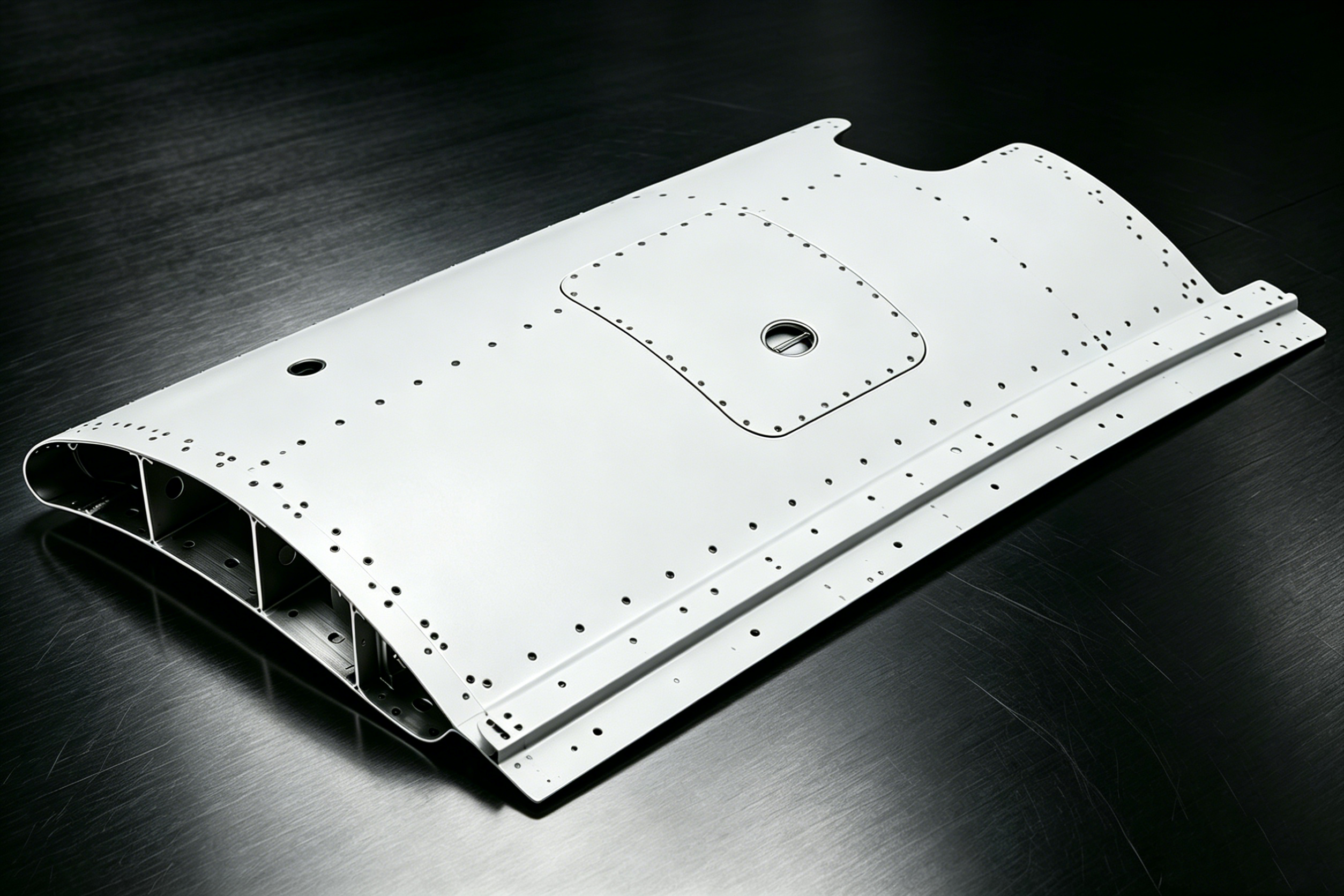
The auxiliary power unit, commonly referred to as an apu, is a critical system aboard modern aircraft that provides independent power generation and environmental control when the main engines are not running. Sourcing reliable, traceable apu spare parts is essential for maintaining flight-ready aircraft and ensuring operational continuity. When an apu requires maintenance or component replacement, procurement professionals must navigate complex supply chains, regulatory compliance requirements, and quality assurance protocols to obtain genuine apu parts that meet stringent aviation standards.

Efficient procurement of apu spare parts begins with understanding your specific equipment requirements and establishing relationships with qualified distributors. An apu system comprises numerous interconnected components, and sourcing the right parts from the right sources directly impacts maintenance schedules, aircraft availability, and overall operational efficiency. This guide explores how to identify trusted suppliers, verify part traceability, and implement sourcing strategies that minimize delays while maintaining full regulatory compliance for your apu maintenance programs.
An apu typically includes a gas turbine engine, fuel system, lubrication system, electrical generator, and environmental control components. Each major system within the apu comprises multiple subassemblies and individual parts, and each category of apu spare parts carries specific technical specifications, material requirements, and certification standards. Understanding which apu components you need to source is the foundation of efficient procurement. A fuel nozzle for an apu differs significantly from a bearing assembly, requiring different suppliers and handling procedures. Maintenance technicians must provide detailed part numbers, equipment serial data, and specific apu configurations to ensure you source exactly what your aircraft requires.
Apu spare parts fall into several criticality categories that affect sourcing strategy and inventory planning. Life-limited parts such as combustor liners and turbine blades have specific service hour restrictions and require certified apu replacement records. Rotable apu components like bearings and seals can be overhauled and returned to service multiple times. Consumable apu items such as filters and gaskets are single-use and must be ordered regularly. Understanding how your required apu parts fit into these categories helps prioritize sourcing efforts and ensures you maintain adequate inventory without excessive stockpiling of common apu spare parts.
Sourcing apu spare parts efficiently requires working with suppliers who maintain proper certifications, quality systems, and supply chain documentation. Original equipment manufacturers remain the most direct source for apu components, though lead times and costs may be higher. Authorized distributors and repair stations certified to handle apu parts offer more flexible sourcing options. When evaluating potential suppliers for your apu procurement needs, verify their approval status with regulatory authorities, their experience with your specific apu model variants, and their ability to provide complete traceability documentation. Establishing relationships with multiple qualified sources for critical apu spare parts reduces dependency on single suppliers and provides backup availability when primary sources experience delays.
Every apu spare part must be accompanied by complete traceability documentation that tracks its manufacture, testing, certification, and distribution history. When you source apu components, demand certificates of conformance, material certifications, and test reports that verify the apu parts meet specification. Critical apu items require full first-article inspection documentation and design approval records. Maintain organized systems to store apu spare parts documentation, correlate part numbers to specific apu installations, and respond quickly to safety directives or recalls affecting your apu equipment. Proper traceability practices protect your organization from liability, ensure regulatory compliance, and provide the documentation needed during apu maintenance events or accident investigations.
Efficient apu spare parts sourcing begins with predictive maintenance planning and historical usage analysis. Review your maintenance records to identify which apu components fail most frequently, their typical replacement intervals, and average lead times from suppliers. For routine apu spare parts with long lead times, implement anticipatory ordering strategies that align with scheduled apu maintenance windows. Emergency apu component failures demand rapid sourcing capability, so establish expedited ordering procedures with backup suppliers capable of providing critical apu parts on short notice. Seasonal operational patterns may influence apu parts demand, so adjust inventory strategy accordingly to minimize carrying costs while ensuring you can source apu components when needed.
Sourcing apu spare parts economically requires balancing acquisition costs against reliability and compliance risks. Consolidating apu parts orders with single suppliers may yield volume discounts but reduces flexibility. Diversifying your apu supplier base prevents supply disruptions but requires managing multiple vendor relationships and quality standards. Request detailed pricing breakdowns when obtaining quotes for apu components, understanding exactly which factors drive costs. Some apu suppliers offer remanufactured parts that cost significantly less than new components while meeting full certification requirements for approved apu items. Evaluate lifecycle costs rather than unit prices alone, considering factors like warranty coverage, return policies, and the operational impact if sourced apu spare parts fail prematurely.
Every apu part requires a certificate of conformance confirming it meets specification, material certifications proving it contains approved materials, and traceability records showing manufacture date and supplier information. For critical apu components, original test reports and airworthiness approvals must accompany the part. Maintaining this documentation throughout the apu part's lifecycle protects your organization legally and supports compliance audits.
Establish relationships with local apu distributors who maintain emergency inventory of common parts. Identify alternative apu suppliers for critical components before emergencies occur. Some apu suppliers offer expedited services for rush orders, though these typically cost more. Having approved apu parts already in stock for truly critical items eliminates waiting time entirely when unexpected apu failures occur.
Yes, approved remanufactured apu parts are fully acceptable and must meet identical certification standards as new components. Remanufactured apu spare parts undergo complete overhaul, inspection, and testing at authorized facilities. When sourcing apu components, remanufactured options can reduce costs significantly while maintaining complete compliance with aviation regulations and equipment manufacturer requirements.

 EN