Aviation Rivet Tools - Precision Fastening Solutions

application/aviation-rivet-tools, application/aviation-rivet-tools, 
Inquiry
Inquiry

aviation rivet tools

Aviation rivet tools are specialized fastening instruments designed to install and remove rivets in aircraft assembly, maintenance, and repair operations. These precision-engineered tools ensure secure, permanent connections between metal components critical to aircraft structural integrity. Aviation rivet tools encompass pneumatic riveters, hydraulic rivet guns, hand riveters, and automated riveting systems that accommodate various rivet types including solid, blind, and hi-lok rivets. The main functions include forming rivet heads, compressing fasteners into pre-drilled holes, and creating flush surfaces essential for aerodynamic performance. Technological features of aviation rivet tools include adjustable pressure controls, ergonomic designs to reduce operator fatigue, quick-change nose assemblies for different rivet sizes, and anti-vibration mechanisms that enhance precision. Modern aviation rivet tools incorporate advanced materials like titanium alloys and aerospace-grade aluminum to minimize weight while maximizing durability. Many models feature integrated depth control systems and force measurement capabilities ensuring consistent rivet installation according to strict aerospace specifications. Applications span commercial aircraft manufacturing, military aviation maintenance, helicopter assembly, and aerospace component fabrication. Aviation rivet tools serve critical roles in wing assembly, fuselage construction, engine cowling attachment, and control surface installation. These tools comply with rigorous industry standards including AS9100 certification requirements, ensuring traceability and quality control throughout aircraft production cycles. Whether used in large-scale manufacturing facilities or field maintenance operations, aviation rivet tools deliver the reliability and precision demanded by aerospace engineering requirements.

New Products

Aviation rivet tools deliver exceptional value by ensuring permanent, vibration-resistant connections that meet stringent aerospace safety standards. These tools significantly reduce assembly time compared to traditional fastening methods, allowing manufacturers and maintenance teams to complete projects efficiently while maintaining quality. The operational benefits include consistent rivet installation that eliminates human error, reducing rework costs and material waste. Operators experience less physical strain thanks to ergonomic designs and pneumatic assistance, enabling longer productive work periods without fatigue-related quality decline. Aviation rivet tools accommodate diverse aircraft materials including aluminum, titanium, and composite structures, making them versatile across different aircraft models and repair scenarios. The tools provide superior control over rivet compression force, preventing damage to sensitive aircraft skin while ensuring proper fastener seating. Investment in quality aviation rivet tools translates to lower long-term maintenance costs since properly installed rivets rarely require replacement or adjustment. These tools support both high-volume production environments and precision repair work, adapting to various operational scales. Buyers gain competitive advantages through faster turnaround times, improved quality metrics, and enhanced workplace safety. Aviation rivet tools compatible with multiple rivet types reduce inventory requirements and simplify tool management. The reliability of aviation rivet tools minimizes aircraft downtime, a critical factor for commercial operators where every grounded hour represents lost revenue. Training requirements remain minimal due to intuitive operation, allowing new technicians to achieve proficiency quickly. Decision-makers appreciate the regulatory compliance built into aviation rivet tools, ensuring all installations meet Federal Aviation Administration and European Aviation Safety Agency specifications without additional verification steps.

Latest News

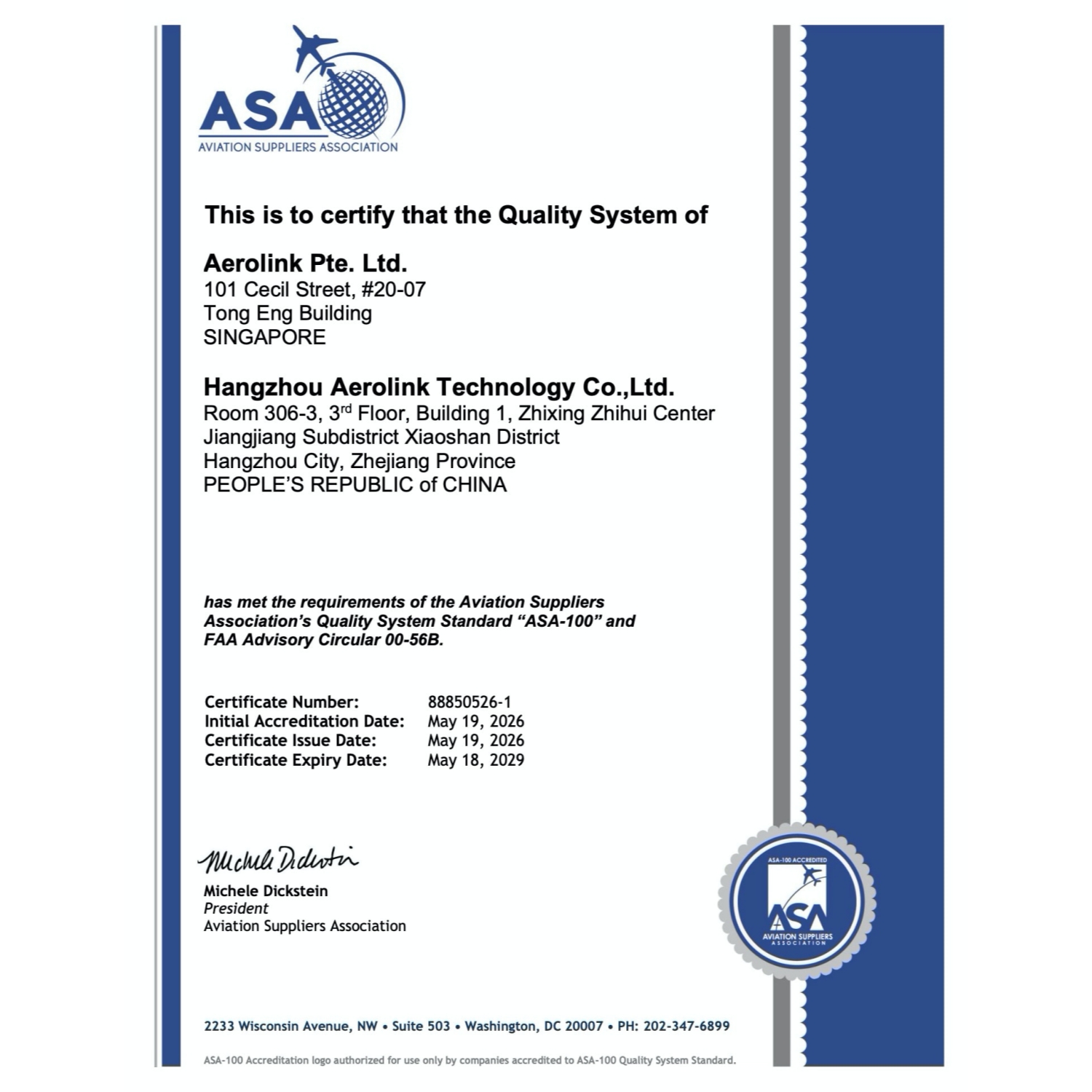
AeroLink Successfully Obtains ASA-100 and CAMAC Aviation Material Distributor Certifications

16

Jun

AeroLink Successfully Obtains ASA-100 and CAMAC Aviation Material Distributor Certifications

View More
Why Traceable Tools Are Vital for Compliance

15

Sep

Why Traceable Tools Are Vital for Compliance

Why traceable tools are non-negotiable for audit readiness, legal protection, and operational excellence.
View More
Key Steps to Evaluate Used Plane Engine Materials

14

Sep

Key Steps to Evaluate Used Plane Engine Materials

How to properly evaluate used plane engine materials for airworthiness, safety & compliance. Avoid costly failures—get the expert 10-step inspection protocol now.
View More
Precision-Engineered Performance for Critical Applications

Precision-Engineered Performance for Critical Applications

Aviation rivet tools incorporate advanced engineering that delivers micron-level accuracy essential for aerospace applications where structural integrity cannot be compromised. These tools feature calibrated pressure regulation systems that apply exact force measurements, ensuring each rivet achieves optimal compression without over-stressing surrounding materials. The precision mechanisms prevent common installation defects such as incomplete setting, material distortion, or rivet head irregularities that could compromise aerodynamic surfaces. Built-in depth gauges and stop mechanisms guarantee consistent flush finishes across thousands of installations, maintaining the tight tolerances required for aircraft certification. This precision translates directly into enhanced aircraft performance, reduced drag coefficients, and extended component service life. Quality aviation rivet tools undergo rigorous testing protocols that simulate extreme operational conditions including temperature variations, vibration exposure, and repetitive stress cycles. Manufacturers validate tool performance against aerospace industry benchmarks, providing documentation that supports airworthiness certification processes. The precision delivered by aviation rivet tools eliminates costly inspection failures and reduces the likelihood of in-service structural issues, protecting both manufacturer reputations and passenger safety.
Versatile Design Supporting Multiple Rivet Types

Versatile Design Supporting Multiple Rivet Types

Modern aviation rivet tools feature adaptable configurations that accommodate solid rivets, blind rivets, cherry rivets, and specialty aerospace fasteners without requiring separate tool purchases. Quick-change nose assemblies allow technicians to switch between different rivet diameters in seconds, maintaining workflow efficiency across varied assembly tasks. This versatility proves invaluable in maintenance environments where aircraft models from different manufacturers require diverse fastening solutions. Aviation rivet tools with adjustable stroke lengths and customizable jaw sets handle everything from delicate avionics panel attachment to heavy-duty fuselage structural connections. The ability to work with various materials including aluminum alloys, stainless steel, titanium, and composite-to-metal interfaces makes these tools indispensable across the complete aircraft assembly spectrum. Interchangeable components reduce the total tool inventory required, lowering capital investment while ensuring technicians always have appropriate equipment available. Universal power connections compatible with standard shop air systems or hydraulic supplies enhance portability between workstations. This design flexibility supports both original equipment manufacturing and aftermarket modification projects, extending tool utility throughout aircraft lifecycles and maximizing return on investment for aviation service providers.
Enhanced Operator Comfort and Safety Features

Enhanced Operator Comfort and Safety Features

Aviation rivet tools prioritize user well-being through ergonomic handle designs, balanced weight distribution, and vibration dampening technologies that reduce repetitive strain injuries common in aerospace manufacturing environments. Anti-fatigue grips manufactured from specialized polymers maintain comfort during extended operation periods while providing secure control even when wearing safety gloves. Integrated exhaust systems direct pneumatic discharge away from operators, improving visibility and reducing noise exposure in compliance with occupational health standards. Many aviation rivet tools incorporate trigger safety locks preventing accidental activation during positioning or tool transfer between team members. The reduced physical effort required compared to manual riveting methods allows operators to maintain focus and precision throughout full work shifts, directly improving quality outcomes. Lightweight construction using aerospace-grade materials minimizes arm fatigue without sacrificing tool durability or power delivery. Enhanced safety features include pressure relief valves preventing dangerous over-pressurization and insulated handles protecting against temperature extremes in harsh working conditions. These operator-focused design elements contribute to lower workplace injury rates, reduced absenteeism, and higher job satisfaction among skilled aviation technicians, ultimately supporting more efficient production schedules and consistent quality standards.