Aircraft Composite Repair Tools | Expert Guide

application/aircraft-composite-repair-tools, application/aircraft-composite-repair-tools, 
Inquiry
Inquiry

aircraft composite repair tools

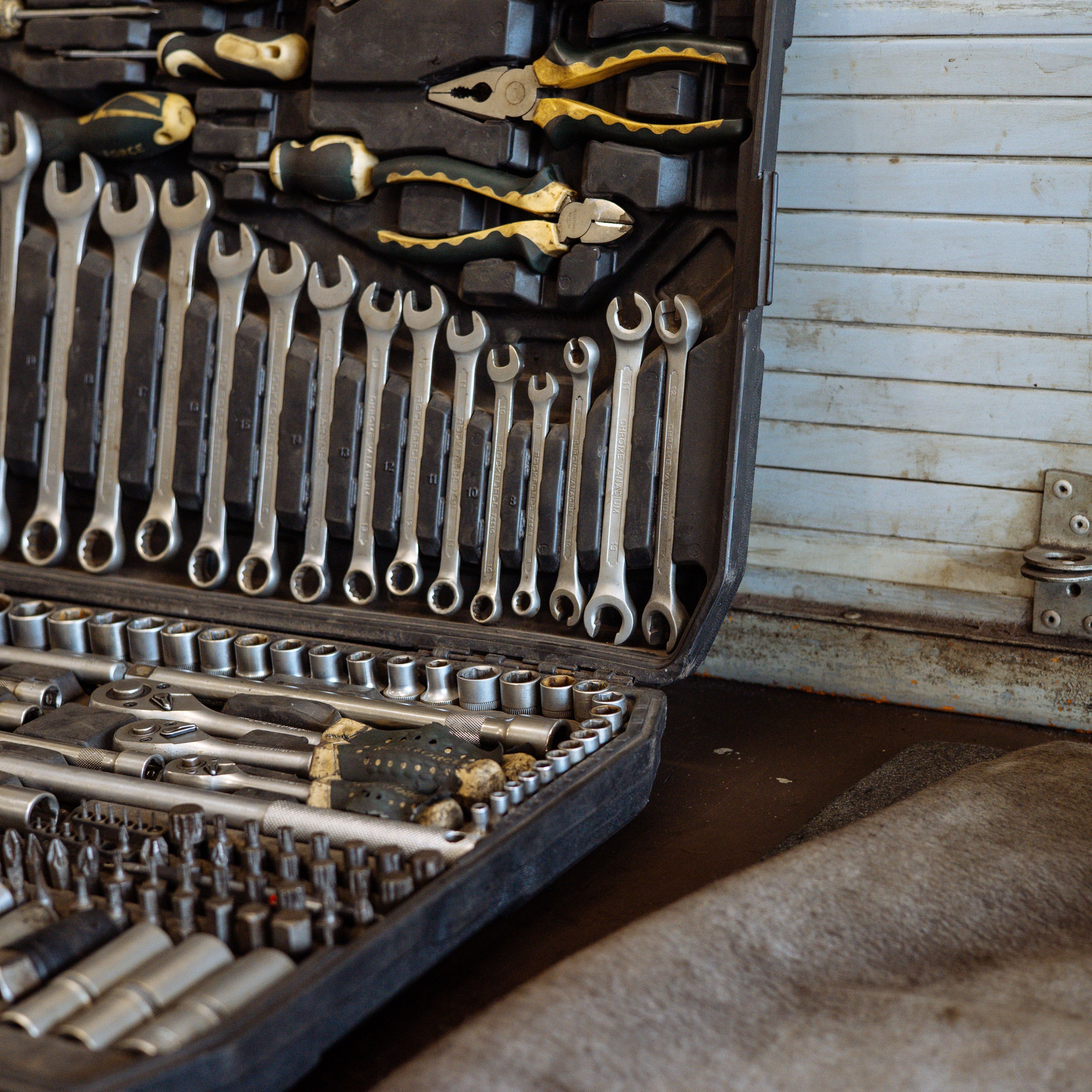
Aircraft composite repair tools represent specialized equipment designed to maintain, restore, and repair composite materials used in modern aviation structures. These advanced tools address the unique challenges of working with carbon fiber, fiberglass, Kevlar, and other composite materials that have become integral to contemporary aircraft construction. The primary functions include surface preparation, material removal, precision cutting, heat application, vacuum bagging, and curing processes essential for structural integrity. Aircraft composite repair tools incorporate cutting-edge technology such as temperature-controlled heating systems, precision grinding mechanisms, ultrasonic inspection capabilities, and specialized bonding equipment. These instruments ensure repairs meet stringent aviation safety standards while maintaining the original strength and weight characteristics of composite structures. Applications span commercial aviation, military aircraft, helicopter maintenance, and unmanned aerial vehicle servicing. The tools facilitate various repair scenarios from minor cosmetic damage to significant structural restoration, including delamination repairs, moisture removal, sandwich panel reconstruction, and lightning strike damage remediation. Professional maintenance facilities, airline maintenance departments, military repair depots, and certified repair stations rely on aircraft composite repair tools to perform approved repair procedures. The technology enables technicians to execute complex repairs efficiently while adhering to manufacturer specifications and regulatory requirements. These specialized instruments have transformed composite maintenance from a replacement-oriented approach to a cost-effective repair methodology that extends aircraft service life and reduces operational downtime significantly.


New Product Releases

Investing in quality aircraft composite repair tools delivers substantial financial benefits by enabling in-house repairs rather than expensive component replacement or outsourcing to specialized facilities. These tools empower maintenance teams to address composite damage promptly, minimizing aircraft downtime and maintaining operational schedules that directly impact revenue generation. The precision engineering behind aircraft composite repair tools ensures repairs meet or exceed original manufacturer specifications, preserving structural integrity and safety margins critical for aviation applications. Operators gain flexibility to perform repairs at their facilities, eliminating shipping costs and extended turnaround times associated with external repair services. The versatility of modern aircraft composite repair tools allows technicians to address multiple repair scenarios with a single toolkit, from minor surface damage to complex structural restoration, maximizing equipment utilization and return on investment. These instruments feature user-friendly designs that reduce training time and enable technicians to achieve professional results consistently, even when handling sophisticated composite repair procedures. The durability and reliability of professional-grade aircraft composite repair tools ensure long service life with minimal maintenance requirements, providing years of dependable performance in demanding maintenance environments. Temperature control features prevent thermal damage during curing processes, while vacuum bagging systems ensure proper resin distribution and void elimination for superior bond strength. Documentation capabilities integrated into modern aircraft composite repair tools help facilities maintain comprehensive repair records required for regulatory compliance and airworthiness certification. The ability to perform approved repairs using certified tools and procedures maintains aircraft value and ensures continued operational certification. By reducing material waste through precise application methods and enabling targeted repairs rather than wholesale component replacement, these tools support sustainability initiatives while controlling maintenance budgets effectively.

Practical Tips

AeroLink Participates in MRO Greater China 2026 to Strengthen Global Aviation Supply Chain Cooperation

16

Jun

AeroLink Participates in MRO Greater China 2026 to Strengthen Global Aviation Supply Chain Cooperation

View More
Sourcing Certified Aerospace Tools with Ease

15

Sep

Sourcing Certified Aerospace Tools with Ease

Struggling with FAA/EASA-compliant tool procurement? Discover how to source certified aerospace tools fast. Download the full guide now.
View More
Sourcing Verified Plane Engine Components Fast

15

Sep

Sourcing Verified Plane Engine Components Fast

Struggling with aircraft downtime? Discover proven strategies to source verified plane engine components rapidly—without compromising safety or compliance. Get started today.
View More
Sourcing Traceable APU Spare Parts Efficiently

14

Sep

Sourcing Traceable APU Spare Parts Efficiently

Struggling with APU part delays and audit risks? Discover how to source traceable APU spare parts efficiently while ensuring FAA/EASA compliance. Get actionable steps now.
View More
Precision Temperature Control Systems

Precision Temperature Control Systems

Advanced aircraft composite repair tools incorporate sophisticated temperature management technology that ensures optimal curing conditions for composite repairs. These systems feature programmable heating elements with digital controllers that maintain precise temperature ranges throughout the curing cycle, preventing thermal damage to surrounding structures while ensuring complete resin polymerization. The importance of accurate temperature control cannot be overstated, as improper curing temperatures can compromise bond strength, create internal stresses, or cause warping in repaired components. Modern heating blankets and curing ovens designed specifically for aircraft composite repair tools include multiple temperature zones, allowing technicians to apply differential heating patterns when repairing complex geometries or areas with varying thermal mass. Real-time monitoring capabilities provide continuous feedback, enabling immediate adjustments if temperature deviations occur during critical curing phases. This technological sophistication translates directly into repair quality and reliability, giving operators confidence that restored components will perform as intended throughout their service life. The precision offered by these temperature control systems reduces the risk of repair rejection during quality inspections and minimizes costly rework, ultimately improving operational efficiency and reducing overall maintenance expenses for aircraft operators.
Integrated Vacuum Bagging Technology

Integrated Vacuum Bagging Technology

Professional aircraft composite repair tools feature comprehensive vacuum bagging systems that eliminate voids and ensure uniform pressure distribution during composite layup and curing processes. These systems include high-performance vacuum pumps, precision regulators, and specialized bagging materials engineered specifically for aviation composite repairs. The vacuum technology removes trapped air and excess resin while consolidating repair plies against the parent structure, creating bonds that match or exceed original manufacturing quality. Proper vacuum pressure application is critical for achieving the mechanical properties required in aerospace applications, where structural performance and weight considerations demand optimal fiber-to-resin ratios. Modern aircraft composite repair tools incorporate vacuum monitoring equipment with visual and audible alerts that notify technicians of pressure loss or system leaks before they compromise repair quality. The convenience of portable vacuum systems enables repairs in various locations, from hangar environments to field operations where aircraft cannot be moved easily. Reusable vacuum bagging accessories included with quality aircraft composite repair tools reduce consumable costs while maintaining environmental seals necessary for proper curing. This integration of vacuum technology into comprehensive repair tool kits ensures technicians have everything needed to execute approved repair procedures correctly, supporting consistent quality outcomes across different repair scenarios and operator skill levels.
Specialized Surface Preparation Equipment

Specialized Surface Preparation Equipment

Aircraft composite repair tools include purpose-designed surface preparation equipment that enables proper substrate conditioning without damaging underlying composite materials. These specialized instruments feature controlled abrasion systems, precision grinding tools, and non-destructive removal methods essential for preparing repair areas according to strict aviation standards. Surface preparation represents the foundation of successful composite repairs, as contamination, improper roughness, or residual damage can prevent adequate bonding and lead to repair failure. Professional aircraft composite repair tools incorporate dust collection systems that capture hazardous composite fibers during material removal, protecting technician health while maintaining clean work environments. Precision depth control mechanisms prevent over-grinding that could weaken parent structures or create unacceptable step-downs between repair and original material. Interchangeable tooling options allow technicians to adapt their aircraft composite repair tools for various materials and damage patterns, from gentle paint removal to aggressive delamination scarfing. The ergonomic design of modern surface preparation equipment reduces operator fatigue during extended repair operations, improving work quality and technician satisfaction. Quality inspection tools integrated into comprehensive aircraft composite repair tools kits enable verification of proper surface preparation before proceeding to subsequent repair steps, preventing costly mistakes and ensuring regulatory compliance throughout the repair process.