airbus avionics
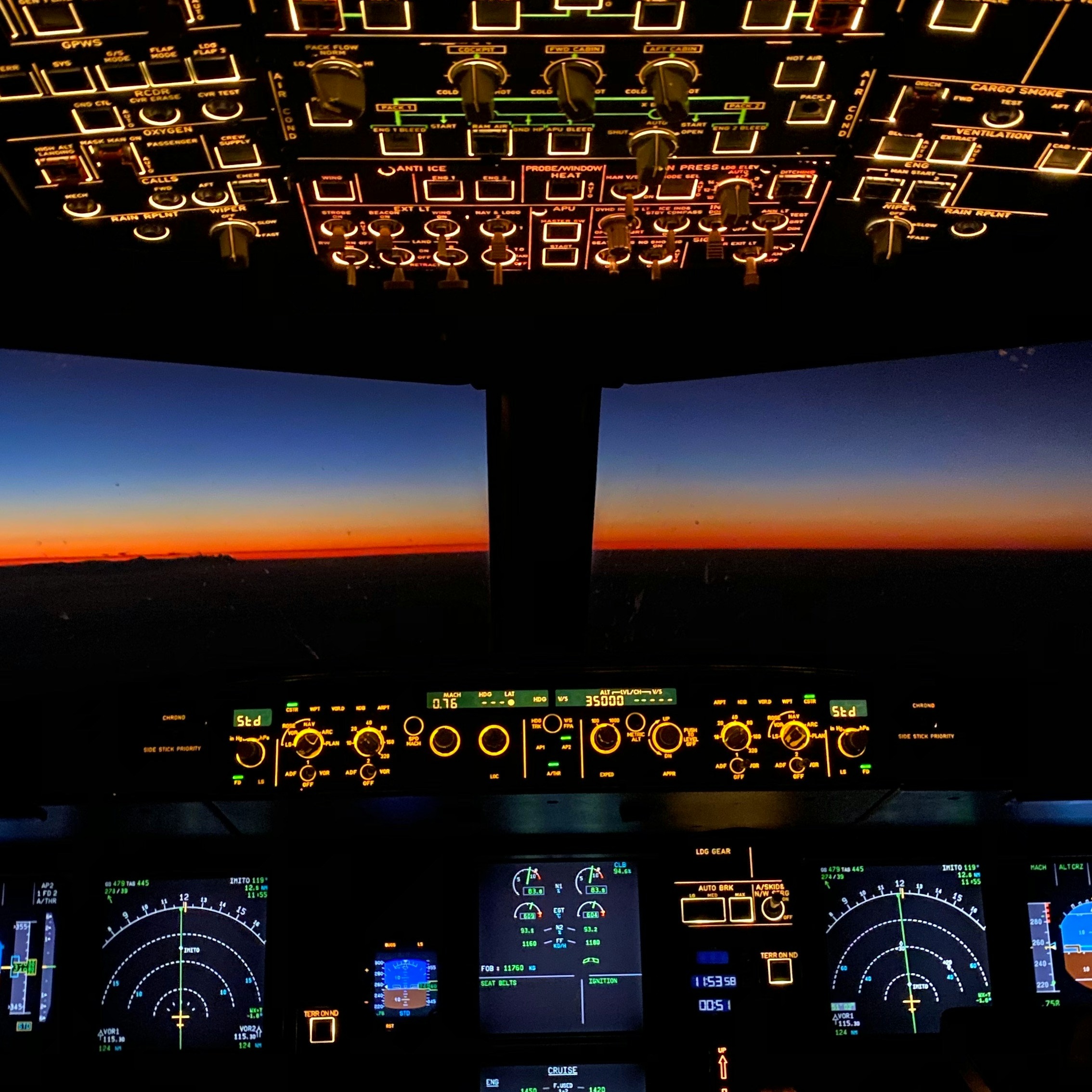
Airbus avionics represent the sophisticated electronic systems that serve as the nerve center of modern Airbus aircraft, integrating flight control, navigation, communication, and monitoring technologies into a cohesive operational framework. These advanced systems encompass flight management computers, autopilot functions, navigation displays, communication radios, weather radar, and terrain awareness systems that work seamlessly together. Airbus avionics are designed with redundancy and reliability at their core, ensuring safe operation under all flight conditions while providing pilots with intuitive interfaces and real-time data. The systems incorporate cutting-edge digital technology, including fly-by-wire controls that translate pilot inputs into optimized aircraft responses, and glass cockpit displays that present critical information clearly and efficiently. Modern airbus avionics feature integrated modular avionics architecture, allowing for easier maintenance, upgrades, and troubleshooting compared to traditional federated systems. These systems support enhanced situational awareness through synthetic vision, traffic collision avoidance, and advanced weather detection capabilities. The technological backbone includes dual or triple redundant computers, advanced sensors, and sophisticated software algorithms that continuously monitor aircraft performance and system health. Airbus avionics enable precision navigation using GPS, inertial reference systems, and radio navigation aids, while communication systems facilitate seamless interaction with air traffic control and airline operations centers. The application scope spans commercial aviation, cargo transport, and specialized missions, with scalable solutions adapted for aircraft ranging from narrow-body A220 models to wide-body A380 and military variants, making airbus avionics essential for modern aviation safety and efficiency.





 EN