Avionics Airbus Systems & Solutions

application/avionics-airbus, application/avionics-airbus, 
Inquiry
Inquiry

avionics airbus

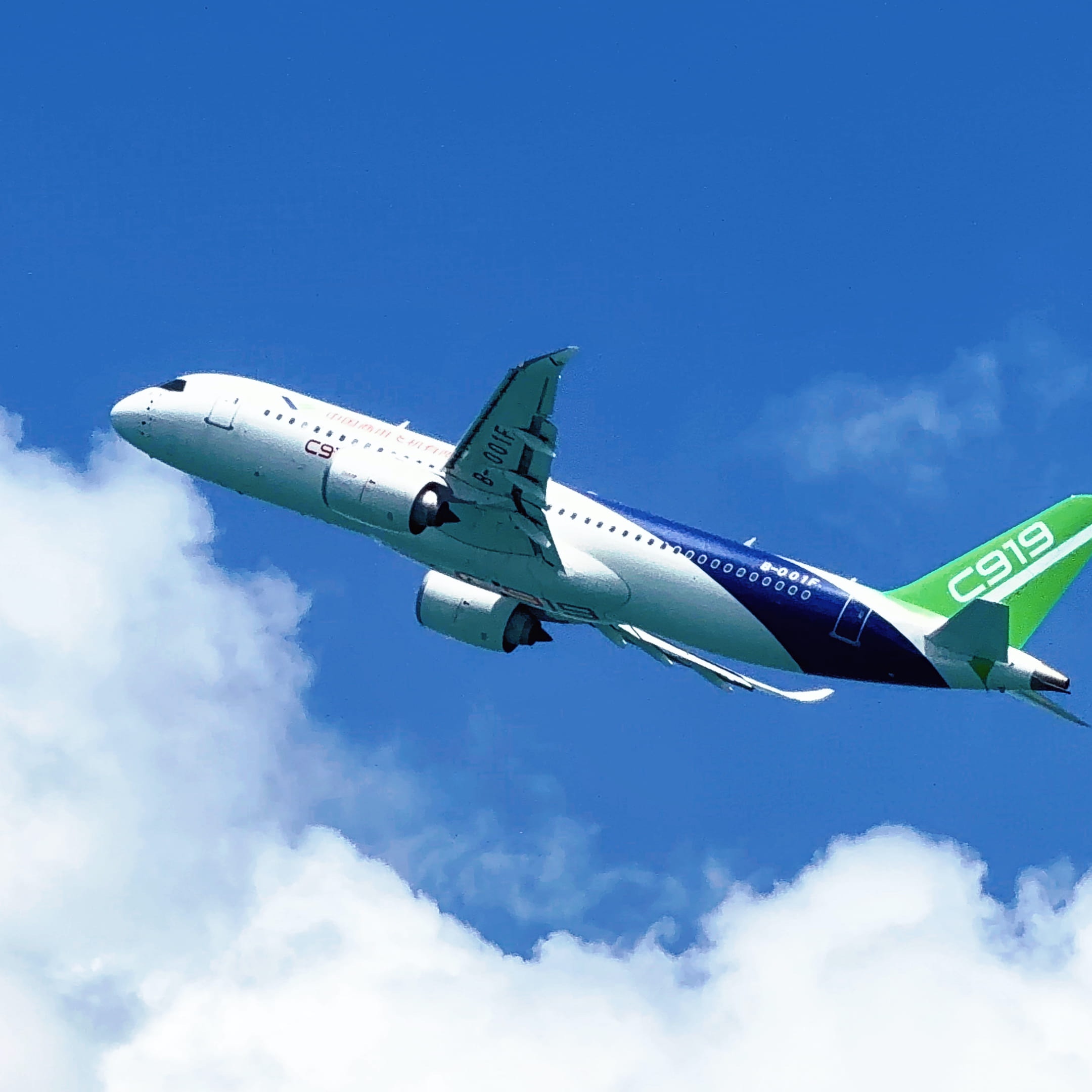
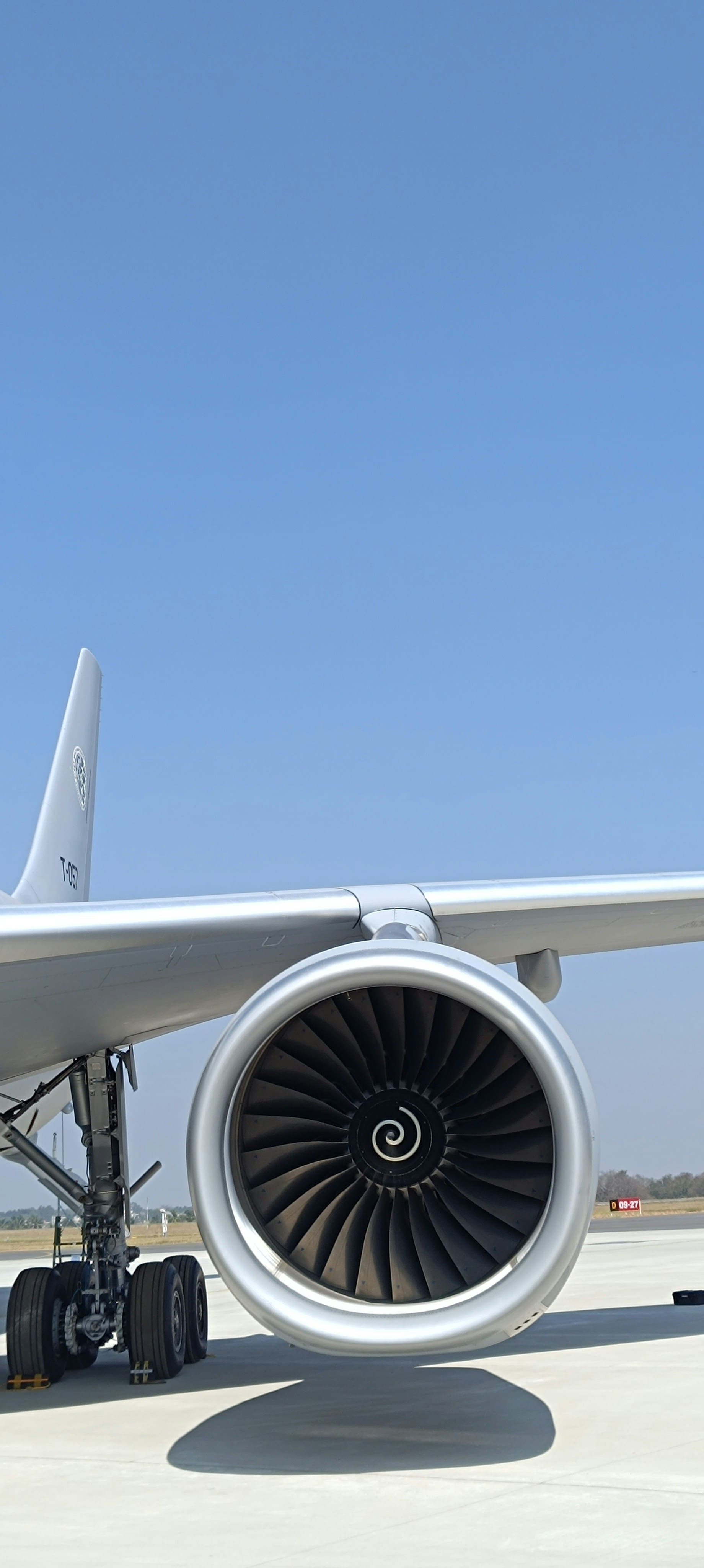
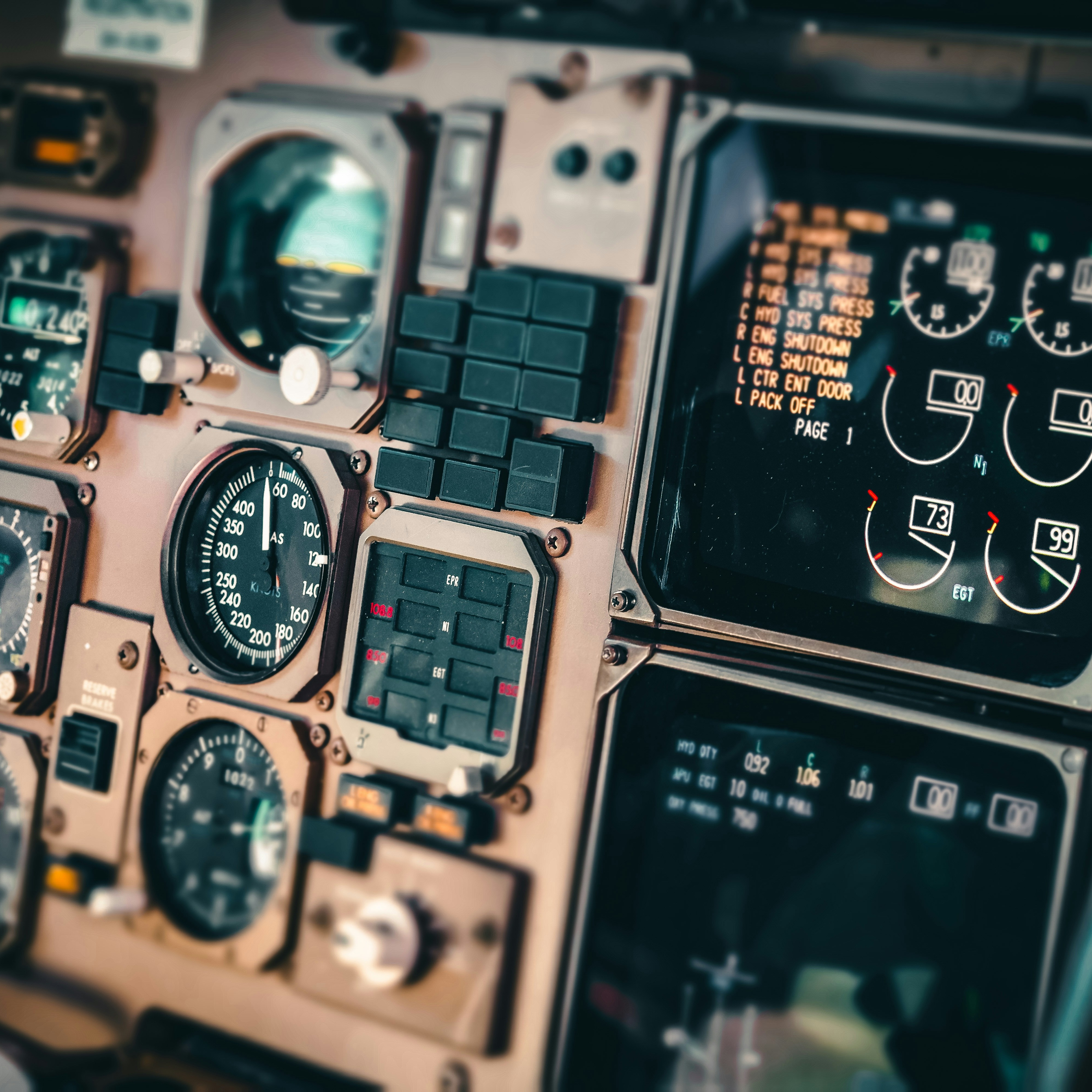
Avionics Airbus represents a comprehensive suite of advanced electronic systems that power and manage the operation of Airbus aircraft. These sophisticated avionics systems encompass flight management computers, navigation equipment, communication devices, monitoring systems, and digital displays that work seamlessly together to ensure safe and efficient flight operations. The avionics Airbus architecture integrates cutting-edge technology including fly-by-wire controls, enhanced vision systems, and automated flight guidance that revolutionize how pilots interact with aircraft. Main functions include precise navigation through satellite-based GPS systems, real-time weather radar monitoring, terrain awareness warning systems, and automated collision avoidance protocols. The technological features of avionics Airbus include modular design for easy maintenance, redundant system architecture for enhanced safety, and intuitive glass cockpit displays that present critical flight information clearly. These systems support both short-haul and long-haul operations across the entire Airbus family, from the A220 to the A380. Applications extend beyond commercial aviation to include cargo operations, military transport, and specialized missions. The avionics Airbus platform continuously evolves with regular software updates and hardware enhancements that improve performance, reduce pilot workload, and maintain compliance with evolving aviation regulations. This integrated approach ensures that airlines benefit from reduced training costs, improved dispatch reliability, and optimized fuel efficiency throughout their fleet operations.

New Products

The avionics Airbus delivers substantial practical benefits that directly impact your bottom line and operational efficiency. Airlines experience significant cost savings through reduced fuel consumption, as the flight management systems calculate optimal routes and altitudes automatically. The intuitive interface reduces pilot training time by up to thirty percent compared to older systems, allowing crews to transition between different Airbus models quickly and confidently. This commonality across the fleet means your pilots can operate multiple aircraft types with minimal additional certification requirements, maximizing scheduling flexibility and reducing training expenses. Operational benefits include enhanced dispatch reliability, with built-in diagnostics that identify potential issues before they cause delays or cancellations. The avionics Airbus provides real-time system health monitoring that alerts maintenance teams proactively, enabling predictive maintenance strategies that minimize unscheduled downtime. Safety improvements are remarkable, with automated systems that provide multiple layers of protection against controlled flight into terrain, mid-air collisions, and weather-related hazards. The digital displays present information clearly, reducing pilot workload during critical phases of flight and allowing better decision-making under pressure. Application suitability spans diverse operating environments, from congested urban airports to remote destinations with limited ground infrastructure. The systems adapt seamlessly to different regulatory requirements across global markets, ensuring compliance wherever you fly. Decision-makers appreciate the long-term value proposition, as the modular architecture allows incremental upgrades without replacing entire systems. This future-proof design protects your investment while keeping your fleet technologically current. The avionics Airbus ultimately delivers measurable improvements in safety records, operational efficiency, and passenger satisfaction that strengthen your competitive position in the market.

Tips And Tricks

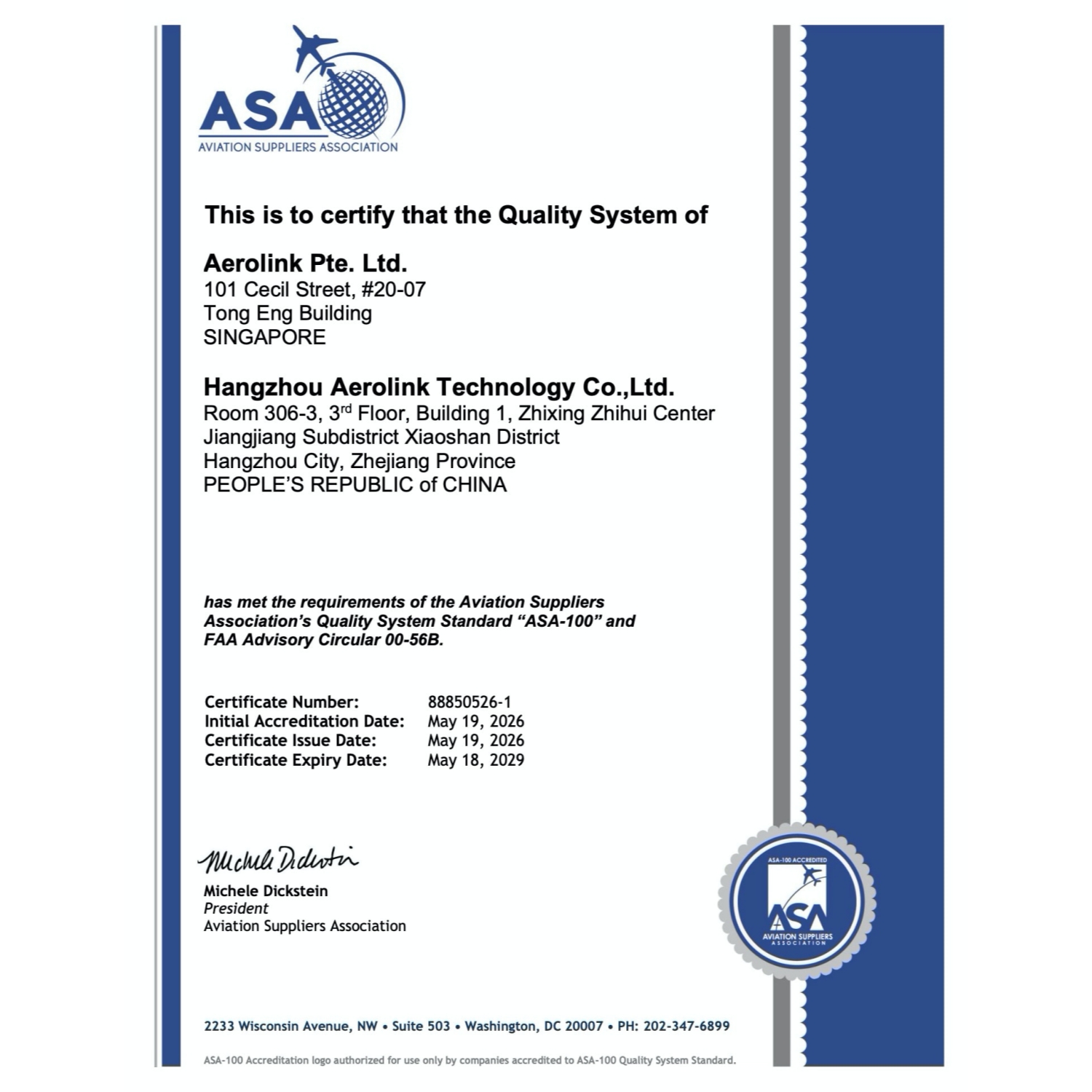
AeroLink Successfully Obtains ASA-100 and CAMAC Aviation Material Distributor Certifications

16

Jun

AeroLink Successfully Obtains ASA-100 and CAMAC Aviation Material Distributor Certifications

View More
AeroLink Team Participates in Singapore Airshow to Strengthen Global Aviation Industry Cooperation

16

Jun

AeroLink Team Participates in Singapore Airshow to Strengthen Global Aviation Industry Cooperation

View More
Sourcing Certified GSE Spares with Traceability

15

Sep

Sourcing Certified GSE Spares with Traceability

Struggling with aviation compliance risks? Source certified GSE spares with end-to-end traceability to ensure AS9100/ISO 9001 compliance. Download best practices now.
View More
Advanced Fly-By-Wire Technology

Advanced Fly-By-Wire Technology

The avionics Airbus incorporates industry-leading fly-by-wire technology that fundamentally transforms aircraft control and safety. Unlike traditional mechanical linkages, this electronic flight control system interprets pilot inputs through sophisticated computers that apply flight envelope protection automatically. The system prevents pilots from inadvertently exceeding aircraft limitations, such as maximum bank angles or critical angles of attack, even during emergency situations. This intelligent protection has dramatically reduced accident rates while maintaining full pilot authority when needed. The fly-by-wire architecture reduces aircraft weight significantly by eliminating heavy mechanical components, contributing to improved fuel efficiency and lower operating costs. Maintenance requirements decrease substantially as electronic systems require less frequent inspection than mechanical cables and pulleys. The technology enables smoother flight characteristics, reducing passenger discomfort during turbulence and enhancing overall travel experience. Pilots benefit from consistent handling qualities across all flight conditions, with the avionics Airbus automatically adjusting control responses based on speed, altitude, and configuration. This standardization simplifies training and improves safety margins throughout your operations.
Integrated Modular Avionics Architecture

Integrated Modular Avionics Architecture

The modular design philosophy behind avionics Airbus systems delivers unmatched flexibility and maintainability for operators worldwide. Rather than using dedicated hardware for each function, the integrated modular avionics consolidate multiple applications onto shared computing platforms. This approach reduces the number of physical components in the cockpit, lowering weight, power consumption, and cooling requirements substantially. When technical issues arise, maintenance crews can quickly replace standardized modules without extensive troubleshooting or specialized tools, minimizing aircraft-on-ground time and improving dispatch reliability. The architecture supports seamless software updates that add new capabilities or enhance existing functions without hardware changes, protecting your technology investment over decades of service. Airlines benefit from reduced spare parts inventory requirements, as common modules serve multiple functions across different aircraft types. The avionics Airbus modular platform also simplifies certification of new features, as regulatory authorities can approve software changes more efficiently than hardware modifications. This design enables rapid implementation of safety improvements and operational enhancements as they become available, keeping your fleet at the forefront of aviation technology throughout its operational lifetime.
Enhanced Situational Awareness Systems

Enhanced Situational Awareness Systems

Modern avionics Airbus platforms feature comprehensive situational awareness tools that provide pilots with unprecedented understanding of their operational environment. The synthetic vision system generates three-dimensional terrain displays even in zero visibility conditions, showing mountains, obstacles, and runways with remarkable clarity on primary flight displays. This technology dramatically improves safety during approaches to challenging airports and reduces weather-related diversions. Traffic collision avoidance systems automatically detect nearby aircraft and provide resolution advisories that coordinate with other equipped aircraft to ensure safe separation. Weather radar with predictive windshear detection alerts crews to hazardous conditions ahead, allowing timely route adjustments that improve passenger comfort and safety. The avionics Airbus integrates all available information sources, including satellite weather data, air traffic control communications, and onboard sensors, into coherent displays that reduce pilot workload significantly. Enhanced ground proximity warning systems provide advance notice of terrain conflicts with sophisticated algorithms that minimize false alerts while maintaining reliable protection. These situational awareness capabilities enable confident operations in demanding environments, expanding your network possibilities and improving schedule reliability across all weather conditions and operational scenarios.