aerospace avionics
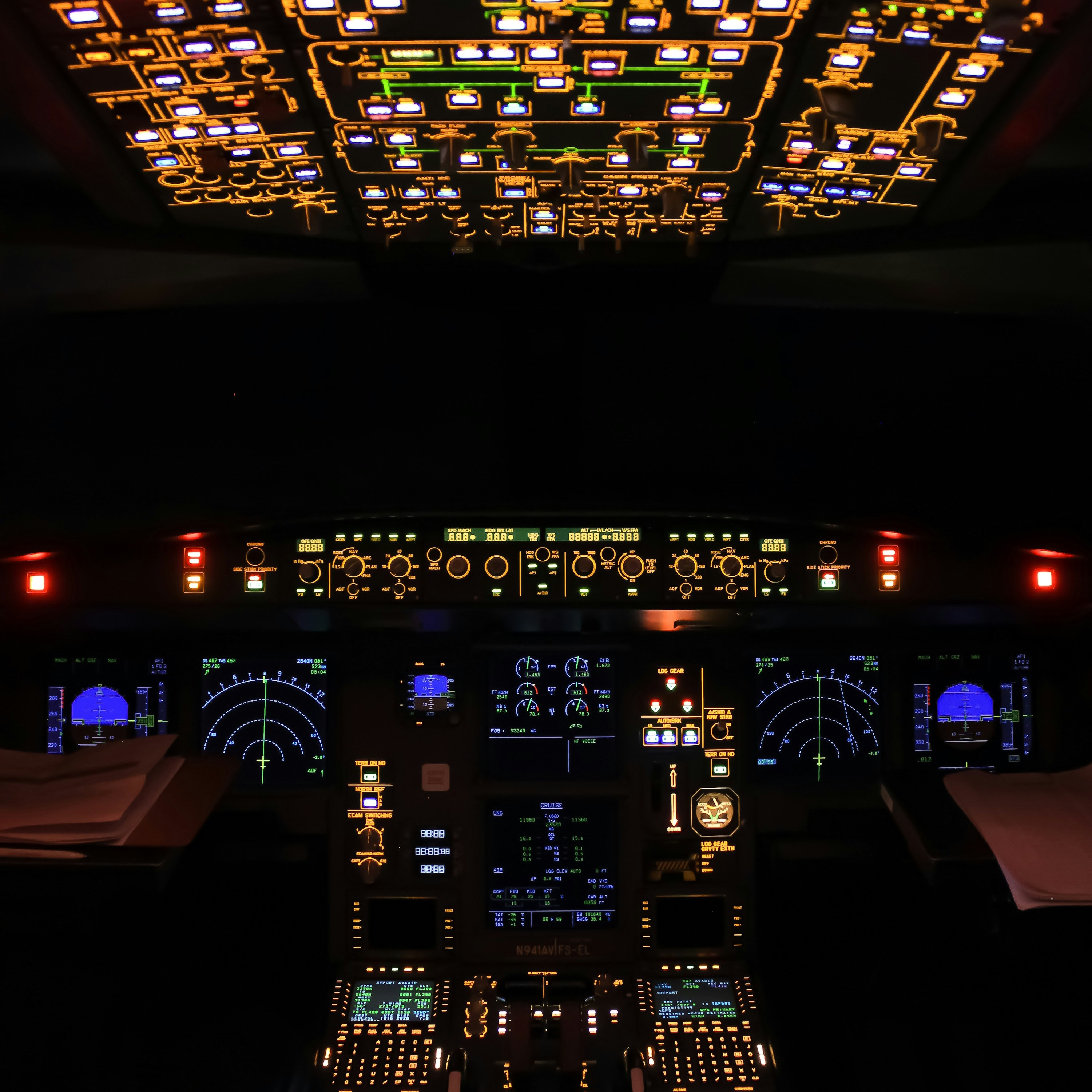
Aerospace avionics represent the comprehensive electronic systems that enable modern aircraft to navigate, communicate, and operate safely across all flight conditions. These sophisticated systems integrate flight control computers, navigation instruments, communication equipment, weather radar, collision avoidance technology, and automated flight management capabilities into unified platforms. Aerospace avionics transform raw sensor data into actionable information that pilots and automated systems use for critical decision-making throughout every phase of flight operations. The technological features of aerospace avionics include real-time data processing, redundant system architectures for enhanced safety, digital communication protocols, and sensor fusion capabilities that combine inputs from multiple sources. Modern aerospace avionics utilize advanced microprocessors, solid-state components, and software-defined architectures that provide flexibility for upgrades and modifications. These systems support essential functions including autopilot operation, terrain awareness, traffic monitoring, engine performance management, and comprehensive flight data recording. Applications span commercial aviation, military aircraft, business jets, helicopters, unmanned aerial vehicles, and spacecraft. Aerospace avionics enable precision approaches in low visibility, optimize fuel consumption during cruise, coordinate complex mission profiles, and provide situational awareness that significantly enhances operational safety. The integration of aerospace avionics with ground-based infrastructure creates seamless air traffic management, while onboard networking allows different avionic components to share information efficiently, reducing weight and complexity compared to traditional standalone systems.




 EN