Premium Avionics Parts for Modern Aircraft

application/avionics-parts, application/avionics-parts, 
Inquiry
Inquiry

avionics parts

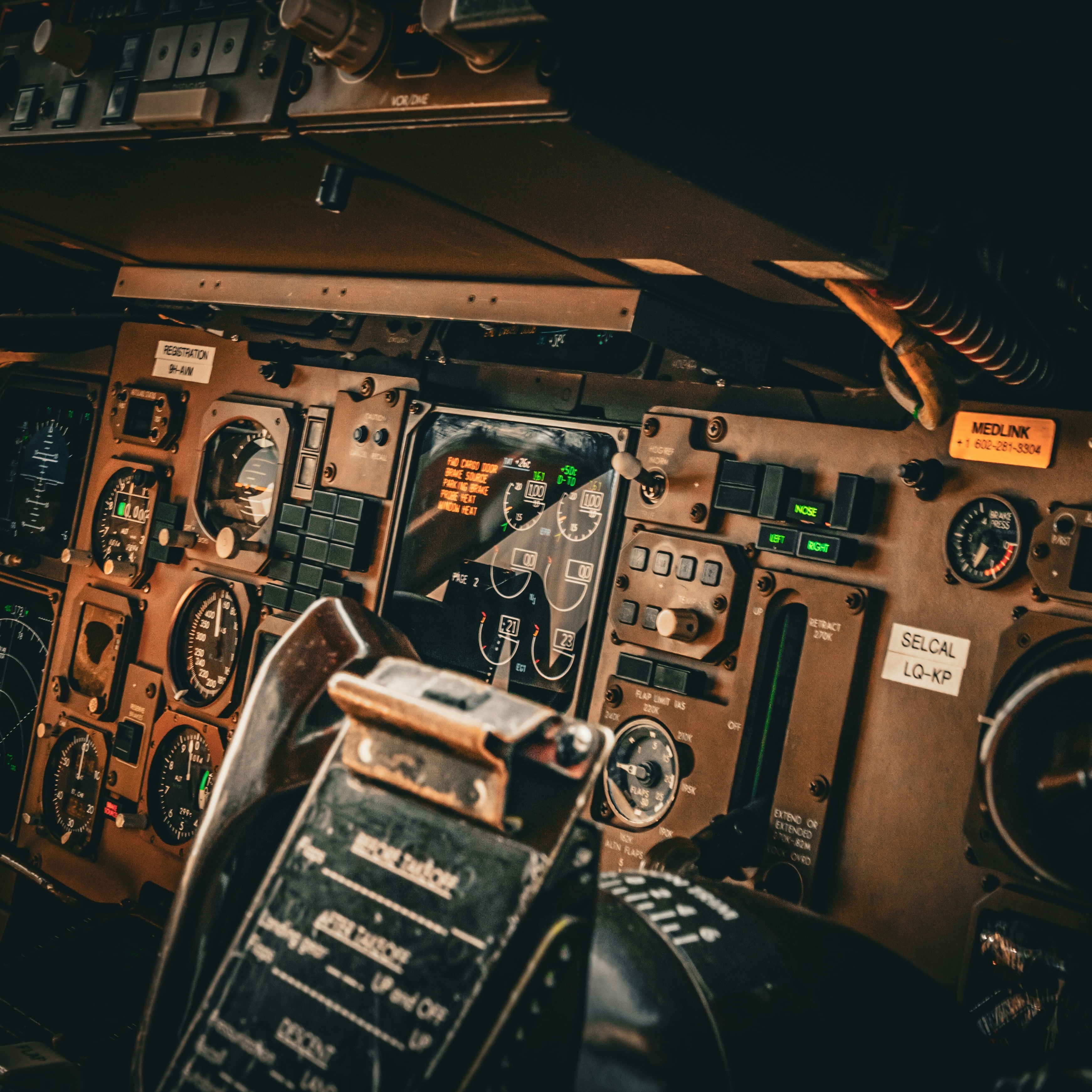
Avionics parts are essential electronic components and systems that power modern aircraft navigation, communication, and flight management operations. These sophisticated components include flight control computers, navigation displays, communication radios, weather radar systems, autopilot modules, and sensor arrays that work together to ensure safe and efficient flight operations. Avionics parts serve as the technological backbone of both commercial airliners and private aircraft, enabling pilots to navigate accurately, communicate effectively with air traffic control, and monitor critical flight parameters in real time. The primary functions of avionics parts encompass automated flight guidance, terrain awareness, collision avoidance, engine performance monitoring, and integrated cockpit displays that present crucial information to flight crews. Modern avionics parts incorporate advanced technologies such as satellite-based navigation systems, digital communication protocols, solid-state electronics, and redundant safety architectures that meet stringent aviation certification standards. These components are designed to operate reliably under extreme environmental conditions including temperature fluctuations, vibration, electromagnetic interference, and altitude variations. Applications for avionics parts span across commercial aviation, military aircraft, business jets, helicopters, and unmanned aerial vehicles, with each sector requiring specialized configurations tailored to specific operational requirements. The continuous evolution of avionics parts drives improvements in flight safety, fuel efficiency, operational capabilities, and pilot workload reduction across the global aviation industry.


New Product Releases

Investing in quality avionics parts delivers substantial operational benefits that directly impact flight safety, efficiency, and long-term cost management for aircraft operators. These components enhance situational awareness by providing pilots with accurate, real-time information about aircraft position, weather conditions, nearby traffic, and potential hazards, enabling better decision-making during all flight phases. Modern avionics parts reduce pilot workload through automation features that handle routine tasks, allowing crews to focus on critical flight management and emergency response when needed. The reliability of certified avionics parts minimizes unscheduled maintenance events and reduces aircraft downtime, translating to improved dispatch reliability and revenue protection for commercial operators. Fuel efficiency improvements result from precise navigation capabilities and optimized flight path management enabled by advanced avionics parts, delivering measurable cost savings over the aircraft lifecycle. Compliance with evolving regulatory requirements becomes manageable when operators select avionics parts that meet current and anticipated certification standards, protecting their investment against premature obsolescence. The integration capabilities of modern avionics parts allow seamless communication between different aircraft systems, creating a unified cockpit environment that enhances operational efficiency and reduces training complexity for flight crews. Buyers gain decision-useful value through standardized interfaces, proven reliability records, comprehensive manufacturer support, and broad compatibility with existing aircraft platforms. Application suitability varies across different aircraft types, with avionics parts available in configurations optimized for specific missions, from basic VFR operations to complex all-weather commercial flights. The practical benefits extend to improved passenger safety, enhanced operational flexibility, regulatory compliance assurance, and measurable return on investment through reduced operating costs and extended service intervals.

Latest News

Cost-Effective Procurement Strategies for Tools

15

Sep

Cost-Effective Procurement Strategies for Tools

Cut tool costs by 15–25% with proven procurement strategies: TCO analysis, supplier consolidation, preventive maintenance & tech-enabled management. Optimize value—start now.
View More
Sourcing Certified Aerospace Tools with Ease

15

Sep

Sourcing Certified Aerospace Tools with Ease

Struggling with FAA/EASA-compliant tool procurement? Discover how to source certified aerospace tools fast. Download the full guide now.
View More
Cost-Effective GSE Solutions for Busy Airfields

15

Sep

Cost-Effective GSE Solutions for Busy Airfields

Cut GSE costs by 15–30% without sacrificing safety. Discover preventive maintenance, energy-efficient upgrades & right-sizing strategies. Get your free fleet assessment.
View More
Selecting Reliable GSE to Improve Ground Ops

15

Sep

Selecting Reliable GSE to Improve Ground Ops

Struggling with aircraft delays? Discover how choosing reliable GSE vendors improves turnaround time. Get your free vendor evaluation checklist.
View More
Advanced Navigation Precision and Safety Features

Advanced Navigation Precision and Safety Features

Modern avionics parts incorporate cutting-edge satellite navigation technology that provides unprecedented positioning accuracy and reliability for all flight operations. These systems integrate GPS, GLONASS, and Galileo satellite constellations to deliver precise three-dimensional positioning data with accuracy measured in meters rather than miles, enabling aircraft to navigate along optimized flight paths and execute precision approaches in challenging weather conditions. The safety value of these avionics parts extends beyond basic navigation, incorporating terrain awareness and warning systems that continuously compare aircraft position against detailed terrain databases to alert crews of potential ground collision risks. Traffic collision avoidance systems embedded within avionics parts actively monitor surrounding airspace, identify potential conflicts with other aircraft, and provide resolution advisories that help pilots maintain safe separation. Enhanced vision systems available in advanced avionics parts use infrared sensors to provide pilots with clear visibility of runways and obstacles during low-visibility operations, significantly improving safety margins during critical approach and landing phases. The reliability of these navigation avionics parts stems from redundant design architectures, continuous self-monitoring functions, and rigorous testing protocols that ensure consistent performance across the operational envelope.
Integrated Communication and Data Management

Integrated Communication and Data Management

Contemporary avionics parts deliver seamless communication capabilities that connect aircraft with ground facilities, other aircraft, and satellite networks through multiple frequency bands and digital protocols. These communication avionics parts support voice transmissions on VHF and HF frequencies while simultaneously handling data link messages that exchange flight plan updates, weather information, and operational instructions without voice channel congestion. The integration of communication avionics parts with flight management systems enables automatic position reporting, controller-pilot data link communications, and real-time weather updates that enhance operational efficiency and safety. Satellite communication capabilities built into modern avionics parts provide global connectivity regardless of aircraft location, ensuring continuous contact with dispatch operations and enabling passenger connectivity services that enhance the travel experience. Data management functions within avionics parts automatically log flight parameters, system health information, and operational events, creating valuable records for maintenance planning, operational analysis, and regulatory compliance documentation. The digital architecture of communication avionics parts reduces electromagnetic interference, improves signal clarity, and enables future capability upgrades through software updates rather than hardware replacements, protecting operator investments over extended service periods.
Reliability and Certification Compliance Excellence

Reliability and Certification Compliance Excellence

Quality avionics parts undergo exhaustive testing and certification processes that verify performance, safety, and reliability under all anticipated operating conditions before entering commercial service. Manufacturers of certified avionics parts must demonstrate compliance with rigorous standards established by aviation authorities, including DO-160 environmental testing, DO-178 software verification, and TSO certification requirements that ensure consistent performance across temperature extremes, vibration profiles, electromagnetic environments, and altitude conditions. The reliability engineering embedded in avionics parts incorporates redundant processing channels, independent power supplies, and fault-tolerant architectures that maintain critical functionality even when individual components experience failures. Mean time between failure statistics for modern avionics parts typically measure in tens of thousands of operating hours, reflecting the advanced materials, quality manufacturing processes, and proven design methodologies employed by leading suppliers. Certification compliance built into avionics parts provides operators with regulatory approval assurance, simplifying installation processes and supporting continued airworthiness throughout the aircraft lifecycle. Ongoing manufacturer support for certified avionics parts includes technical documentation, maintenance training, software updates, and component repair services that maximize system availability and protect the substantial investment operators make in cockpit technology.