Aircraft Avionics System - Advanced Flight Technology

application/aircraft-avionics-system, application/aircraft-avionics-system, 
Inquiry
Inquiry

aircraft avionics system

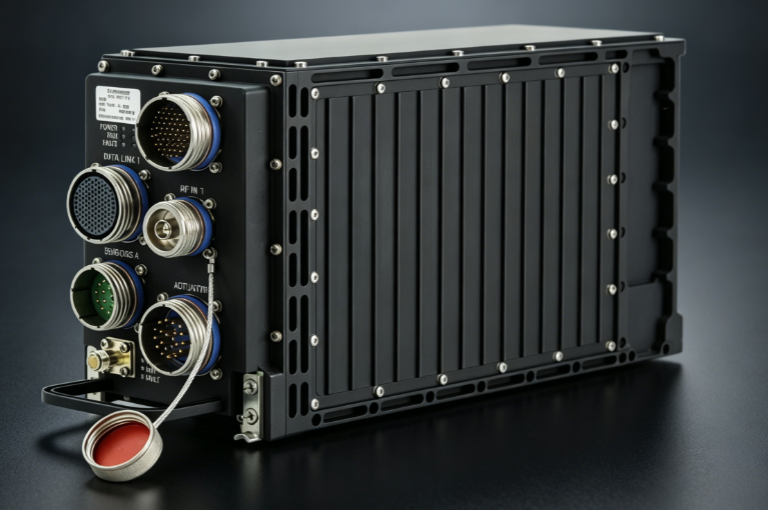
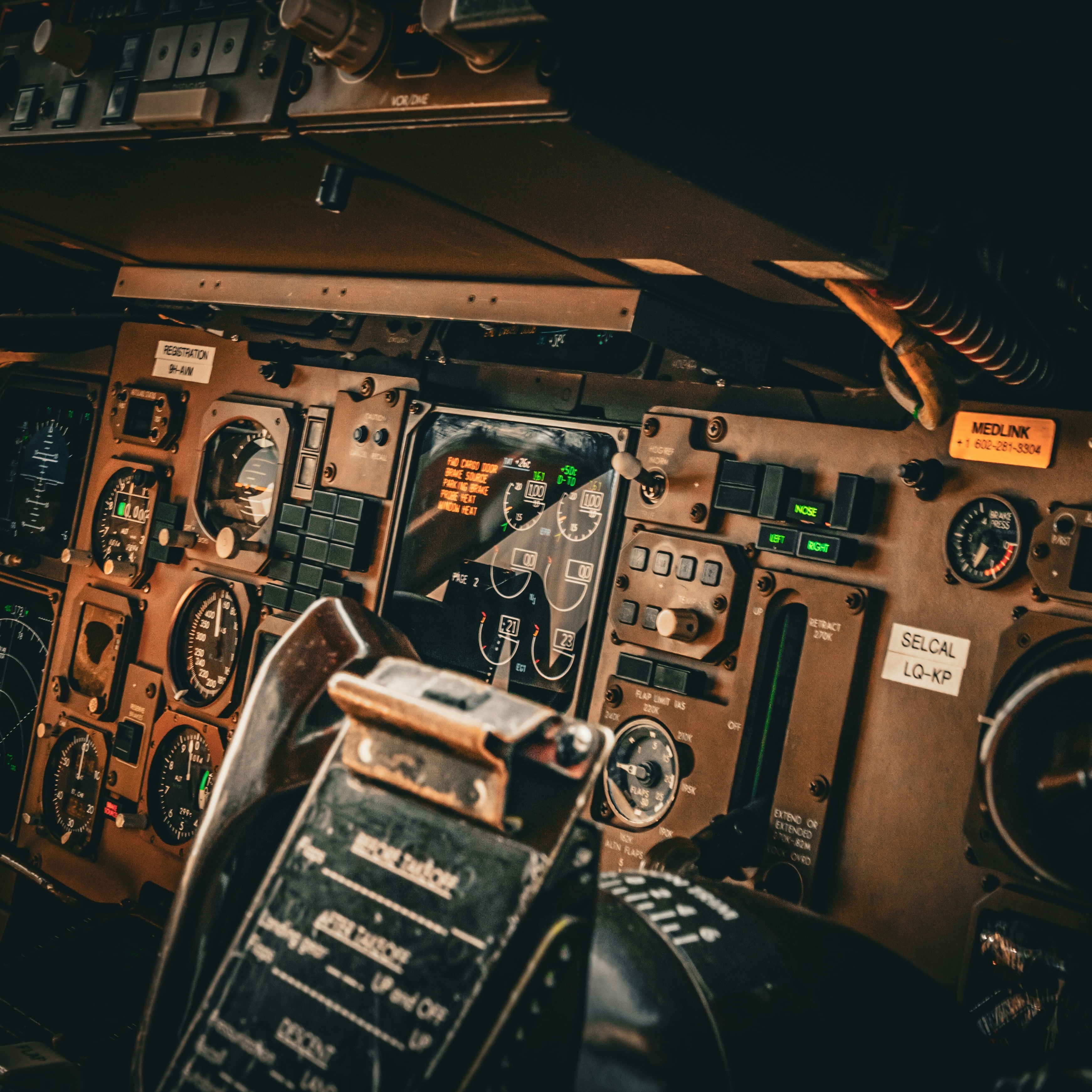
An aircraft avionics system represents the comprehensive electronic infrastructure that powers modern aviation, integrating communication, navigation, monitoring, and control technologies into a unified platform. This sophisticated aircraft avionics system encompasses flight management computers, cockpit displays, autopilot mechanisms, radar systems, weather detection equipment, and collision avoidance technology. These integrated components work seamlessly to enhance flight safety, optimize operational efficiency, and provide pilots with real-time situational awareness throughout every phase of flight operations. The aircraft avionics system serves as the central nervous system of contemporary aircraft, processing vast amounts of data from multiple sensors and presenting critical information in an intuitive format. From commercial airliners to private jets and military aircraft, this technology has become indispensable for safe navigation through increasingly congested airspace. Modern implementations feature digital displays, touch-screen interfaces, and advanced computing capabilities that transform raw data into actionable intelligence. The aircraft avionics system also facilitates precise GPS navigation, automated flight path management, and enhanced communication with air traffic control stations worldwide. These systems continuously monitor aircraft performance parameters, engine health, fuel consumption, and environmental conditions, enabling proactive maintenance and operational adjustments that maximize safety margins and operational effectiveness across diverse flying conditions.


New Product Recommendations

Investing in a modern aircraft avionics system delivers substantial practical benefits that directly impact your operational success and safety outcomes. First, these systems dramatically reduce pilot workload by automating routine tasks and consolidating information from multiple sources into clear, easy-to-read displays, allowing flight crews to focus on critical decision-making rather than instrument monitoring. This automation translates into fewer human errors and significantly improved safety records across all flight operations. Second, an advanced aircraft avionics system enhances fuel efficiency through optimized flight path calculations, precise speed management, and real-time weather avoidance, resulting in measurable cost savings on every flight and reduced environmental impact. Third, maintenance becomes more predictive and less reactive, as the system continuously monitors component health and alerts operators to potential issues before they become serious problems, minimizing unexpected downtime and repair expenses. Fourth, regulatory compliance becomes streamlined because modern systems automatically log required data, generate necessary reports, and ensure adherence to airspace restrictions and communication protocols. Fifth, enhanced situational awareness provided by the aircraft avionics system gives pilots comprehensive visibility of surrounding traffic, terrain, weather patterns, and airport information, enabling confident decision-making in challenging conditions. The return on investment becomes evident through reduced insurance premiums, improved resale value, lower operational costs, and enhanced passenger confidence. Whether operating commercial routes, private charters, or specialized missions, upgrading to a contemporary aircraft avionics system positions your operation for long-term competitiveness while meeting evolving safety standards and customer expectations in an increasingly technology-driven aviation environment.

Practical Tips

Selecting Reliable GSE to Improve Ground Ops

15

Sep

Selecting Reliable GSE to Improve Ground Ops

Struggling with aircraft delays? Discover how choosing reliable GSE vendors improves turnaround time. Get your free vendor evaluation checklist.
View More
Sourcing Verified Plane Engine Components Fast

15

Sep

Sourcing Verified Plane Engine Components Fast

Struggling with aircraft downtime? Discover proven strategies to source verified plane engine components rapidly—without compromising safety or compliance. Get started today.
View More
Maximizing APU Reliability via Better Sourcing

15

Sep

Maximizing APU Reliability via Better Sourcing

Struggling with APU downtime and costly unscheduled maintenance? Discover how certified sourcing and traceability slash failure rates. Optimize your aircraft reliability now.
View More
Essential Avio Procurement Advice for Operators

15

Sep

Essential Avio Procurement Advice for Operators

Struggling with aircraft downtime or compliance risks? This essential avio procurement guide helps operators optimize sourcing. Download your strategy blueprint now.
View More
Integrated Flight Management and Navigation Precision

Integrated Flight Management and Navigation Precision

The aircraft avionics system delivers unparalleled flight management capabilities through integrated navigation technology that combines GPS positioning, inertial reference systems, and ground-based navigation aids into a single cohesive platform. This integration ensures continuous position awareness with accuracy measured in meters rather than miles, enabling precise approaches to airports in low visibility conditions and efficient routing that saves time and fuel. The system automatically calculates optimal flight paths considering wind conditions, restricted airspace, and fuel requirements while continuously updating routes based on real-time information. Pilots benefit from graphical flight plan displays that show their exact position relative to waypoints, airports, and terrain features, eliminating navigation uncertainty. The advanced algorithms within the aircraft avionics system also provide vertical navigation guidance, ensuring smooth climbs and descents that maximize passenger comfort while adhering to air traffic control clearances. This comprehensive navigation solution reduces pilot workload during critical flight phases, enhances operational flexibility, and provides the foundation for all-weather operations that keep your aircraft productive regardless of environmental challenges.
Enhanced Safety Through Predictive Alert Systems

Enhanced Safety Through Predictive Alert Systems

Safety advantages of the aircraft avionics system extend far beyond basic instrumentation through sophisticated predictive alert mechanisms that actively monitor potential threats and provide timely warnings before situations become critical. The terrain awareness and warning system continuously compares aircraft position and trajectory against detailed terrain databases, alerting pilots to potential ground proximity hazards with sufficient time for corrective action. Traffic collision avoidance technology within the aircraft avionics system monitors surrounding airspace, identifies conflicting traffic, and recommends specific avoidance maneuvers when necessary. Weather radar integration provides real-time visualization of precipitation, turbulence, and storm cells along the flight path, enabling proactive route adjustments that maintain passenger comfort and aircraft structural integrity. The system also monitors aircraft systems health, alerting crews to abnormal engine parameters, electrical anomalies, or hydraulic issues before they escalate into emergency situations. These layered safety features work simultaneously, creating multiple protective barriers that significantly reduce accident risk. For operators, this translates into improved safety records, reduced insurance costs, and enhanced reputation within the aviation community while providing peace of mind for passengers and crew members alike.
Streamlined Communication and Regulatory Compliance

Streamlined Communication and Regulatory Compliance

Modern aircraft avionics system technology revolutionizes communication efficiency and regulatory compliance through automated data management and integrated communication protocols. The system handles multiple communication channels simultaneously, including voice communications with air traffic control, digital datalink messaging, and automatic position reporting required for oceanic and remote area operations. This automation ensures pilots maintain constant connectivity without manual frequency management or communication protocol concerns. The aircraft avionics system automatically logs all required flight data, including departure and arrival times, route adherence, altitude profiles, and system performance metrics, creating comprehensive records that satisfy regulatory requirements without additional crew workload. Automatic dependent surveillance broadcast functionality continuously transmits aircraft position and velocity information to air traffic control and nearby aircraft, enhancing overall airspace safety and enabling more efficient traffic management. For operators managing multiple aircraft, the system facilitates fleet monitoring and performance analysis through downloadable flight data that supports operational optimization and training programs. The compliance benefits extend to maintenance tracking, as the aircraft avionics system records system usage hours and cycles, ensuring timely inspections and component replacements that maintain airworthiness certification while minimizing administrative burden on maintenance personnel.