Advanced Avionics Solutions for Modern Aviation

application/advanced-avionics-solutions, application/advanced-avionics-solutions, 
Inquiry
Inquiry

advanced avionics solutions

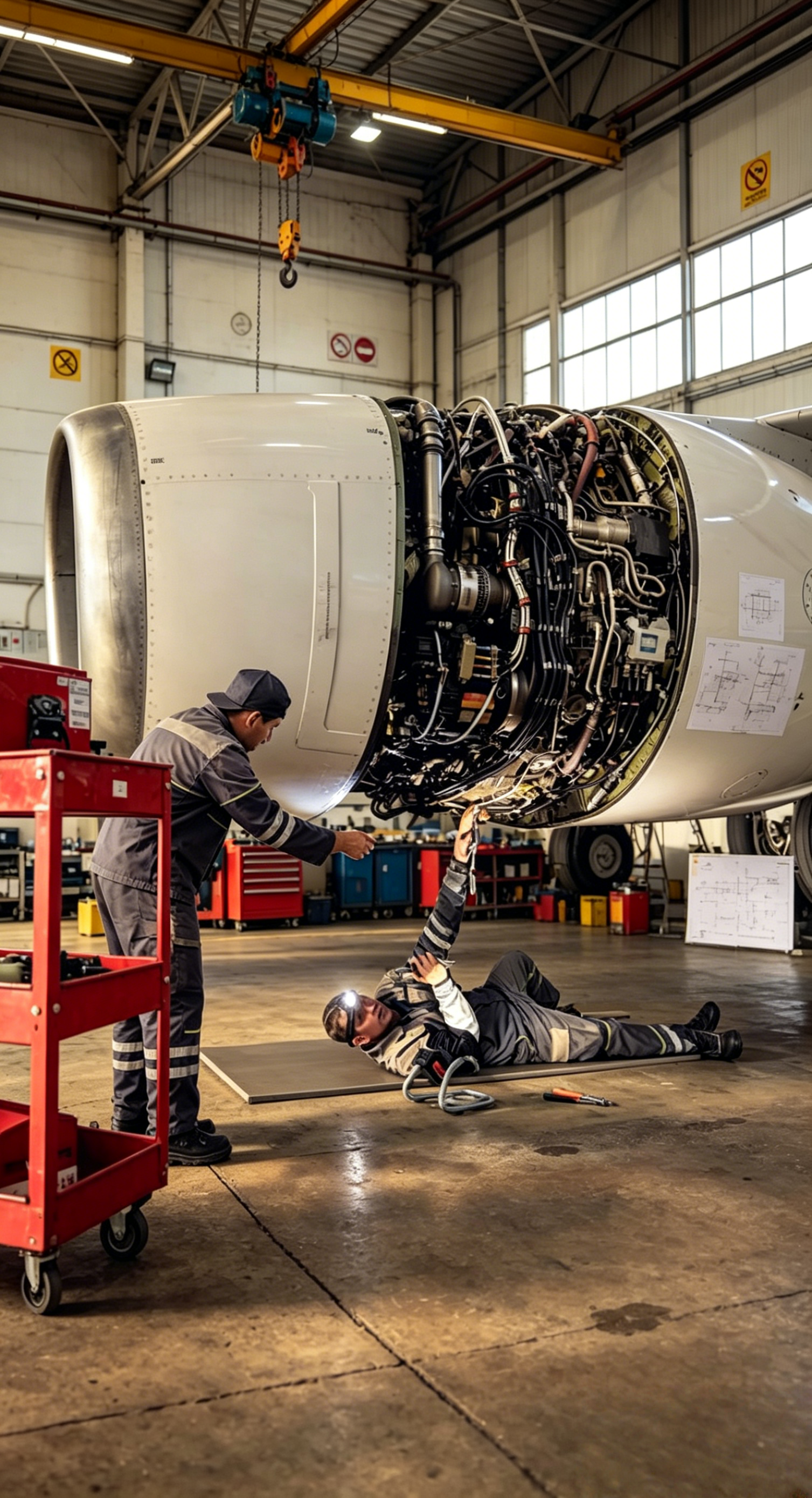
Advanced avionics solutions represent cutting-edge electronic systems designed to enhance aircraft performance, safety, and operational efficiency. These sophisticated technologies integrate navigation, communication, monitoring, and flight management capabilities into unified platforms that serve both commercial and military aviation sectors. Modern advanced avionics solutions encompass flight control systems, autopilot mechanisms, weather radar, collision avoidance technology, and digital cockpit displays that provide pilots with real-time critical information. The main functions include precise navigation through GPS and inertial systems, automated flight path management, terrain awareness, traffic monitoring, and comprehensive system diagnostics. Technological features of advanced avionics solutions incorporate high-resolution touchscreen interfaces, synthetic vision systems, datalink communications, and integrated sensor fusion that combines multiple data sources for enhanced situational awareness. These systems utilize redundant architectures to ensure continued operation even during component failures, meeting stringent safety standards required by aviation authorities worldwide. Applications span across various aircraft categories including commercial airliners, business jets, helicopters, unmanned aerial vehicles, and military fighter aircraft. Advanced avionics solutions also extend to retrofit programs that modernize legacy aircraft with contemporary technology, extending operational lifespan while improving compliance with evolving airspace regulations. The integration of artificial intelligence and predictive maintenance algorithms represents the latest evolution, enabling proactive system management and reducing unscheduled downtime for operators across the global aviation industry.

New Products

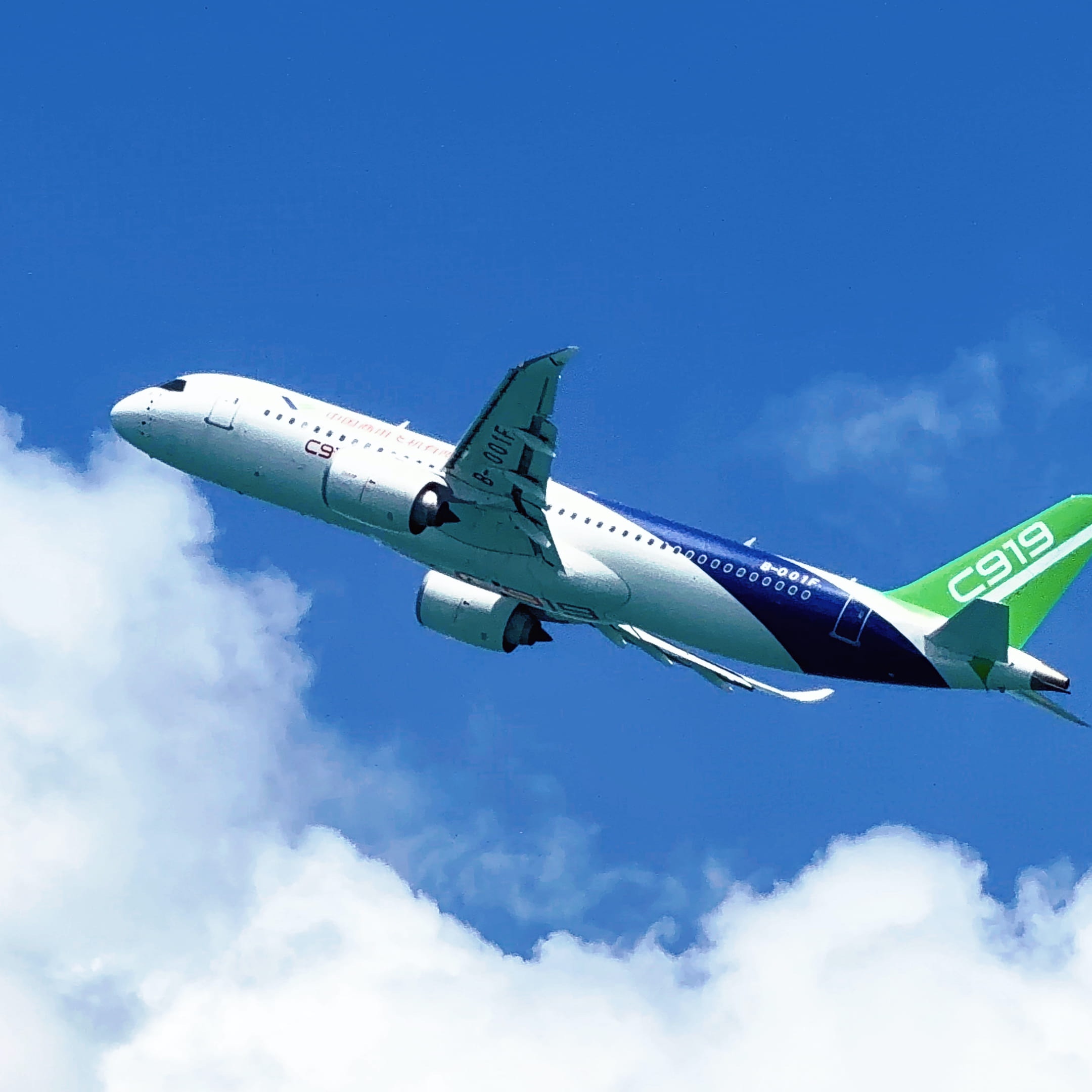
Investing in advanced avionics solutions delivers substantial operational benefits that directly impact your bottom line and safety record. These systems significantly reduce pilot workload by automating routine tasks, allowing crew members to focus on critical decision-making during complex flight phases. You gain enhanced situational awareness through integrated displays that present weather conditions, terrain data, and traffic information in intuitive formats, enabling faster response times to changing conditions. Fuel efficiency improves measurably as advanced avionics solutions optimize flight paths, calculate ideal cruise altitudes, and manage engine parameters automatically, translating to lower operating costs over time. Maintenance becomes more predictable and cost-effective through built-in diagnostic capabilities that identify potential issues before they cause failures, reducing unexpected repairs and aircraft downtime. Safety margins increase substantially with collision avoidance technology, ground proximity warnings, and automated emergency procedures that activate when needed. Your aircraft value retention benefits from modern avionics installations, as buyers and lessors prioritize equipped aircraft that meet current regulatory requirements without additional investment. Operational flexibility expands significantly, allowing access to more airports and airspace through compliance with performance-based navigation standards that many regions now mandate. Insurance providers often recognize advanced avionics solutions with favorable premium structures, acknowledging the reduced risk profile these technologies provide. Training efficiency improves as standardized interfaces across different aircraft types reduce transition time for pilots moving between fleets. The connectivity features enable real-time communication with ground operations, facilitating better scheduling coordination, weather updates, and operational adjustments that keep your flights running smoothly and profitably throughout changing conditions.

Practical Tips

AeroLink Team Participates in Singapore Airshow to Strengthen Global Aviation Industry Cooperation

16

Jun

AeroLink Team Participates in Singapore Airshow to Strengthen Global Aviation Industry Cooperation

View More
Ensuring Landing Gear Safety with Certified Parts

15

Sep

Ensuring Landing Gear Safety with Certified Parts

Why certified landing gear prevents runway incidents and meets FAA/EASA standards. Learn how to source, verify, and maintain compliant parts—get the guide now.
View More
Maximizing APU Reliability via Better Sourcing

15

Sep

Maximizing APU Reliability via Better Sourcing

Struggling with APU downtime and costly unscheduled maintenance? Discover how certified sourcing and traceability slash failure rates. Optimize your aircraft reliability now.
View More
Integrated Flight Management Systems

Integrated Flight Management Systems

Advanced avionics solutions feature sophisticated flight management systems that serve as the central nervous system of modern aircraft operations. These platforms consolidate navigation databases, performance calculations, and route optimization into seamless interfaces that dramatically simplify flight planning and execution. Pilots input departure and destination points, and the system automatically calculates the most efficient routing considering winds, weather, airspace restrictions, and aircraft performance characteristics. Real-time updates adjust recommendations as conditions change during flight, ensuring continuous optimization. The integration extends to autopilot functions, allowing automated flight from takeoff through landing in capable aircraft, while maintaining precise adherence to assigned altitudes and speeds. Fuel management algorithms predict consumption accurately, enabling strategic decisions about alternate airports and reserve calculations. These systems communicate bidirectionally with air traffic control through datalink technology, reducing radio congestion and miscommunication risks. The standardized interfaces across different aircraft manufacturers reduce training requirements and improve crew efficiency when transitioning between fleet types. Database updates occur regularly through simple uploads, ensuring navigation information remains current with changing airspace procedures and airport configurations worldwide.
Enhanced Safety Through Predictive Technology

Enhanced Safety Through Predictive Technology

Safety capabilities within advanced avionics solutions extend far beyond basic navigation, incorporating predictive algorithms that anticipate potential hazards before they materialize. Terrain awareness systems create three-dimensional maps of surrounding geography, providing visual and audible alerts when flight paths risk ground contact, particularly valuable during approach phases in mountainous regions or reduced visibility conditions. Traffic collision avoidance technology monitors surrounding airspace continuously, tracking other aircraft movements and calculating potential conflict trajectories. When separation decreases below safe thresholds, the system issues resolution advisories directing pilots to climb, descend, or turn to maintain safe distances. Weather radar integration identifies precipitation intensity, turbulence potential, and wind shear conditions along planned routes, enabling proactive course adjustments that enhance passenger comfort and structural safety. Synthetic vision systems generate computer-generated runway and terrain imagery during low-visibility operations, effectively providing visual references when natural vision fails. System redundancy architectures ensure continued operation even when individual components fail, with automatic switching between primary and backup systems occurring transparently. Health monitoring functions track component performance trends, identifying degradation patterns that indicate approaching failures, allowing scheduled replacements during convenient maintenance windows rather than emergency situations that disrupt operations.
Connectivity and Operational Efficiency

Connectivity and Operational Efficiency

Modern advanced avionics solutions transform aircraft into connected platforms that communicate seamlessly with ground infrastructure and operational networks. Datalink capabilities transmit flight plans, weather updates, clearance modifications, and operational messages without voice radio communication, reducing pilot workload and eliminating misunderstanding risks inherent in voice transmissions. Real-time engine and system parameter transmission to maintenance operations centers enables ground teams to monitor aircraft health continuously, preparing necessary parts and technicians before aircraft arrive at maintenance bases. Performance data collection and analysis identify optimization opportunities across entire fleets, revealing trends that inform fuel-saving procedures, maintenance scheduling improvements, and operational policy refinements. Passenger connectivity systems integrate with cockpit avionics, providing cabin services while maintaining security separation between entertainment networks and flight-critical systems. Electronic flight bag applications replace paper charts and manuals with tablet-based information systems that update automatically, ensuring crews always access current procedures, airport diagrams, and regulatory information. Weight savings from eliminating paper documentation contribute measurably to fuel efficiency over thousands of flights. Automatic dependent surveillance broadcast technology transmits precise aircraft position information, enabling reduced separation standards in equipped airspace and increasing airport capacity without infrastructure expansion, benefiting both operators and air traffic management systems.