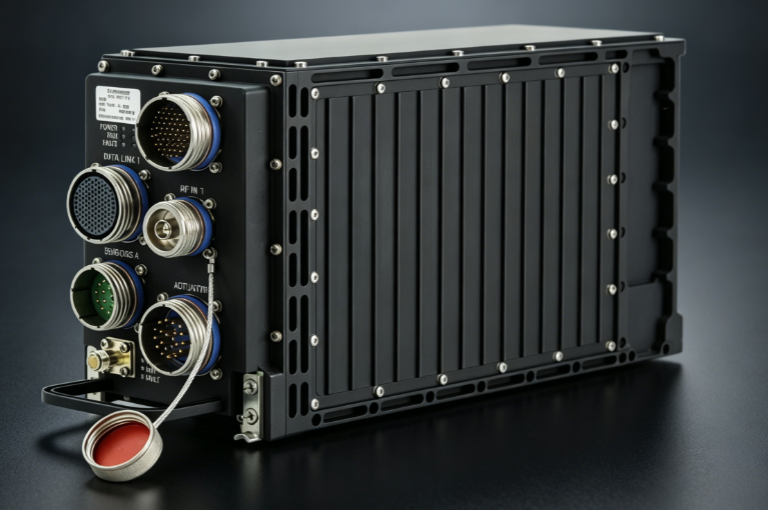
Avionics and electronics are critical technological systems powering modern aircraft operations, including navigation. They integrate hardware for safe, efficient flight across commercial, military. These combine sensors, processors, and interfaces to give pilots real-time data and automated assistance. Modern systems have evolved from analog instruments to integrated digital platforms with touchscreens, satellite connectivity, and advanced computing. They process information from GPS satellites, ground stations, onboard sensors, and air traffic control networks. Primary functions include precise navigation through complex airspace, continuous monitoring of aircraft performance, automated flight control, and reliable crew-ground communication.
New Product Releases
Investing in advanced avionics and electronics delivers substantial operational benefits that directly impact safety, efficiency, and cost management. These systems reduce human error by providing automated monitoring and alert functions that notify crews of potential issues before they become critical problems. Enhanced navigation accuracy from modern avionics and electronics translates to optimized flight paths, resulting in reduced fuel consumption and shorter flight times that lower operational expenses. The reliability of contemporary electronic systems minimizes unscheduled maintenance events, decreasing downtime and improving aircraft availability for revenue-generating flights. Pilots benefit from improved situational awareness through integrated displays that consolidate information from multiple sources into intuitive visual formats, enabling faster decision-making during normal operations and emergency situations. Communication systems within avionics and electronics facilitate seamless coordination with air traffic control and company operations, streamlining departure procedures and arrival sequencing. The digital nature of modern systems allows for rapid software updates that introduce new capabilities and regulatory compliance features without expensive hardware replacements. For fleet operators, standardized avionics and electronics across multiple aircraft simplify pilot training programs and reduce the complexity of maintenance operations. These systems also support data recording and analysis functions that help operators identify efficiency improvements and verify compliance with operational procedures. The application suitability extends across diverse aviation segments including commercial airlines, cargo operators, business aviation, helicopter services, and unmanned aircraft systems. Decision-makers gain value through reduced insurance premiums associated with enhanced safety features, improved resale values for well-equipped aircraft, and competitive advantages in markets where advanced capabilities enable access to challenging operational environments.
Practical Tips
21
Sep
Why Traceable Tools Are Vital for Compliance
Why traceable tools are non-negotiable for audit readiness, legal protection, and operational excellence.
Struggling with aircraft downtime? Discover proven strategies to source verified plane engine components rapidly—without compromising safety or compliance. Get started today.
Modern avionics and electronics feature fully integrated flight management systems that revolutionize how pilots plan, execute, and monitor flight operations. These sophisticated platforms combine navigation databases, performance calculations, and autopilot functions into unified interfaces that dramatically reduce cockpit workload. The systems automatically calculate optimal climb profiles, cruise altitudes, and descent paths based on aircraft weight, weather conditions, and air traffic requirements. Real-time updates from ground stations and satellite networks ensure pilots always have current information about route changes, weather developments, and airport conditions. The integration eliminates the need for manual calculations and cross-referencing between separate instruments, reducing the potential for errors during critical flight phases. Advanced flight management capabilities within avionics and electronics enable precision approaches to airports with limited ground-based navigation aids, expanding operational flexibility for airlines and charter operators. The systems maintain continuous awareness of fuel status, automatically recommending alternate airports when conditions change unexpectedly. This level of automation and integration represents a fundamental advancement in aviation safety and efficiency that benefits both experienced aviators and those transitioning to more complex aircraft.
Enhanced Communication and Connectivity
Contemporary avionics and electronics incorporate advanced communication systems that maintain reliable voice and data connections throughout all phases of flight. Satellite-based communication technology enables continuous contact between aircraft and ground operations regardless of location, eliminating the traditional communication gaps over oceanic and remote regions. These systems support real-time weather updates, flight plan modifications, and maintenance data transmission that optimize operational efficiency. Pilots can receive updated passenger manifests, gate assignments, and company messages directly in the cockpit, streamlining coordination with ground personnel. The data link capabilities within modern avionics and electronics reduce radio frequency congestion by transmitting routine information digitally rather than through voice communications. Air traffic controllers benefit from automatic position reporting that enhances surveillance accuracy and enables reduced separation standards on equipped routes. Passengers experience improved connectivity through cabin systems powered by the same infrastructure, supporting internet access and live entertainment options that enhance the travel experience. Emergency communication features ensure multiple redundant pathways for distress calls and position reporting during abnormal situations. The connectivity advantages extend to maintenance operations where systems automatically transmit diagnostic information to ground facilities, enabling proactive component replacement before failures occur during flight operations.
Advanced Safety and Awareness Technology
Safety-critical features embedded within avionics and electronics provide multiple layers of protection that significantly reduce accident risks across all aviation operations. Terrain awareness and warning systems continuously monitor aircraft position relative to ground elevation, generating visual and audio alerts when flight paths approach dangerous proximity to terrain or obstacles. Traffic collision avoidance technology actively interrogates nearby aircraft transponders, calculating closure rates and issuing resolution advisories that prevent mid-air conflicts. Weather radar systems integrated into avionics and electronics detect precipitation, turbulence, and wind shear conditions along planned routes, enabling pilots to navigate around hazardous weather phenomena. Synthetic vision technology creates three-dimensional representations of terrain and obstacles on cockpit displays, providing visual references during low-visibility conditions that traditionally required instrument-only flying techniques. Automated systems within modern electronics monitor hundreds of parameters simultaneously, identifying abnormal trends and alerting crews to developing mechanical issues before they compromise safety. Redundant design architectures ensure that critical functions remain available even when individual components fail, meeting stringent certification requirements established by aviation safety authorities. These comprehensive safety features make avionics and electronics essential investments for operators prioritizing passenger protection and regulatory compliance in increasingly complex airspace environments.






 EN