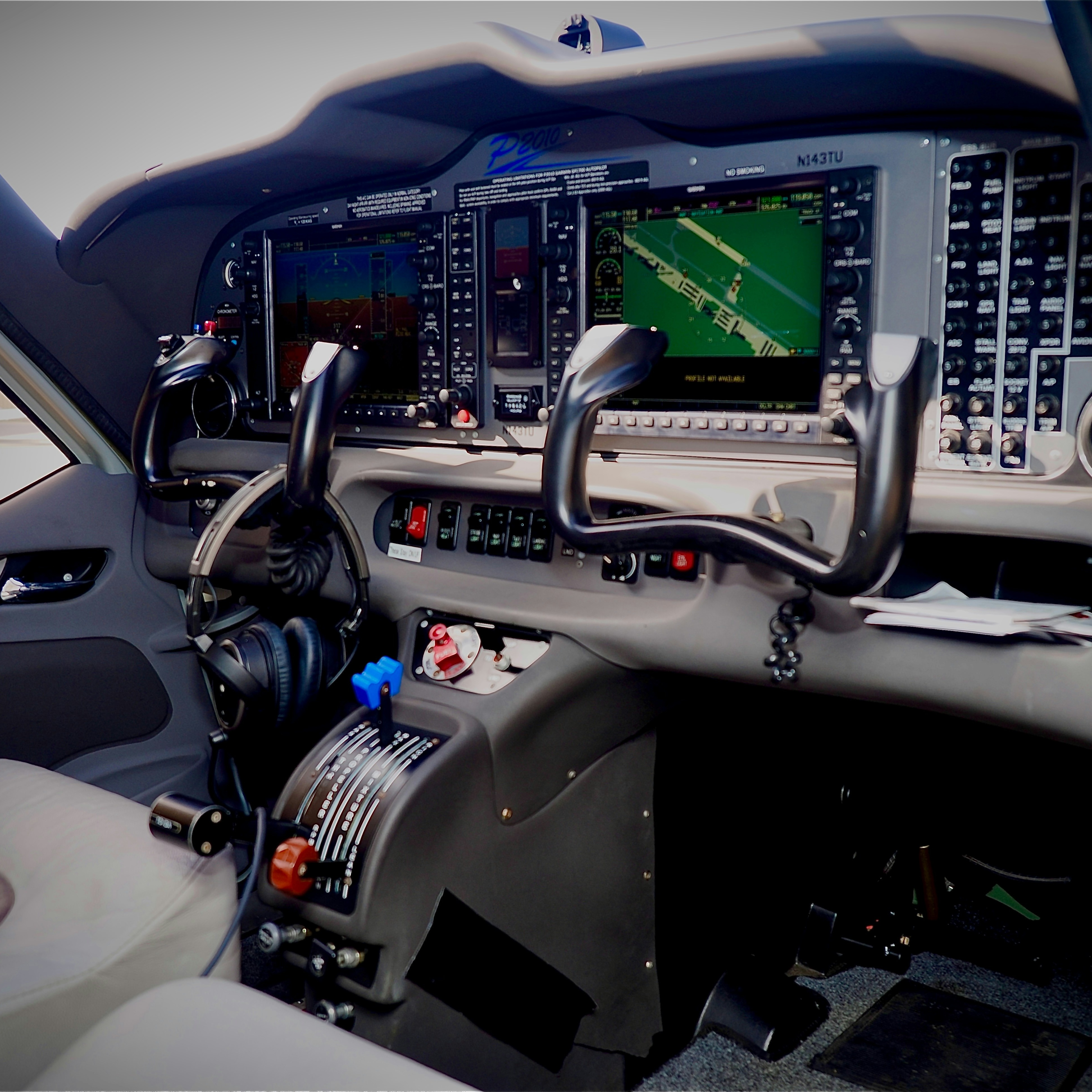
Airplane Audio Panel: Communication Solutions

application/airplane-audio-panel, application/airplane-audio-panel, 
Inquiry
Inquiry

airplane audio panel

An airplane audio panel serves as the central communication hub in aircraft cockpits, managing all audio inputs and outputs for pilots and crew members. This essential avionics component controls intercom systems, radio communications, navigation aids, and warning signals, ensuring clear and reliable audio management during all flight phases. The airplane audio panel integrates multiple communication channels into a single, user-friendly interface that pilots can operate efficiently even during high-workload situations. Modern airplane audio panels feature advanced digital signal processing technology that filters background noise, eliminates feedback, and automatically adjusts volume levels based on ambient cockpit noise. These panels typically include dedicated controls for VHF radios, navigation receivers, marker beacons, and passenger address systems. Pilots can selectively monitor or transmit on different frequencies while maintaining situational awareness through simultaneous audio monitoring capabilities. The airplane audio panel also incorporates fail-safe mechanisms and redundant circuitry to ensure continued operation during system anomalies. Many contemporary models offer Bluetooth connectivity, allowing wireless headset integration and enhanced crew coordination. The interface design prioritizes intuitive operation with clearly labeled buttons, rotary knobs, and visual indicators that remain visible under all lighting conditions. Whether installed in commercial airliners, business jets, or general aviation aircraft, the airplane audio panel plays a critical role in maintaining effective communication between flight crew members, air traffic control, and ground personnel, ultimately contributing to operational safety and mission success.

New Products

Investing in a quality airplane audio panel delivers substantial operational benefits that directly impact flight safety and crew efficiency. The streamlined interface reduces pilot workload by consolidating multiple communication functions into one accessible location, allowing faster response times during critical flight phases. Pilots appreciate the enhanced audio clarity that advanced noise-cancellation technology provides, eliminating the fatigue associated with straining to hear transmissions in noisy cockpit environments. The selective monitoring capability enables crews to listen to multiple frequencies simultaneously without missing important communications, a feature particularly valuable during busy terminal operations or emergency situations. Modern airplane audio panels offer remarkable reliability with solid-state components that withstand the vibration, temperature extremes, and electrical interference common in aviation environments. The installation flexibility accommodates various aircraft configurations, from compact light aircraft panels to comprehensive systems in multi-crew operations. Maintenance requirements remain minimal due to durable construction and self-diagnostic features that identify issues before they affect performance. The intuitive design reduces training time for new pilots while preventing operational errors through logical control layouts and clear visual feedback. Upgrading to a contemporary airplane audio panel often improves compatibility with digital communication systems and future avionics enhancements, protecting your investment as aviation technology evolves. The built-in intercom functionality facilitates seamless crew coordination without requiring separate systems, reducing panel space requirements and overall weight. Energy efficiency translates to lower electrical system demands, an important consideration for aircraft with limited power generation capacity. These practical advantages combine to create measurable value through improved safety margins, reduced operating costs, enhanced crew comfort, and simplified aircraft operations across diverse mission profiles.

Latest News

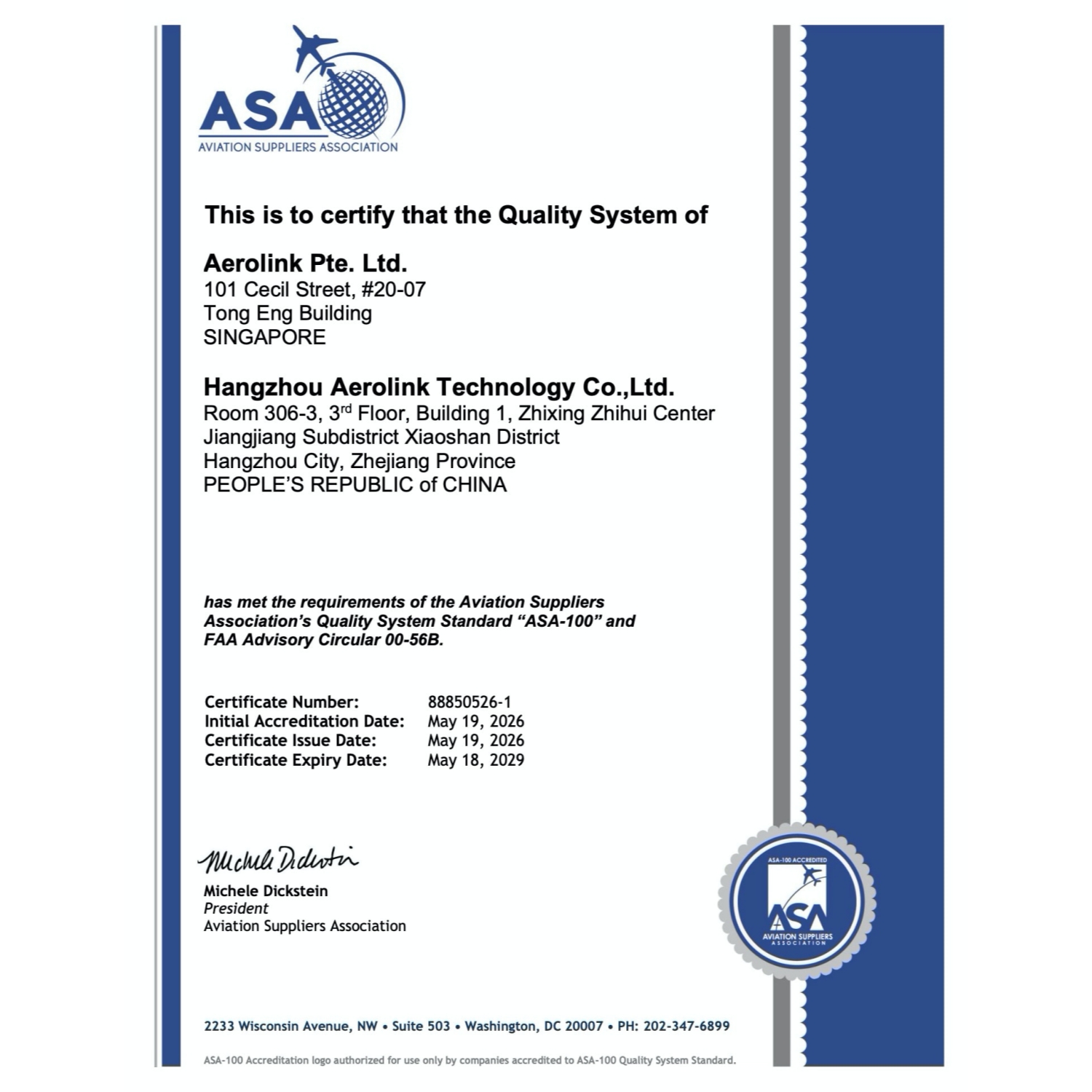
AeroLink Successfully Obtains ASA-100 and CAMAC Aviation Material Distributor Certifications

16

Jun

AeroLink Successfully Obtains ASA-100 and CAMAC Aviation Material Distributor Certifications

View More
AeroLink Participates in MRO Greater China 2026 to Strengthen Global Aviation Supply Chain Cooperation

16

Jun

AeroLink Participates in MRO Greater China 2026 to Strengthen Global Aviation Supply Chain Cooperation

View More
Cost-Effective GSE Solutions for Busy Airfields

15

Sep

Cost-Effective GSE Solutions for Busy Airfields

Cut GSE costs by 15–30% without sacrificing safety. Discover preventive maintenance, energy-efficient upgrades & right-sizing strategies. Get your free fleet assessment.
View More
How Plane Engine Sourcing Impacts Fleet Budgets

15

Sep

How Plane Engine Sourcing Impacts Fleet Budgets

How does plane engine sourcing really affect your fleet budget? Discover TCO drivers, spare parts costs, maintenance risks & ROI-optimized strategies. Download the guide.
View More
Advanced Audio Management Technology

Advanced Audio Management Technology

The airplane audio panel incorporates sophisticated digital signal processing algorithms that automatically optimize audio quality across all communication channels. This technology continuously analyzes incoming signals and applies real-time filtering to remove static, engine noise, and other unwanted interference that can mask critical transmissions. The adaptive volume control feature monitors cockpit noise levels and automatically adjusts output levels to maintain consistent intelligibility without manual intervention, allowing pilots to focus on flying rather than constantly adjusting audio settings. Split audio functionality enables each crew member to customize their listening preferences independently, with one pilot monitoring tower communications while another tracks weather updates or company frequencies. The priority override system ensures that urgent transmissions and warning tones automatically interrupt less critical audio sources, guaranteeing that pilots never miss time-sensitive information. These intelligent audio management capabilities significantly reduce communication errors and misunderstandings that can compromise flight safety, while the reduced audio fatigue helps crews maintain peak alertness during extended flights.
Rugged Construction for Aviation Environments

Rugged Construction for Aviation Environments

Built specifically to withstand the demanding conditions of aircraft operation, the airplane audio panel features military-grade components and robust construction that ensures reliable performance throughout its service life. The sealed housing protects sensitive electronics from moisture, dust, and contaminants that infiltrate cockpit environments, while the vibration-resistant mounting system prevents connection failures and component damage during turbulent flight conditions. All controls utilize high-cycle switches and potentiometers rated for hundreds of thousands of operations, eliminating premature wear that affects cheaper alternatives. The wide operating temperature range allows normal function from arctic cold starts to desert heat operations without performance degradation. Electromagnetic interference shielding prevents external radio signals and electrical systems from disrupting audio circuits, maintaining clear communications even when operating near radar installations or in electrically noisy environments. The corrosion-resistant materials and protective coatings ensure long-term reliability in coastal operations where salt air accelerates deterioration of standard electronics. This exceptional durability minimizes maintenance costs and unscheduled downtime while providing the dependability that aviation operations demand.
Intuitive Interface Design for Operational Efficiency

Intuitive Interface Design for Operational Efficiency

The thoughtfully engineered interface of the airplane audio panel prioritizes ease of use during normal operations and emergency situations when every second counts. Large, clearly labeled buttons with positive tactile feedback allow pilots to operate controls by feel without diverting attention from outside references during critical flight phases like landing approaches. The logical grouping of related functions reduces the cognitive load required to locate specific controls, while color-coded indicators provide instant status information that pilots can interpret at a glance. Backlighting with adjustable intensity ensures visibility under all ambient lighting conditions, from bright daylight to dark night operations, without creating glare that impairs vision. The panel layout accommodates operation while wearing gloves, an essential consideration for pilots flying in cold weather or at high altitudes. Dedicated emergency communication buttons remain instantly accessible without requiring menu navigation or complex button sequences that waste precious time during abnormal situations. The standardized control conventions align with established aviation practices, minimizing the learning curve when transitioning between different aircraft types. This user-centered design approach reduces operational errors, accelerates emergency response, and enhances overall situational awareness throughout all phases of flight.