aviation avionics
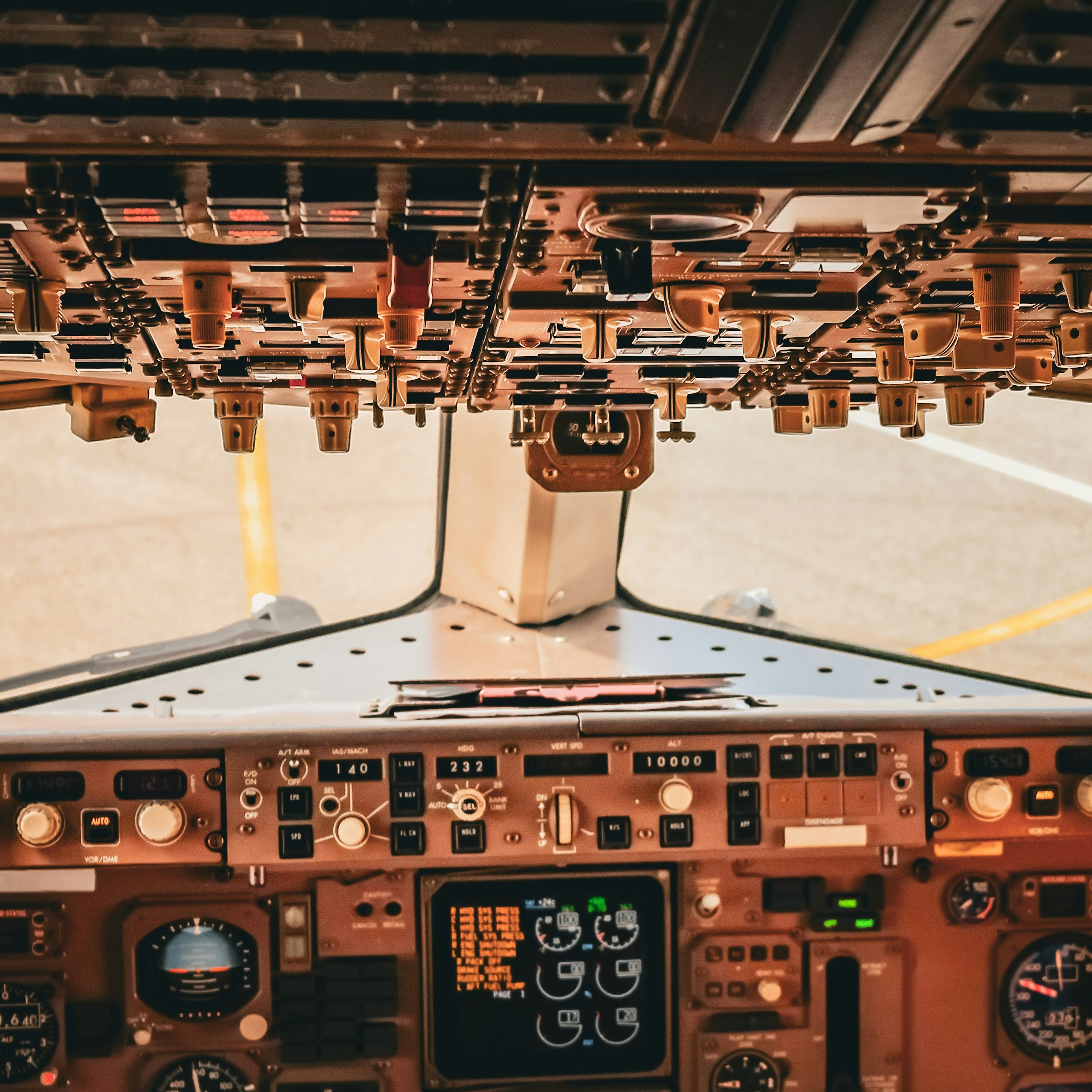
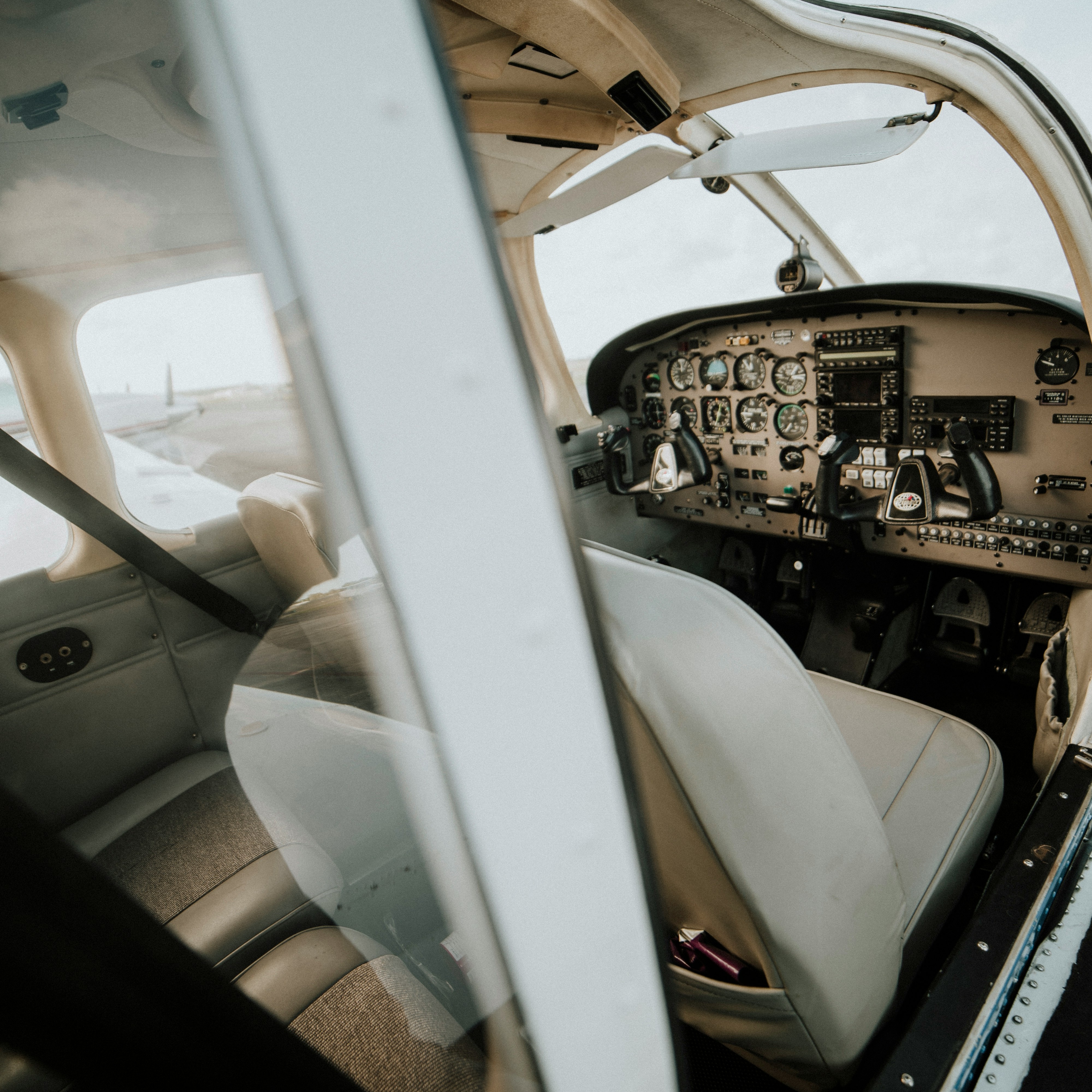
Aviation avionics represent the sophisticated electronic systems that serve as the technological backbone of modern aircraft operations. These integrated systems encompass navigation, communication, flight management, weather detection, collision avoidance, and aircraft performance monitoring capabilities. Aviation avionics have revolutionized how pilots interact with their aircraft, transforming cockpits into highly automated digital command centers. The core components include flight control computers, autopilot systems, radar equipment, GPS navigation units, communication radios, transponders, and advanced display panels that present critical flight information in real-time. Modern aviation avionics utilize cutting-edge technologies such as satellite-based positioning, digital data links, synthetic vision systems, and terrain awareness warning systems to enhance flight safety and operational efficiency. These systems work seamlessly together, processing vast amounts of data to provide pilots with accurate situational awareness and decision-making support. Aviation avionics applications span commercial airlines, private business jets, military aircraft, helicopters, and unmanned aerial vehicles. The technological evolution of aviation avionics continues to advance with innovations like touchscreen interfaces, artificial intelligence integration, and enhanced cybersecurity measures. Whether supporting short regional flights or long-haul international routes, aviation avionics ensure precise navigation, reliable communication with air traffic control, optimal fuel efficiency, and compliance with international aviation regulations, making them indispensable for safe and efficient flight operations across all aviation sectors.





 EN