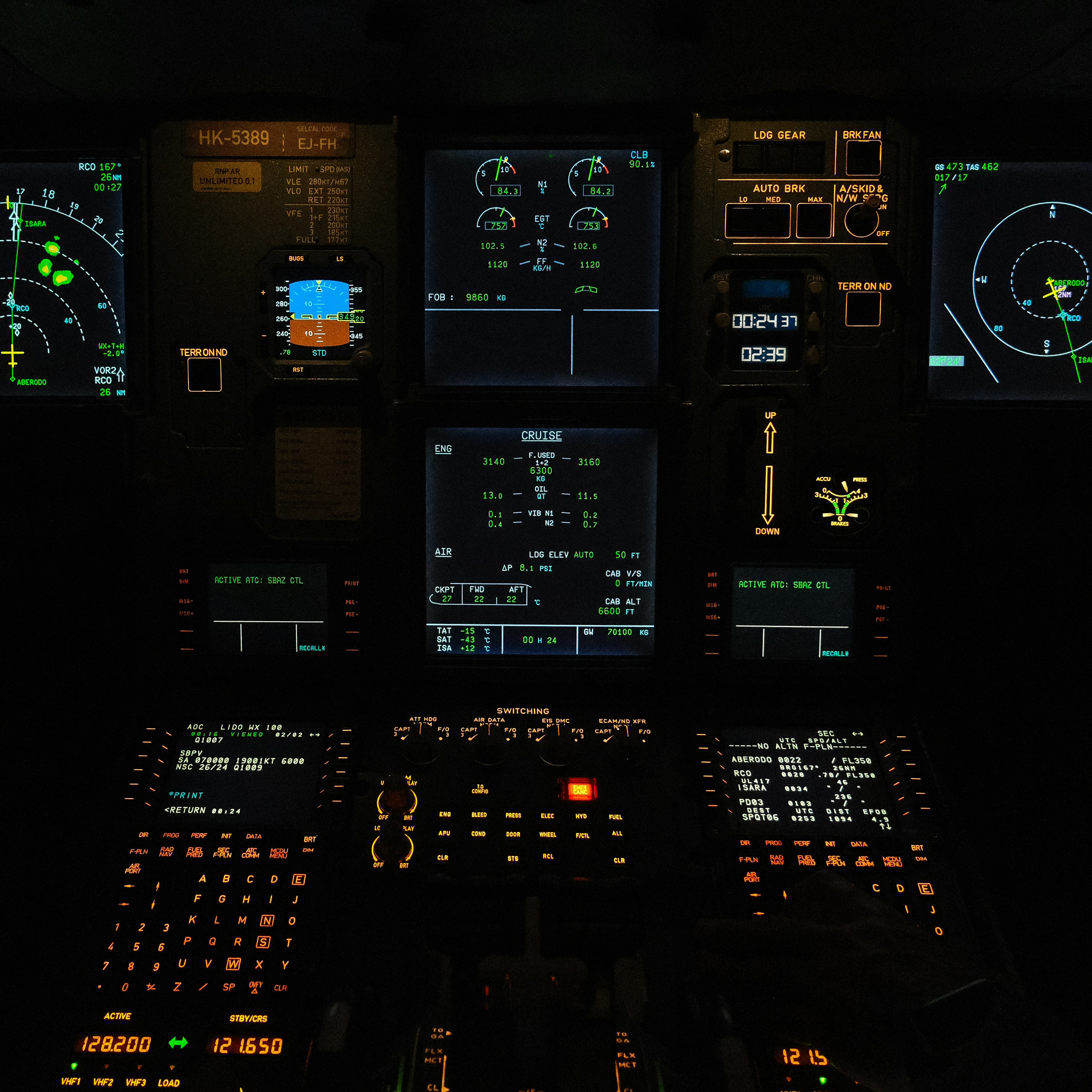
Avionic Electronics: Advanced Aviation Systems

application/avionic-electronics, application/avionic-electronics, 
Inquiry
Inquiry

avionic electronics

Avionic electronics represent the sophisticated electronic systems that power modern aircraft operations, encompassing everything from navigation and communication to flight control and safety monitoring. These advanced systems form the technological backbone of contemporary aviation, integrating multiple subsystems that work seamlessly to ensure safe and efficient flight operations. Avionic electronics include flight management systems, autopilot modules, weather radar, collision avoidance systems, communication radios, and navigation instruments that guide pilots through complex airspace. The technology combines hardware components such as sensors, processors, displays, and control units with specialized software designed for aviation environments. Modern avionic electronics utilize digital technology, replacing older analog systems with more reliable and capable digital solutions. These systems must withstand extreme conditions including temperature fluctuations, vibration, electromagnetic interference, and altitude changes while maintaining absolute reliability. The integration of avionic electronics enables real-time data processing, automated flight functions, enhanced situational awareness, and improved decision-making capabilities for flight crews. From commercial airliners to military aircraft and private jets, avionic electronics adapt to various aircraft types and mission requirements. The systems continuously evolve, incorporating innovations like touchscreen interfaces, synthetic vision technology, satellite-based navigation, and datalink communications. Avionic electronics also support maintenance operations through built-in diagnostic capabilities that monitor system health and predict potential failures before they occur, ensuring maximum aircraft availability and safety.

New Product Releases

Investing in quality avionic electronics delivers substantial operational and safety benefits that directly impact your bottom line and mission success. These systems dramatically reduce pilot workload by automating routine tasks and providing intuitive interfaces that present critical information clearly and efficiently. You gain enhanced situational awareness through integrated displays that combine navigation data, weather information, traffic alerts, and terrain warnings in easy-to-interpret formats. Modern avionic electronics improve fuel efficiency by calculating optimal flight paths, managing engine performance, and reducing navigation errors that waste time and resources. The reliability of these systems minimizes maintenance costs and aircraft downtime, as digital components require less frequent servicing than older technologies and offer superior durability. Safety improvements are substantial, with avionic electronics providing multiple redundancy layers, automatic alerting for potential hazards, and precision navigation that reduces the risk of controlled flight into terrain or mid-air collisions. Your crews benefit from reduced training time thanks to standardized interfaces and logical system architectures that transfer skills across different aircraft types. Avionic electronics support regulatory compliance by automatically logging flight data, maintaining required documentation, and ensuring adherence to airspace rules and procedures. The systems enhance operational flexibility, allowing flights in challenging weather conditions and into airports with demanding approach requirements that would otherwise be inaccessible. Long-term value comes from upgradeable architectures that accept new capabilities without complete system replacement, protecting your investment as aviation technology advances. Communication improvements enable better coordination with air traffic control and operations centers, while datalink capabilities reduce voice communication errors and workload during critical flight phases.

Practical Tips

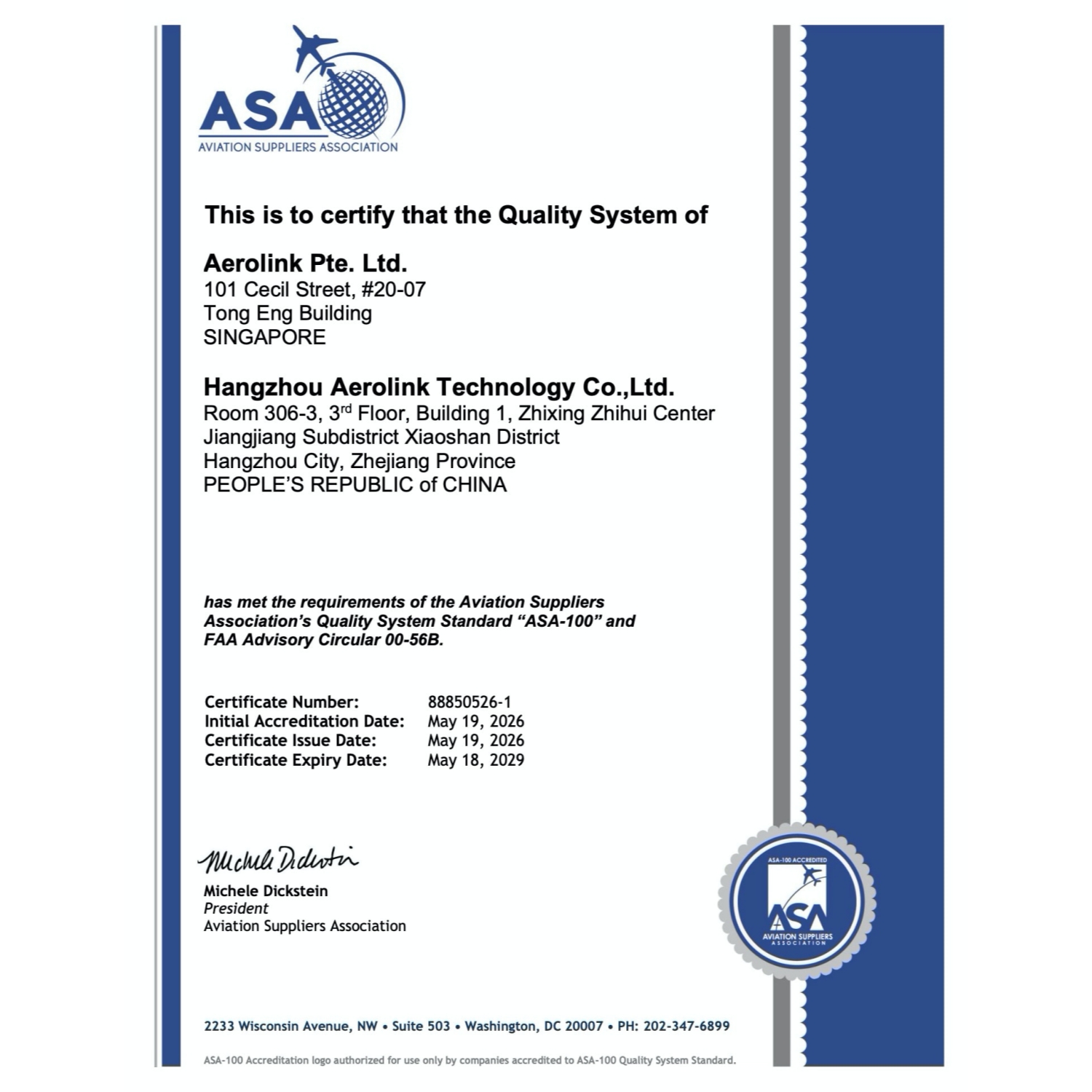
AeroLink Successfully Obtains ASA-100 and CAMAC Aviation Material Distributor Certifications

16

Jun

AeroLink Successfully Obtains ASA-100 and CAMAC Aviation Material Distributor Certifications

View More
Ensuring Landing Gear Safety with Certified Parts

15

Sep

Ensuring Landing Gear Safety with Certified Parts

Why certified landing gear prevents runway incidents and meets FAA/EASA standards. Learn how to source, verify, and maintain compliant parts—get the guide now.
View More
Selecting Reliable GSE to Improve Ground Ops

15

Sep

Selecting Reliable GSE to Improve Ground Ops

Struggling with aircraft delays? Discover how choosing reliable GSE vendors improves turnaround time. Get your free vendor evaluation checklist.
View More
Advanced Integration and System Reliability

Advanced Integration and System Reliability

Avionic electronics excel through sophisticated integration that connects all aircraft systems into a unified operational environment. This integration eliminates isolated components that once operated independently, creating instead a cohesive network where navigation systems communicate with flight controls, engines share data with cockpit displays, and safety systems monitor everything simultaneously. The architecture uses redundant pathways and backup systems that automatically engage if primary components fail, ensuring continuous operation even during component malfunctions. Digital signal processing within avionic electronics filters out interference and maintains signal integrity across all communication channels, delivering consistent performance regardless of environmental conditions. The systems employ fault-tolerant designs with self-diagnostic capabilities that identify problems immediately and alert crews to potential issues before they affect flight safety. This level of integration and reliability means you operate with confidence, knowing that avionic electronics continuously monitor aircraft health, optimize performance parameters, and provide accurate information exactly when needed. The built-in testing features reduce maintenance complexity and costs while maximizing aircraft availability for revenue-generating operations.
Precision Navigation and Flight Management

Precision Navigation and Flight Management

Modern avionic electronics transform navigation from a manual plotting exercise into an automated process that delivers unprecedented accuracy and efficiency. Satellite-based positioning systems integrated within avionic electronics provide real-time location data accurate to within meters, enabling precise flight path following and approach procedures. Flight management computers calculate optimal routes considering winds, weather, fuel consumption, and airspace restrictions, then automatically guide the aircraft along these paths with minimal pilot intervention. The navigation databases within avionic electronics contain detailed information about airports, airways, procedures, and obstacles worldwide, updating regularly to reflect current aviation requirements. Terrain awareness systems use this navigation data combined with aircraft position to generate three-dimensional displays and alerts that prevent inadvertent ground contact. Avionic electronics also incorporate performance management functions that monitor fuel usage, predict arrival times, and recommend speed adjustments to meet schedule requirements while minimizing costs. This navigation precision reduces flight times, lowers fuel consumption, enables access to performance-based navigation airspace, and supports operations in challenging environments where traditional navigation would prove inadequate or impossible.
Enhanced Safety and Situational Awareness

Enhanced Safety and Situational Awareness

Safety represents the paramount advantage of contemporary avionic electronics, which employ multiple technologies to protect aircraft, crews, and passengers throughout every flight phase. Traffic collision avoidance systems embedded in avionic electronics detect nearby aircraft and provide resolution advisories that prevent mid-air conflicts, automatically coordinating avoidance maneuvers between equipped aircraft. Weather radar integrated within avionic electronics scans ahead for turbulence, thunderstorms, and hazardous conditions, allowing crews to modify routes proactively before encountering dangerous weather. Synthetic vision technology uses avionic electronics to generate realistic three-dimensional terrain displays even in zero visibility, essentially allowing pilots to see through clouds and darkness. System monitoring functions continuously assess avionic electronics health along with engines, hydraulics, electrical systems, and other components, alerting crews immediately to abnormalities that require attention. The redundancy built into avionic electronics means that backup systems stand ready to assume functions if primary systems fail, providing multiple layers of protection. Advanced alerting logic prioritizes warnings by severity and relevance, preventing information overload during emergencies while ensuring crews receive critical notifications. These comprehensive safety features work together seamlessly, substantially reducing accident risks and providing peace of mind for everyone aboard.