flight avionics
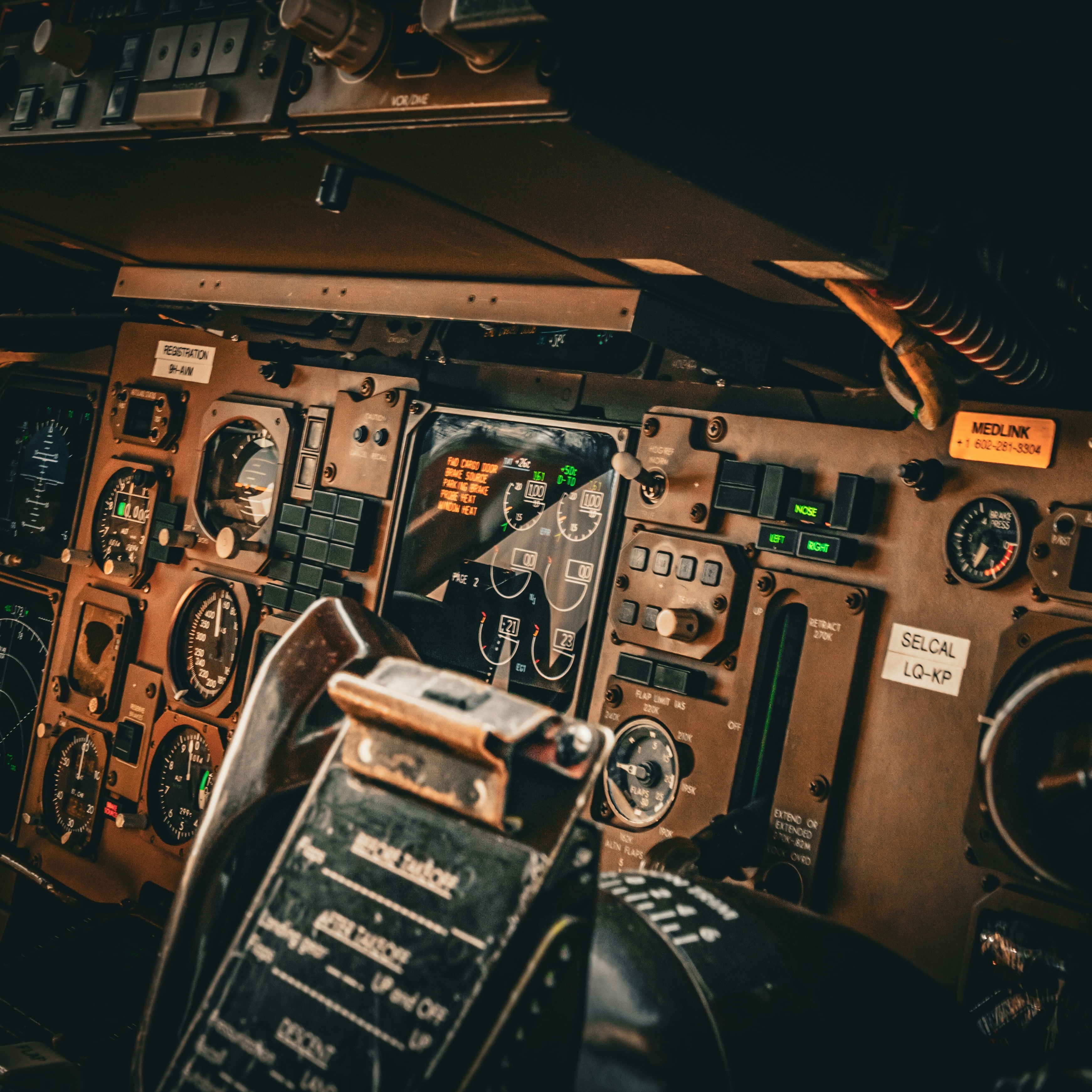
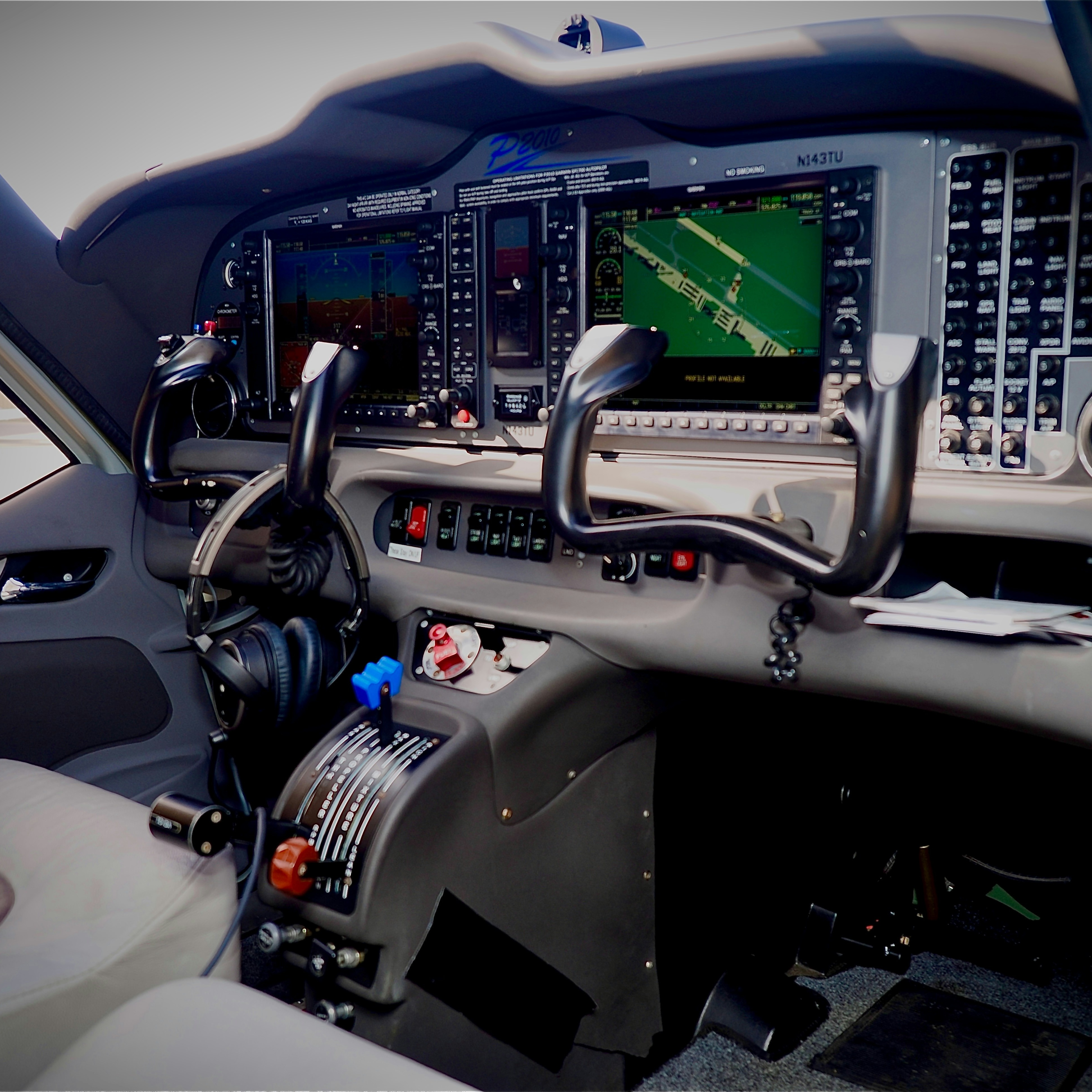
Flight avionics represent the sophisticated electronic systems that serve as the brain and nervous system of modern aircraft. These integrated technological solutions encompass navigation, communication, monitoring, and control functions essential for safe and efficient flight operations. Flight avionics combine hardware and software components to process critical data, enabling pilots to make informed decisions during all phases of flight. The systems include autopilot mechanisms, flight management computers, weather radar, collision avoidance technology, and instrument displays that present vital information in real-time. Modern flight avionics utilize digital architecture to enhance reliability and reduce weight compared to traditional analog systems. These advanced systems communicate seamlessly with ground control stations, satellite networks, and other aircraft to maintain situational awareness. Flight avionics have evolved from basic instruments to comprehensive suites that automate numerous tasks, reducing pilot workload while improving safety margins. The technology integrates sensors, processors, and displays to monitor engine performance, fuel consumption, altitude, speed, and hundreds of other parameters simultaneously. Applications span commercial aviation, military operations, cargo transport, and private aircraft, with each sector benefiting from customized configurations. As aviation technology advances, flight avionics continue to incorporate artificial intelligence, enhanced connectivity, and predictive maintenance capabilities, ensuring aircraft remain at the forefront of safety and operational efficiency in increasingly complex airspace environments.




 EN