Avionics Manufacturers: Systems & Solutions

application/avionics-manufacturers, application/avionics-manufacturers, 
Inquiry
Inquiry

avionics manufacturers

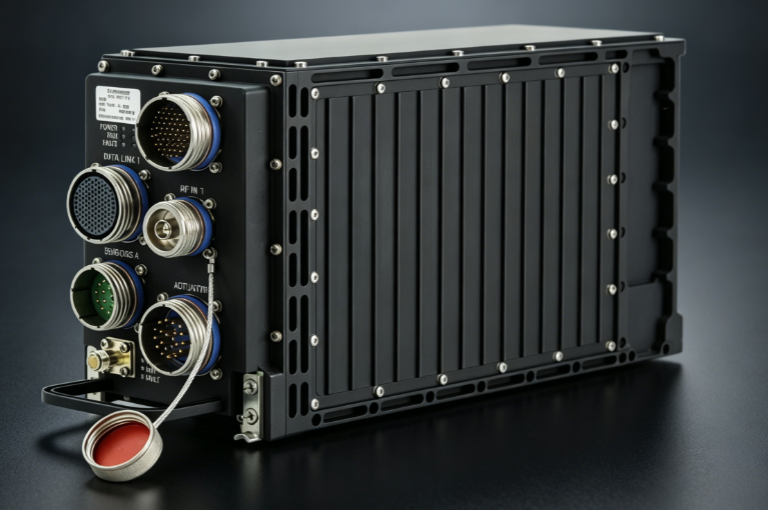
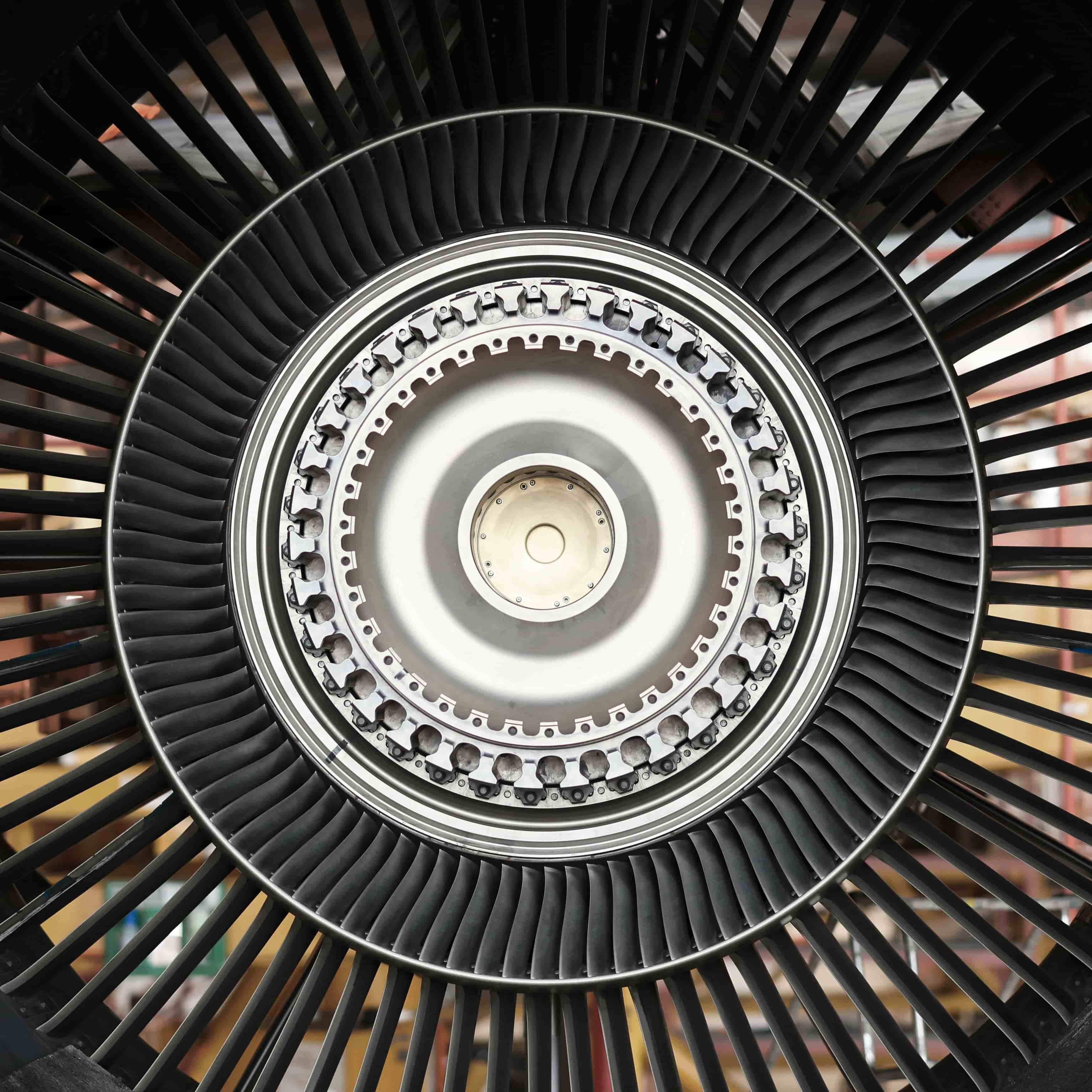
Avionics manufacturers design and produce sophisticated electronic systems that enable modern aircraft to operate safely and efficiently. These specialized companies develop critical flight control systems, navigation equipment, communication devices, and monitoring instruments that pilots and crew depend on during every flight. Leading avionics manufacturers invest heavily in research and development to create cutting-edge technology that meets stringent aviation safety standards and regulatory requirements. Their product portfolios typically include autopilot systems, weather radar units, traffic collision avoidance systems, flight management computers, and cockpit display interfaces. The manufacturing process involves precision engineering, rigorous testing protocols, and quality assurance procedures to ensure each component performs flawlessly under extreme conditions. Avionics manufacturers serve commercial airlines, military aviation forces, private aircraft owners, and helicopter operators worldwide. They collaborate closely with aircraft builders, maintenance organizations, and regulatory agencies to advance aviation technology. Modern avionics manufacturers integrate digital systems, satellite connectivity, and artificial intelligence to enhance situational awareness and reduce pilot workload. Their innovations have transformed aviation safety, enabling aircraft to fly in challenging weather conditions, navigate precisely across continents, and communicate seamlessly with air traffic control. By partnering with trusted avionics manufacturers, aircraft operators gain access to reliable technology that improves operational performance, reduces maintenance costs, and extends aircraft service life while ensuring passenger safety remains the highest priority.

Popular Products

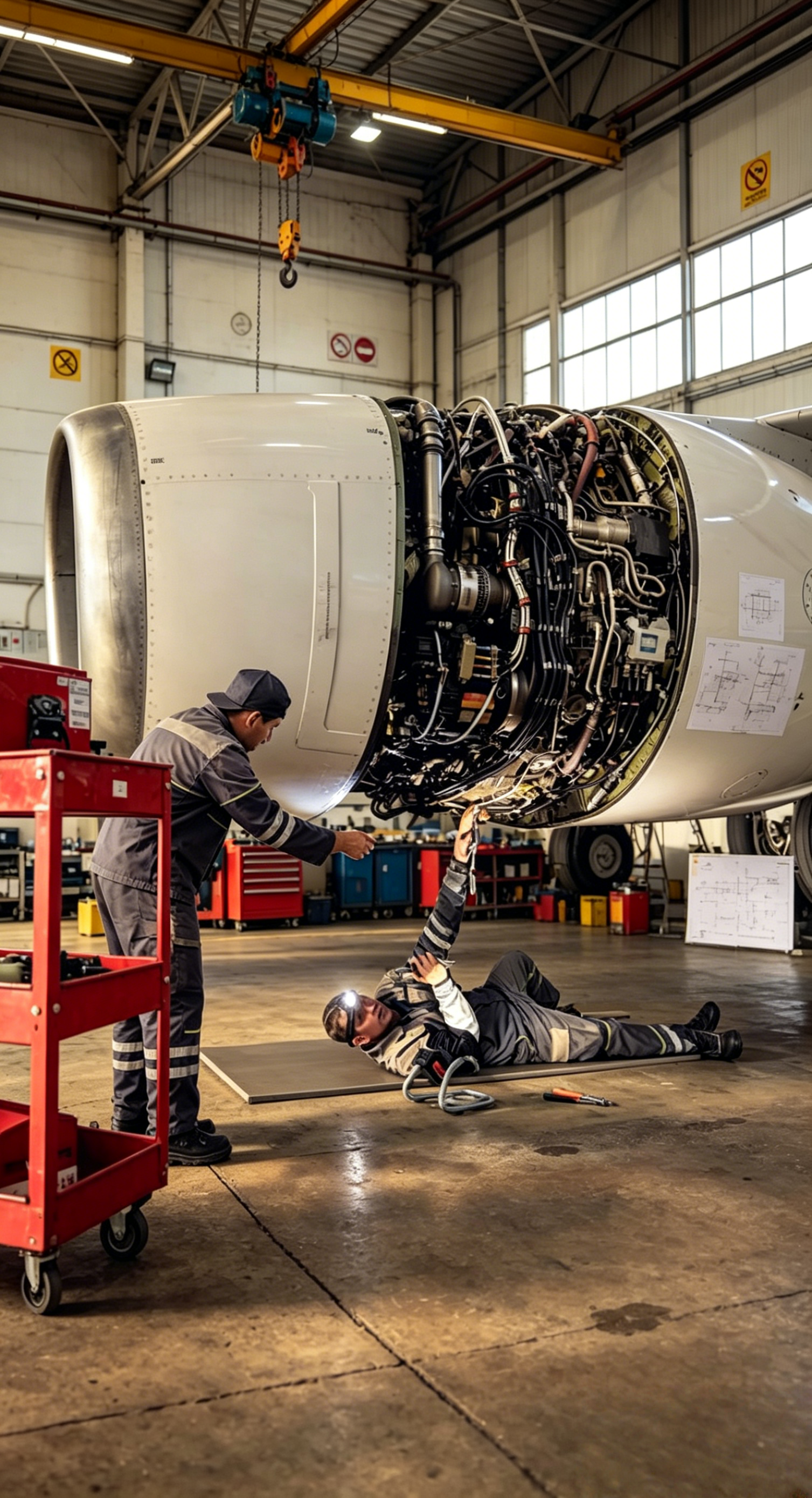
Choosing reputable avionics manufacturers provides aircraft operators with numerous practical benefits that directly impact safety, efficiency, and profitability. First, established avionics manufacturers deliver proven reliability through extensive testing and certification processes, ensuring every system meets international aviation standards before installation. This reliability translates to fewer in-flight failures, reduced maintenance downtime, and lower long-term operating costs for airlines and private operators. Second, leading avionics manufacturers offer comprehensive technical support and training programs that help flight crews and maintenance teams maximize system performance and troubleshoot issues quickly. Third, purchasing from recognized avionics manufacturers ensures compatibility with existing aircraft systems and simplifies future upgrades as technology evolves. Fourth, these manufacturers maintain global supply chains and service networks, providing rapid access to replacement parts and technical assistance wherever aircraft operate. Fifth, advanced avionics systems from top-tier avionics manufacturers improve fuel efficiency by optimizing flight paths, reducing unnecessary altitude changes, and minimizing time spent in holding patterns. Sixth, modern cockpit interfaces developed by innovative avionics manufacturers reduce pilot fatigue by presenting information clearly and automating routine tasks, allowing crews to focus on critical decision-making. Seventh, regulatory compliance becomes simpler when working with established avionics manufacturers who understand certification requirements and documentation standards. Finally, investing in quality avionics from respected manufacturers protects asset values, as aircraft equipped with modern, well-supported systems command higher resale prices and attract more buyers when owners decide to upgrade their fleets.

Practical Tips

Ensuring Landing Gear Safety with Certified Parts

15

Sep

Ensuring Landing Gear Safety with Certified Parts

Why certified landing gear prevents runway incidents and meets FAA/EASA standards. Learn how to source, verify, and maintain compliant parts—get the guide now.
View More
Key Steps to Evaluate Used Plane Engine Materials

14

Sep

Key Steps to Evaluate Used Plane Engine Materials

How to properly evaluate used plane engine materials for airworthiness, safety & compliance. Avoid costly failures—get the expert 10-step inspection protocol now.
View More
Sourcing Verified Plane Engine Components Fast

15

Sep

Sourcing Verified Plane Engine Components Fast

Struggling with aircraft downtime? Discover proven strategies to source verified plane engine components rapidly—without compromising safety or compliance. Get started today.
View More
Maximizing APU Reliability via Better Sourcing

15

Sep

Maximizing APU Reliability via Better Sourcing

Struggling with APU downtime and costly unscheduled maintenance? Discover how certified sourcing and traceability slash failure rates. Optimize your aircraft reliability now.
View More
Advanced Safety Systems Engineering

Advanced Safety Systems Engineering

Top avionics manufacturers prioritize safety through multi-layered system redundancy and fail-safe design principles that protect passengers and crew under all operating conditions. These companies employ specialized engineering teams who develop terrain awareness warning systems, enhanced ground proximity alerts, and predictive windshear detection that prevent accidents before they occur. Modern avionics manufacturers integrate real-time weather monitoring capabilities that help pilots avoid dangerous storm cells and turbulence zones, significantly improving passenger comfort and flight safety. Their collision avoidance technology uses sophisticated algorithms to track surrounding air traffic and provide timely alerts when separation distances decrease below safe thresholds. Quality avionics manufacturers subject every component to extreme temperature testing, vibration analysis, and electromagnetic interference evaluation to guarantee reliable performance throughout the aircraft's operational envelope. By selecting products from safety-focused avionics manufacturers, operators demonstrate commitment to passenger protection while meeting insurance requirements and regulatory mandates that govern commercial aviation operations worldwide.
Seamless Integration and Connectivity

Seamless Integration and Connectivity

Leading avionics manufacturers design systems with open architecture standards that facilitate seamless integration with various aircraft platforms and existing equipment suites. This interoperability reduces installation complexity, shortens retrofit timelines, and minimizes modification costs when upgrading older aircraft with modern technology. Forward-thinking avionics manufacturers incorporate satellite-based communication systems that enable real-time data exchange between aircraft and ground operations, supporting efficient flight planning and fuel management decisions. Their connected cockpit solutions provide pilots with weather updates, traffic information, and operational messages through intuitive touchscreen displays that mirror familiar smartphone interfaces. Progressive avionics manufacturers also develop cybersecurity protocols that protect aircraft systems from unauthorized access while maintaining connectivity benefits that improve operational efficiency. Airlines working with integration-focused avionics manufacturers benefit from reduced crew training requirements, as standardized interfaces across different aircraft types allow pilots to transition smoothly between fleet segments. This consistency improves safety margins while giving operators flexibility to deploy personnel across multiple aircraft models without extensive retraining investments.
Lifecycle Support and Continuous Innovation

Lifecycle Support and Continuous Innovation

Distinguished avionics manufacturers stand behind their products with comprehensive lifecycle support programs that extend far beyond initial installation and certification. These manufacturers maintain dedicated customer service teams who provide 24-hour technical assistance, ensuring operators receive immediate help when questions arise during flight operations or maintenance activities. Responsible avionics manufacturers publish regular software updates that enhance system capabilities, address emerging safety concerns, and maintain compatibility with evolving air traffic management infrastructure. They operate authorized service centers globally, staffed by factory-trained technicians who perform repairs, calibrations, and system upgrades using genuine parts and approved procedures. Innovative avionics manufacturers invest continually in next-generation technology development, giving existing customers clear upgrade paths that protect their initial investments while accessing improved functionality. Their commitment to backward compatibility means newer software versions often run on existing hardware, allowing operators to gain enhanced features without complete system replacements. By partnering with avionics manufacturers who prioritize long-term customer relationships, aircraft owners secure reliable support throughout their equipment's operational life, maximizing return on investment while maintaining peak system performance.