Aircraft Composite Repair Tooling Solutions

application/aircraft-composite-repair-tooling, application/aircraft-composite-repair-tooling, 
Inquiry
Inquiry

aircraft composite repair tooling

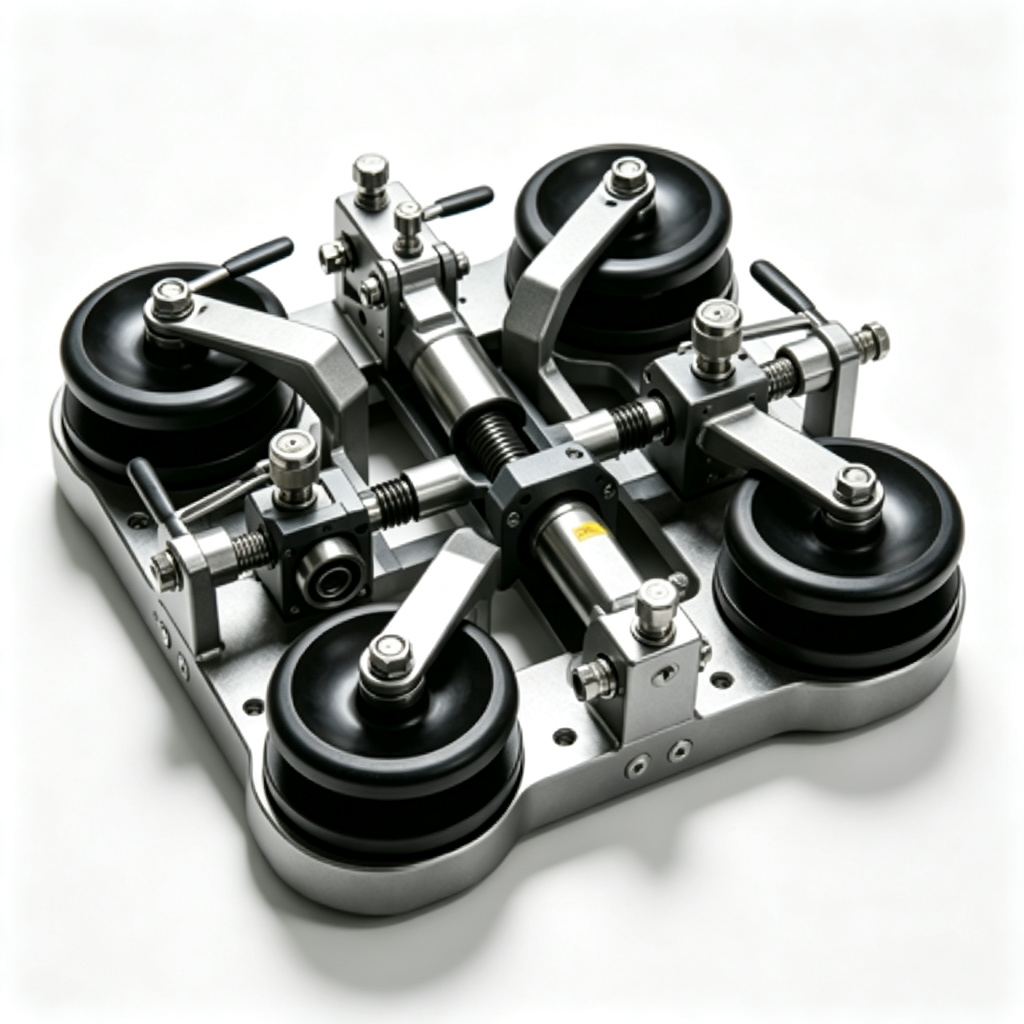
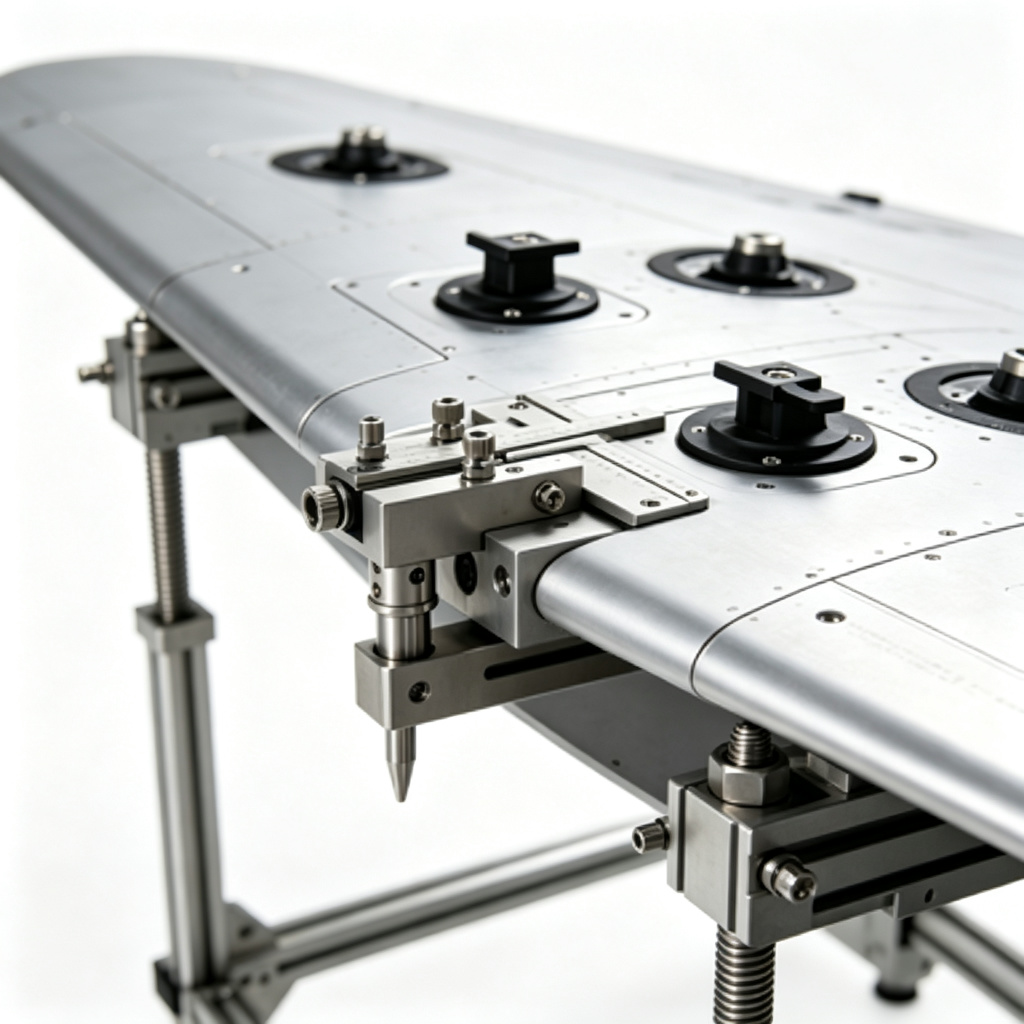
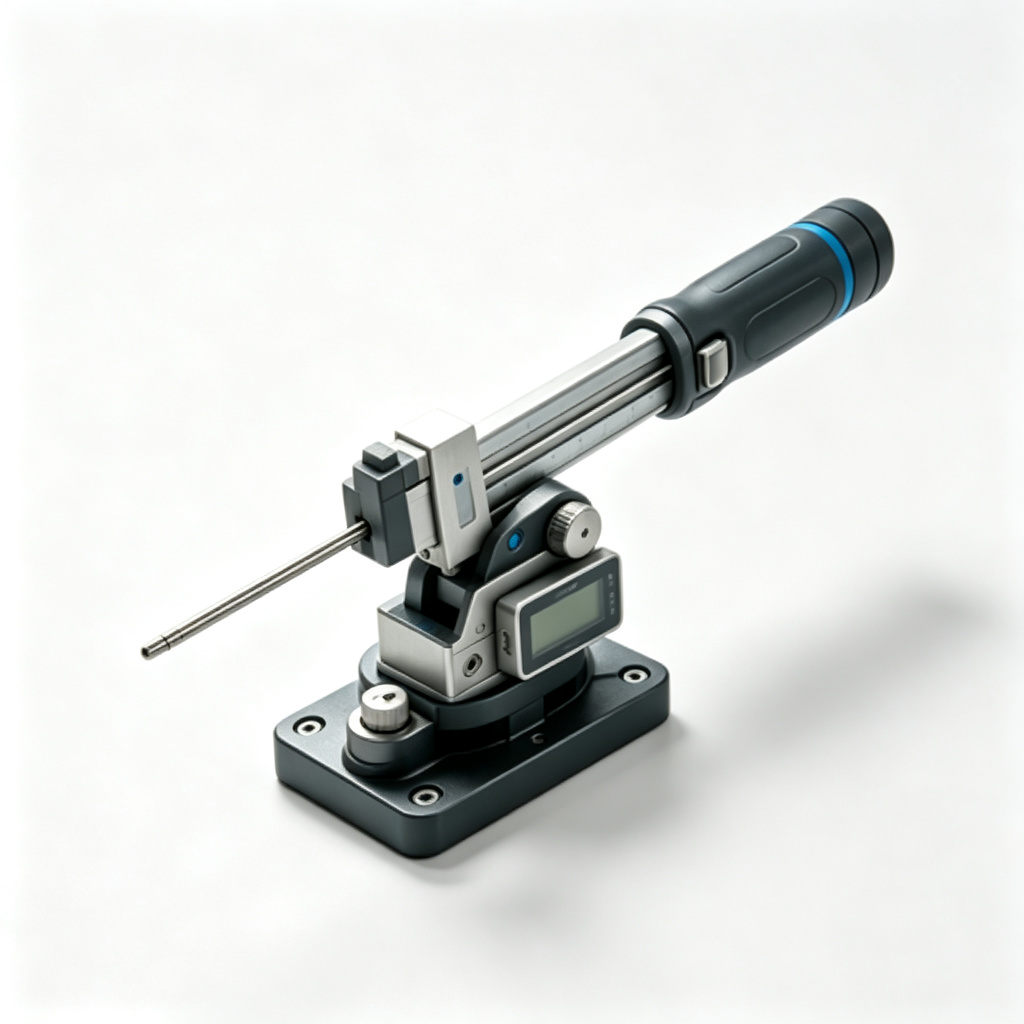
Aircraft composite repair tooling represents specialized equipment designed to facilitate the restoration and maintenance of composite materials used in modern aviation structures. This essential tooling encompasses a comprehensive range of devices including vacuum bagging systems, heat blankets, caul plates, pressure applicators, and specialized molds that ensure precise repair procedures. As composite materials continue to dominate aircraft construction due to their superior strength-to-weight ratios, the demand for reliable aircraft composite repair tooling has grown exponentially across commercial aviation, military operations, and maintenance facilities worldwide. These tools enable technicians to perform structural repairs that meet stringent aerospace standards while maintaining the original material properties and load-bearing capabilities. The primary functions include creating controlled temperature environments, applying uniform pressure during curing processes, and ensuring proper resin distribution throughout damaged areas. Modern aircraft composite repair tooling integrates advanced features such as digital temperature monitoring, automated pressure control, and reusable components that reduce operational costs. The technological sophistication of this equipment allows for both field repairs and hangar-based restoration work, accommodating everything from minor surface damage to complex structural reinforcements. Applications span across fuselage panels, wing components, tail sections, and interior structural elements, making aircraft composite repair tooling indispensable for maintaining airworthiness and extending aircraft service life while adhering to manufacturer specifications and regulatory compliance requirements.


New Product Releases

Investing in quality aircraft composite repair tooling delivers substantial cost savings by enabling in-house repair capabilities rather than outsourcing expensive manufacturer services or replacing entire components. Organizations can significantly reduce aircraft downtime since repairs are completed faster with proper tooling, allowing fleets to return to revenue-generating operations sooner. The precision offered by professional-grade aircraft composite repair tooling ensures repairs meet original equipment manufacturer standards, preserving structural integrity and maintaining aircraft value over time. Maintenance teams benefit from user-friendly designs that streamline complex procedures, reducing training time and minimizing the risk of procedural errors that could compromise safety or require rework. The versatility of modern repair tooling accommodates various composite systems including carbon fiber, fiberglass, and aramid materials, making it suitable for diverse aircraft types from small business jets to wide-body commercial airliners. Operational efficiency improves dramatically as technicians can perform multiple repair types using modular tooling components, eliminating the need for extensive inventory storage. The durability and reusability of aircraft composite repair tooling provide excellent return on investment, with many components lasting through hundreds of repair cycles when properly maintained. Environmental controls built into advanced tooling systems ensure optimal curing conditions regardless of ambient temperature or humidity, enabling year-round repair operations in various climates. This reliability translates to predictable maintenance schedules and budget forecasting for fleet operators. Furthermore, comprehensive aircraft composite repair tooling solutions support regulatory compliance documentation by providing consistent, repeatable processes that satisfy aviation authority requirements, protecting operators from liability while maintaining the highest safety standards for passengers and crew.

Latest News

Selecting Reliable GSE to Improve Ground Ops

15

Sep

Selecting Reliable GSE to Improve Ground Ops

Struggling with aircraft delays? Discover how choosing reliable GSE vendors improves turnaround time. Get your free vendor evaluation checklist.
View More
Key Steps to Evaluate Used Plane Engine Materials

14

Sep

Key Steps to Evaluate Used Plane Engine Materials

How to properly evaluate used plane engine materials for airworthiness, safety & compliance. Avoid costly failures—get the expert 10-step inspection protocol now.
View More
Cost-Effective APU Procurement for Multi-Fleets

15

Sep

Cost-Effective APU Procurement for Multi-Fleets

Struggling with rising APU costs across diverse fleets? Discover proven strategies to cut TCO by 30%+ through standardization Download the guide.
View More
Maximizing APU Reliability via Better Sourcing

15

Sep

Maximizing APU Reliability via Better Sourcing

Struggling with APU downtime and costly unscheduled maintenance? Discover how certified sourcing and traceability slash failure rates. Optimize your aircraft reliability now.
View More
Advanced Temperature Control Systems

Advanced Temperature Control Systems

Modern aircraft composite repair tooling features sophisticated thermal management capabilities that are critical for achieving proper cure cycles and ensuring structural integrity of repairs. Integrated heating elements with digital controllers maintain precise temperature profiles throughout the entire repair duration, typically ranging from ambient to 400 degrees Fahrenheit depending on the resin system being used. These systems incorporate multiple thermocouples that monitor temperature distribution across the repair area, automatically adjusting power output to compensate for heat loss at edges or in cooler environments. The importance of this temperature precision cannot be overstated, as insufficient heat leads to incomplete curing and weakened repairs, while excessive temperatures can degrade the composite matrix or surrounding structure. Advanced aircraft composite repair tooling provides programmable ramp rates and soak times that match manufacturer specifications exactly, with data logging capabilities that create permanent records for quality assurance and regulatory compliance. This feature eliminates guesswork and manual monitoring, allowing technicians to focus on other critical aspects of the repair process while maintaining confidence that thermal requirements are being met consistently across every repair operation.
Vacuum Bagging and Pressure Application

Vacuum Bagging and Pressure Application

The vacuum bagging capabilities integrated into professional aircraft composite repair tooling represent a cornerstone technology for achieving void-free, high-strength repairs that meet aerospace standards. This system creates negative pressure that removes trapped air, compacts repair plies, and ensures intimate contact between patch materials and the parent structure throughout the curing process. Quality aircraft composite repair tooling includes precision vacuum pumps capable of maintaining consistent pressure levels, typically between 22 to 28 inches of mercury, for extended periods without fluctuation. The value of reliable vacuum systems extends beyond simple air removal; proper pressure application drives excess resin from the repair zone, achieving optimal fiber-to-resin ratios that maximize mechanical properties. Advanced tooling incorporates vacuum monitoring gauges and leak detection capabilities that alert technicians to integrity issues before they compromise repair quality. Reusable vacuum bagging materials and fittings included with comprehensive aircraft composite repair tooling reduce consumable costs while maintaining environmental seals. This pressure control technology proves essential for both wet layup repairs and pre-impregnated material applications, making it universally applicable across different repair methodologies and material systems used throughout the aviation industry.
Modular and Portable Design Solutions

Modular and Portable Design Solutions

Contemporary aircraft composite repair tooling emphasizes modularity and portability, recognizing that repairs often occur in challenging locations ranging from remote airfields to crowded maintenance hangars with limited space. Lightweight construction using advanced materials allows technicians to transport complete repair kits to aircraft locations rather than moving aircraft to specialized repair stations, dramatically reducing logistics costs and scheduling complications. The modular architecture of professional aircraft composite repair tooling enables customization for specific repair scenarios, with interchangeable heating blankets, caul plates, and vacuum components that adapt to various damage sizes and locations. This flexibility proves invaluable when addressing repairs on contoured surfaces, access-restricted areas, or components that cannot be easily removed from the aircraft. Compact storage requirements mean facilities can maintain comprehensive repair capabilities without dedicating excessive warehouse space to specialized equipment. The portability factor extends the operational range of maintenance organizations, allowing them to provide on-site repair services that create competitive advantages and new revenue opportunities. Quick-connect fittings and intuitive setup procedures minimize preparation time, enabling faster response to aircraft-on-ground situations that have significant financial implications for operators.