Aircraft Handling Equipment - Ground Support

application/aircraft-handling-equipment, application/aircraft-handling-equipment, 
Inquiry
Inquiry

aircraft handling equipment

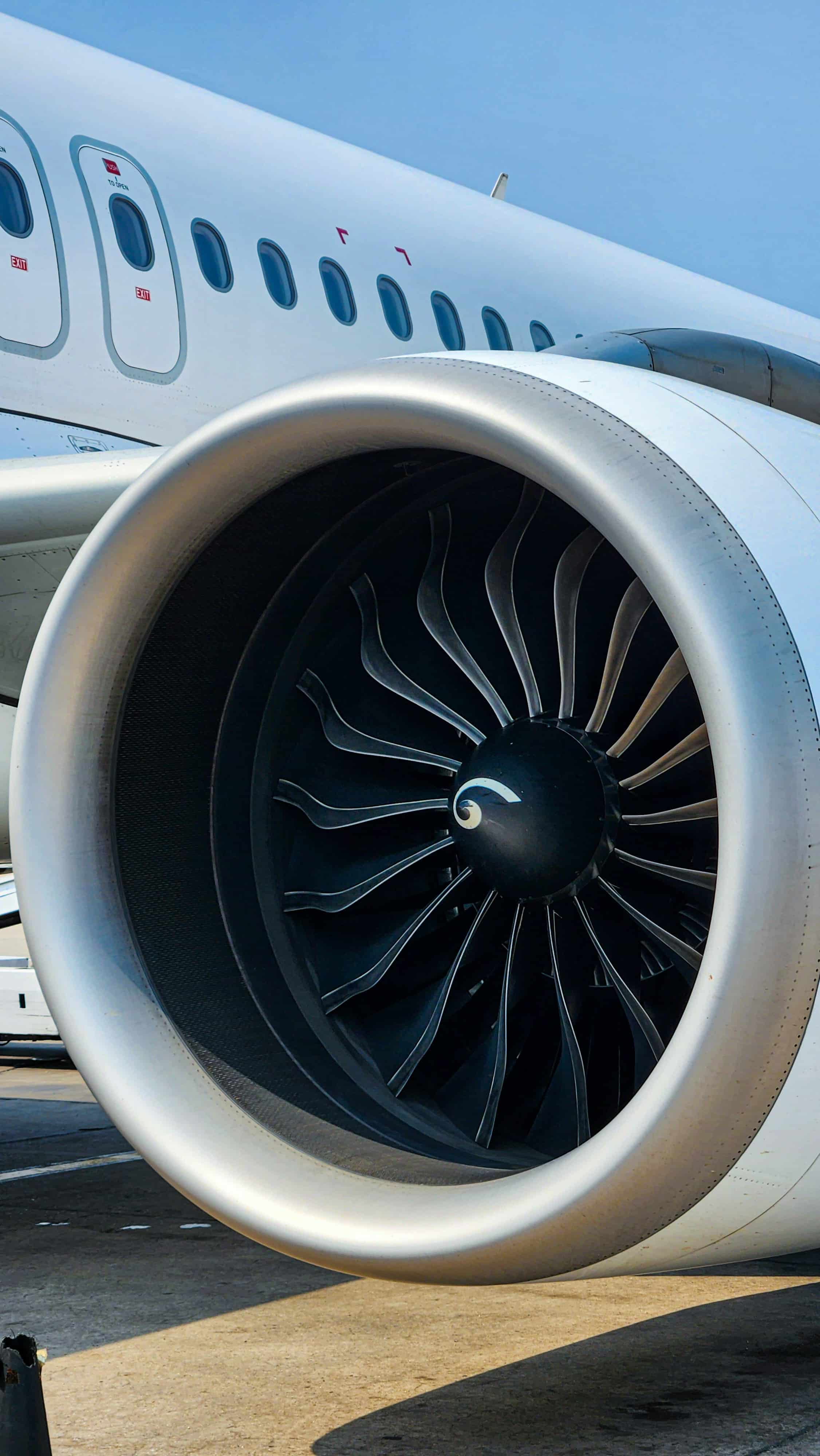
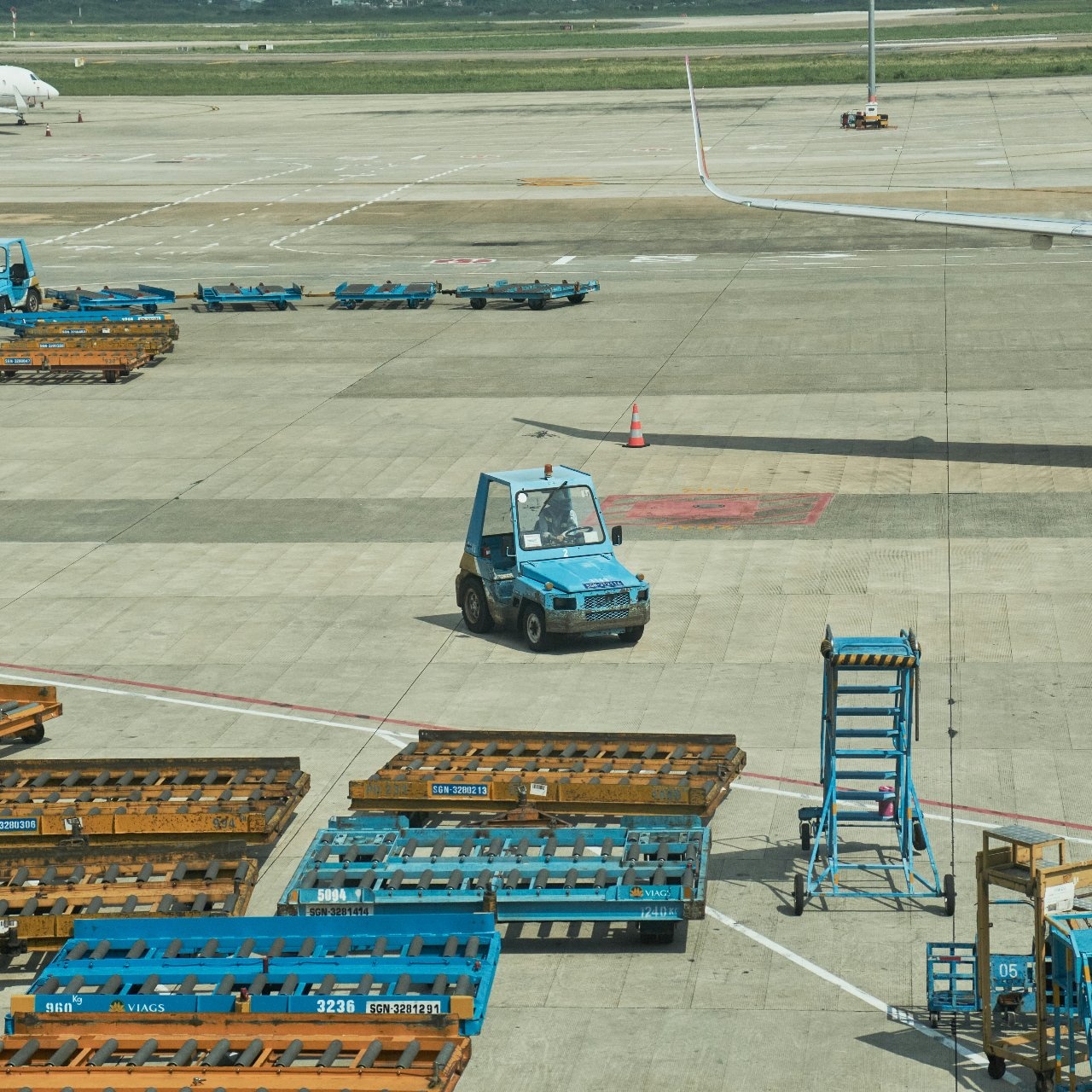
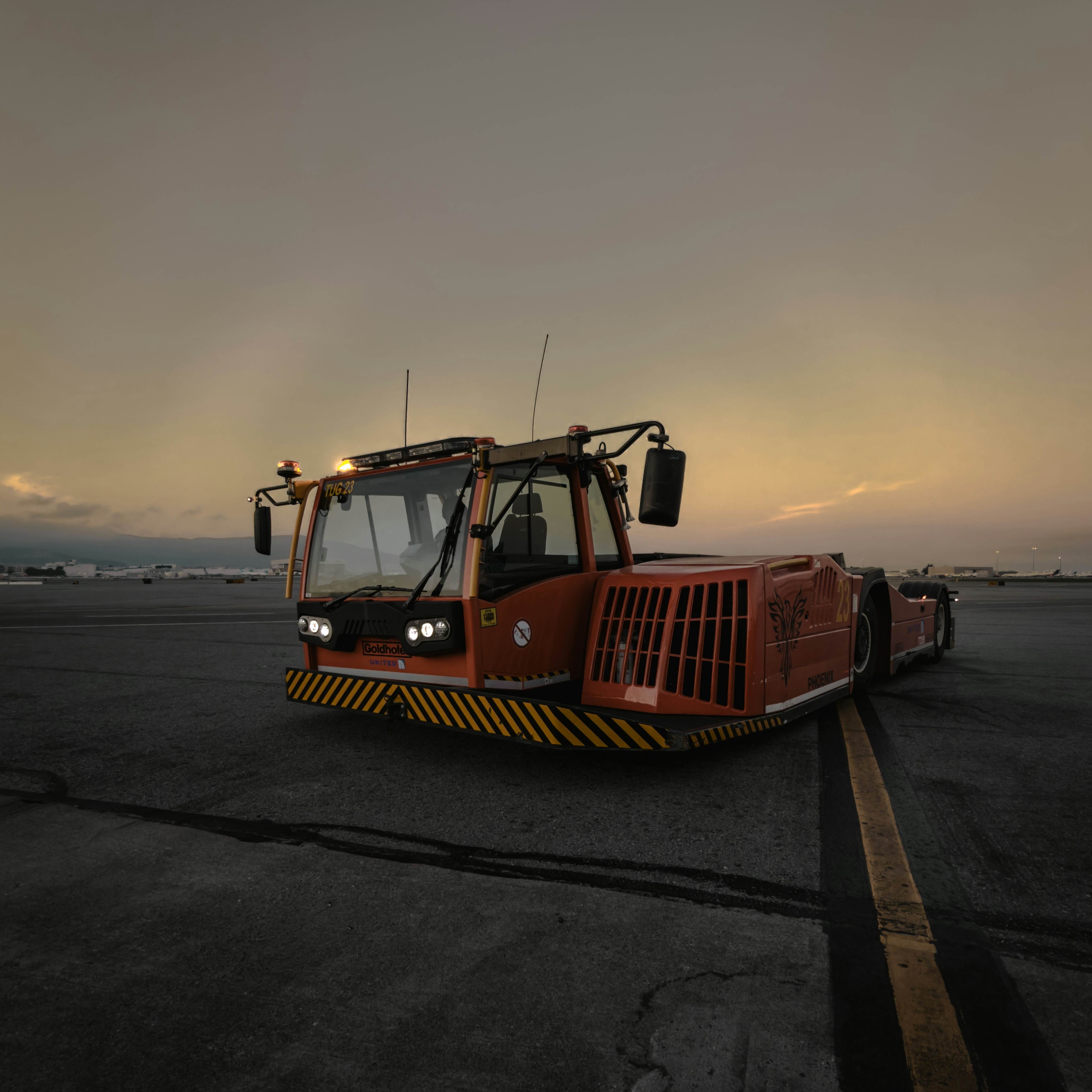
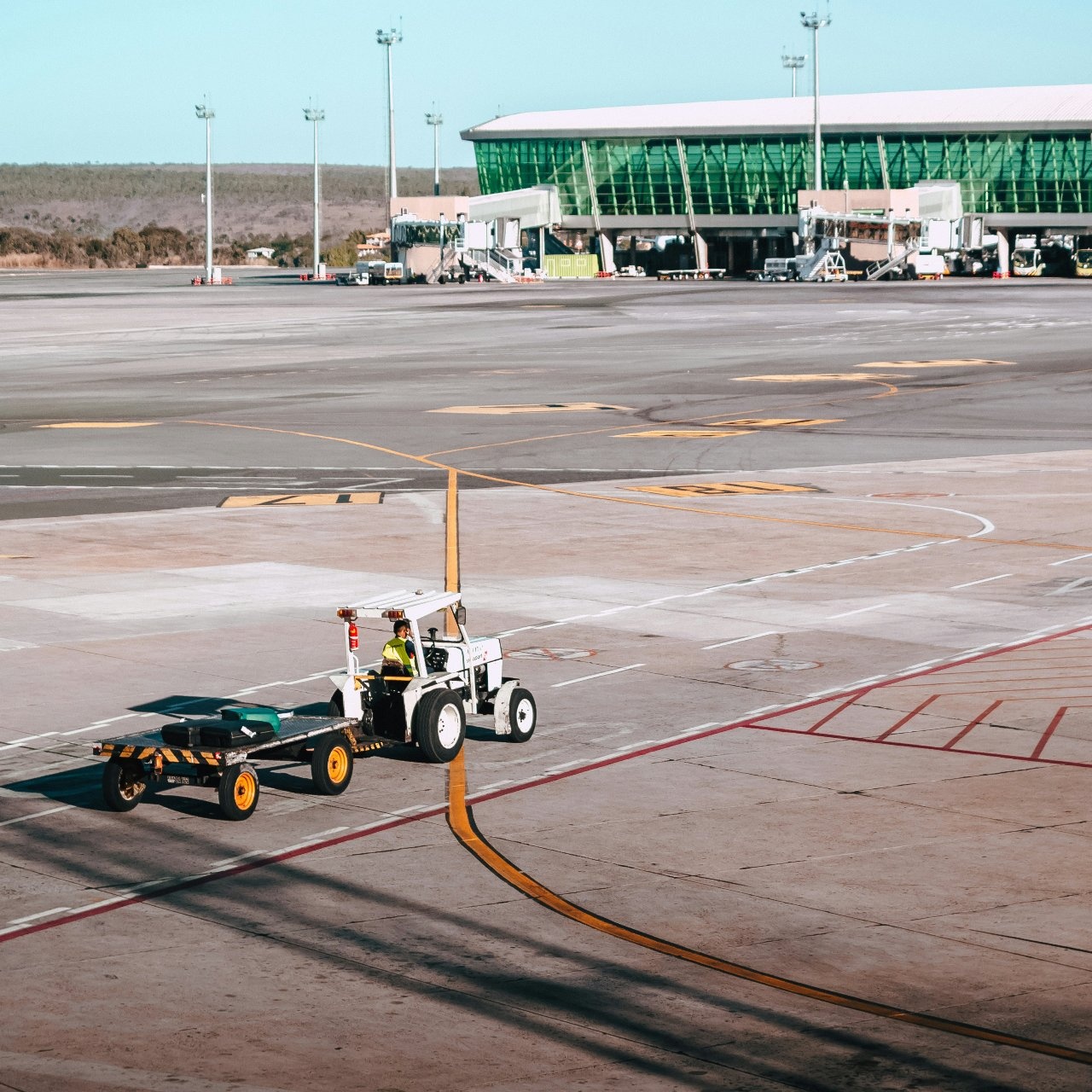
Aircraft handling equipment represents a critical category of specialized machinery designed to facilitate the safe and efficient movement, positioning, and maintenance of aircraft on the ground. This essential equipment encompasses a diverse range of tools and vehicles, including aircraft tugs, towbars, ground power units, hydraulic jacks, wheel chocks, and towing tractors. Each piece of aircraft handling equipment serves a specific purpose in ensuring that aircraft operations run smoothly from the moment they land until they take off again. Modern aircraft handling equipment integrates advanced hydraulic systems, precision control mechanisms, and robust construction materials to withstand the demanding conditions of airport environments. These systems enable ground crews to maneuver aircraft weighing hundreds of tons with remarkable precision and safety. The technological features of contemporary aircraft handling equipment include ergonomic operator controls, automated safety protocols, real-time monitoring systems, and compatibility with various aircraft types ranging from small regional jets to wide-body international carriers. Applications span across commercial airports, military airbases, maintenance hangars, and private aviation facilities. The equipment plays an indispensable role in reducing aircraft turnaround times, minimizing the risk of damage during ground operations, and ensuring compliance with stringent aviation safety standards. As aviation traffic continues to grow globally, the demand for reliable, efficient aircraft handling equipment has become increasingly vital for maintaining operational excellence and meeting the tight schedules that modern air travel demands.

New Product Releases

Investing in quality aircraft handling equipment delivers substantial operational benefits that directly impact your bottom line and service capabilities. The primary advantage lies in enhanced safety protocols that protect both your valuable aircraft assets and ground personnel from potential accidents or damage during pushback, towing, and positioning operations. Modern aircraft handling equipment reduces the physical strain on operators through powered assistance and ergonomic design, leading to improved workforce productivity and reduced injury-related costs. Time efficiency represents another significant benefit, as advanced aircraft handling equipment can dramatically reduce turnaround times between flights, allowing airports and airlines to maximize gate utilization and increase daily flight operations. The precision control systems built into contemporary equipment enable millimeter-accurate positioning, which is essential for tight gate configurations and hangar storage where space optimization is critical. Versatility across different aircraft types means a single piece of aircraft handling equipment can serve multiple aircraft models, providing excellent return on investment and reducing the need for specialized equipment for each aircraft variant. Maintenance facilities particularly benefit from hydraulic jacking systems and positioning equipment that facilitate access to critical aircraft components for inspection and repair work. The durability and weather resistance of professional-grade aircraft handling equipment ensure consistent performance across diverse environmental conditions, from extreme heat to freezing temperatures. Operational cost savings emerge through reduced fuel consumption compared to using aircraft engines for taxiing, lower maintenance expenses from preventing aircraft damage, and improved scheduling reliability. For operators making purchasing decisions, aircraft handling equipment represents a strategic investment that enhances competitive positioning, ensures regulatory compliance, and supports sustainable growth in aviation operations while delivering measurable improvements in safety metrics and operational efficiency.

Latest News

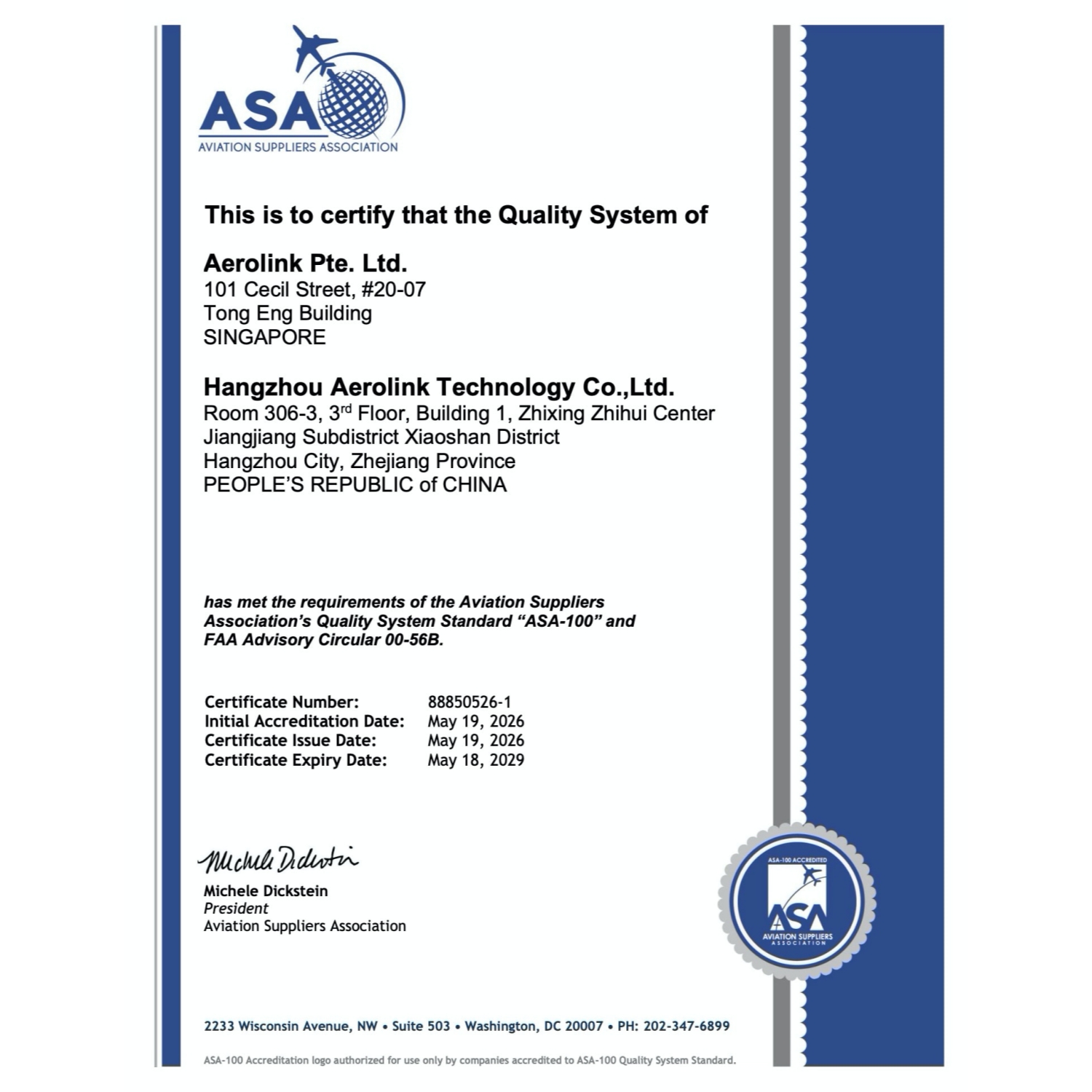
AeroLink Successfully Obtains ASA-100 and CAMAC Aviation Material Distributor Certifications

16

Jun

AeroLink Successfully Obtains ASA-100 and CAMAC Aviation Material Distributor Certifications

View More
Why Traceable Tools Are Vital for Compliance

15

Sep

Why Traceable Tools Are Vital for Compliance

Why traceable tools are non-negotiable for audit readiness, legal protection, and operational excellence.
View More
Cost-Effective Procurement Strategies for Tools

15

Sep

Cost-Effective Procurement Strategies for Tools

Cut tool costs by 15–25% with proven procurement strategies: TCO analysis, supplier consolidation, preventive maintenance & tech-enabled management. Optimize value—start now.
View More
Superior Maneuverability and Precision Control

Superior Maneuverability and Precision Control

The advanced maneuverability systems integrated into modern aircraft handling equipment revolutionize ground operations by providing operators with unprecedented control accuracy. Sophisticated hydraulic steering mechanisms combined with variable speed controls allow ground crews to navigate aircraft through confined spaces with confidence and precision. This capability is particularly valuable in congested airport environments where gates are positioned closely together and maneuvering clearances are measured in inches rather than feet. The precision control features of aircraft handling equipment include responsive braking systems, smooth acceleration curves, and intuitive operator interfaces that reduce the learning curve for new personnel. Many systems incorporate electronic stability controls and automatic safety cutoffs that prevent equipment overload or unsafe operating conditions. The result is significantly reduced risk of ground incidents, lower insurance costs, and the ability to operate efficiently in challenging spatial constraints. Operators appreciate how these control systems minimize the physical effort required while maximizing positioning accuracy, enabling even complex aircraft movements to be completed safely and efficiently within tight operational windows.
Robust Construction for Long-Term Reliability

Robust Construction for Long-Term Reliability

Professional aircraft handling equipment is engineered with heavy-duty construction standards that ensure dependable performance throughout years of demanding service. Manufacturers utilize high-grade steel alloys, corrosion-resistant coatings, and industrial-strength components specifically selected to withstand the continuous stress of moving multi-ton aircraft in harsh airport environments. The robust construction extends to critical systems including powertrains, hydraulic circuits, and structural frames, all designed with substantial safety margins beyond normal operating loads. This durability translates directly into lower total cost of ownership through reduced maintenance requirements, fewer unexpected breakdowns, and extended equipment lifespan. Quality aircraft handling equipment maintains its performance characteristics even after thousands of operational cycles, providing consistent reliability that operations managers depend upon for maintaining flight schedules. The weather-resistant design features protect sensitive components from moisture, temperature extremes, and corrosive elements commonly encountered in coastal or industrial airport locations. Investment in solidly constructed aircraft handling equipment pays dividends through minimized downtime, sustained operational readiness, and the confidence that comes from using equipment built to professional aviation industry standards rather than compromise solutions.
Comprehensive Safety Features and Compliance

Comprehensive Safety Features and Compliance

Safety represents the paramount concern in aviation ground operations, and modern aircraft handling equipment incorporates multiple layers of protective features designed to prevent accidents and ensure regulatory compliance. Integrated safety systems include automatic overload protection that prevents operators from exceeding safe towing capacities, emergency stop mechanisms accessible from multiple positions, and visual warning indicators that alert personnel to potential hazards. Many aircraft handling equipment models feature fail-safe braking systems that engage automatically if hydraulic pressure drops or operator control is lost. Communication systems enable coordination between equipment operators and aircraft crews during critical maneuvering phases. The equipment design incorporates visibility enhancements such as strategically positioned mirrors, cameras, and lighting systems that eliminate blind spots and ensure operators maintain full situational awareness. Compliance with international aviation ground support equipment standards is built into professional aircraft handling equipment, providing documentation and certification that satisfies regulatory audits and insurance requirements. Training compatibility features help organizations maintain qualified operator pools through intuitive controls and standardized operating procedures. These comprehensive safety features protect your organization from liability exposure while creating a culture of safety excellence that enhances reputation and operational confidence across all ground handling activities involving aircraft positioning and movement.