Aircraft Maintenance Stands | Safety & Efficiency

application/aircraft-maintenance-stands, application/aircraft-maintenance-stands, 
Inquiry
Inquiry

aircraft maintenance stands

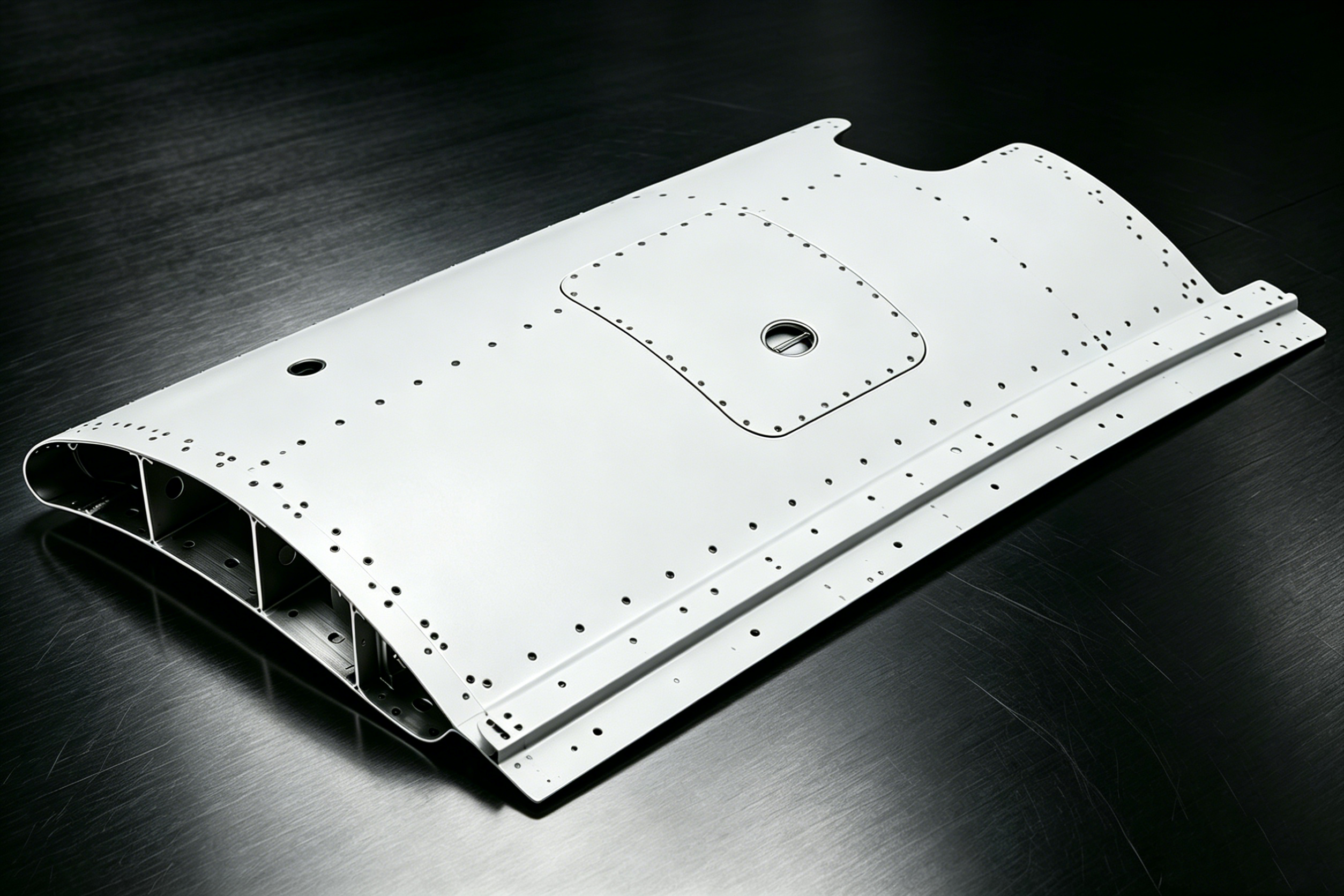
Aircraft maintenance stands are specialized elevated platforms designed to provide safe and stable access to various parts of an aircraft during inspection, repair, and routine maintenance operations. These essential ground support equipment units enable technicians and engineers to reach critical areas such as engines, wings, fuselage sections, and tail assemblies with ease and security. Modern aircraft maintenance stands incorporate advanced safety features including non-slip surfaces, guardrails, adjustable height mechanisms, and robust construction materials that comply with international aviation safety standards. The primary functions of aircraft maintenance stands include facilitating comprehensive pre-flight inspections, enabling efficient component replacement, supporting detailed system diagnostics, and allowing thorough cleaning operations. Technological features often include hydraulic or electric height adjustment systems, ergonomic platform designs, wheel locking mechanisms for stability, and weather-resistant materials suitable for both hangar and outdoor use. These stands are engineered to accommodate various aircraft types, from small regional jets to wide-body commercial airliners and military aircraft. Applications span across commercial aviation maintenance facilities, military air bases, private jet maintenance operations, and manufacturing assembly lines. The versatility of aircraft maintenance stands makes them indispensable tools in the aviation industry, directly contributing to aircraft safety, operational efficiency, and maintenance workflow optimization. Their design prioritizes worker safety while maximizing accessibility to aircraft components that require regular attention and servicing throughout an aircraft's operational lifecycle.

New Product Recommendations

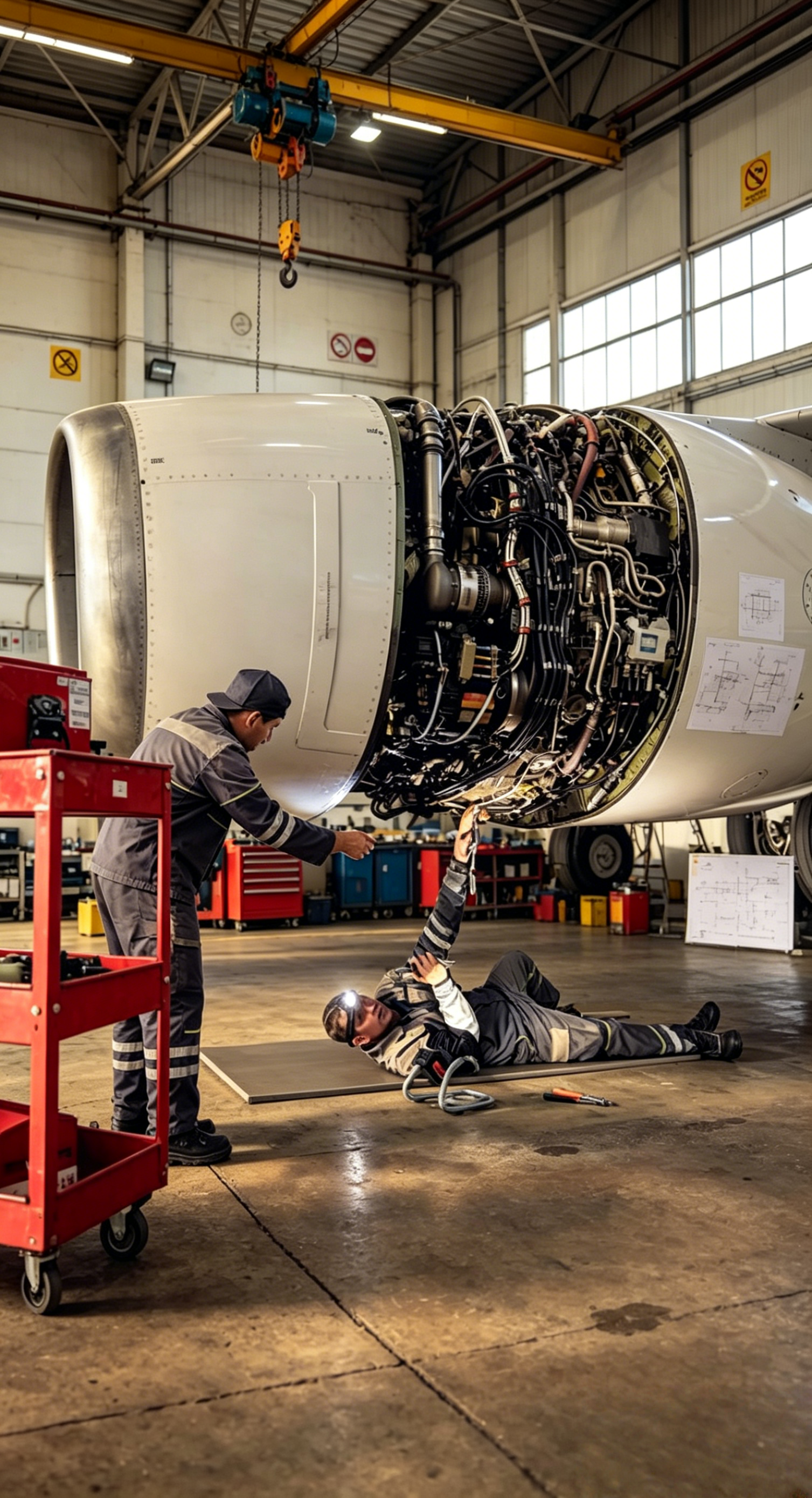
Investing in quality aircraft maintenance stands delivers substantial operational benefits that directly impact your bottom line and workplace safety standards. These platforms significantly reduce maintenance time by providing immediate, stable access to aircraft components without complicated setup procedures, allowing your technicians to complete tasks faster and move between maintenance points efficiently. The enhanced safety features protect your workforce from falls and injuries, reducing insurance costs and liability concerns while creating a more confident working environment. Aircraft maintenance stands eliminate the need for makeshift solutions or unsafe practices, ensuring compliance with occupational safety regulations and aviation industry standards. The adjustable height capabilities mean a single stand can service multiple aircraft types and access points, maximizing your equipment investment and reducing the need for multiple specialized units. This versatility translates to lower capital expenditure and reduced storage space requirements in your facility. The robust construction ensures long-term durability, withstanding daily use in demanding environments without frequent repairs or replacements, providing excellent return on investment over years of service. For maintenance operations, these stands improve work quality by positioning technicians at optimal working heights, reducing fatigue and physical strain that can lead to errors or incomplete inspections. The mobility features allow quick repositioning around aircraft, streamlining workflow and reducing aircraft ground time, which is critical for commercial operators where every minute of downtime represents lost revenue. Aircraft maintenance stands also enhance your facility's professional image, demonstrating commitment to proper equipment and safety standards that reassure clients and regulatory inspectors. The practical benefits extend to training scenarios, where new technicians can learn procedures safely, and to emergency maintenance situations where rapid, secure access can minimize operational disruptions.

Latest News

Ensuring Landing Gear Safety with Certified Parts

15

Sep

Ensuring Landing Gear Safety with Certified Parts

Why certified landing gear prevents runway incidents and meets FAA/EASA standards. Learn how to source, verify, and maintain compliant parts—get the guide now.
View More
Sourcing Traceable APU Spare Parts Efficiently

14

Sep

Sourcing Traceable APU Spare Parts Efficiently

Struggling with APU part delays and audit risks? Discover how to source traceable APU spare parts efficiently while ensuring FAA/EASA compliance. Get actionable steps now.
View More
Advanced Height Adjustment Technology

Advanced Height Adjustment Technology

Modern aircraft maintenance stands feature sophisticated height adjustment systems that set them apart from conventional platforms. Hydraulic and electric mechanisms allow precise positioning from ground level to heights exceeding 30 feet, accommodating everything from small business jets to large commercial aircraft. This technology enables operators to achieve exact working heights for specific maintenance tasks, whether accessing engine components, inspecting wing surfaces, or servicing tail sections. The smooth adjustment process eliminates jarring movements that could compromise stability or worker safety. Control systems are designed for intuitive operation, often featuring both platform-mounted and ground-level controls for maximum flexibility. Emergency descent mechanisms provide additional safety assurance, allowing controlled lowering in power failure situations. The precision of these systems means technicians spend less time positioning equipment and more time performing actual maintenance work. This technological sophistication represents a significant advancement over fixed-height stands or manual adjustment systems, delivering measurable improvements in operational efficiency. For facilities servicing diverse aircraft fleets, this adaptability eliminates the need for multiple specialized stands, consolidating equipment investments while expanding service capabilities across your entire operation.
Comprehensive Safety Integration

Comprehensive Safety Integration

Safety features integrated into aircraft maintenance stands reflect decades of industry experience and regulatory development, creating work environments that protect personnel while maximizing productivity. Multi-level guardrail systems surround platform perimeters, preventing accidental falls while allowing technicians freedom of movement for complex tasks. Non-slip platform surfaces maintain traction even in wet or oily conditions commonly encountered in maintenance environments, reducing slip hazards that contribute to workplace injuries. Toe boards prevent tools and components from falling onto personnel or aircraft surfaces below, protecting both workers and valuable equipment. Wheel locking systems provide absolute stability during use, with visual indicators confirming secure positioning before technicians ascend. Many aircraft maintenance stands incorporate integrated safety harness attachment points, offering additional fall protection for particularly challenging access situations. Emergency stop controls positioned at multiple locations enable immediate cessation of movement if hazards develop. The structural engineering behind these stands accounts for dynamic loads, wind forces, and extended reach scenarios, ensuring stability under real-world conditions. Color-coded safety markings and clear operational signage reduce the risk of improper use. These comprehensive safety integrations not only protect your workforce but also demonstrate regulatory compliance, satisfy insurance requirements, and create the professional working conditions that attract and retain skilled aviation maintenance technicians.
Versatile Application Adaptability

Versatile Application Adaptability

The adaptability of aircraft maintenance stands across diverse aviation maintenance scenarios represents exceptional value for operators managing varied workloads and aircraft types. Modular platform designs accommodate different working configurations, from narrow access requirements for confined fuselage areas to extended platforms for broad wing surface inspections. Adjustable outriggers and stabilizers enable safe positioning on uneven surfaces or around obstacles common in crowded hangar environments and outdoor maintenance areas. Quick-release mechanisms allow rapid configuration changes between maintenance tasks, eliminating downtime associated with equipment switching. The mobility systems, featuring heavy-duty casters with directional locks, enable single-person repositioning despite substantial equipment weight, improving workflow efficiency in fast-paced maintenance operations. Weather-resistant construction materials ensure reliable performance in both climate-controlled hangars and exposed ramp locations, extending equipment utility across your entire facility. Aircraft maintenance stands designed with universal compatibility support maintenance operations on regional turboprops, narrow-body jets, wide-body commercial aircraft, cargo freighters, and specialized military platforms. This versatility proves particularly valuable for maintenance repair and overhaul facilities, fixed-base operators, and airlines with mixed fleets. The ability to deploy the same equipment across multiple aircraft types and maintenance scenarios maximizes utilization rates, improves return on investment, and simplifies equipment management, training requirements, and spare parts inventory compared to maintaining multiple specialized access solutions.