Aircraft Mechanics Tools - Professional Aviation

application/aircraft-mechanics-tools, application/aircraft-mechanics-tools, 
Inquiry
Inquiry

aircraft mechanics tools

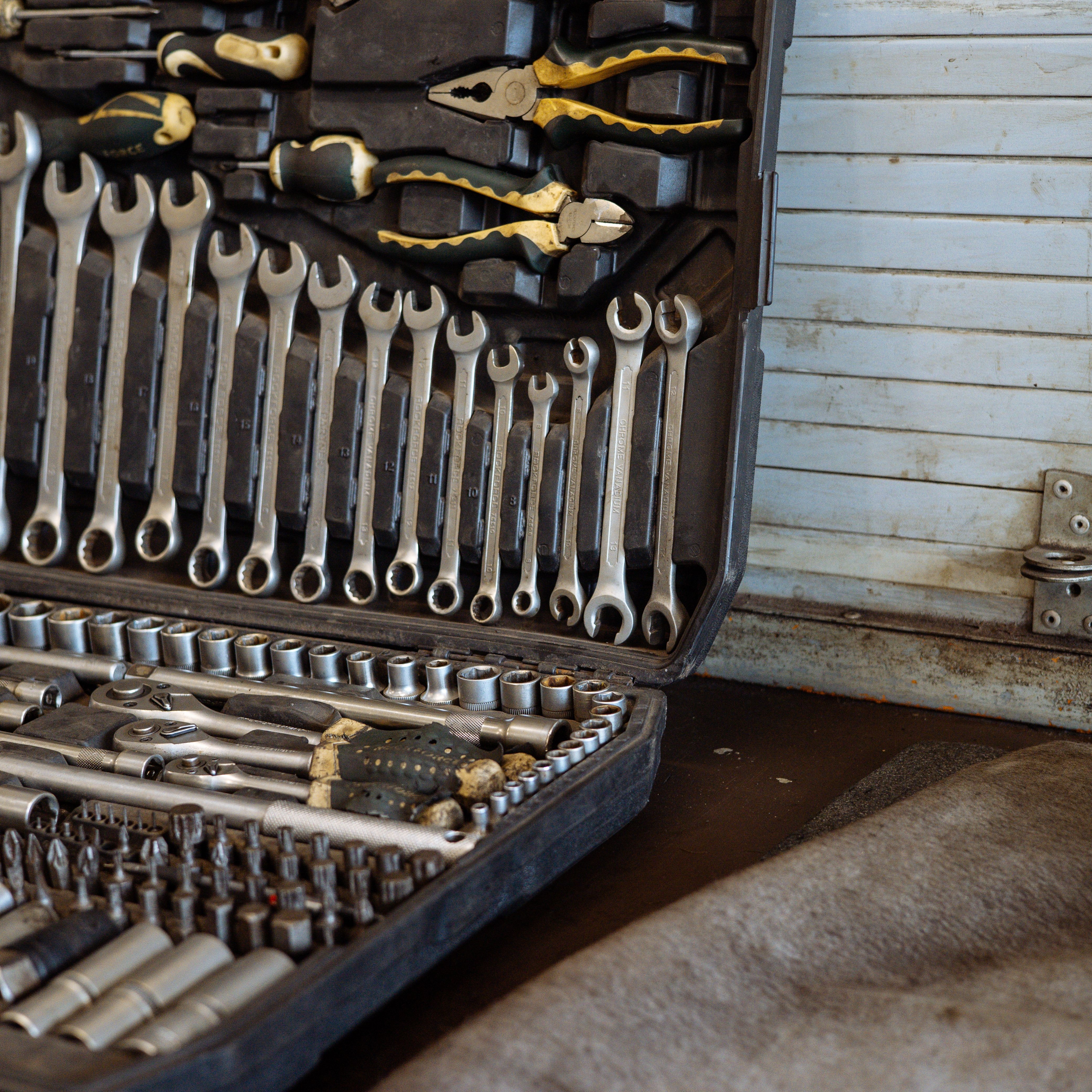
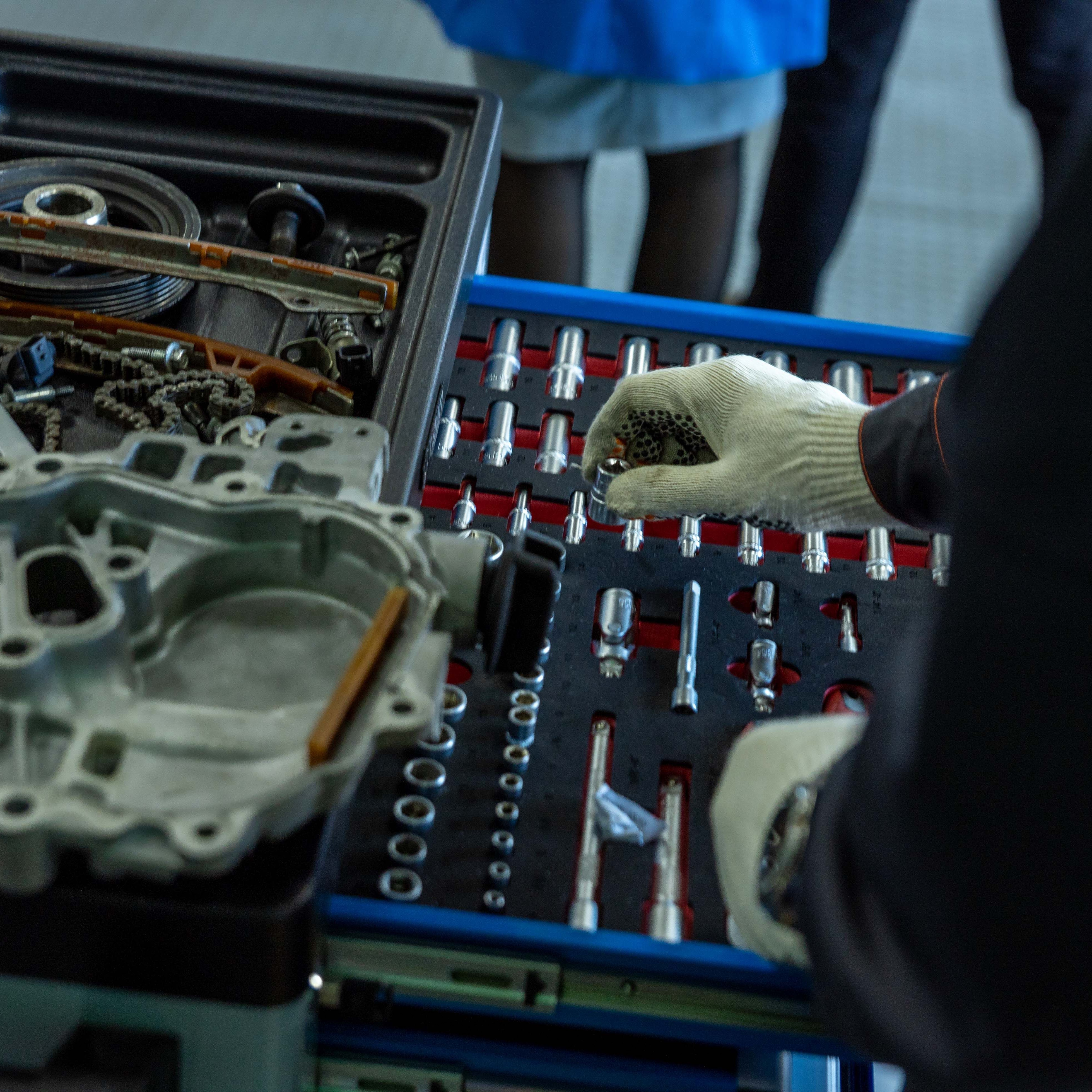
Aircraft mechanics tools represent a specialized collection of precision instruments and equipment designed specifically for the maintenance, repair, and overhaul of aircraft systems. These professional-grade tools are engineered to meet the demanding requirements of aviation maintenance, where safety, precision, and reliability are paramount. The main functions of aircraft mechanics tools include performing routine inspections, executing complex repairs, conducting diagnostic testing, and ensuring compliance with stringent aviation safety standards. Technological features of aircraft mechanics tools incorporate advanced materials such as aerospace-grade alloys, corrosion-resistant coatings, and ergonomic designs that reduce operator fatigue during extended maintenance sessions. Many modern aircraft mechanics tools integrate calibrated torque specifications, non-magnetic properties to prevent interference with sensitive avionics, and traceability features for quality control documentation. Applications span across various aviation sectors including commercial airlines, military aviation, general aviation, helicopter operations, and aircraft manufacturing facilities. From basic hand tools like specialized wrenches and pliers to sophisticated diagnostic equipment and pneumatic systems, aircraft mechanics tools enable technicians to service everything from airframe structures and powerplant systems to hydraulic components and electronic systems. The comprehensive nature of aircraft mechanics tools ensures that maintenance personnel can address any technical challenge while maintaining the highest standards of airworthiness and operational safety that the aviation industry demands.

New Product Releases

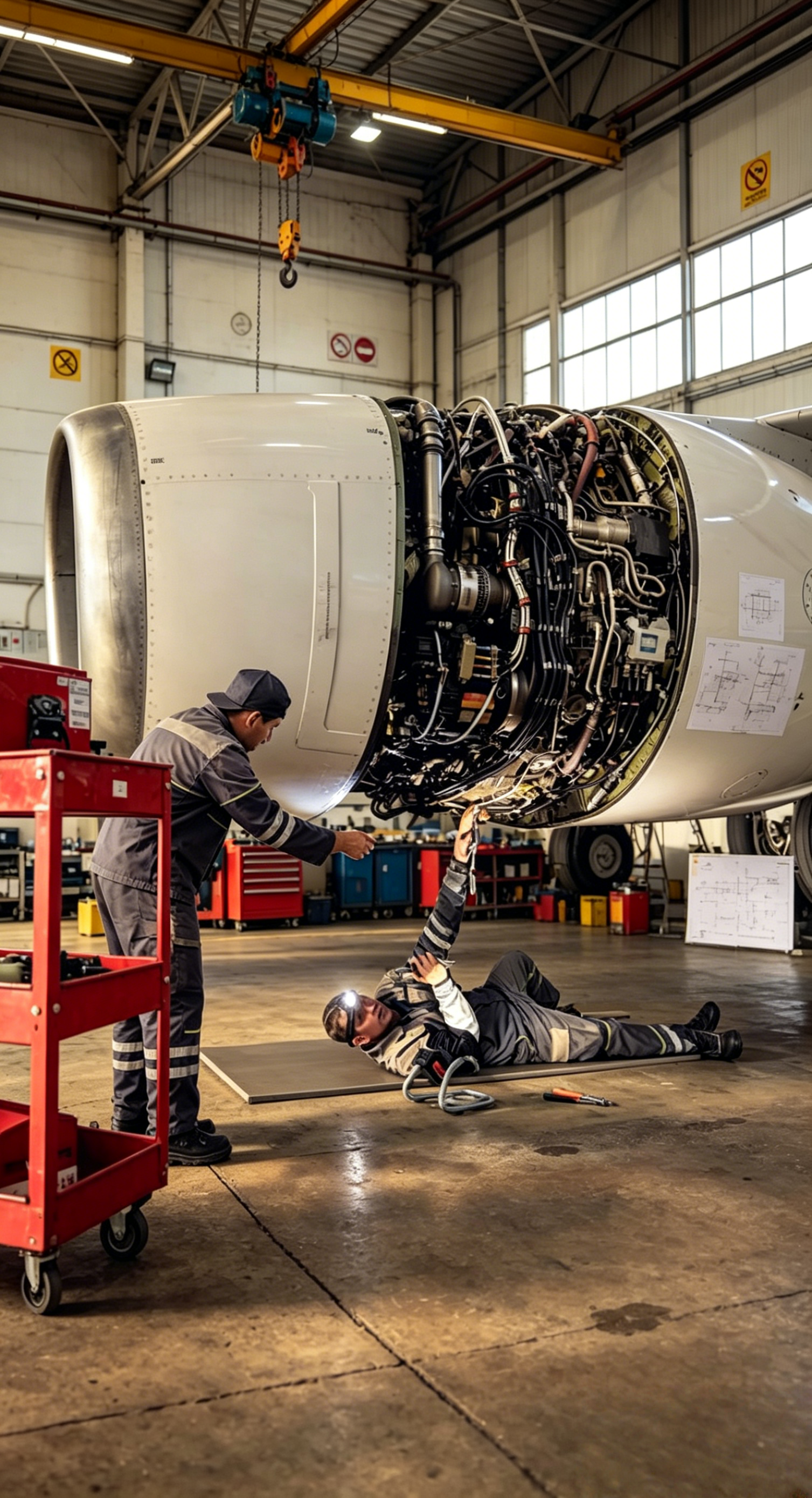
Investing in quality aircraft mechanics tools delivers substantial practical benefits that directly impact your operational efficiency and bottom line. These specialized tools significantly reduce maintenance turnaround time, allowing your team to complete inspections and repairs faster without compromising quality standards. This time savings translates into increased aircraft availability, maximizing your fleet utilization and revenue generation potential. The precision engineering of aircraft mechanics tools minimizes the risk of component damage during maintenance procedures, protecting your expensive aircraft parts and reducing costly replacement expenses. Superior ergonomics built into aircraft mechanics tools decrease technician fatigue and workplace injuries, lowering insurance costs and improving team morale while boosting productivity throughout extended shifts. The durability of professional aircraft mechanics tools means fewer tool replacements over time, providing excellent long-term value despite higher initial investment compared to general-purpose alternatives. Compliance advantages are substantial as aircraft mechanics tools meet regulatory requirements from aviation authorities, helping you pass audits and maintain certifications without complications. The specialized design of aircraft mechanics tools ensures compatibility with unique aircraft fasteners, access panels, and components that standard tools simply cannot accommodate effectively. Enhanced safety features protect both your technicians and aircraft from damage, reducing liability exposure and insurance premiums. The diagnostic capabilities of advanced aircraft mechanics tools enable proactive maintenance strategies, catching potential failures before they cause costly aircraft-on-ground situations or safety incidents. For operators managing multiple aircraft types, comprehensive aircraft mechanics tools provide the versatility needed to service diverse fleets efficiently without maintaining separate tool inventories for each aircraft model.

Latest News

Ensuring Landing Gear Safety with Certified Parts

15

Sep

Ensuring Landing Gear Safety with Certified Parts

Why certified landing gear prevents runway incidents and meets FAA/EASA standards. Learn how to source, verify, and maintain compliant parts—get the guide now.
View More
Cost-Effective Procurement Strategies for Tools

15

Sep

Cost-Effective Procurement Strategies for Tools

Cut tool costs by 15–25% with proven procurement strategies: TCO analysis, supplier consolidation, preventive maintenance & tech-enabled management. Optimize value—start now.
View More
Sourcing Certified GSE Spares with Traceability

15

Sep

Sourcing Certified GSE Spares with Traceability

Struggling with aviation compliance risks? Source certified GSE spares with end-to-end traceability to ensure AS9100/ISO 9001 compliance. Download best practices now.
View More
Selecting Reliable GSE to Improve Ground Ops

15

Sep

Selecting Reliable GSE to Improve Ground Ops

Struggling with aircraft delays? Discover how choosing reliable GSE vendors improves turnaround time. Get your free vendor evaluation checklist.
View More
Precision Engineering for Critical Safety Applications

Precision Engineering for Critical Safety Applications

Aircraft mechanics tools are manufactured to exacting tolerances that far exceed standard industrial tool specifications, ensuring every maintenance task meets aviation safety requirements. The precision built into aircraft mechanics tools prevents over-torquing of critical fasteners, which could lead to structural failures, and under-torquing, which might allow components to loosen during flight operations. Calibrated torque wrenches, for example, provide repeatable accuracy within narrow specifications mandated by aircraft manufacturers and regulatory bodies. This precision extends to dimensional accuracy in sockets, wrenches, and specialty tools that must fit aircraft components perfectly without causing wear or damage to expensive parts. The materials used in aircraft mechanics tools resist deformation under stress, maintaining their accuracy through thousands of use cycles. Non-sparking materials in certain aircraft mechanics tools prevent ignition risks when working near fuel systems or in explosive atmospheres. The traceability features integrated into professional aircraft mechanics tools allow maintenance organizations to document tool calibration history, satisfying audit requirements and demonstrating compliance with quality management systems that govern aviation maintenance operations worldwide.
Comprehensive Coverage for Diverse Maintenance Needs

Comprehensive Coverage for Diverse Maintenance Needs

Modern aircraft mechanics tools encompass an extensive range of specialized equipment designed to address every maintenance scenario encountered in aviation operations. From sheet metal tools for airframe repairs to specialized crimping tools for electrical connections, aircraft mechanics tools provide complete capability coverage that eliminates the frustration of lacking the right tool for critical jobs. Safety wire pliers specific to aircraft mechanics tools create the twisted locking mechanisms required for securing critical fasteners according to aviation standards. Borescopes and inspection mirrors allow technicians to examine internal structures without disassembly, saving hours of labor while providing thorough inspection capability. Specialized pullers and installation tools for bearings, seals, and bushings prevent damage during component replacement procedures. Hydraulic and pneumatic testing equipment within the aircraft mechanics tools category enables pressure testing and system troubleshooting that identifies leaks and performance issues quickly. The comprehensive nature of aircraft mechanics tools means maintenance facilities can handle scheduled inspections, unscheduled repairs, modification installations, and major overhauls without outsourcing work due to tooling limitations, maintaining schedule control and protecting profit margins.
Durability That Withstands Demanding Aviation Environments

Durability That Withstands Demanding Aviation Environments

Aircraft mechanics tools are built to endure the harsh conditions typical of aviation maintenance environments, from outdoor ramp operations exposed to weather extremes to hangar facilities with temperature variations and chemical exposures. The corrosion-resistant finishes applied to aircraft mechanics tools prevent rust and degradation even when exposed to hydraulic fluids, fuel, cleaning solvents, and moisture that would quickly damage ordinary tools. Heat-treated alloy construction provides strength that resists breakage under high-stress applications, protecting technicians from injury and preventing damage to aircraft components that could occur if inferior tools failed during use. The robust construction of aircraft mechanics tools maintains dimensional stability and functional integrity through years of professional use, providing reliable performance that justifies their professional-grade pricing. Replaceable components in many aircraft mechanics tools extend service life economically, allowing wear items like drive tips or cutting edges to be renewed without replacing entire tools. This exceptional durability reduces the total cost of ownership significantly compared to frequently replacing consumer-grade alternatives that cannot withstand professional aviation maintenance demands, making aircraft mechanics tools a sound financial investment for any serious maintenance operation.