Aircraft Tooling for MRO Operations Guide

application/aircraft-tooling-for-mro-operations, application/aircraft-tooling-for-mro-operations, 
Inquiry
Inquiry

aircraft tooling for mro operations

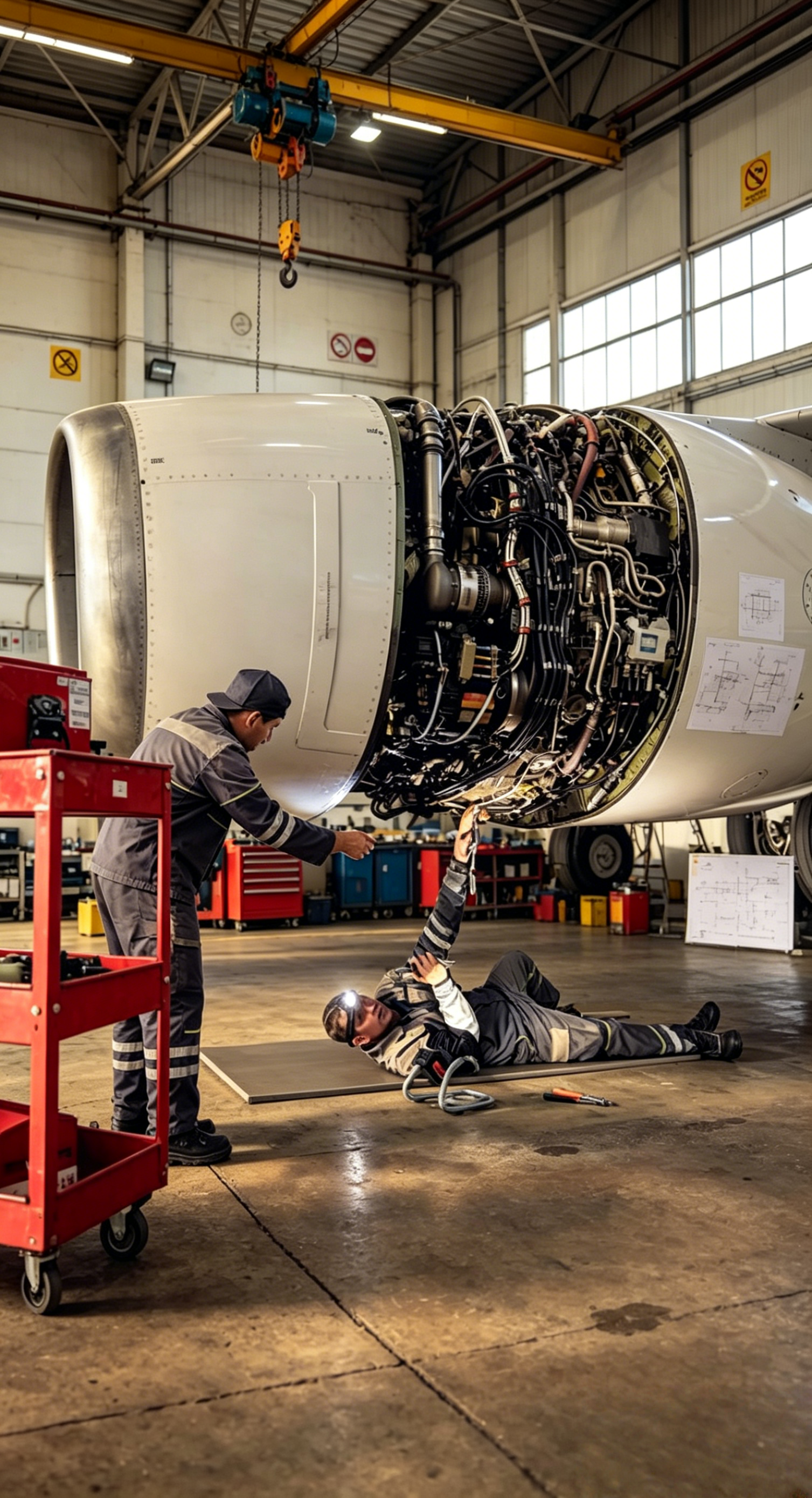
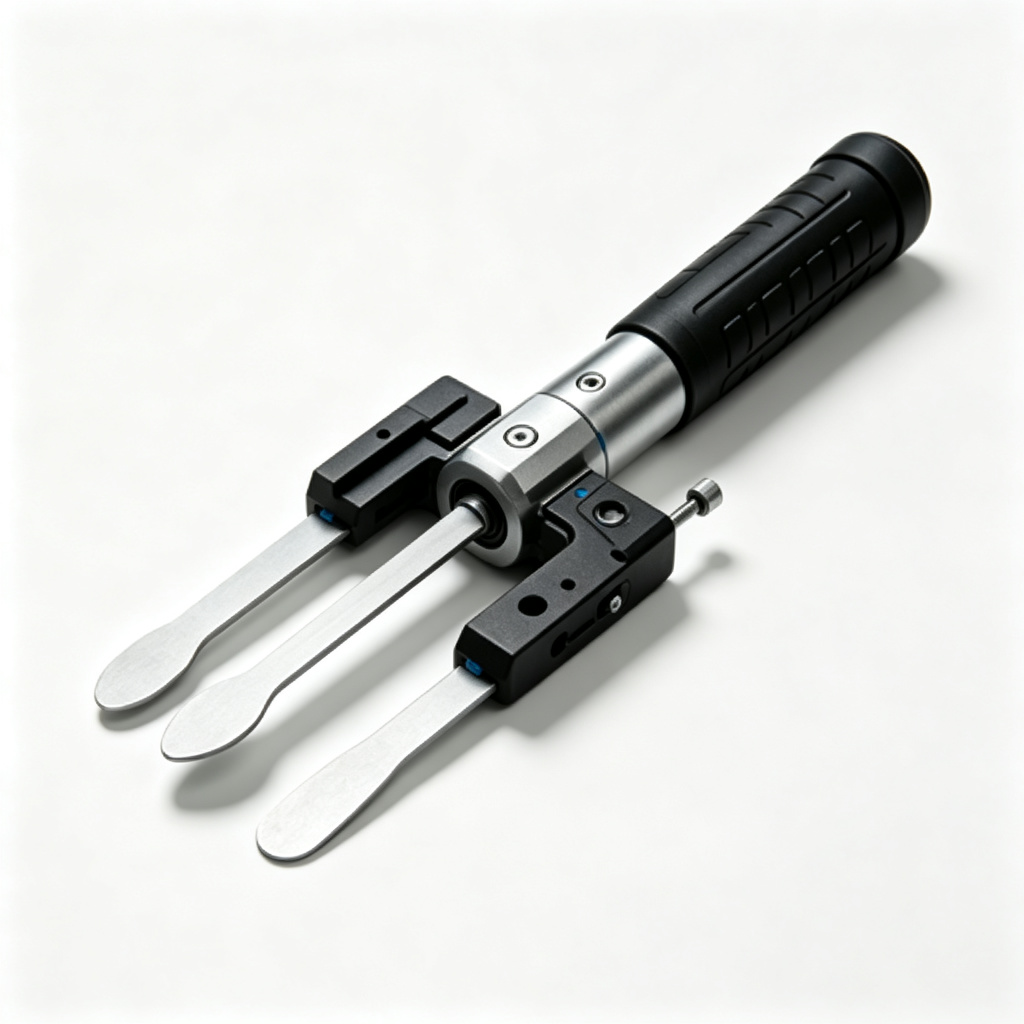
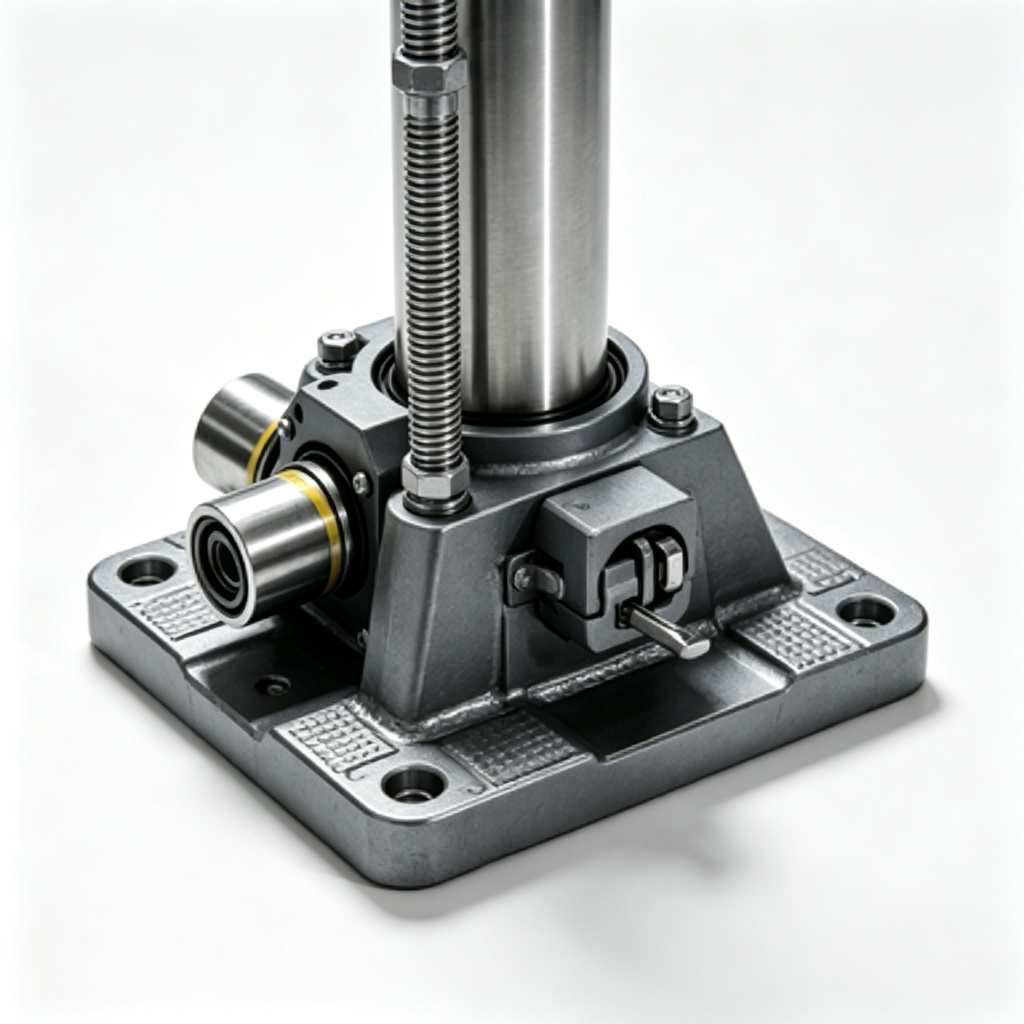
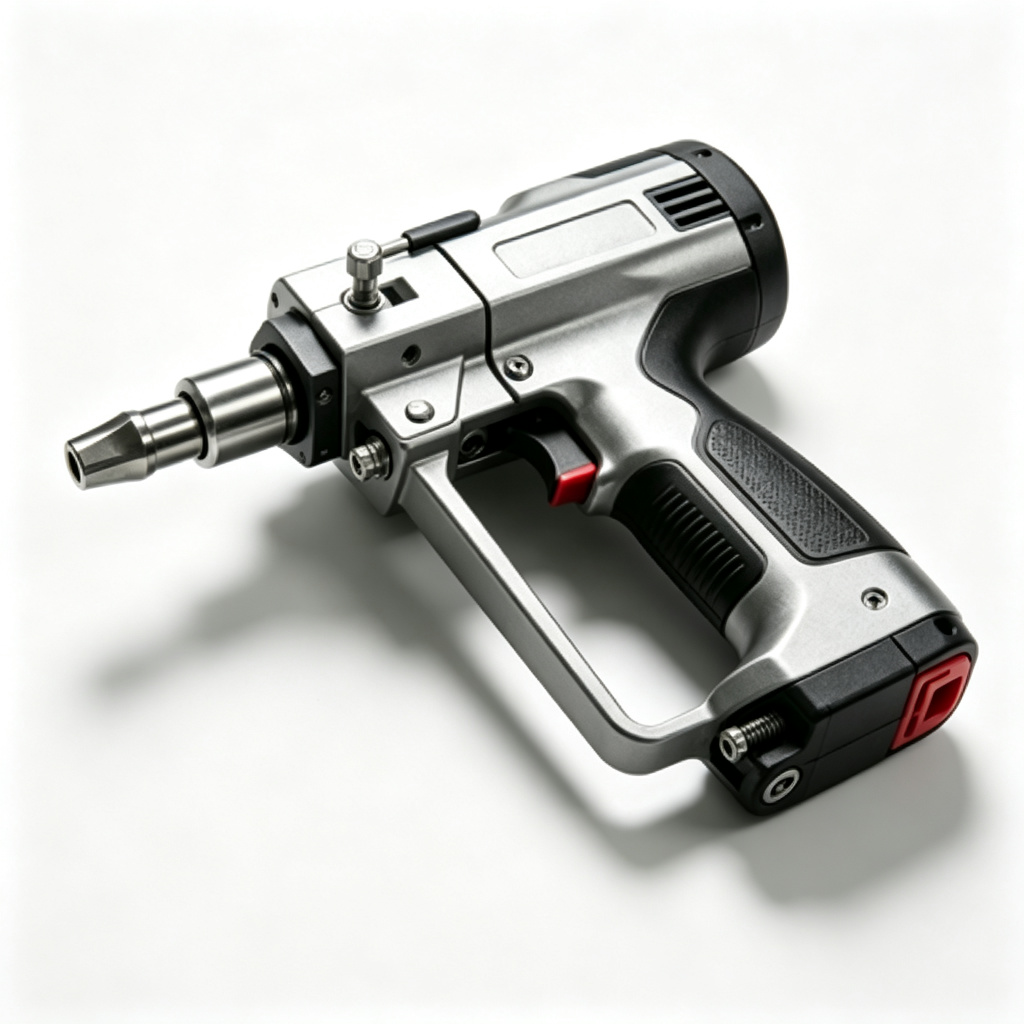
Aircraft tooling for MRO operations encompasses a comprehensive range of specialized equipment designed to support maintenance, repair, and overhaul activities in aviation facilities. These tools are engineered to meet the exacting standards of aerospace maintenance, ensuring that aircraft remain airworthy and operate safely throughout their service life. The primary functions include precision measurement, component removal and installation, structural repair, surface treatment, and diagnostic testing. Modern aircraft tooling for MRO operations integrates advanced materials such as titanium alloys and composite-compatible instruments that prevent damage to sensitive aircraft structures. Technological features include ergonomic designs that reduce technician fatigue, calibrated instruments that maintain accuracy within aerospace tolerances, and modular systems that adapt to different aircraft models. Digital torque wrenches provide real-time feedback, while specialized jigs and fixtures ensure proper alignment during assembly procedures. Applications span across airframe maintenance, powerplant servicing, avionics installation, and landing gear overhaul. From hand tools to hydraulic equipment, aircraft tooling for MRO operations supports both line maintenance tasks performed between flights and heavy maintenance checks conducted during extended downtime. The tooling portfolio addresses requirements for commercial aviation, military aircraft, and general aviation segments, enabling technicians to perform complex procedures efficiently while maintaining compliance with regulatory standards established by aviation authorities worldwide.


New Products

Investing in quality aircraft tooling for MRO operations delivers substantial cost savings by reducing aircraft downtime and preventing expensive rework caused by improper maintenance procedures. Precision-engineered tools enable technicians to complete tasks correctly the first time, eliminating delays that ground aircraft and disrupt revenue-generating flight schedules. These specialized instruments enhance workplace safety by incorporating features that protect both maintenance personnel and aircraft structures from accidental damage. Ergonomic handles and balanced weight distribution reduce physical strain during repetitive tasks, leading to improved technician productivity and fewer workplace injuries. The operational benefits extend to improved maintenance quality, as calibrated tools ensure that torque specifications, clearances, and alignments meet manufacturer requirements exactly. This precision prevents premature component failures and extends the service life of expensive aircraft parts. Aircraft tooling for MRO operations offers excellent application suitability across diverse maintenance scenarios, from quick turnaround inspections to comprehensive overhaul projects. Modular tool systems adapt to multiple aircraft types, maximizing your investment value when your facility services various models. The durability of professional-grade tooling withstands the demanding MRO environment, providing years of reliable service that justifies the initial purchase cost. Compliance with aviation regulations becomes straightforward when using approved tooling that meets industry standards, simplifying audit processes and maintaining your facility's certification status. Smart tool management systems track calibration schedules and tool location, preventing lost equipment and ensuring instruments remain within specification. These decision-useful factors demonstrate how aircraft tooling for MRO operations directly impacts your bottom line through efficiency gains, quality improvements, and regulatory compliance.

Latest News

AeroLink Team Participates in Singapore Airshow to Strengthen Global Aviation Industry Cooperation

16

Jun

AeroLink Team Participates in Singapore Airshow to Strengthen Global Aviation Industry Cooperation

View More
Ensuring Landing Gear Safety with Certified Parts

15

Sep

Ensuring Landing Gear Safety with Certified Parts

Why certified landing gear prevents runway incidents and meets FAA/EASA standards. Learn how to source, verify, and maintain compliant parts—get the guide now.
View More
How Plane Engine Sourcing Impacts Fleet Budgets

15

Sep

How Plane Engine Sourcing Impacts Fleet Budgets

How does plane engine sourcing really affect your fleet budget? Discover TCO drivers, spare parts costs, maintenance risks & ROI-optimized strategies. Download the guide.
View More
Precision Engineering for Critical Aerospace Standards

Precision Engineering for Critical Aerospace Standards

Aircraft tooling for MRO operations distinguishes itself through precision engineering that meets the stringent tolerances demanded by aerospace applications. Every instrument undergoes rigorous quality control to ensure measurements remain accurate within microns, preventing the cascading failures that result from improperly torqued fasteners or misaligned components. Calibration certificates trace accuracy to national standards, providing documentation required during regulatory audits. The materials selected for these tools resist corrosion in harsh maintenance environments where hydraulic fluids, cleaning solvents, and temperature extremes challenge ordinary equipment. Specialized coatings prevent galvanic reactions when tools contact aluminum airframes or titanium engine components. This attention to material compatibility protects aircraft structures from contamination that could initiate stress corrosion cracking. The precision extends to dimensional accuracy in custom fixtures that locate components exactly, ensuring proper fit during reassembly. Thread gauges verify fastener integrity, while torque multipliers deliver consistent tension across critical joints. This engineering excellence translates directly into maintenance quality that keeps aircraft operating safely between inspection intervals, providing peace of mind for operators and passengers alike.
Comprehensive Tool Solutions for Complete MRO Coverage

Comprehensive Tool Solutions for Complete MRO Coverage

The breadth of aircraft tooling for MRO operations addresses every maintenance discipline within modern aviation facilities. Airframe technicians access specialized tools for sheet metal work, composite repair, and structural fastener installation. Powerplant specialists rely on engine-specific tooling for turbine blade inspection, combustion chamber maintenance, and accessory drive servicing. Avionics technicians utilize precision instruments for connector pinning, circuit testing, and equipment installation that prevent electromagnetic interference. This comprehensive coverage eliminates the productivity losses that occur when technicians lack proper equipment for specific tasks. Integrated tool kits organize instruments logically, reducing time spent searching for the right implement during time-sensitive maintenance windows. Interchangeable components within modular systems maximize versatility, allowing a single base tool to perform multiple functions through quick-change attachments. This adaptability proves especially valuable for smaller MRO facilities that service diverse aircraft types without maintaining separate complete tool sets for each model. The completeness of these solutions supports both scheduled maintenance programs and unexpected repair scenarios, ensuring your technicians always have appropriate equipment available to restore aircraft to service promptly and safely.
Enhanced Efficiency Through Ergonomic and Intelligent Design

Enhanced Efficiency Through Ergonomic and Intelligent Design

Modern aircraft tooling for MRO operations incorporates ergonomic principles and intelligent features that dramatically improve technician efficiency and work quality. Balanced weight distribution and contoured grips reduce hand fatigue during extended maintenance procedures, allowing technicians to maintain focus and precision throughout long shifts. Anti-vibration handles minimize the cumulative trauma disorders associated with pneumatic tools, protecting your workforce's long-term health. Digital interfaces on advanced instruments provide clear readouts that eliminate measurement interpretation errors, while programmable torque wrenches store multiple specifications for different fastener applications. Visual and audible alerts confirm when target values are reached, preventing both under-torquing that allows joint loosening and over-torquing that damages threads. Quick-release mechanisms enable rapid tool changes in confined aircraft spaces where time and access are limited. Magnetic components hold fasteners securely during installation in awkward positions, freeing technicians' hands for alignment tasks. These thoughtful design elements compound efficiency gains across your entire maintenance operation, reducing labor hours per work order while simultaneously improving output quality. The return on investment becomes apparent through faster aircraft turnarounds, fewer comeback discrepancies, and improved technician satisfaction with their working tools.