Aviation Specialized Maintenance Tools Guide

application/aviation-specialized-maintenance-tools, application/aviation-specialized-maintenance-tools, 
Inquiry
Inquiry

aviation specialized maintenance tools

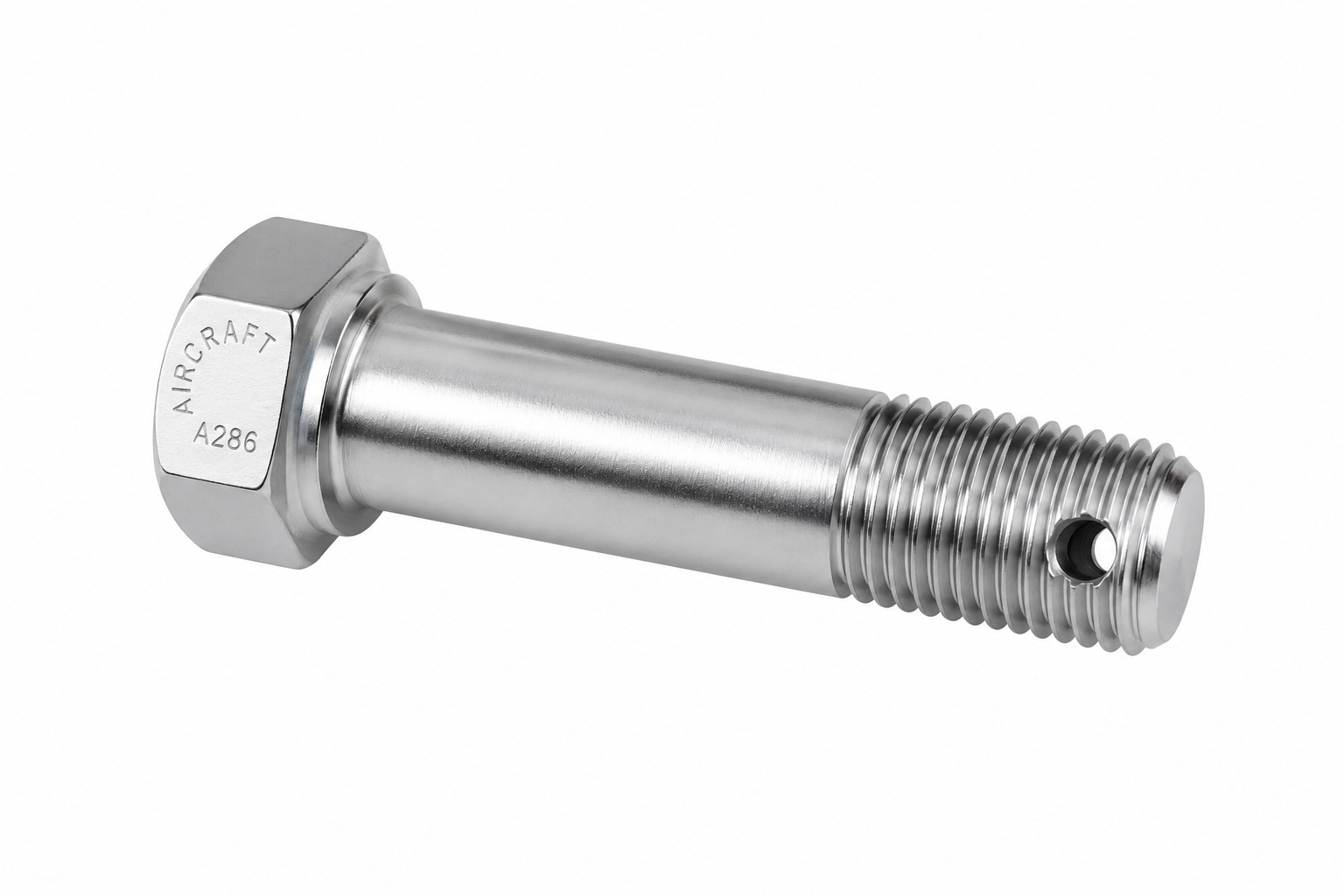
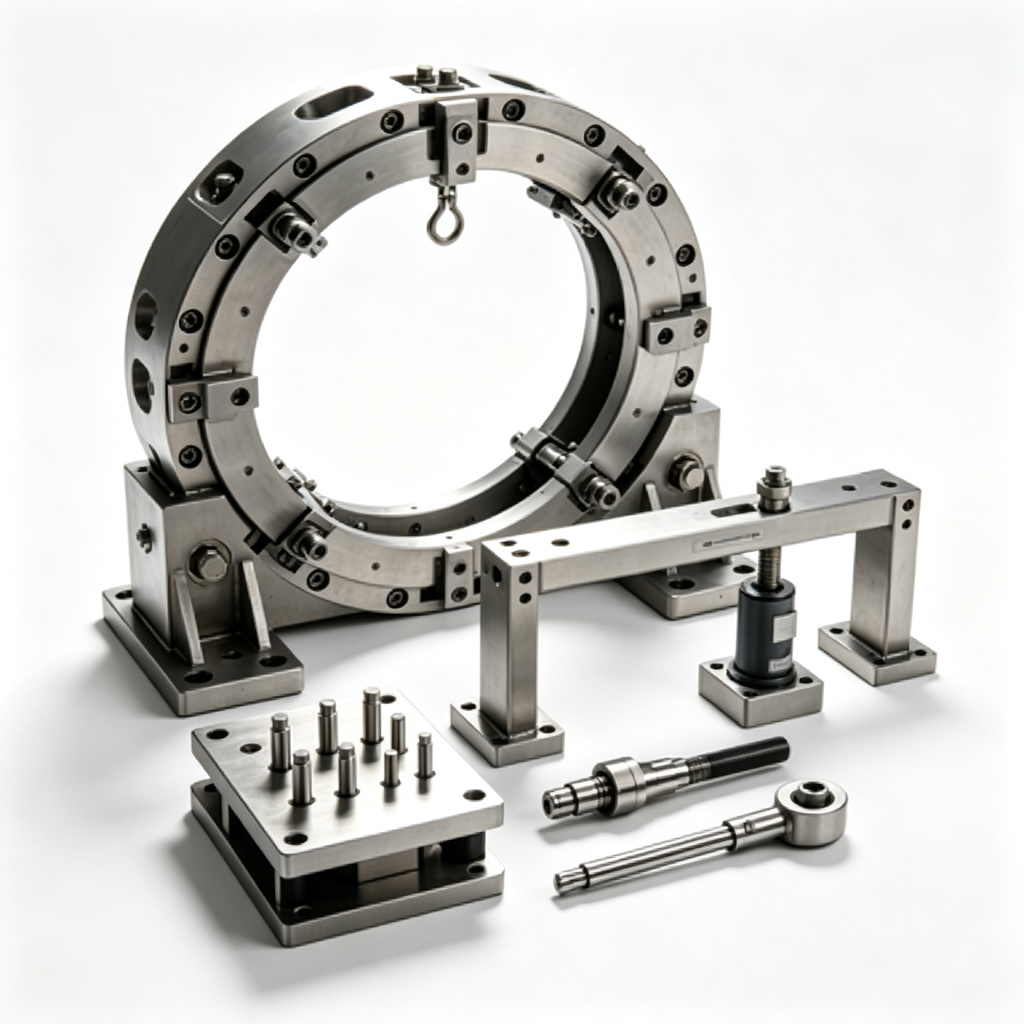
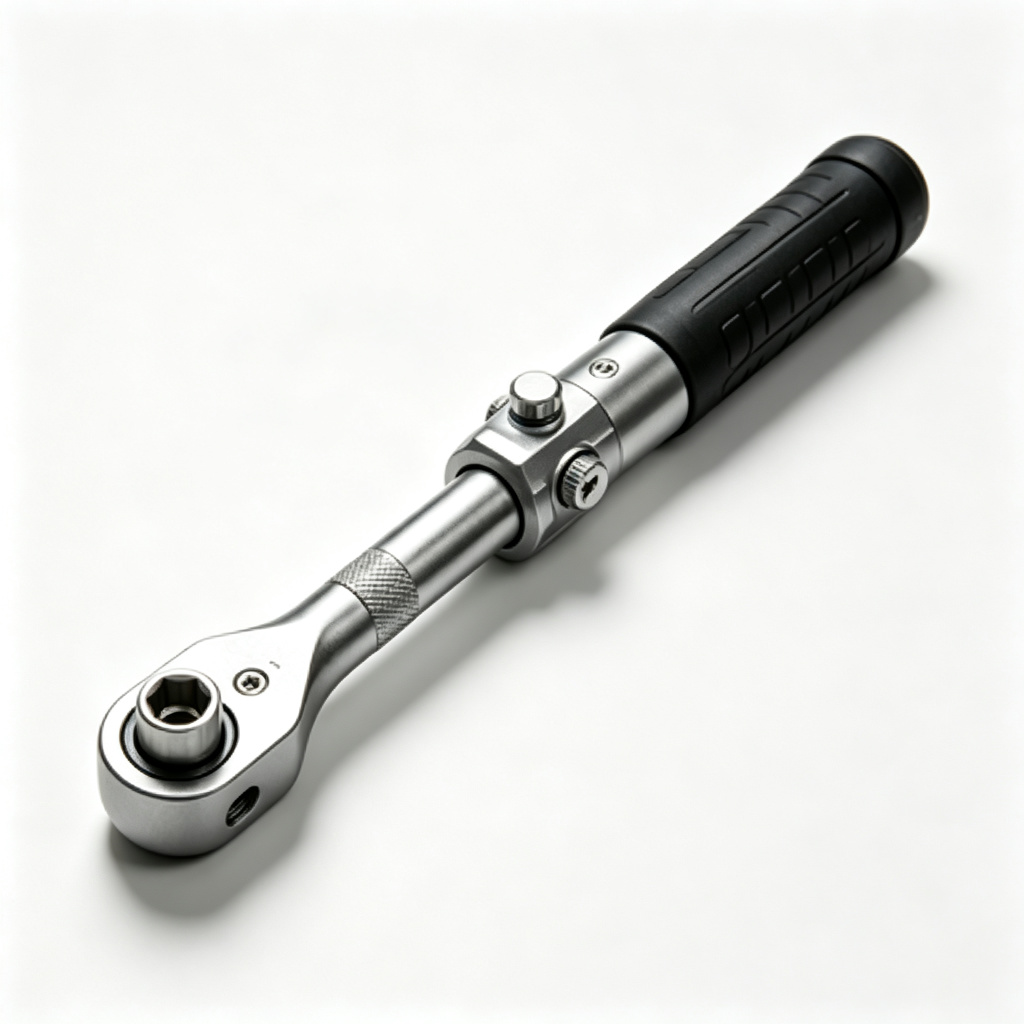
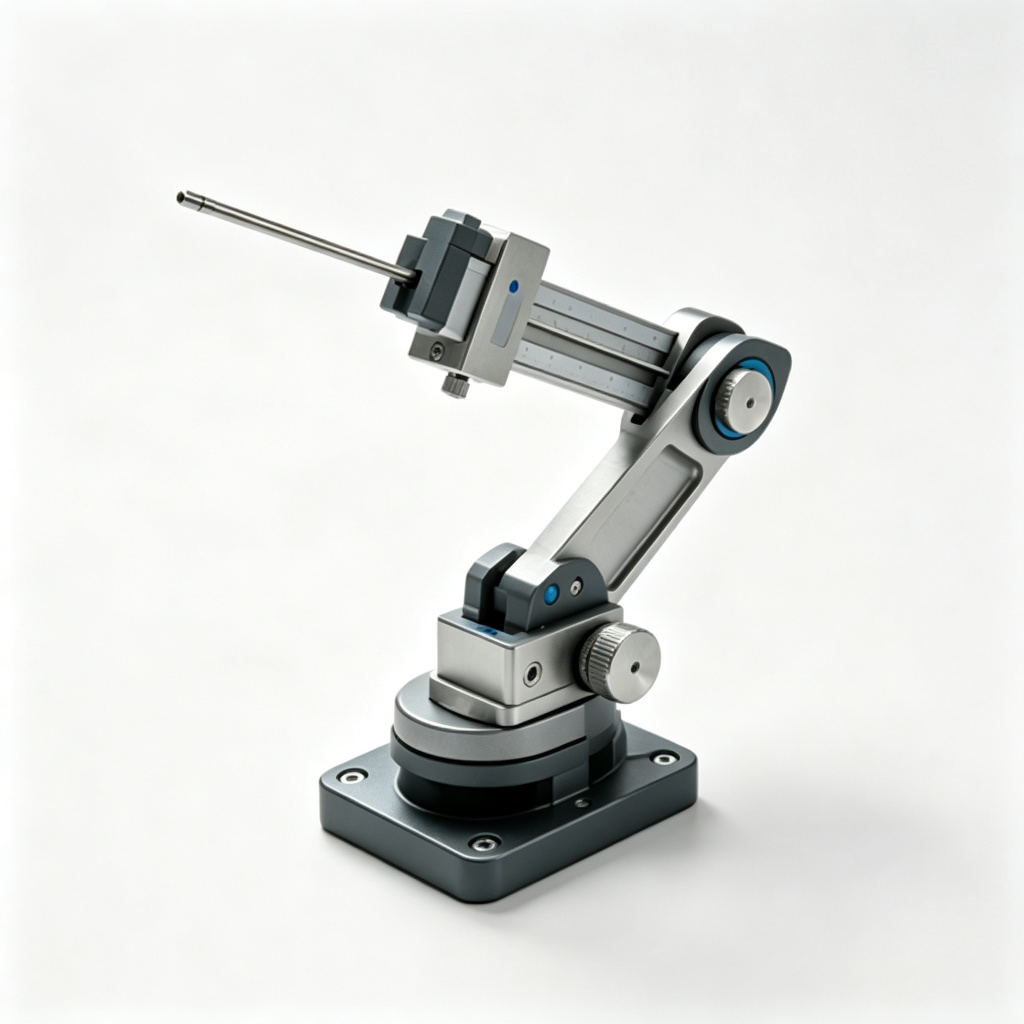
Aviation specialized maintenance tools represent a critical category of precision instruments designed specifically for aircraft servicing, repair, and inspection tasks. These professional-grade tools meet stringent aerospace industry standards and regulatory requirements set by organizations like the FAA and EASA. The primary functions include airframe maintenance, engine servicing, avionics repairs, hydraulic system adjustments, and safety inspections. Aviation specialized maintenance tools encompass torque wrenches with calibrated accuracy, safety wire pliers, specialized socket sets, composite repair kits, borescopes for internal inspections, and precision measuring instruments. Technological features include corrosion-resistant materials, non-sparking designs for fuel system work, and ergonomic handles that reduce technician fatigue during extended maintenance operations. Many aviation specialized maintenance tools incorporate digital readouts for enhanced precision and data logging capabilities that support maintenance documentation requirements. Applications span commercial airlines, military aviation, general aviation facilities, helicopter operations, and MRO organizations worldwide. These tools ensure compliance with manufacturer specifications and airworthiness directives while maintaining the highest safety standards. The specialized nature of aviation maintenance demands tools that deliver consistent performance under rigorous conditions, support traceability requirements, and provide the reliability necessary for aircraft operations where component failure is not an option.


New Product Recommendations

Investing in aviation specialized maintenance tools delivers substantial operational benefits that directly impact your maintenance efficiency and aircraft safety outcomes. These purpose-built instruments provide superior precision compared to general-purpose tools, ensuring every torque specification and measurement meets exact manufacturer requirements without compromise. You gain immediate cost savings through reduced rework and faster turnaround times, as technicians complete tasks correctly the first time using tools designed for specific aircraft applications. The durability of aviation specialized maintenance tools means lower replacement costs over time, with many instruments lasting decades when properly maintained and calibrated. Your maintenance organization benefits from enhanced compliance documentation, as many modern aviation specialized maintenance tools feature built-in traceability and calibration records that simplify audit processes and regulatory inspections. Worker safety improves significantly because these tools incorporate non-sparking materials, insulated handles, and ergonomic designs that minimize injury risks in challenging maintenance environments. You protect your aircraft investment by preventing damage that common tools might cause to sensitive components, composite materials, or precision-fitted assemblies. Aviation specialized maintenance tools support your quality management system by providing repeatable results that reduce human error and variability between different technicians. The specialized design means faster task completion as tools fit properly in confined aircraft spaces and access hard-to-reach components without requiring disassembly of surrounding structures. Your competitive advantage strengthens when using aviation specialized maintenance tools because customers recognize the professional commitment to quality and safety that proper tooling represents in aviation maintenance operations.

Tips And Tricks

Key Steps to Evaluate Used Plane Engine Materials

14

Sep

Key Steps to Evaluate Used Plane Engine Materials

How to properly evaluate used plane engine materials for airworthiness, safety & compliance. Avoid costly failures—get the expert 10-step inspection protocol now.
View More
Essential Avio Procurement Advice for Operators

15

Sep

Essential Avio Procurement Advice for Operators

Struggling with aircraft downtime or compliance risks? This essential avio procurement guide helps operators optimize sourcing. Download your strategy blueprint now.
View More
Precision Engineering for Critical Safety Applications

Precision Engineering for Critical Safety Applications

Aviation specialized maintenance tools feature unprecedented precision engineering that directly supports aircraft safety and airworthiness standards. Every instrument undergoes rigorous quality testing and calibration procedures that ensure accuracy within extremely tight tolerances required by aerospace applications. The precision matters because aircraft components operate under tremendous stress, vibration, and temperature variations where even minor installation errors can lead to catastrophic failures. Torque specifications must be exact to prevent both over-tightening that damages threads or under-tightening that allows components to loosen during flight operations. Aviation specialized maintenance tools incorporate advanced materials like aerospace-grade alloys, titanium, and specialized polymers that maintain dimensional stability across temperature ranges and resist the chemicals commonly used in aircraft maintenance. Digital measurement capabilities provide real-time feedback that eliminates guesswork and supports documentation requirements for maintenance records. The precision engineering extends to ergonomic design elements that help technicians maintain steady control during delicate operations, reducing the likelihood of slipped tools that could damage expensive aircraft components or create safety hazards.
Regulatory Compliance and Certification Support

Regulatory Compliance and Certification Support

Aviation specialized maintenance tools play an essential role in maintaining regulatory compliance with aviation authorities worldwide, supporting your organization's certification requirements and audit readiness. These tools meet specific standards established by regulatory bodies and aircraft manufacturers, ensuring that maintenance procedures align with approved data and airworthiness directives. When you use aviation specialized maintenance tools, you create defensible maintenance records that demonstrate due diligence and professional standards during regulatory inspections or accident investigations. Many tools feature serialization and calibration tracking that simplifies compliance with periodic verification requirements mandated by quality management systems like AS9110 or ISO standards. The traceability features built into modern aviation specialized maintenance tools automatically document who performed specific tasks, when maintenance occurred, and which calibrated instruments were used, creating an audit trail that satisfies even the most stringent regulatory scrutiny. Your maintenance organization avoids costly violations, groundings, or certificate actions by using tools that meet published specifications rather than improvising with inadequate equipment. Aviation specialized maintenance tools support continuous airworthiness by ensuring that every maintenance action meets the same exacting standards that aircraft manufacturers require during initial production and certification processes.
Operational Efficiency and Cost-Effectiveness

Operational Efficiency and Cost-Effectiveness

Aviation specialized maintenance tools dramatically improve operational efficiency by reducing maintenance time, minimizing aircraft downtime, and lowering overall maintenance costs across your organization. These purpose-designed instruments allow technicians to complete tasks faster because they fit properly in confined aircraft spaces, access hard-to-reach fasteners, and eliminate the trial-and-error approach required when using general tools. The time savings multiply across hundreds of maintenance actions performed daily in busy maintenance facilities, translating directly into increased aircraft availability and revenue generation opportunities. Aviation specialized maintenance tools reduce the risk of component damage during maintenance, eliminating expensive parts replacement and the associated labor costs of rework. Your inventory management becomes more efficient because standardized aviation specialized maintenance tools reduce the variety of equipment needed, simplifying tool control programs and reducing capital tied up in redundant equipment. Training costs decrease when technicians learn to use aviation specialized maintenance tools designed specifically for aircraft applications rather than adapting general tools to aviation tasks. The long service life of quality aviation specialized maintenance tools means your initial investment delivers value for years, with proper calibration and maintenance extending tool life far beyond consumer-grade alternatives and providing predictable lifecycle costs for budget planning.