EVTOL maintenance tools are precision instruments for servicing electric vertical takeoff and landing aircraft. EVTOL maintenance tools address hybrid propulsion, electric powertrains, advanced avionics, composite airframes, and distributed electric propulsion. EVTOL maintenance tools perform battery diagnostics, electrical verification, rotor assembly maintenance, software calibration, structural inspection, and component replacement. EVTOL maintenance tools feature digital diagnostic interfaces, torque-calibrated fastening systems, non-destructive testing, electromagnetic compatibility, and health monitoring integration. EVTOL maintenance tools use advanced materials preventing electromagnetic interference while ensuring aviation-grade precision. EVTOL maintenance tools serve commercial operators, MRO facilities, OEMs, urban air mobility operators, and certified service centers.
Popular Products
Investing in proper evtol maintenance tools delivers immediate operational benefits that directly impact your bottom line and service quality. These specialized tools reduce maintenance turnaround time by up to forty percent compared to adapting conventional aviation equipment, allowing you to maximize aircraft availability and revenue generation. The precision engineering ensures accurate diagnostics on the first attempt, eliminating costly repeat inspections and reducing labor hours spent troubleshooting complex electrical systems. You gain the ability to perform comprehensive battery health assessments that predict potential failures before they occur, preventing expensive emergency repairs and unexpected downtime. The tools integrate seamlessly with manufacturer diagnostic protocols, ensuring your maintenance procedures meet certification requirements and warranty specifications without additional validation costs. Operational benefits extend to technician safety, as these tools incorporate insulation and electromagnetic shielding that protect personnel working with high-voltage systems and sensitive electronics. Your facility gains competitive advantage by offering certified maintenance services that attract operators seeking qualified service providers for their electric aircraft fleets. The modular design of evtol maintenance tools allows scalable investment, letting you start with essential equipment and expand your capabilities as your customer base grows. Application suitability spans from startup operators with single aircraft to established maintenance organizations servicing diverse electric aviation fleets. The tools support multiple aircraft models through configurable interfaces and updatable software, protecting your investment as the industry evolves. Decision-makers benefit from clear return on investment calculations, with reduced maintenance errors, faster service completion, and enhanced customer satisfaction translating to measurable financial performance. These tools position your organization at the forefront of aviation innovation while ensuring operational excellence in this rapidly expanding market segment.
Tips And Tricks
16
Jun
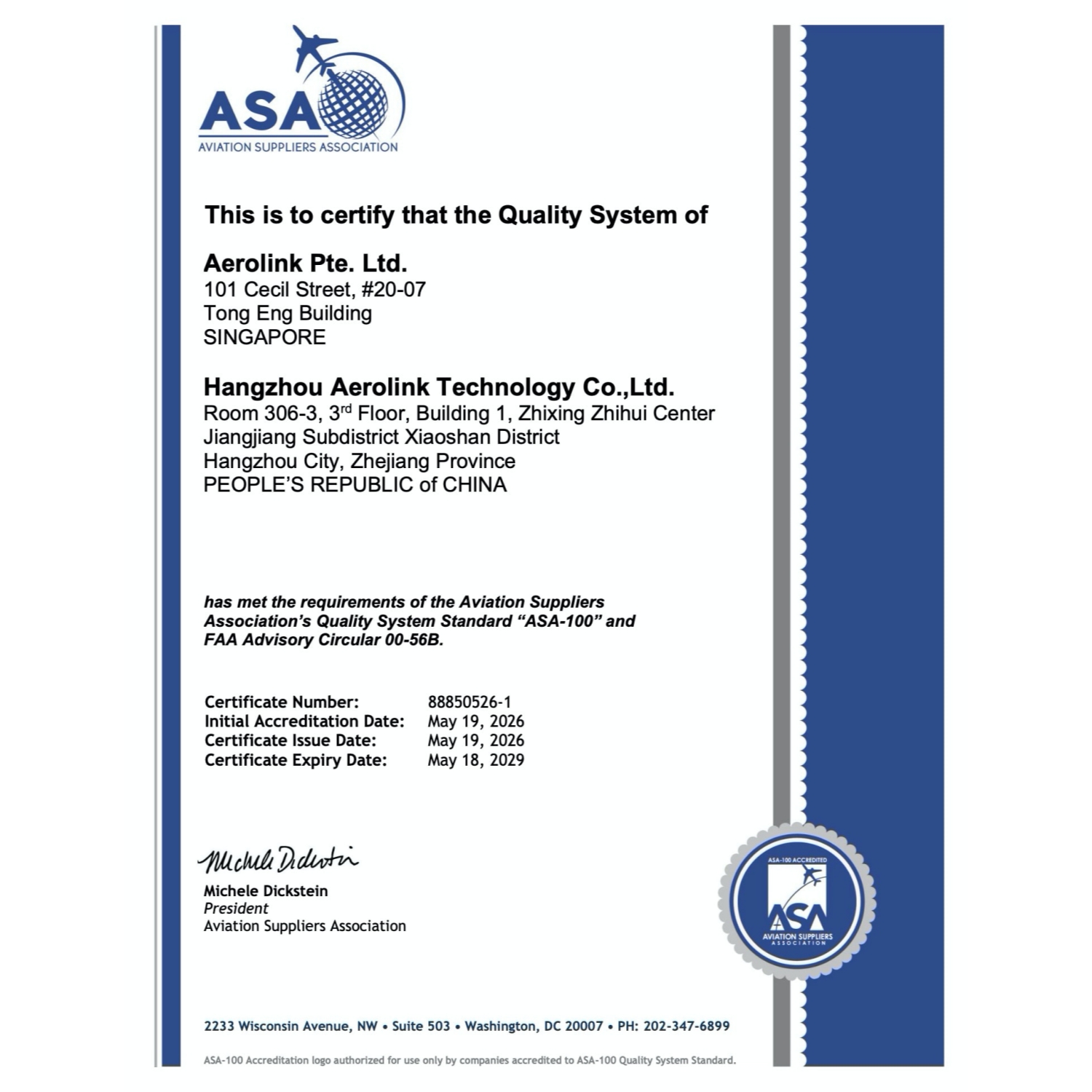
AeroLink Successfully Obtains ASA-100 and CAMAC Aviation Material Distributor Certifications
Struggling with aircraft downtime? Discover proven strategies to source verified plane engine components rapidly—without compromising safety or compliance. Get started today.
Struggling with APU part delays and audit risks? Discover how to source traceable APU spare parts efficiently while ensuring FAA/EASA compliance. Get actionable steps now.
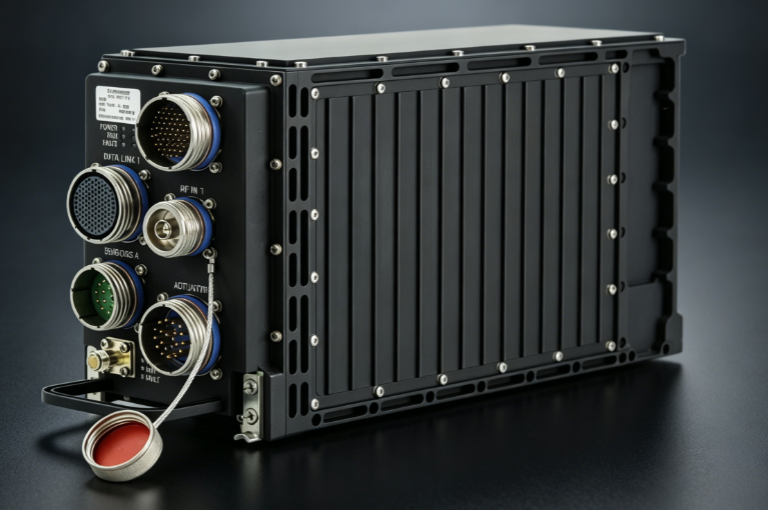
Modern evtol maintenance tools feature sophisticated diagnostic integration that transforms how technicians identify and resolve technical issues in electric aircraft systems. These tools connect directly to the aircraft health monitoring systems through secure digital interfaces, providing real-time access to performance data, fault codes, and system parameters that would otherwise require extensive manual testing. The diagnostic capability extends beyond simple code reading to include predictive analytics that identify degradation patterns in battery cells, electric motors, and power distribution networks before component failure occurs. This proactive approach reduces unscheduled maintenance events by enabling condition-based servicing rather than fixed-interval procedures. Technicians receive guided troubleshooting workflows on integrated displays, walking them through complex diagnostic procedures with visual aids and step-by-step instructions that reduce human error and training time. The data logging functionality creates comprehensive maintenance records automatically, supporting regulatory compliance documentation and providing valuable insights for fleet management decisions. Integration with manufacturer databases ensures technicians always access the latest service bulletins, wiring diagrams, and calibration specifications without searching through multiple information sources, significantly accelerating repair procedures and improving first-time fix rates.
Battery System Specialization
The battery system specialization built into evtol maintenance tools addresses the most critical component of electric aircraft operation with unprecedented precision and safety. These tools incorporate multiple testing modes including individual cell voltage measurement, thermal imaging integration, internal resistance analysis, and state-of-health calculations that provide complete battery pack assessment in a single diagnostic session. The specialized equipment handles the unique requirements of high-capacity lithium-ion and emerging solid-state battery technologies, with safety interlocks that prevent dangerous short circuits or thermal events during maintenance procedures. Technicians can perform balanced charging operations, cell-level diagnostics, and thermal management system verification using standardized procedures that ensure consistent quality across your entire maintenance operation. The tools include automated documentation features that track battery performance over time, creating detailed service histories that support warranty claims and residual value assessments for aircraft operators. Advanced features enable simulation of flight load profiles during ground testing, verifying battery performance under realistic operational conditions without requiring actual flight time. This specialization proves essential as battery systems represent the highest-value components in electric aircraft, with proper maintenance directly impacting aircraft range, reliability, and operational economics for your customers.
Composite Airframe Compatibility
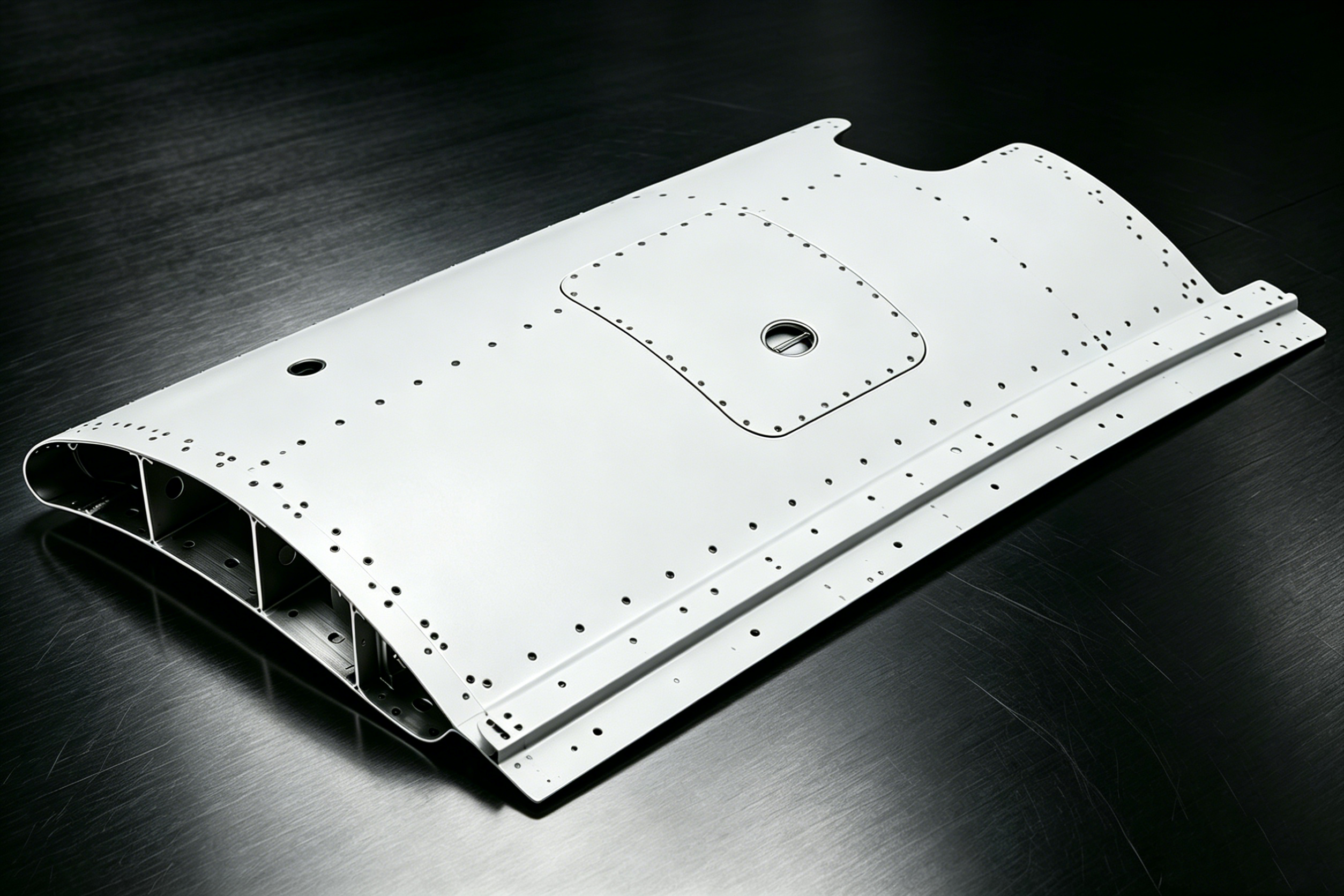
Electric aircraft utilize advanced composite materials extensively to minimize weight and maximize efficiency, requiring evtol maintenance tools specifically designed for non-metallic structure inspection and repair. These specialized tools incorporate non-destructive testing technologies including ultrasonic thickness gauging, thermographic imaging, and tap testing instruments calibrated for carbon fiber and advanced polymer composites used in modern electric aircraft construction. The equipment enables technicians to detect subsurface delamination, moisture intrusion, impact damage, and manufacturing defects that remain invisible to visual inspection but compromise structural integrity and flight safety. Composite-compatible fastening tools provide precise torque control with non-marring surfaces that prevent damage to fragile composite skin materials during panel removal and installation procedures. The measurement instruments account for the different thermal expansion properties and electromagnetic characteristics of composite structures compared to traditional aluminum airframes, ensuring accurate readings and proper maintenance procedures. Specialized repair tools support field-level composite patching and bonding procedures using controlled heating elements and pressure application systems that achieve manufacturer-specified cure profiles for structural adhesives. This compatibility proves increasingly important as composite usage expands throughout electric aircraft designs, with proper maintenance tools essential for preserving the weight savings and performance advantages that make electric aviation economically viable for urban air mobility applications.



 EN