FAA PMA Parts: Certified Aircraft Components

application/faa-pma-parts, application/faa-pma-parts, 
Inquiry
Inquiry

faa pma parts

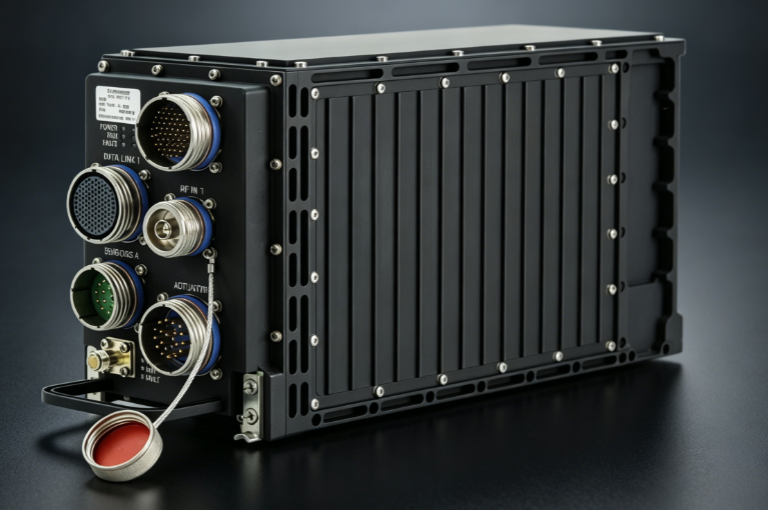
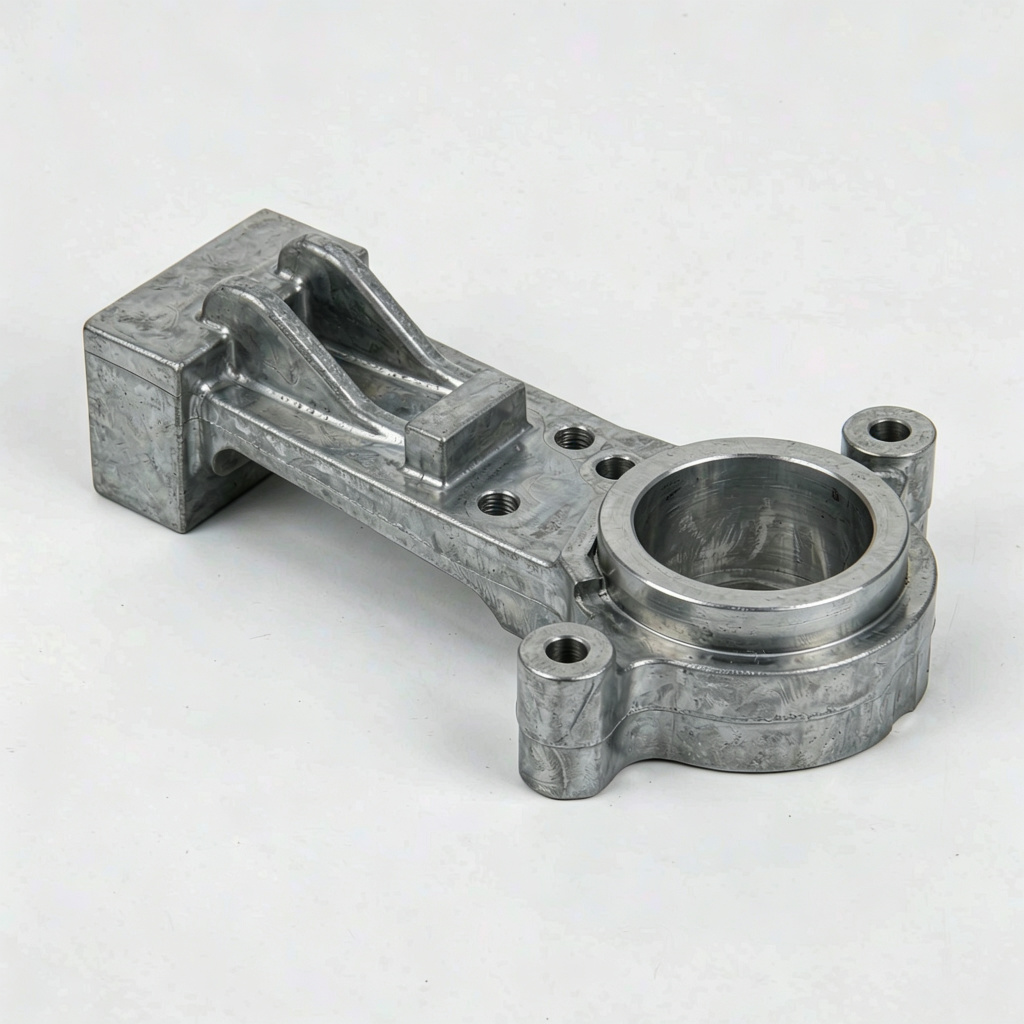
FAA PMA parts represent approved aircraft replacement components manufactured under the Parts Manufacturer Approval program established by the Federal Aviation Administration. These components serve as cost-effective alternatives to original equipment manufacturer parts while maintaining the same rigorous safety and performance standards required for aviation applications. The FAA PMA parts program allows qualified manufacturers to produce replacement parts after demonstrating that their products meet or exceed the original design specifications through comprehensive testing and documentation. These parts undergo strict certification processes including design approval, manufacturing quality control verification, and ongoing compliance monitoring to ensure airworthiness. The main functions of FAA PMA parts include replacing worn or damaged aircraft components, supporting maintenance operations, and providing fleet operators with reliable supply chain alternatives. Technological features include precise engineering specifications, material compliance with aerospace standards, and traceability systems that document the complete manufacturing history. Applications span across commercial aviation, general aviation, military aircraft, and helicopter fleets, covering everything from structural components and engine parts to avionics housings and landing gear assemblies. Each FAA PMA parts manufacturer must maintain detailed technical data, implement quality management systems, and submit to regular FAA audits. This regulatory framework ensures that every component meets identical performance criteria as the original part, giving operators confidence in safety and reliability while potentially reducing procurement costs and improving parts availability across the aviation industry.

New Product Recommendations

Choosing FAA PMA parts delivers significant financial benefits for aircraft operators by offering substantial cost savings compared to original manufacturer components, often reducing procurement expenses by twenty to forty percent while maintaining identical safety and performance standards. These savings directly impact operating budgets, allowing airlines and maintenance facilities to allocate resources more efficiently without compromising airworthiness or regulatory compliance. The operational benefits extend beyond initial purchase price, as FAA PMA parts improve supply chain flexibility by introducing competition into the replacement parts market, reducing lead times, and ensuring better availability during critical maintenance windows. This enhanced availability minimizes aircraft downtime, keeping fleets operational and revenue-generating rather than grounded waiting for components. The application suitability of FAA PMA parts covers virtually every aircraft system, from structural elements to complex mechanical assemblies, providing operators with comprehensive coverage for their maintenance needs across diverse aircraft types and models. Decision-makers benefit from the transparent approval process that validates each component through rigorous testing and documentation review, ensuring that quality standards match or exceed original specifications. The FAA oversight provides an additional layer of assurance, with manufacturers subject to ongoing audits and compliance verification that maintains consistent quality throughout the product lifecycle. For fleet managers and maintenance directors, FAA PMA parts represent a strategic advantage by diversifying supplier relationships, reducing dependency on single sources, and creating competitive pressure that benefits the entire procurement process. The practical value extends to inventory management, as operators can stock critical components at lower cost, improving readiness while managing working capital more effectively across their maintenance operations and repair facilities.

Latest News

Ensuring Landing Gear Safety with Certified Parts

15

Sep

Ensuring Landing Gear Safety with Certified Parts

Why certified landing gear prevents runway incidents and meets FAA/EASA standards. Learn how to source, verify, and maintain compliant parts—get the guide now.
View More
Selecting Reliable GSE to Improve Ground Ops

15

Sep

Selecting Reliable GSE to Improve Ground Ops

Struggling with aircraft delays? Discover how choosing reliable GSE vendors improves turnaround time. Get your free vendor evaluation checklist.
View More
Key Steps to Evaluate Used Plane Engine Materials

14

Sep

Key Steps to Evaluate Used Plane Engine Materials

How to properly evaluate used plane engine materials for airworthiness, safety & compliance. Avoid costly failures—get the expert 10-step inspection protocol now.
View More
Sourcing Verified Plane Engine Components Fast

15

Sep

Sourcing Verified Plane Engine Components Fast

Struggling with aircraft downtime? Discover proven strategies to source verified plane engine components rapidly—without compromising safety or compliance. Get started today.
View More
Rigorous Certification Process Ensures Safety

Rigorous Certification Process Ensures Safety

The certification process for FAA PMA parts establishes an uncompromising foundation of safety and reliability that matches original equipment standards through multiple validation stages. Manufacturers must submit comprehensive technical data packages demonstrating that their designs meet all applicable airworthiness requirements, including material specifications, dimensional tolerances, and performance characteristics. The Federal Aviation Administration reviews this documentation with the same scrutiny applied to original components, evaluating engineering drawings, test results, and manufacturing processes before granting approval. This thorough examination includes physical testing of prototype components under operational conditions, material analysis to verify composition and properties, and comparison testing against original parts to confirm equivalent or superior performance. The ongoing oversight continues after initial approval, with FAA inspectors conducting regular facility audits, reviewing quality control records, and monitoring production processes to ensure continued compliance. This multi-layered approach creates a certification framework that protects operators and passengers by guaranteeing that every FAA PMA parts component meets identical safety standards, regardless of manufacturer, providing complete confidence in airworthiness throughout the component's service life while maintaining the regulatory integrity essential to aviation safety.
Cost Efficiency Without Quality Compromise

Cost Efficiency Without Quality Compromise

The economic advantages of FAA PMA parts create substantial value for aircraft operators by reducing acquisition costs while preserving the quality and performance characteristics required for safe flight operations. This cost efficiency emerges from increased market competition, as multiple approved manufacturers can produce equivalent components, driving prices down through competitive dynamics without sacrificing the rigorous standards that govern aviation components. Operators realize immediate budget benefits through lower unit costs, which compound across large fleets and high-volume component replacements, generating significant annual savings that improve operational profitability. The financial benefits extend beyond purchase price to include reduced inventory carrying costs, as the lower component prices allow operators to maintain adequate spare parts stocks without excessive capital investment. Maintenance facilities benefit from improved cost predictability when planning major overhauls and component replacements, as FAA PMA parts provide budget-friendly alternatives that don't compromise maintenance quality or regulatory compliance. The competitive marketplace created by the PMA program also incentivizes innovation and efficiency improvements among manufacturers, resulting in ongoing value enhancement for purchasers. For airlines operating on thin profit margins, these cost savings directly impact financial sustainability while maintaining safety standards, proving that economic efficiency and operational excellence can coexist when supported by appropriate regulatory frameworks and manufacturer accountability.
Enhanced Supply Chain Reliability and Availability

Enhanced Supply Chain Reliability and Availability

Supply chain advantages represent a critical benefit of FAA PMA parts, as multiple approved manufacturers create redundancy and flexibility that protects operators from single-source dependencies and availability disruptions. This diversified supply network ensures that critical components remain accessible even when original manufacturers experience production delays, capacity constraints, or discontinue older part lines that remain essential for legacy aircraft fleets. The improved availability directly reduces aircraft downtime by shortening procurement lead times, allowing maintenance teams to complete repairs and return aircraft to service faster, maximizing fleet utilization and revenue generation. Operators gain strategic flexibility by establishing relationships with multiple suppliers, creating competitive leverage during negotiations and ensuring continuity of supply regardless of individual manufacturer circumstances. The PMA program particularly benefits operators of older aircraft models, where original manufacturers may have reduced support or increased prices due to low production volumes, while FAA PMA parts manufacturers often continue producing components for mature platforms. This extended product lifecycle support protects fleet investment by ensuring that necessary components remain available throughout the aircraft's operational life. The competitive marketplace also drives service improvements, as manufacturers differentiate themselves through faster delivery, better customer support, and enhanced inventory management solutions that further improve supply chain performance for operators across commercial and general aviation sectors.