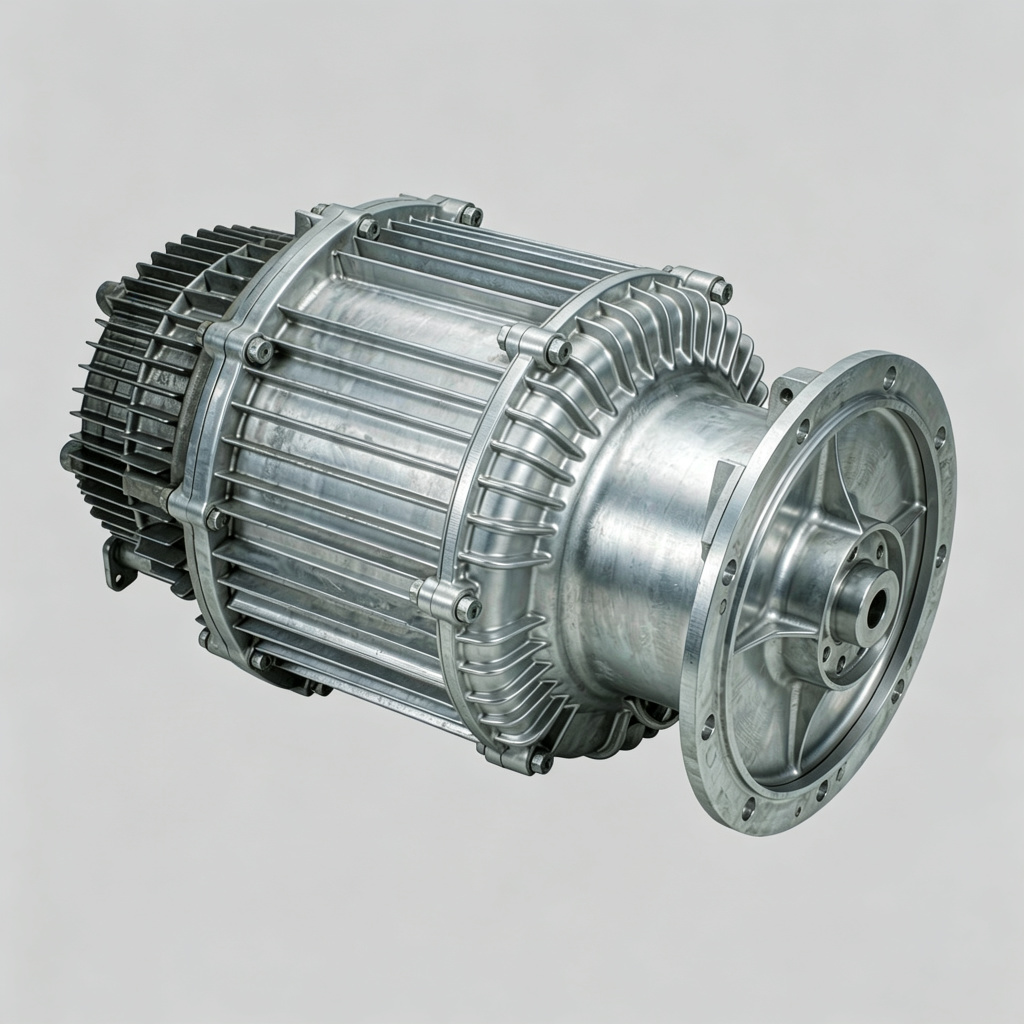
Aviation PMA Parts - Certified Components Guide

application/aviation-pma-parts, application/aviation-pma-parts, 
Inquiry
Inquiry

aviation pma parts

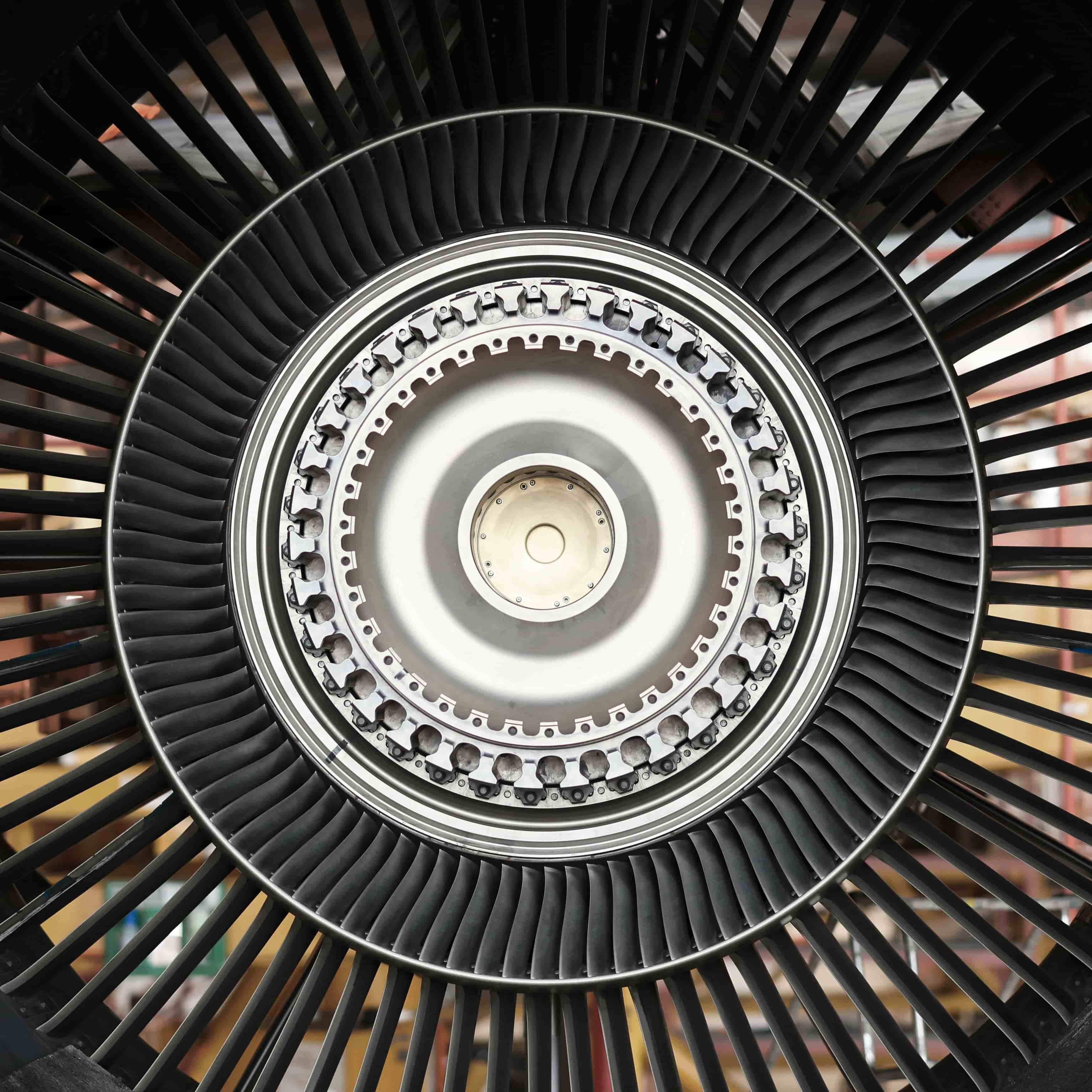
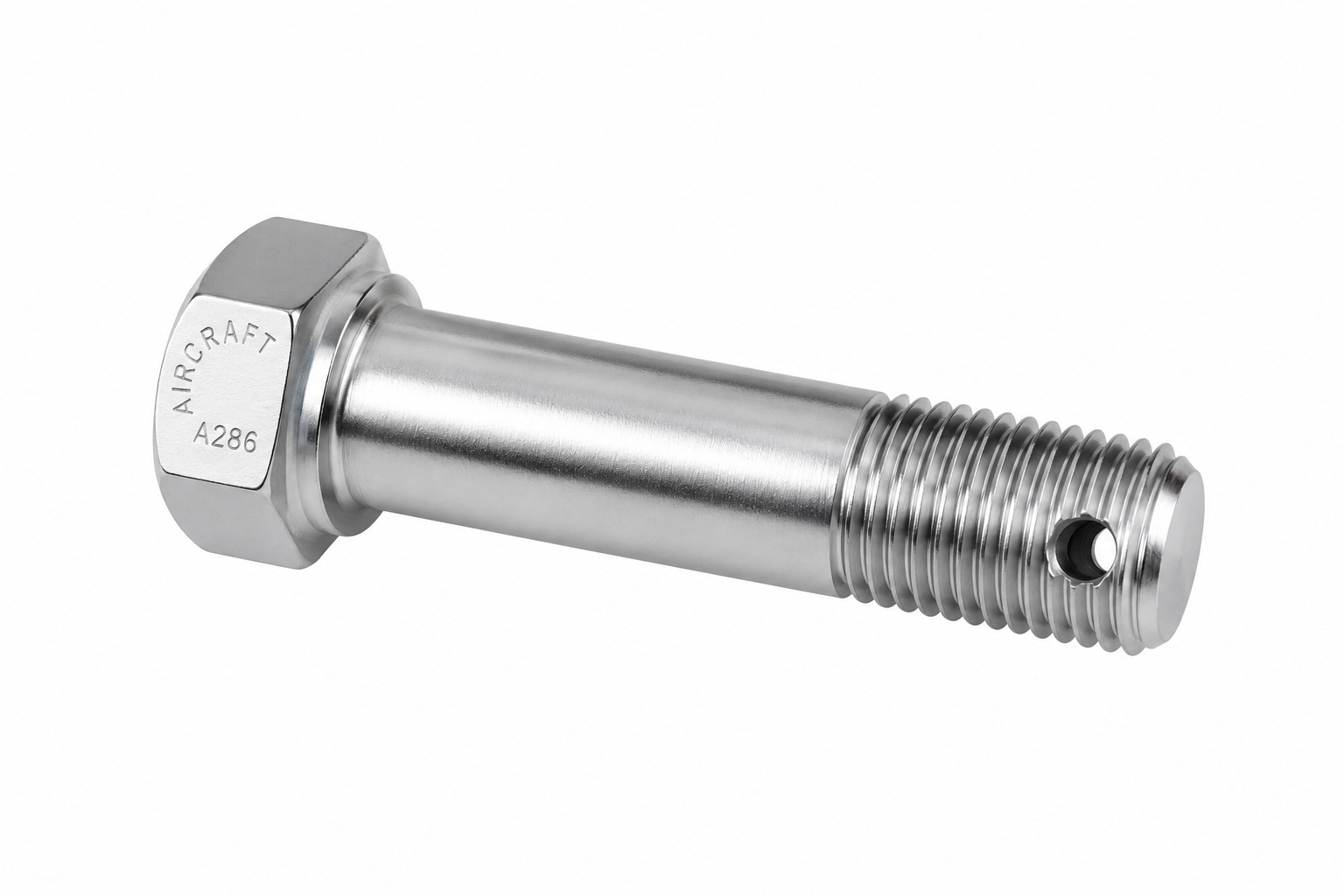
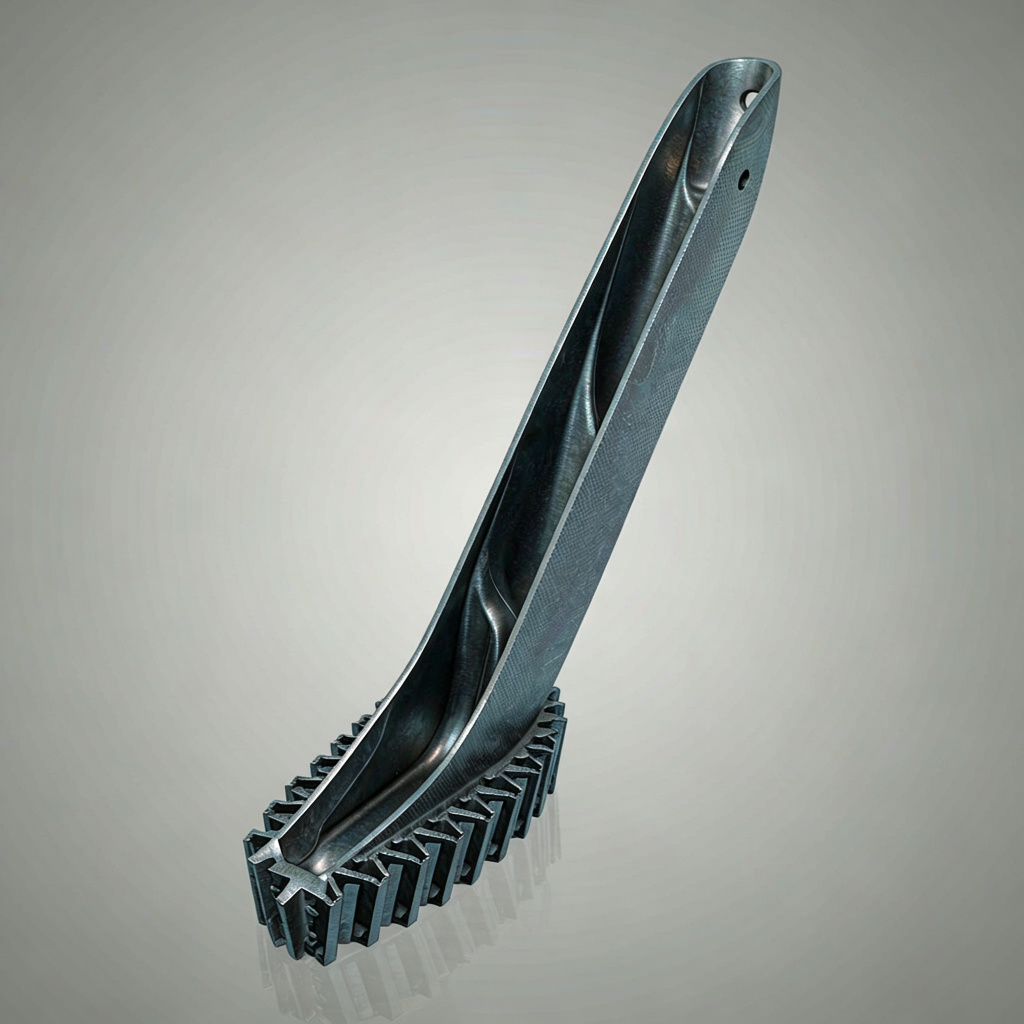
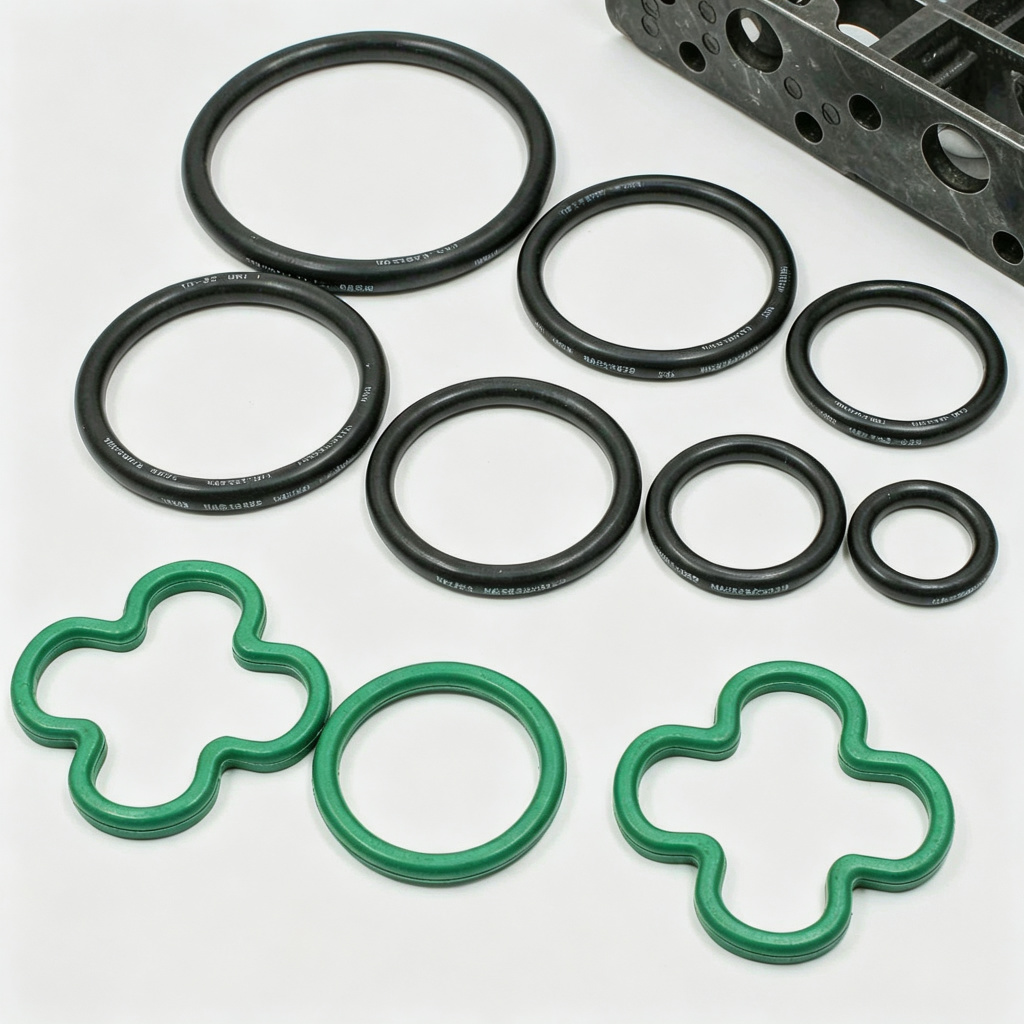
Aviation PMA parts represent FAA-approved replacement components manufactured under the Parts Manufacturer Approval program, offering aircraft operators certified alternatives to original equipment manufacturer parts. These aviation pma parts undergo rigorous testing and certification processes to ensure they meet or exceed all safety and performance standards established by aviation regulatory authorities. The PMA approval process requires manufacturers to demonstrate that their parts are identical to or improved upon the original design through comprehensive engineering analysis, material testing, and quality control protocols. Aviation pma parts serve critical functions across all aircraft systems, including structural components, engine accessories, avionics equipment, hydraulic systems, and interior furnishings. The technological features of these parts incorporate advanced manufacturing techniques such as precision CNC machining, composite材料 fabrication, and state-of-the-art quality assurance testing. Each aviation PMA part carries full traceability documentation, including certificates of conformity and detailed manufacturing records that satisfy regulatory requirements. Applications span commercial airlines, cargo operators, military aviation, general aviation, and helicopter services. These certified alternatives provide essential support for aircraft maintenance programs, scheduled overhauls, and unexpected repairs. The aviation pma parts industry continues evolving with innovations in materials science, additive manufacturing, and reverse engineering technologies that enhance component reliability while reducing costs. Operators benefit from expanded sourcing options that improve parts availability and reduce aircraft downtime, making aviation pma parts an integral component of modern fleet management strategies.


Popular Products

Choosing aviation pma parts delivers substantial cost savings, typically ranging from twenty to fifty percent compared to original manufacturer pricing, without compromising safety or quality standards. This financial advantage helps airlines and maintenance facilities optimize their operational budgets while maintaining full regulatory compliance. The competitive marketplace for aviation pma parts ensures better availability and shorter lead times, reducing aircraft on-ground situations that can severely impact revenue generation. Operators gain access to multiple qualified suppliers, creating supply chain resilience and negotiating leverage that wasn't possible when relying solely on single-source providers. Aviation pma parts undergo independent certification processes that often result in design improvements and enhanced performance characteristics compared to legacy components. Quality control measures implemented by PMA manufacturers frequently exceed minimum requirements, incorporating modern manufacturing technologies and materials that weren't available when original parts were designed decades ago. The documentation accompanying aviation pma parts provides complete traceability and airworthiness assurance, satisfying both regulatory audits and insurance requirements. Fleet managers appreciate the flexibility to source components from approved vendors who offer responsive customer service and technical support tailored to specific operational needs. Maintenance organizations benefit from simplified inventory management as aviation pma parts standardize across multiple aircraft types and configurations. The economic benefits extend beyond initial purchase prices to include reduced lifecycle costs through improved durability and extended service intervals. Smaller operators and independent maintenance facilities particularly value how aviation pma parts level the competitive playing field, providing access to quality components previously available only to large carriers with direct manufacturer relationships. Environmental considerations also favor aviation pma parts, as their production often incorporates sustainable manufacturing practices and recycled materials without affecting performance specifications.

Practical Tips

Sourcing Certified Aerospace Tools with Ease

15

Sep

Sourcing Certified Aerospace Tools with Ease

Struggling with FAA/EASA-compliant tool procurement? Discover how to source certified aerospace tools fast. Download the full guide now.
View More
Sourcing Certified GSE Spares with Traceability

15

Sep

Sourcing Certified GSE Spares with Traceability

Struggling with aviation compliance risks? Source certified GSE spares with end-to-end traceability to ensure AS9100/ISO 9001 compliance. Download best practices now.
View More
Maximizing APU Reliability via Better Sourcing

15

Sep

Maximizing APU Reliability via Better Sourcing

Struggling with APU downtime and costly unscheduled maintenance? Discover how certified sourcing and traceability slash failure rates. Optimize your aircraft reliability now.
View More
Essential Avio Procurement Advice for Operators

15

Sep

Essential Avio Procurement Advice for Operators

Struggling with aircraft downtime or compliance risks? This essential avio procurement guide helps operators optimize sourcing. Download your strategy blueprint now.
View More
Comprehensive FAA Certification and Regulatory Compliance

Comprehensive FAA Certification and Regulatory Compliance

Aviation pma parts achieve approval through one of the most stringent certification processes in manufacturing, requiring extensive documentation that proves design equivalence or superiority to original components. The FAA evaluation encompasses detailed engineering drawings, material specifications, manufacturing process controls, and performance testing data that validate each part's airworthiness. Manufacturers must maintain ongoing quality systems that meet ISO standards and aviation-specific requirements, with regular audits ensuring continued compliance. This certification provides operators with legal protection and insurance coverage identical to original parts, eliminating any regulatory concerns about using approved alternatives. The traceability chain for aviation pma parts includes batch numbers, material certifications, and inspection records that satisfy the most demanding audit requirements from airlines, regulatory authorities, and leasing companies. Technical support from PMA manufacturers often exceeds original equipment suppliers, offering engineering expertise and rapid response to service questions. Aviation pma parts carry the same warranty protections and liability coverage, ensuring operators face no additional risk when selecting these certified alternatives for their maintenance programs.
Superior Supply Chain Flexibility and Availability

Superior Supply Chain Flexibility and Availability

The aviation pma parts marketplace creates competitive dynamics that dramatically improve component availability compared to sole-source procurement limitations. Multiple qualified manufacturers produce identical or functionally equivalent parts, eliminating the bottlenecks that occur when original suppliers face production delays or capacity constraints. This redundancy proves especially valuable for older aircraft models where original manufacturers may have discontinued support or drastically reduced inventory levels. Aviation pma parts suppliers typically maintain larger stock quantities and strategically located distribution centers that enable same-day or next-day delivery to maintenance facilities worldwide. The competitive pressure encourages PMA manufacturers to invest in responsive customer service systems, including twenty-four-hour technical support and expedited shipping options that minimize aircraft downtime. Operators can establish relationships with multiple approved vendors, creating backup sources that protect against supply disruptions from natural disasters, labor disputes, or business changes affecting any single supplier. This supply chain resilience translates directly into improved aircraft dispatch reliability and reduced maintenance schedule disruptions that impact revenue operations and customer satisfaction.
Advanced Manufacturing and Performance Enhancement

Advanced Manufacturing and Performance Enhancement

Modern aviation pma parts benefit from manufacturing technologies and materials science advances that weren't available when many original aircraft components were designed thirty to fifty years ago. PMA manufacturers employ computer-aided design software, finite element analysis, and advanced testing protocols that optimize part geometry and material selection for superior performance characteristics. Precision CNC machining centers produce components with tighter tolerances than legacy manufacturing equipment, resulting in better fit and extended service life. Aviation pma parts frequently incorporate improved materials such as advanced alloys, composite structures, and corrosion-resistant coatings that outperform original specifications in demanding operational environments. The certification process allows manufacturers to implement documented improvements that enhance safety margins, reduce weight, or increase durability without requiring aircraft modification approvals. Quality control systems utilize automated inspection equipment, non-destructive testing, and statistical process control methods that identify potential defects before parts enter service. These technological advantages mean aviation pma parts often represent not just cost-effective alternatives but actual performance upgrades that contribute to reduced maintenance requirements and improved operational reliability throughout the component lifecycle.