Aircraft Structural PMA Parts - Certified Solutions

application/aircraft-structural-pma-parts, application/aircraft-structural-pma-parts, 
Inquiry
Inquiry

aircraft structural pma parts

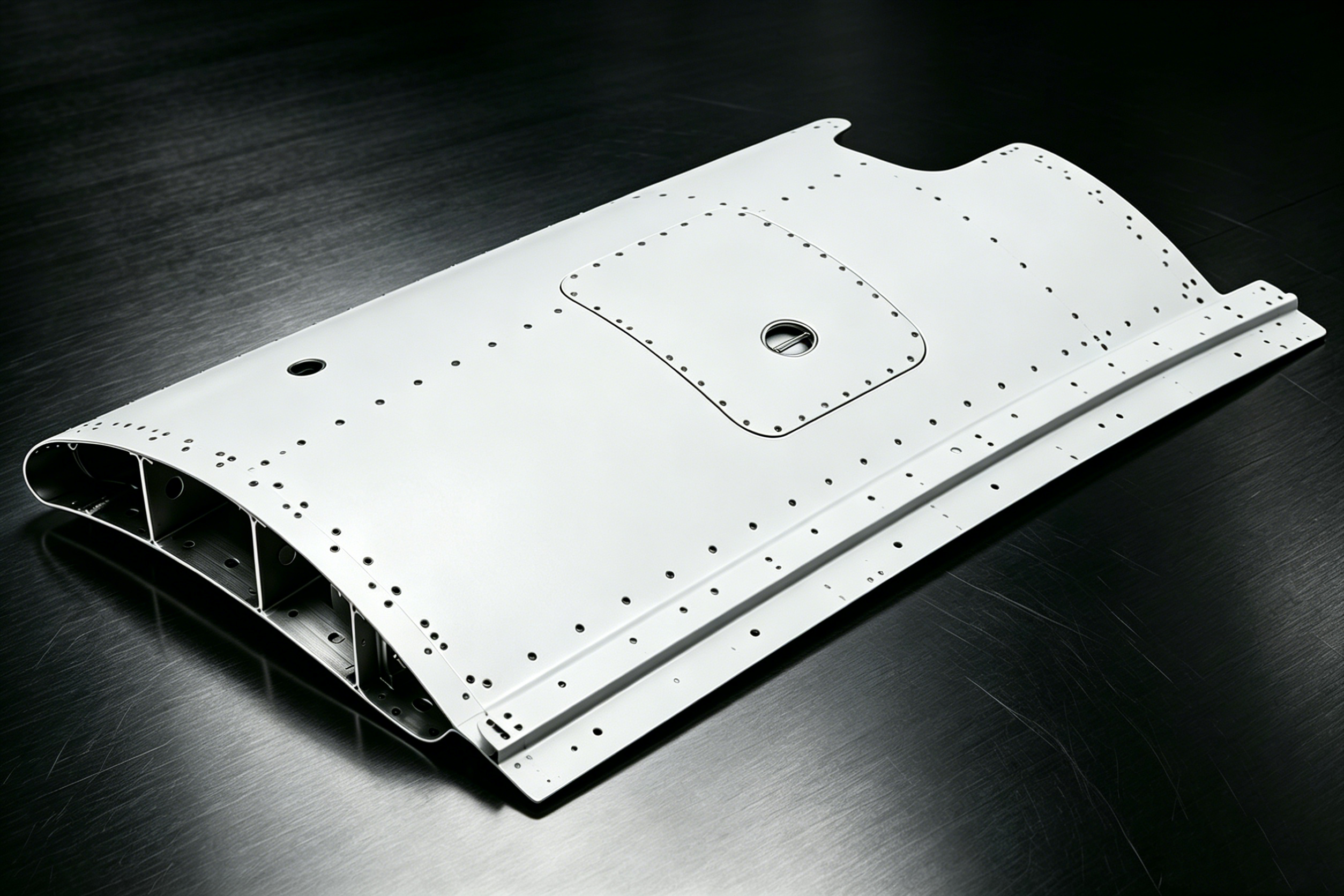
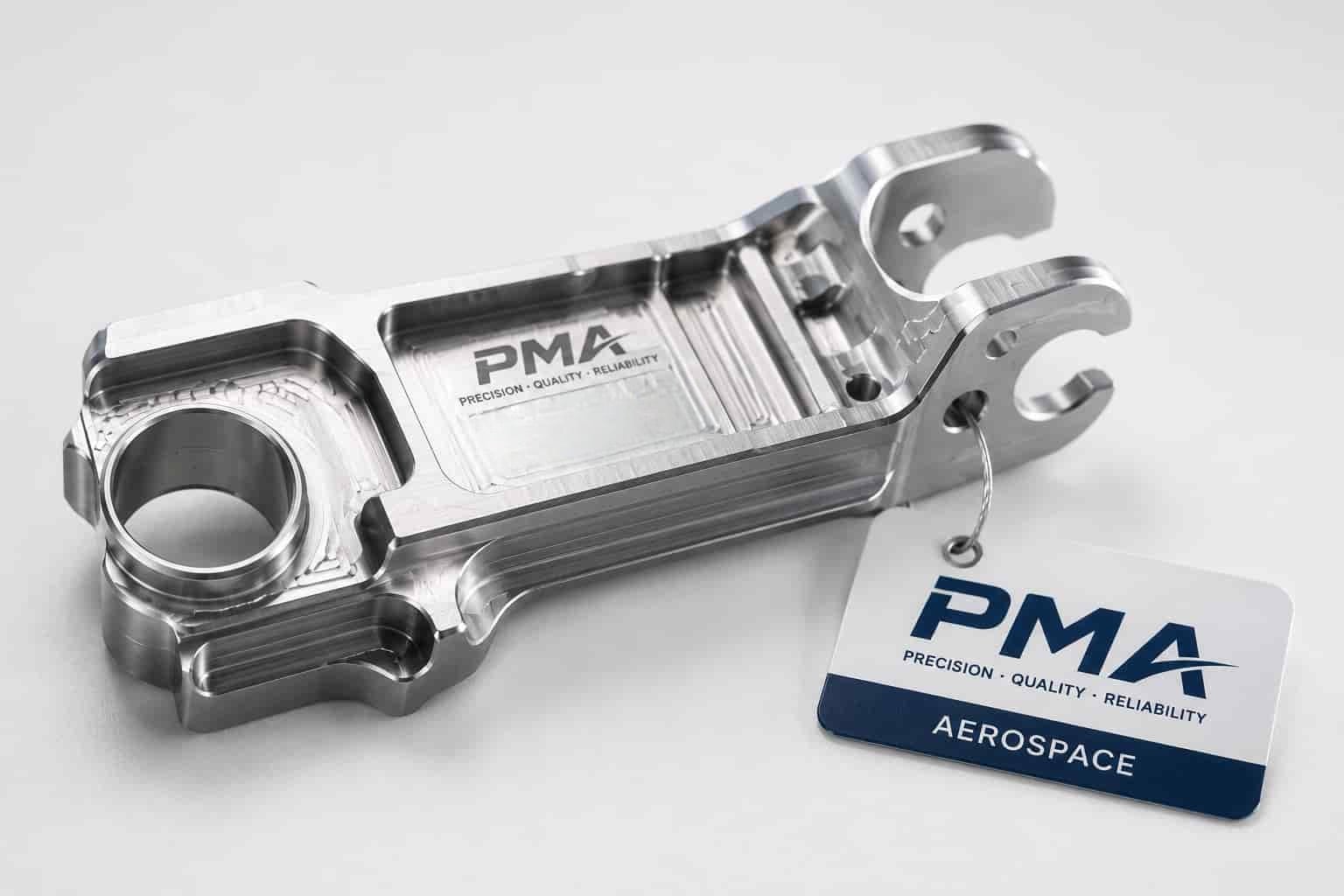
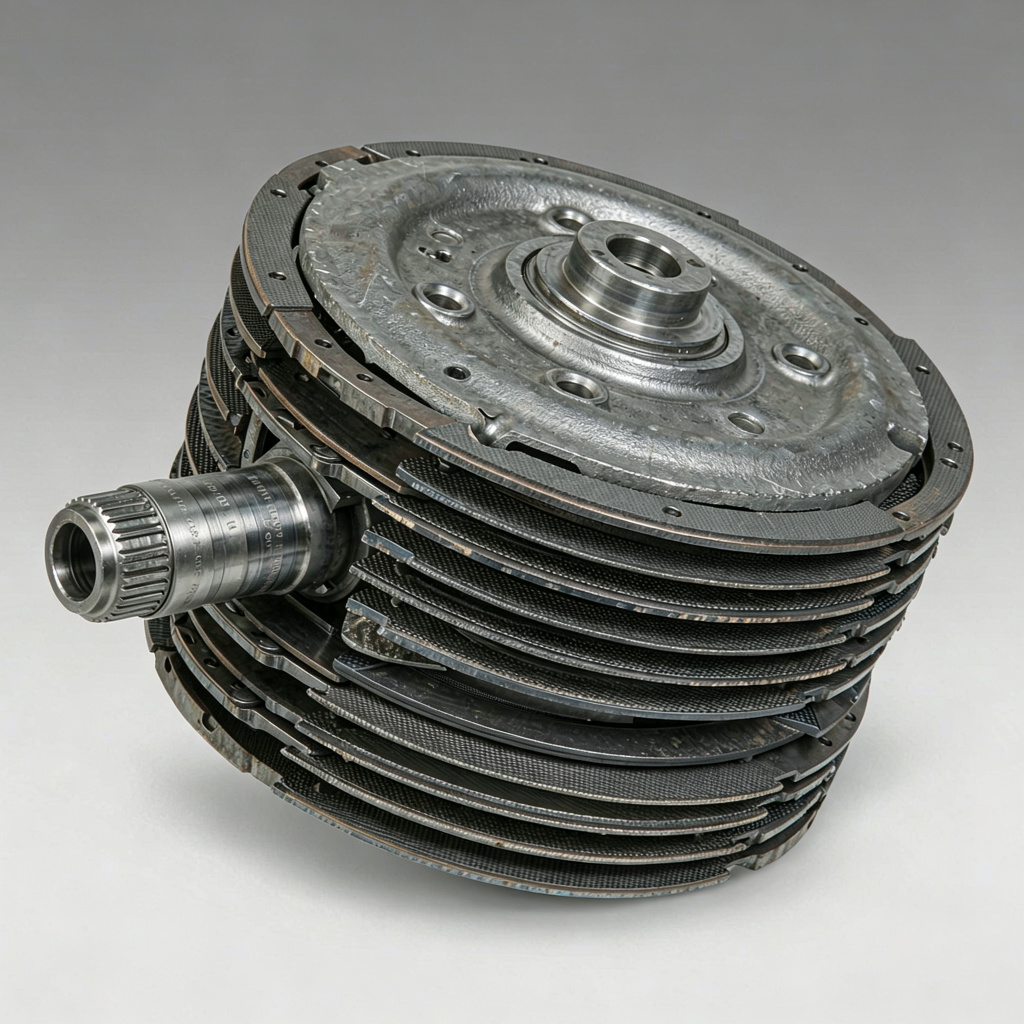
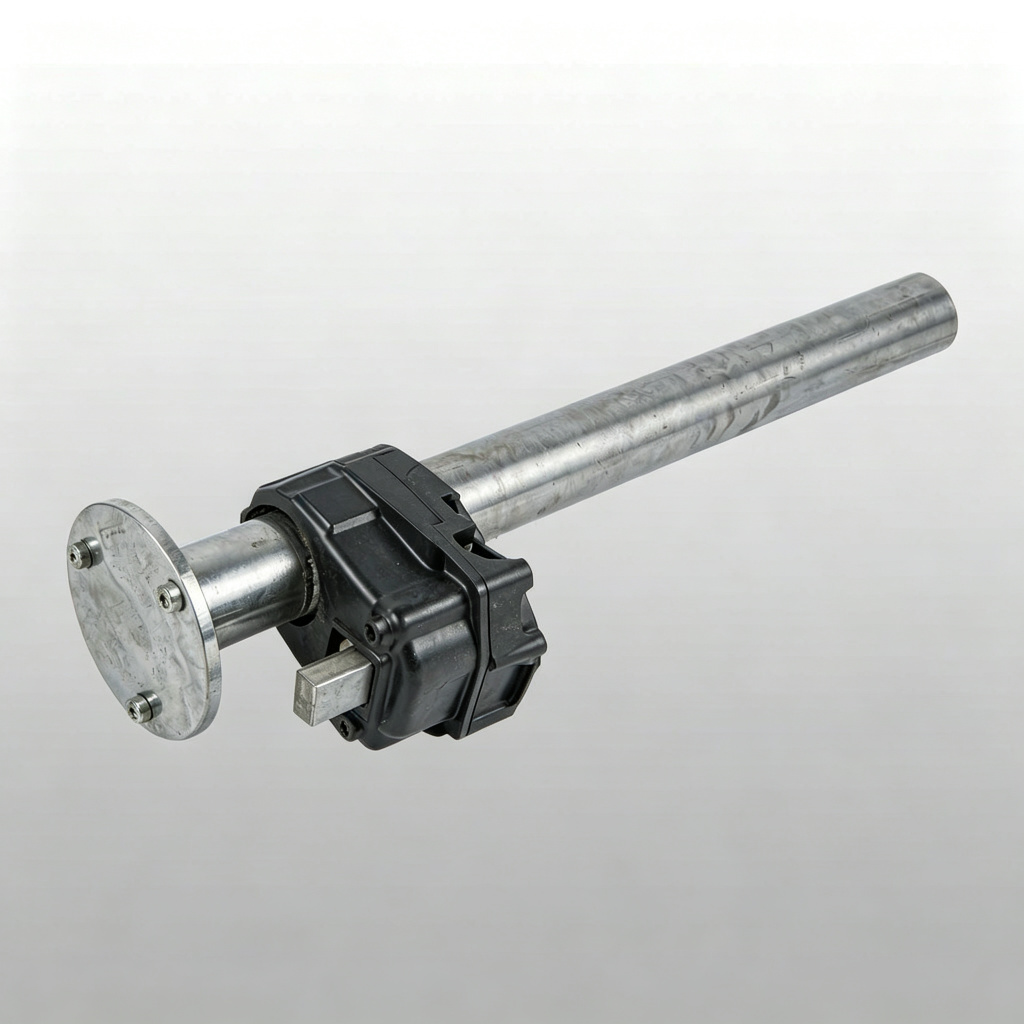
Aircraft structural PMA parts are FAA-approved aftermarket components designed to replace original equipment manufacturer parts in aircraft structures. PMA stands for Parts Manufacturer Approval, a rigorous certification granted by aviation authorities ensuring these parts meet or exceed original design specifications. These components encompass critical structural elements including frames, bulkheads, stringers, skin panels, brackets, and reinforcement fittings that form the backbone of aircraft integrity. Manufacturing aircraft structural PMA parts requires comprehensive documentation, testing protocols, and quality assurance procedures to demonstrate equivalent safety and performance standards. The certification process involves detailed engineering analysis, material verification, and functional testing to validate structural integrity under operational stresses. Aircraft structural PMA parts serve commercial airlines, cargo operators, military fleets, and maintenance repair organizations seeking cost-effective alternatives without compromising safety standards. These parts address the growing demand for affordable aircraft maintenance solutions as fleets age and OEM part availability diminishes. The production of aircraft structural PMA parts utilizes advanced manufacturing techniques including precision machining, composite layup, and modern metallurgy to replicate or improve upon original designs. Quality control measures ensure dimensional accuracy, material properties, and surface treatments match stringent aerospace specifications, providing operators with reliable replacement options that maintain airworthiness and extend aircraft service life while reducing operational expenditures.


New Product Releases

Choosing aircraft structural PMA parts delivers substantial cost savings compared to original equipment alternatives, typically reducing procurement expenses by 25 to 60 percent while maintaining equivalent safety and performance standards. This financial advantage allows operators to allocate budget resources more efficiently across their maintenance programs without sacrificing quality or regulatory compliance. The competitive pricing of aircraft structural PMA parts stems from streamlined manufacturing processes and reduced overhead costs, translating directly into lower operating expenses for fleet managers. Availability represents another critical benefit, as aircraft structural PMA parts often feature shorter lead times than OEM components, minimizing aircraft downtime and improving operational readiness. Many PMA manufacturers maintain robust inventory levels and responsive supply chains, ensuring parts arrive when needed rather than subjecting operators to lengthy backorder delays. The quality assurance behind aircraft structural PMA parts provides operators with confidence through rigorous testing and certification requirements that mirror or exceed original specifications. Independent verification and FAA oversight ensure these components perform reliably under demanding operational conditions, from extreme temperatures to high-cycle fatigue scenarios. Aircraft structural PMA parts also offer flexibility in sourcing strategies, breaking dependence on single suppliers and fostering competitive market dynamics that benefit end users. Technical support from PMA manufacturers frequently exceeds expectations, with engineering teams available to address installation questions and provide documentation assistance. The decision to incorporate aircraft structural PMA parts into maintenance planning represents a strategic approach to fleet management, balancing fiscal responsibility with operational safety and regulatory adherence while supporting business objectives.

Practical Tips

Why Traceable Tools Are Vital for Compliance

15

Sep

Why Traceable Tools Are Vital for Compliance

Why traceable tools are non-negotiable for audit readiness, legal protection, and operational excellence.
View More
Cost-Effective Procurement Strategies for Tools

15

Sep

Cost-Effective Procurement Strategies for Tools

Cut tool costs by 15–25% with proven procurement strategies: TCO analysis, supplier consolidation, preventive maintenance & tech-enabled management. Optimize value—start now.
View More
Sourcing Traceable APU Spare Parts Efficiently

14

Sep

Sourcing Traceable APU Spare Parts Efficiently

Struggling with APU part delays and audit risks? Discover how to source traceable APU spare parts efficiently while ensuring FAA/EASA compliance. Get actionable steps now.
View More
Cost-Effective APU Procurement for Multi-Fleets

15

Sep

Cost-Effective APU Procurement for Multi-Fleets

Struggling with rising APU costs across diverse fleets? Discover proven strategies to cut TCO by 30%+ through standardization Download the guide.
View More
FAA Certification and Regulatory Compliance

FAA Certification and Regulatory Compliance

Aircraft structural PMA parts undergo exhaustive certification processes mandated by the Federal Aviation Administration, ensuring complete compliance with airworthiness standards and safety regulations. This certification requires manufacturers to demonstrate that their components match or surpass the form, fit, and function of original parts through comprehensive testing protocols and engineering validation. The approval process includes material analysis, structural testing, fatigue evaluation, and environmental resistance verification to confirm performance under real-world operating conditions. Manufacturers must establish robust quality management systems compliant with AS9100 aerospace standards, maintaining traceability from raw material procurement through final inspection. This regulatory oversight provides operators with documented assurance that aircraft structural PMA parts meet identical safety thresholds as OEM components, eliminating concerns about compromised airworthiness. The certification remains valid throughout the part's production lifecycle, with ongoing surveillance ensuring continued compliance. This regulatory framework protects operators from liability while supporting maintenance programs with legally acceptable alternatives that aviation authorities recognize and approve for installation on certified aircraft.
Superior Cost-Performance Value Proposition

Superior Cost-Performance Value Proposition

Aircraft structural PMA parts deliver exceptional value by combining significant cost reductions with performance characteristics that match or exceed original equipment specifications. The economic advantage stems from competitive manufacturing environments where multiple suppliers innovate production techniques, optimize material utilization, and eliminate unnecessary markup layers. Operators investing in aircraft structural PMA parts typically experience 30 to 55 percent savings on component acquisition, directly improving maintenance budget efficiency and return on investment. These savings compound across fleet-wide operations, particularly for high-usage structural components requiring periodic replacement due to wear, corrosion, or damage. Beyond initial purchase price, aircraft structural PMA parts often include improved designs incorporating lessons learned from decades of operational experience, potentially extending service intervals and reducing lifecycle costs. The competitive marketplace surrounding PMA components incentivizes manufacturers to provide superior customer service, technical support, and warranty terms that enhance overall value. Fleet managers recognize that cost savings from aircraft structural PMA parts enable reinvestment in other critical maintenance areas, training programs, or fleet expansion initiatives while maintaining uncompromising safety standards and regulatory compliance.
Enhanced Availability and Supply Chain Reliability

Enhanced Availability and Supply Chain Reliability

Aircraft structural PMA parts address critical supply chain challenges facing aircraft operators by providing readily available alternatives when OEM components face extended lead times or production discontinuation. As aircraft age beyond their original production runs, manufacturers sometimes reduce support for legacy platforms, creating parts availability gaps that PMA suppliers fill effectively. The presence of aircraft structural PMA parts in the marketplace ensures continuous access to essential structural components regardless of OEM production schedules or business decisions. Many PMA manufacturers specialize in specific aircraft types or component categories, developing deep expertise and maintaining strategic inventory positions that support rapid fulfillment. This specialization translates into shorter delivery windows, often measured in days rather than months, minimizing aircraft ground time and preserving operational schedules. The diversified sourcing enabled by aircraft structural PMA parts reduces dependency risks associated with single-source suppliers, providing procurement teams with negotiating leverage and backup options during supply disruptions. Advanced logistics capabilities and global distribution networks characterizing leading PMA suppliers ensure parts reach maintenance facilities promptly regardless of geographic location, supporting international operations and remote facilities with equal efficiency.