Aircraft Airframe PMA Parts | Certified Solutions

application/aircraft-airframe-pma-parts, application/aircraft-airframe-pma-parts, 
Inquiry
Inquiry

aircraft airframe pma parts

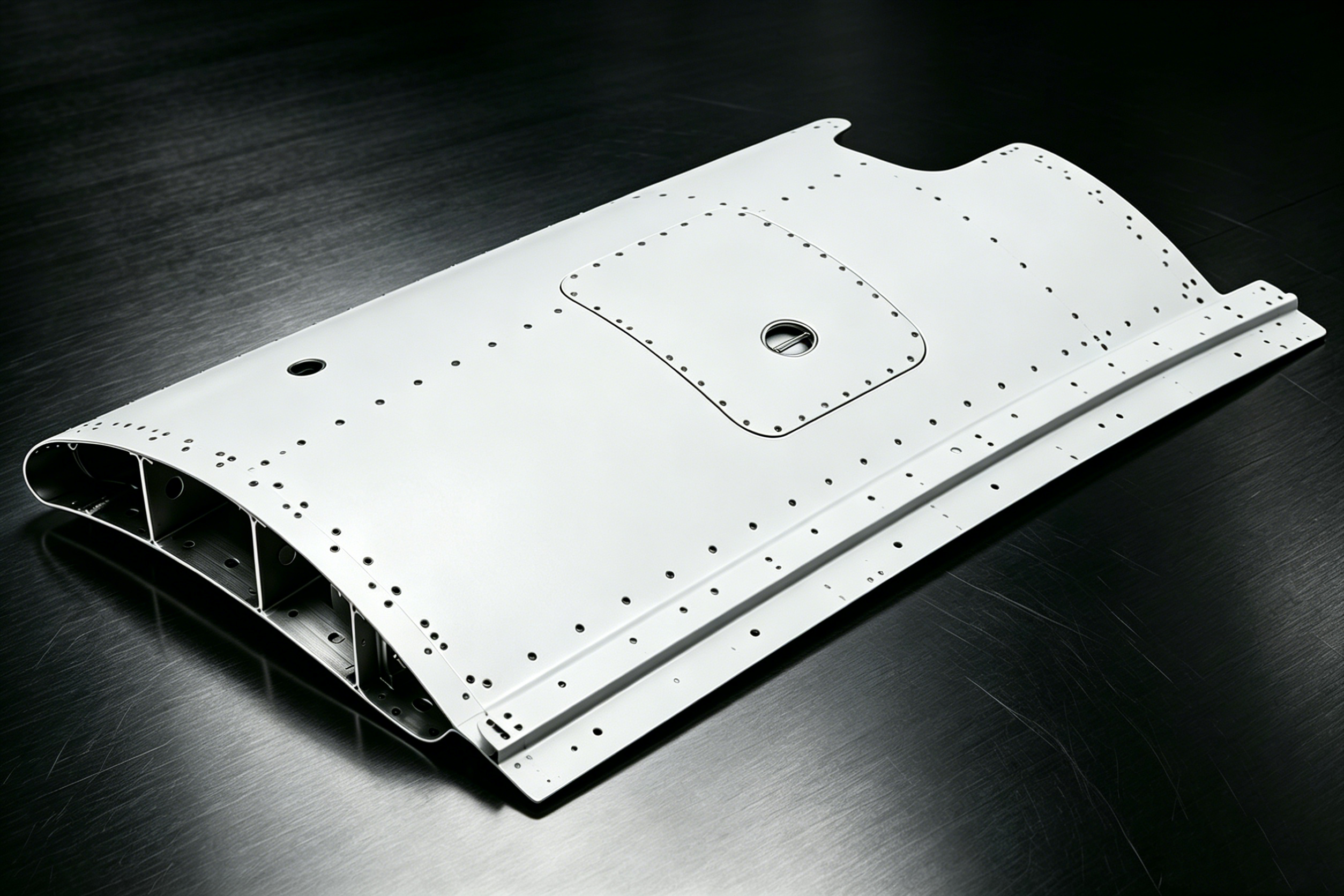
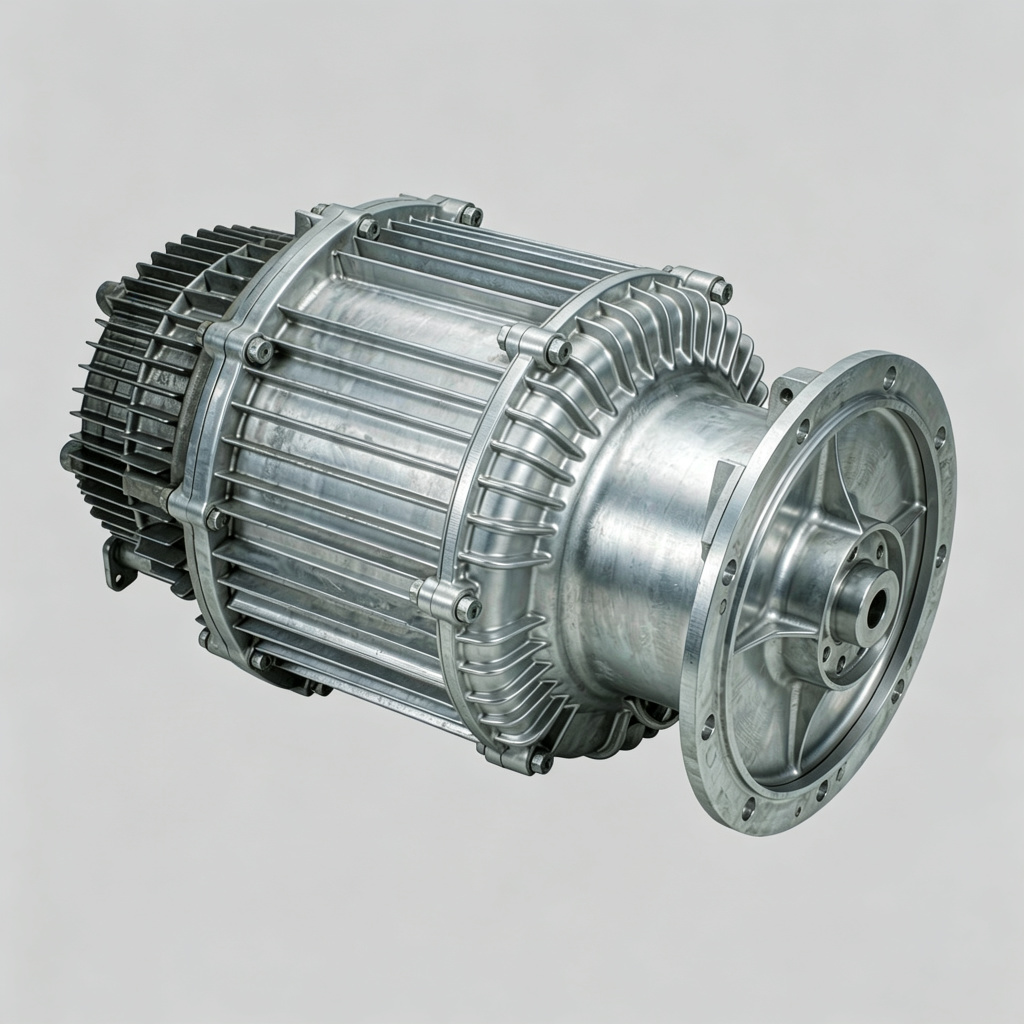
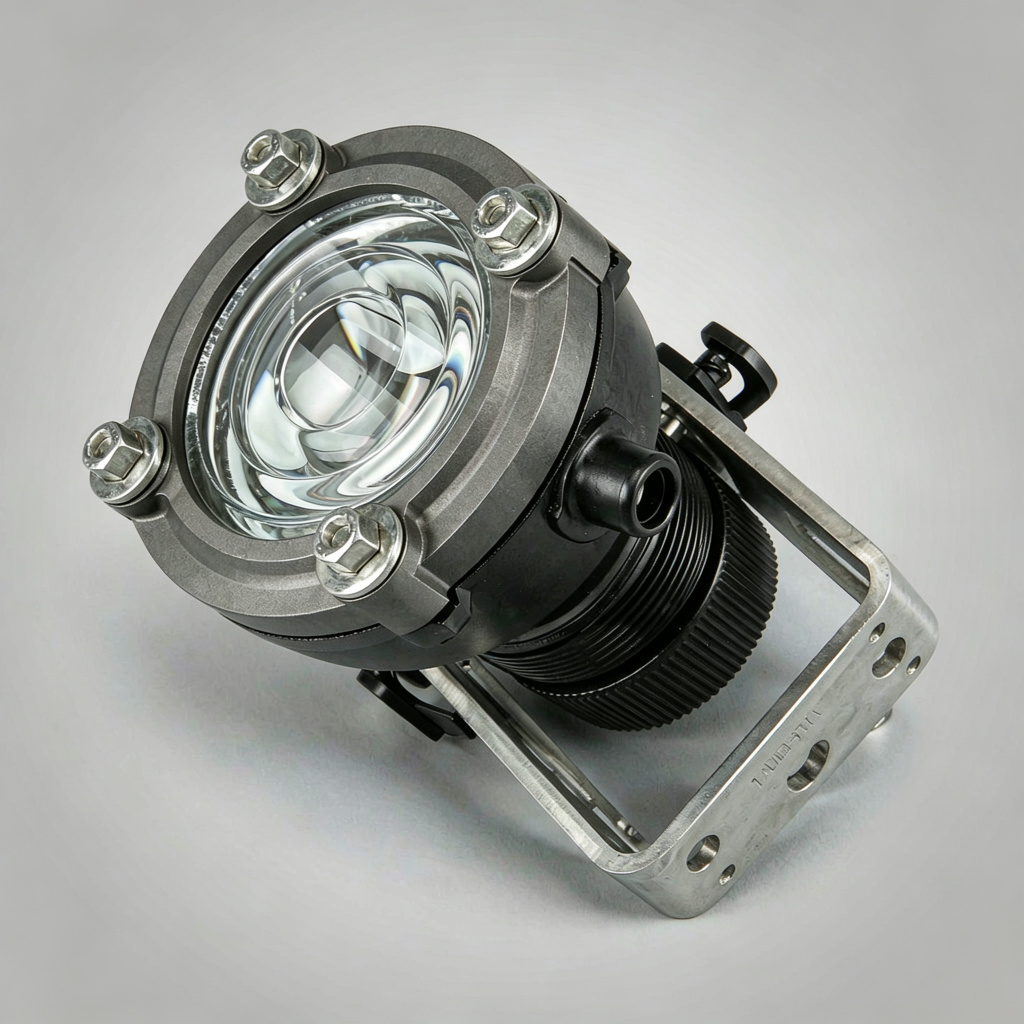
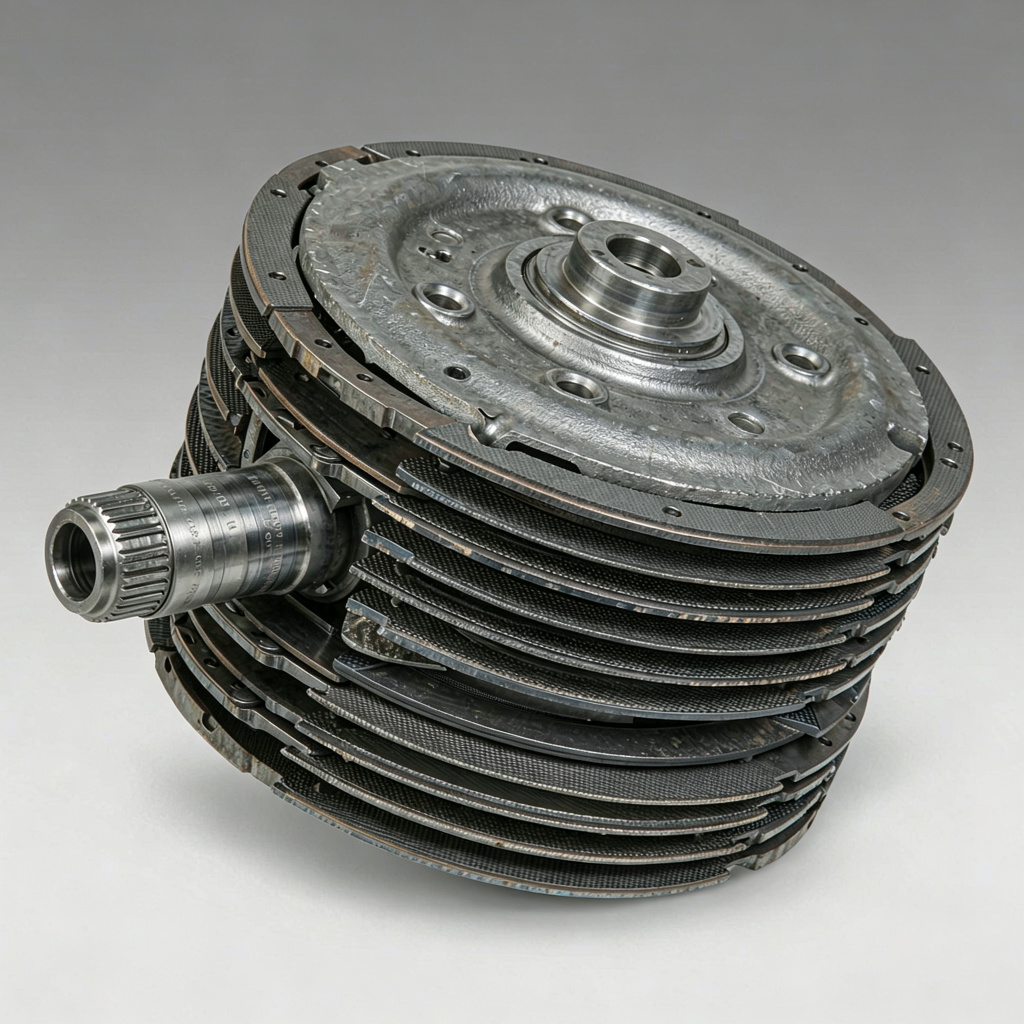
Aircraft airframe PMA parts represent FAA-approved alternative components that meet or exceed original equipment manufacturer specifications for structural airframe applications. PMA stands for Parts Manufacturer Approval, a rigorous certification process ensuring these parts comply with all regulatory safety and performance standards. These components include critical structural elements such as fuselage panels, wing assemblies, landing gear components, door mechanisms, and various brackets and fittings essential to aircraft integrity. The primary function of aircraft airframe PMA parts is to provide reliable, cost-effective replacement options for aging or damaged airframe components while maintaining the highest safety standards. Technologically, these parts undergo extensive testing protocols including material analysis, stress testing, and quality assurance procedures that mirror or surpass OEM requirements. Manufacturers utilize advanced materials like aerospace-grade aluminum alloys, titanium composites, and corrosion-resistant steel to produce aircraft airframe PMA parts that deliver exceptional durability and performance. Applications span commercial aviation, cargo operations, military aircraft maintenance, and general aviation sectors. Airlines and maintenance facilities increasingly adopt aircraft airframe PMA parts to reduce operational costs without compromising safety or airworthiness. These components serve as direct replacements during scheduled maintenance, unscheduled repairs, and comprehensive overhaul programs. The aviation industry recognizes aircraft airframe PMA parts as legitimate alternatives that support fleet sustainability while addressing the challenge of obsolete or expensive OEM components, making them indispensable in modern aircraft maintenance strategies.


New Product Releases

Choosing aircraft airframe PMA parts delivers substantial cost savings compared to original equipment alternatives, often reducing procurement expenses by twenty-five to forty-five percent without sacrificing quality or reliability. This financial advantage allows operators to allocate resources more efficiently across maintenance budgets while maintaining fleet readiness. The availability of aircraft airframe PMA parts significantly reduces downtime since these components typically have shorter lead times than OEM parts, enabling faster turnaround for aircraft returning to service. Operators benefit from competitive market dynamics where multiple PMA manufacturers offer equivalent solutions, creating pricing flexibility and supply chain resilience. Aircraft airframe PMA parts undergo identical airworthiness scrutiny as original components, providing peace of mind that regulatory compliance remains uncompromised. The FAA certification process ensures every component meets stringent safety requirements, making these parts legally and technically equivalent to OEM options. Maintenance teams appreciate the direct interchangeability of aircraft airframe PMA parts, which install using existing procedures and tooling without requiring special modifications or additional training. This compatibility streamlines maintenance workflows and reduces the risk of errors during installation. For fleet managers facing obsolescence challenges with aging aircraft, aircraft airframe PMA parts offer continued support when manufacturers discontinue original components. This extended lifecycle support protects investments in older aircraft and postpones costly fleet replacement decisions. Quality competition among PMA manufacturers often drives innovation and improved manufacturing processes, sometimes resulting in components with enhanced durability or performance characteristics. The transparency of the PMA approval process allows buyers to verify certification credentials and traceability documentation, ensuring complete confidence in component provenance and airworthiness status throughout the supply chain.

Latest News

Why Traceable Tools Are Vital for Compliance

15

Sep

Why Traceable Tools Are Vital for Compliance

Why traceable tools are non-negotiable for audit readiness, legal protection, and operational excellence.
View More
Sourcing Traceable APU Spare Parts Efficiently

14

Sep

Sourcing Traceable APU Spare Parts Efficiently

Struggling with APU part delays and audit risks? Discover how to source traceable APU spare parts efficiently while ensuring FAA/EASA compliance. Get actionable steps now.
View More
FAA-Certified Quality Assurance

FAA-Certified Quality Assurance

Aircraft airframe PMA parts carry full Federal Aviation Administration approval, representing the gold standard in aviation component certification. This approval process requires manufacturers to demonstrate that their components meet identical design, material, and performance specifications as original equipment. The certification involves comprehensive documentation reviews, material testing, dimensional verification, and ongoing quality surveillance by FAA representatives. Manufacturers must maintain detailed production records and implement quality management systems that ensure consistency across every component produced. This regulatory oversight provides operators with documented proof that aircraft airframe PMA parts satisfy all airworthiness requirements for legal installation and operation. The traceability inherent in PMA certification creates an auditable chain of custody from raw materials through final inspection, supporting maintenance record requirements and regulatory compliance obligations. Aviation authorities worldwide recognize FAA PMA approval, facilitating international operations without additional certification burdens. This globally accepted standard ensures that aircraft airframe PMA parts maintain their airworthiness status regardless of operating jurisdiction, simplifying compliance for operators with diverse route networks and providing universal confidence in component integrity.
Significant Cost Reduction Benefits

Significant Cost Reduction Benefits

Aircraft airframe PMA parts deliver exceptional value by substantially reducing maintenance expenditures while preserving operational safety and performance standards. The competitive marketplace for PMA components creates pricing advantages that directly impact bottom-line operating costs, with savings ranging from twenty-five to fifty percent compared to original equipment pricing. These financial benefits compound across fleet operations, where multiple aircraft require regular component replacement throughout their service lives. Budget-conscious operators leverage aircraft airframe PMA parts to extend maintenance intervals and optimize parts inventory investment without accepting compromised quality. The economic advantages extend beyond initial purchase price to include reduced carrying costs for spare parts inventory, as lower component prices decrease capital tied up in stock. Maintenance facilities appreciate the predictable pricing structure that aircraft airframe PMA parts offer, enabling more accurate cost forecasting and budget planning. Smaller operators particularly benefit from accessible pricing that makes professional-grade components affordable, leveling the competitive playing field against larger carriers with greater purchasing power. The demonstrated reliability and equivalent performance of aircraft airframe PMA parts eliminate any trade-off between cost savings and operational integrity, making them strategically valuable for maximizing fleet profitability.
Enhanced Supply Chain Reliability

Enhanced Supply Chain Reliability

Aircraft airframe PMA parts strengthen supply chain resilience by providing multiple sourcing options for critical components, reducing dependency on single suppliers and mitigating obsolescence risks. When original manufacturers discontinue components or face production delays, aircraft airframe PMA parts ensure continued availability that keeps aircraft operational and revenue-generating. This supply diversity proves especially valuable for operators maintaining older aircraft models where OEM support diminishes over time. Multiple PMA manufacturers competing for business creates healthy market dynamics that improve availability and responsiveness to customer needs. Lead times for aircraft airframe PMA parts typically measure in days or weeks rather than months, accelerating maintenance turnaround and minimizing aircraft downtime that erodes profitability. Maintenance planners gain flexibility to source components based on delivery schedules, pricing, and technical support capabilities rather than accepting monopolistic supplier terms. The competitive environment encourages manufacturers to maintain robust inventory levels and responsive customer service, directly benefiting operators who require urgent component delivery. Geographic diversity among PMA manufacturers provides additional supply security, reducing vulnerability to regional disruptions or logistics constraints. Aircraft airframe PMA parts essentially function as supply chain insurance, ensuring component accessibility throughout aircraft operational lifespans regardless of manufacturer business decisions or market conditions.