Maintenance Overhaul Services and Benefits

application/maintenance-overhaul, application/maintenance-overhaul, 
Inquiry
Inquiry

maintenance overhaul

A maintenance overhaul is a comprehensive restoration process that returns equipment, machinery, or systems to optimal operating condition through systematic disassembly, inspection, repair, and reassembly. This intensive procedure goes beyond routine maintenance by addressing wear, degradation, and potential failure points that accumulate over extended operational periods. The maintenance overhaul process involves complete teardown of equipment components, thorough cleaning, precise measurement against manufacturer specifications, replacement of worn parts, and rigorous testing before returning assets to service. This approach ensures maximum equipment reliability and extends operational lifespan significantly. The main functions include identifying hidden defects, restoring original performance parameters, updating components to current standards, and preventing unexpected breakdowns. Technological features encompass advanced diagnostic tools, precision measurement instruments, specialized repair techniques, and quality control protocols that guarantee work meets or exceeds original equipment manufacturer standards. Applications span diverse industries including aviation, manufacturing, power generation, transportation, marine operations, and heavy equipment sectors. Whether applied to engines, turbines, gearboxes, hydraulic systems, or electrical equipment, the maintenance overhaul delivers systematic renewal that protects capital investments. Organizations implement maintenance overhaul programs as part of strategic asset management, scheduling interventions based on operating hours, performance monitoring, or predetermined intervals that balance cost efficiency with operational reliability requirements.


New Product Releases

The maintenance overhaul delivers substantial cost savings by preventing catastrophic equipment failures that result in expensive emergency repairs and unplanned production downtime. By systematically addressing component wear before breakdowns occur, you avoid the premium costs associated with rush parts procurement and overtime labor during crisis situations. This proactive approach extends equipment service life considerably, delaying major capital expenditures for new asset purchases and maximizing return on existing investments. Operational reliability improves dramatically following a maintenance overhaul, as equipment performs consistently at design specifications with reduced vibration, improved efficiency, and lower energy consumption. Your production scheduling becomes more predictable when equipment operates dependably, eliminating disruptions that cascade through supply chains and disappoint customers. Safety benefits are equally important, as the maintenance overhaul eliminates worn components that pose risks to operators and surrounding personnel, while ensuring safety systems function properly under all conditions. The comprehensive inspection process often reveals problems that would otherwise remain undetected until causing serious damage, allowing you to address issues economically during planned interventions rather than facing compounded damage later. Documentation generated during the maintenance overhaul provides valuable asset history records that inform future maintenance planning and support regulatory compliance requirements. Equipment resale value increases when supported by documented maintenance overhaul records that demonstrate responsible asset stewardship. Environmental performance improves as properly maintained equipment operates more efficiently with reduced emissions and lower fluid consumption. The maintenance overhaul ultimately represents intelligent asset management that balances immediate costs against long-term operational benefits, equipment availability, and risk mitigation across your organization.

Latest News

AeroLink Participates in MRO Greater China 2026 to Strengthen Global Aviation Supply Chain Cooperation

16

Jun

AeroLink Participates in MRO Greater China 2026 to Strengthen Global Aviation Supply Chain Cooperation

View More
Sourcing Verified Plane Engine Components Fast

15

Sep

Sourcing Verified Plane Engine Components Fast

Struggling with aircraft downtime? Discover proven strategies to source verified plane engine components rapidly—without compromising safety or compliance. Get started today.
View More
Complete Component Restoration

Complete Component Restoration

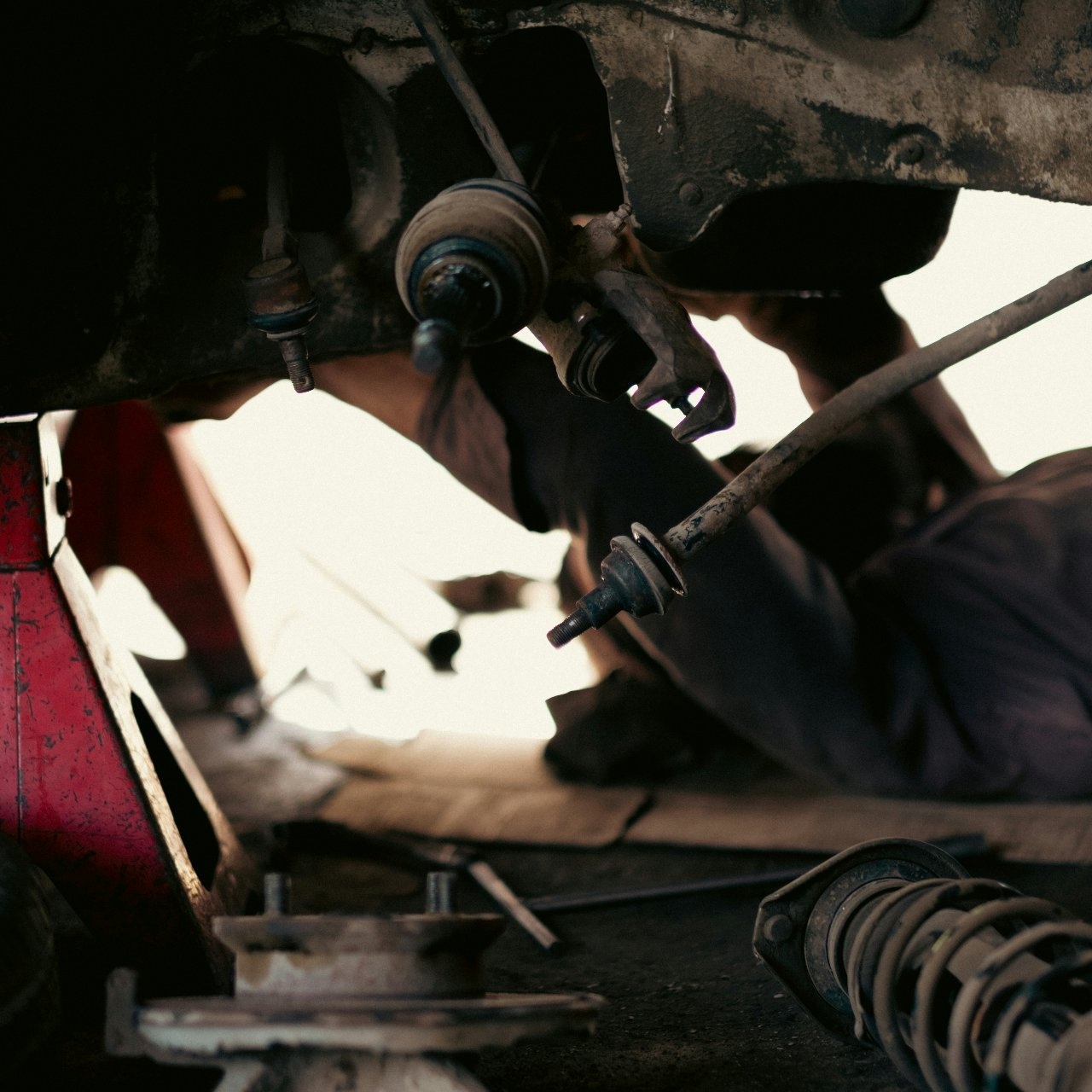
The maintenance overhaul process provides complete component restoration that addresses every system element through meticulous disassembly and inspection procedures. Skilled technicians systematically remove all components, carefully documenting positions and configurations to ensure proper reassembly. Each part undergoes thorough cleaning to remove contaminants, corrosion, and deposits that obscure defects or impair function. Precision measurement equipment evaluates dimensional accuracy against manufacturer tolerances, identifying wear that compromises performance even when components appear serviceable. Worn bearings, seals, gaskets, and other consumable items receive automatic replacement regardless of apparent condition, eliminating weak points that could trigger premature failure. Critical components undergo non-destructive testing including magnetic particle inspection, ultrasonic examination, or dye penetrant methods that reveal cracks invisible to visual inspection. Machining services restore surfaces to original specifications when wear remains within repairable limits, extending component life economically. This comprehensive approach ensures that equipment emerges from the maintenance overhaul with all systems functioning as designed, eliminating the compromises that accumulate during normal service intervals.
Performance Verification and Testing

Performance Verification and Testing

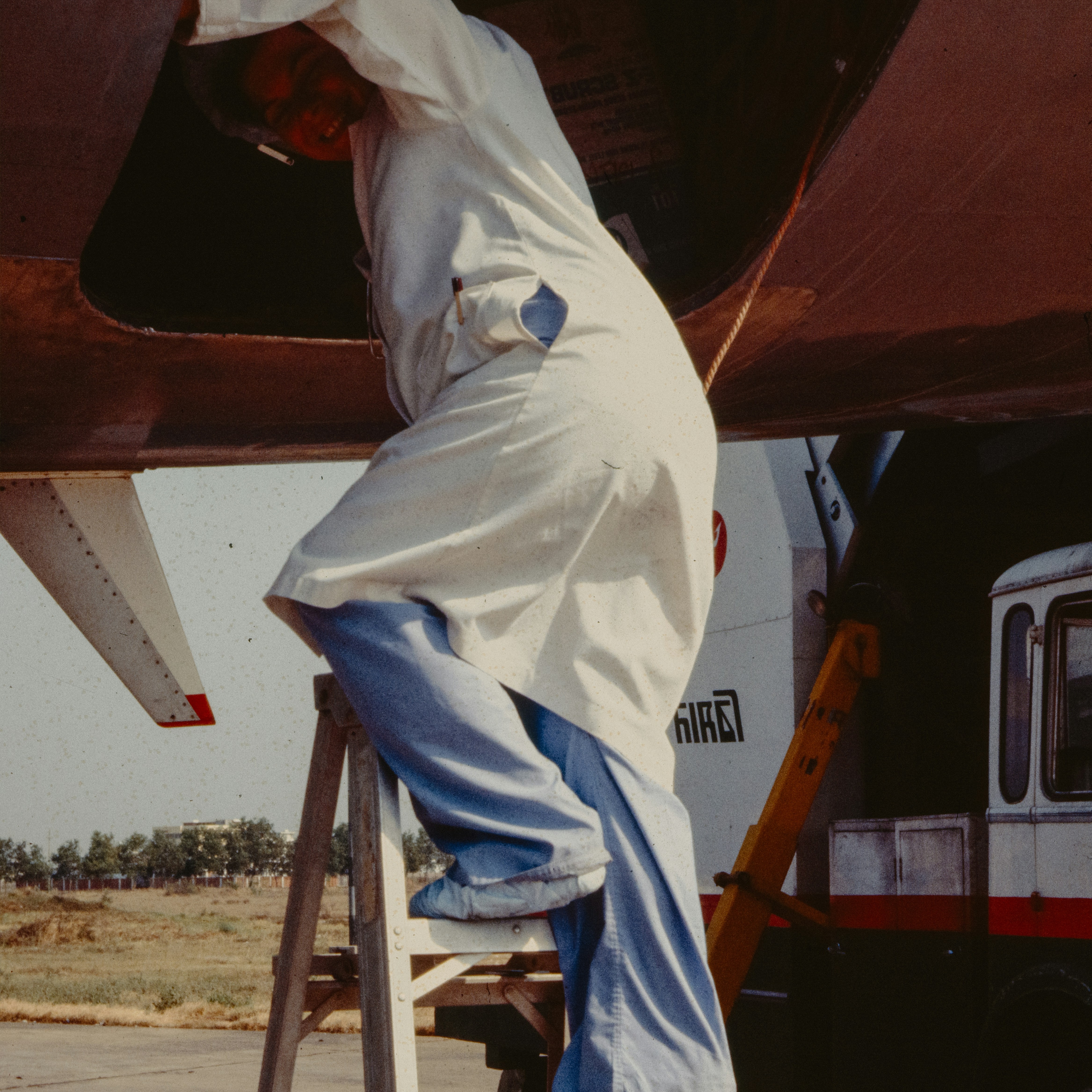
Rigorous performance verification distinguishes the maintenance overhaul from superficial service procedures by confirming that restored equipment meets all operational specifications before returning to service. Technicians conduct systematic function tests on individual components during reassembly, verifying proper operation at each assembly stage rather than discovering problems after completion. Specialized test equipment measures critical parameters including pressures, temperatures, flow rates, electrical characteristics, and mechanical clearances against precise benchmarks. Dynamic testing under simulated load conditions reveals performance characteristics that static inspection cannot detect, ensuring equipment handles operational demands reliably. Vibration analysis identifies imbalances, misalignments, or bearing defects that could shorten service life or indicate incomplete restoration. Leak testing confirms seal integrity across hydraulic, pneumatic, and lubrication systems using pressure decay methods or tracer techniques. Calibration services restore instrumentation accuracy so monitoring systems provide reliable operational feedback. The maintenance overhaul includes complete documentation of all test results, creating baseline references for future condition monitoring programs. This verification process provides confidence that equipment will perform reliably under actual operating conditions, protecting your operations from premature failures that waste the investment in restoration services.
Strategic Lifecycle Management

Strategic Lifecycle Management

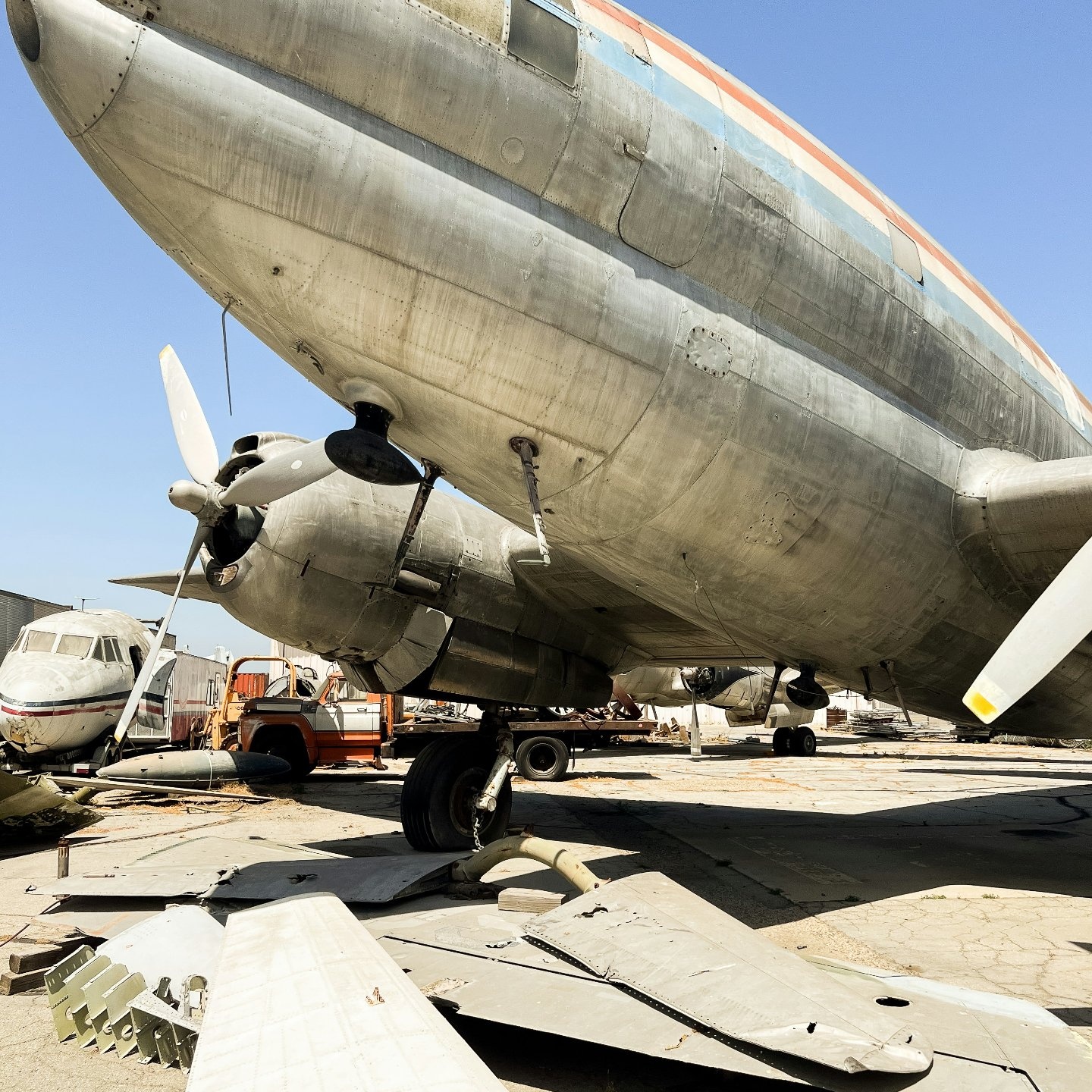
The maintenance overhaul functions as a cornerstone of strategic lifecycle management programs that optimize asset performance across extended service horizons. Planned scheduling of overhauls based on operating hours, cycle counts, or condition monitoring data allows you to coordinate interventions with production schedules, minimizing operational disruption while maintaining equipment reliability. Trend analysis of findings from successive overhauls reveals patterns in component wear, enabling refinements to operating procedures, lubrication practices, or replacement intervals that reduce lifecycle costs. The detailed inspection data collected during each maintenance overhaul supports predictive maintenance models that forecast future service requirements with increasing accuracy. Upgrade opportunities identified during overhauls allow incorporation of improved components, enhanced materials, or design modifications that boost performance beyond original specifications. Budget planning benefits from predictable overhaul scheduling that spreads major expenditures across fiscal periods rather than concentrating costs during emergency responses. Equipment availability improves as shorter, planned maintenance overhaul intervals prevent the extended downtime associated with major failures and subsequent repairs. The comprehensive records generated establish asset value for financial reporting, insurance purposes, and eventual disposition decisions, supporting informed capital allocation throughout the complete equipment lifecycle.