B2B MRO Solutions: Procurement Efficiency Guide

application/b2b-mro, application/b2b-mro, 
Inquiry
Inquiry

b2b mro

B2B MRO, which stands for Business-to-Business Maintenance, Repair, and Operations, represents a comprehensive procurement solution designed to streamline the acquisition of indirect materials and services essential for daily business operations. Unlike direct materials used in manufacturing finished products, B2B MRO encompasses everything from safety equipment and cleaning supplies to tools, electrical components, and office materials. This procurement model enables organizations to efficiently source and manage thousands of non-production items critical to maintaining operational continuity. Modern B2B MRO platforms leverage digital technology to consolidate supplier relationships, automate purchasing workflows, and provide real-time inventory visibility across multiple locations. The main functions include centralized catalog management, automated replenishment systems, vendor consolidation, contract compliance tracking, and comprehensive spend analytics. Technological features often incorporate artificial intelligence for demand forecasting, mobile accessibility for field technicians, punch-out catalogs for seamless integration with existing procurement systems, and advanced reporting dashboards that transform purchasing data into actionable insights. Applications span diverse industries including manufacturing facilities, healthcare institutions, educational campuses, hospitality operations, and municipal services. By implementing B2B MRO solutions, organizations gain control over fragmented purchasing patterns, reduce maverick spending, negotiate better pricing through volume consolidation, and ensure regulatory compliance. The digital transformation of B2B MRO has revolutionized how businesses approach indirect procurement, moving from reactive purchasing to strategic sourcing that delivers measurable cost savings and operational efficiency improvements.

New Product Releases

Implementing B2B MRO solutions delivers substantial buyer value through cost reduction, operational efficiency, and strategic procurement advantages. Organizations typically achieve 15-30 percent cost savings by consolidating suppliers, eliminating duplicate orders, and leveraging volume discounts across their entire operation. The centralized purchasing approach reduces administrative burden significantly, allowing procurement teams to focus on strategic initiatives rather than processing routine requisitions. Automated workflows accelerate order-to-delivery cycles, ensuring maintenance teams receive critical supplies promptly to minimize downtime. Real-time inventory tracking prevents both stockouts and excess inventory, optimizing working capital allocation. The operational benefits extend beyond cost control to include enhanced compliance management, ensuring purchases align with corporate policies, safety regulations, and sustainability goals. B2B MRO platforms provide unprecedented visibility into spending patterns, enabling data-driven decisions about vendor relationships, contract negotiations, and budget planning. For maintenance departments, having reliable access to the right supplies at the right time translates directly into improved equipment uptime and workforce productivity. The application suitability spans organizations of all sizes, from small businesses seeking to professionalize their purchasing processes to enterprise operations managing complex, multi-site procurement needs. Decision-makers appreciate the scalability of B2B MRO systems, which grow alongside business expansion without requiring proportional increases in procurement staff. Integration capabilities with existing ERP, accounting, and asset management systems ensure smooth implementation without disrupting established workflows. Mobile access empowers field technicians to order supplies directly from job sites, reducing delays and improving first-time fix rates. The standardization that B2B MRO brings creates consistency across locations while still accommodating site-specific requirements, balancing efficiency with flexibility to meet diverse operational needs.

Practical Tips

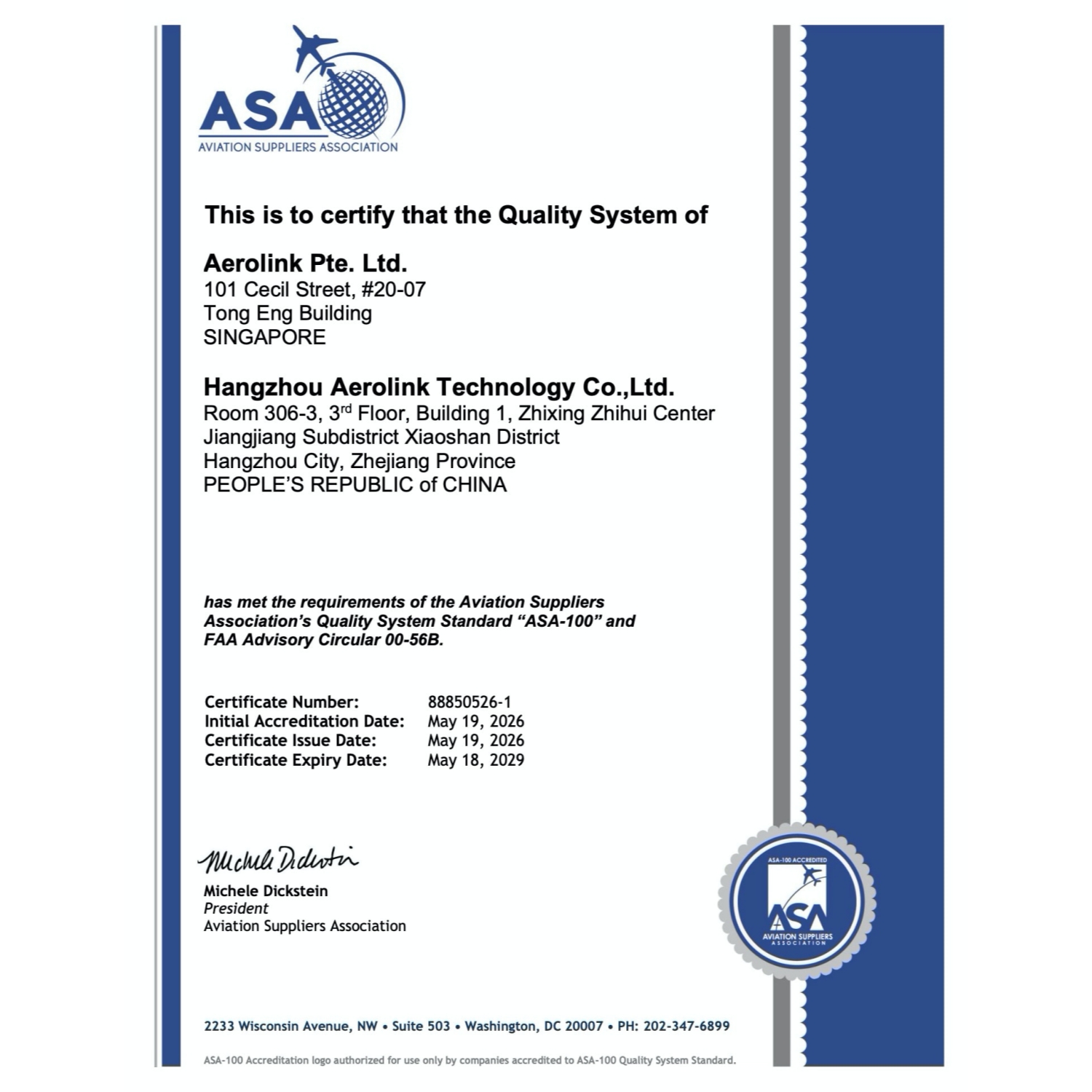
AeroLink Successfully Obtains ASA-100 and CAMAC Aviation Material Distributor Certifications

16

Jun

AeroLink Successfully Obtains ASA-100 and CAMAC Aviation Material Distributor Certifications

View More
Sourcing Certified Aerospace Tools with Ease

15

Sep

Sourcing Certified Aerospace Tools with Ease

Struggling with FAA/EASA-compliant tool procurement? Discover how to source certified aerospace tools fast. Download the full guide now.
View More
Cost-Effective GSE Solutions for Busy Airfields

15

Sep

Cost-Effective GSE Solutions for Busy Airfields

Cut GSE costs by 15–30% without sacrificing safety. Discover preventive maintenance, energy-efficient upgrades & right-sizing strategies. Get your free fleet assessment.
View More
Comprehensive Supplier Consolidation and Catalog Management

Comprehensive Supplier Consolidation and Catalog Management

One of the most transformative aspects of B2B MRO platforms is their ability to consolidate multiple supplier relationships into a unified digital catalog, dramatically simplifying the procurement experience. Rather than managing dozens of vendor accounts, login credentials, and disparate ordering systems, organizations access thousands of products through a single interface with standardized product information, pricing, and availability. This consolidation eliminates the inefficiency of comparing products across multiple vendor websites and reduces the administrative overhead of maintaining numerous supplier relationships. Advanced catalog management features include intelligent search functionality that helps users quickly locate the exact items needed, even when they only have partial product information. Many B2B MRO solutions incorporate guided parametric search tools that filter products based on technical specifications, ensuring procurement of the correct replacement parts or materials. The platform maintains approved product lists, ensuring compliance with corporate standards and negotiated contracts while preventing unauthorized purchases. Regular catalog updates keep pricing current and introduce new products that may offer better performance or value. Integration with supplier punch-out catalogs provides real-time inventory availability, preventing orders for out-of-stock items. This comprehensive approach to catalog management transforms B2B MRO from a transactional purchasing tool into a strategic resource that enhances decision-making quality.
Advanced Analytics and Spending Visibility

Advanced Analytics and Spending Visibility

B2B MRO platforms revolutionize procurement intelligence by transforming raw transaction data into actionable insights that drive continuous improvement and cost optimization. Comprehensive analytics dashboards provide stakeholders at all organizational levels with visibility into spending patterns, vendor performance, compliance rates, and cost-saving opportunities. Procurement managers can identify maverick spending outside approved contracts, quantify the financial impact, and implement corrective measures. Category-level analytics reveal which product segments offer the greatest potential for price negotiation or supplier consolidation. Usage trending helps predict future demand patterns, enabling proactive contract negotiations and inventory planning. Vendor scorecards evaluate suppliers across multiple dimensions including pricing competitiveness, delivery reliability, order accuracy, and responsiveness to issues, supporting informed decisions about relationship continuation or replacement. The ability to benchmark spending across different facilities or departments highlights inconsistencies and best practices worth replicating organization-wide. Custom reporting capabilities allow stakeholders to answer specific questions about procurement performance without relying on IT support. Automated alerts notify managers when spending approaches budget thresholds or when unusual purchasing patterns emerge. This data-driven approach to B2B MRO management empowers organizations to move from reactive purchasing to strategic sourcing, continuously refining their procurement strategies based on empirical evidence rather than intuition.
Streamlined Workflows and Process Automation

Streamlined Workflows and Process Automation

The automation capabilities embedded within B2B MRO platforms eliminate manual, time-consuming procurement tasks while ensuring consistent adherence to organizational policies and approval hierarchies. Automated requisition-to-purchase-order conversion accelerates processing times from days to minutes, enabling faster response to operational needs. Intelligent routing ensures requests automatically flow to the appropriate approvers based on spending thresholds, cost centers, or product categories, eliminating bottlenecks caused by manual forwarding. Pre-configured approval workflows enforce budgetary controls and separation of duties without requiring constant management oversight. Automated reordering based on consumption patterns or inventory thresholds ensures critical supplies remain available without manual monitoring. Three-way matching between purchase orders, receiving documents, and invoices happens automatically, flagging discrepancies for review while expediting payment for accurate orders. Electronic document management eliminates paper-based processes, improving audit readiness and reducing storage requirements. Integration with accounting systems automates journal entries, budget tracking, and financial reporting, ensuring procurement data flows seamlessly into financial records. Mobile approval capabilities allow managers to review and authorize purchases from anywhere, preventing delays when they are away from their desks. These workflow improvements within B2B MRO systems free procurement professionals from administrative tasks, allowing them to focus on strategic activities like supplier relationship management, contract negotiation, and process optimization that deliver greater organizational value.