MRO Pricing Solutions: Optimize Your Costs

application/mro-pricing, application/mro-pricing, 
Inquiry
Inquiry

mro pricing

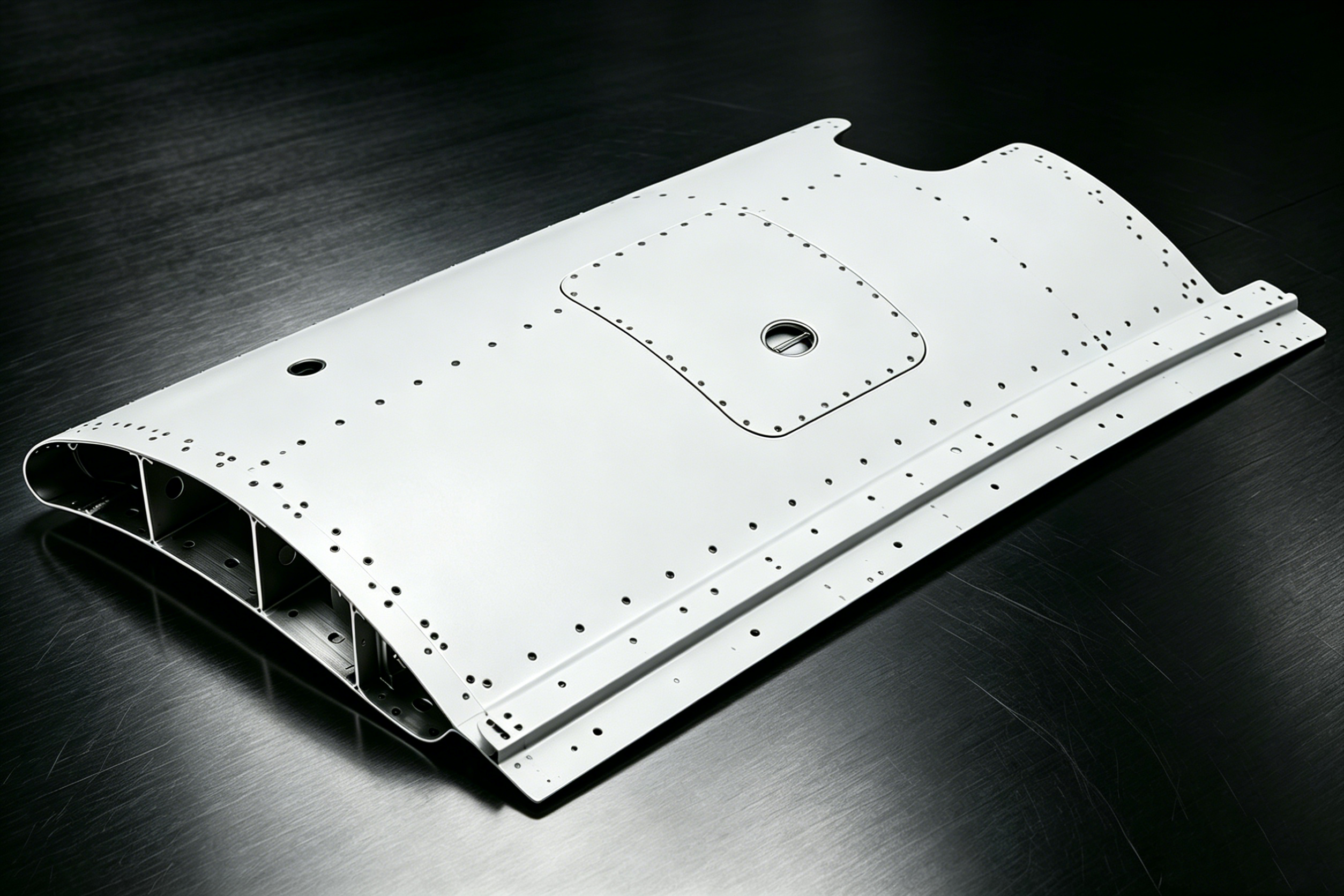
MRO pricing refers to the strategic approach businesses use to manage and optimize costs associated with Maintenance, Repair, and Operations supplies. This comprehensive pricing framework encompasses everything from industrial components and safety equipment to janitry supplies and office materials that keep operations running smoothly. Effective MRO pricing involves analyzing spending patterns, negotiating vendor contracts, implementing cost controls, and leveraging purchasing power to reduce expenses. The main functions include establishing standardized pricing structures, monitoring market fluctuations, consolidating supplier relationships, and creating transparent procurement processes. Technological features of modern MRO pricing systems integrate data analytics, automated purchasing workflows, real-time inventory tracking, and supplier performance metrics. These platforms provide visibility into spending across multiple locations and departments, enabling better decision-making. Applications span manufacturing facilities, healthcare institutions, educational campuses, hospitality operations, and commercial properties where maintaining equipment and facilities is critical. Organizations implementing structured MRO pricing strategies gain control over indirect spending, which typically represents fifteen to forty percent of total procurement budgets. The framework helps identify cost-saving opportunities, eliminate maverick spending, standardize product specifications, and improve supplier accountability. By establishing clear pricing guidelines and vendor agreements, businesses reduce price variability, ensure budget predictability, and achieve significant cost reductions while maintaining operational continuity and product quality standards throughout their supply chain management processes.


New Product Recommendations

Implementing effective MRO pricing delivers substantial financial benefits by reducing procurement costs between ten and thirty percent annually through consolidated purchasing and negotiated volume discounts. You gain complete visibility into spending patterns across all departments and locations, allowing you to identify wasteful expenditures and redirect resources toward value-generating activities. The structured approach eliminates price inconsistencies where different facilities pay varying amounts for identical products, ensuring fairness and budget predictability. Your procurement team saves valuable time by working with pre-approved suppliers offering agreed-upon rates rather than repeatedly sourcing quotes and negotiating individual purchases. Operational efficiency improves dramatically as standardized MRO pricing reduces administrative burden, accelerates ordering processes, and minimizes delays caused by approval bottlenecks. You benefit from enhanced supplier relationships built on transparent agreements and performance expectations, leading to better service quality and priority treatment during supply shortages. The system proves particularly valuable for multi-location organizations where centralized control prevents duplicate efforts and leverages collective buying power. Your maintenance teams access necessary supplies faster through streamlined ordering channels, reducing equipment downtime and improving productivity. Risk management improves as you diversify supplier bases strategically while maintaining pricing consistency and quality standards. Budget forecasting becomes more accurate when you understand true costs and can anticipate expenses based on historical data and contractual agreements. Small and medium businesses gain enterprise-level purchasing advantages by participating in group buying arrangements. The approach supports sustainability initiatives by identifying opportunities to consolidate shipments, reduce packaging waste, and select environmentally responsible suppliers without sacrificing cost objectives or operational requirements.

Practical Tips

Ensuring Landing Gear Safety with Certified Parts

15

Sep

Ensuring Landing Gear Safety with Certified Parts

Why certified landing gear prevents runway incidents and meets FAA/EASA standards. Learn how to source, verify, and maintain compliant parts—get the guide now.
View More
Key Steps to Evaluate Used Plane Engine Materials

14

Sep

Key Steps to Evaluate Used Plane Engine Materials

How to properly evaluate used plane engine materials for airworthiness, safety & compliance. Avoid costly failures—get the expert 10-step inspection protocol now.
View More
Sourcing Traceable APU Spare Parts Efficiently

14

Sep

Sourcing Traceable APU Spare Parts Efficiently

Struggling with APU part delays and audit risks? Discover how to source traceable APU spare parts efficiently while ensuring FAA/EASA compliance. Get actionable steps now.
View More
Data-Driven Cost Intelligence

Data-Driven Cost Intelligence

Modern MRO pricing strategies leverage advanced analytics and reporting capabilities that transform raw purchasing data into actionable intelligence. These systems track every transaction across your organization, categorizing spending by supplier, product type, department, and location. You receive detailed insights showing where money flows, which suppliers provide the best value, and where opportunities exist for consolidation or renegotiation. The technology identifies anomalies such as off-contract purchases, price creep over time, or departments paying premium rates for commonly available items. Benchmark comparisons reveal whether your organization pays competitive rates relative to industry standards and market conditions. Predictive analytics forecast future needs based on historical consumption patterns, seasonal variations, and planned maintenance activities. This intelligence empowers procurement professionals to enter supplier negotiations with concrete data supporting their positions and justifying requests for better terms. Real-time dashboards provide executives with spending visibility, enabling informed decisions about budget allocations and cost-reduction initiatives. The comprehensive view of MRO pricing across your entire operation eliminates blind spots and ensures every dollar spent contributes to operational excellence rather than unnecessary expenses.
Supplier Relationship Optimization

Supplier Relationship Optimization

Strategic MRO pricing creates framework agreements that benefit both buyers and suppliers through mutually advantageous long-term partnerships. Rather than transactional relationships focused solely on lowest unit costs, you establish collaborative arrangements where suppliers understand your needs, anticipate requirements, and invest in serving your organization effectively. Preferred vendor programs consolidate spending with select partners who offer competitive MRO pricing alongside value-added services such as inventory management, technical support, and emergency response capabilities. Suppliers gain predictable revenue streams and deeper customer relationships, motivating them to maintain quality standards and prioritize your orders during high-demand periods. Performance metrics embedded in agreements hold vendors accountable for delivery times, product quality, and service responsiveness while rewarding exceptional performance with increased business volume. The reduced supplier base simplifies procurement administration, strengthens negotiating leverage, and facilitates better communication channels. You benefit from suppliers who learn your specific requirements, stock appropriate inventory levels, and provide customized solutions addressing unique operational challenges. This optimization transforms MRO pricing from a purely cost-focused activity into a strategic advantage that enhances operational reliability and competitive positioning.
Automated Procurement Efficiency

Automated Procurement Efficiency

Technology-enabled MRO pricing systems automate routine purchasing activities, freeing your team to focus on strategic initiatives rather than administrative tasks. Integration with enterprise resource planning systems creates seamless workflows where approved requisitions automatically convert to purchase orders sent directly to contracted suppliers at predetermined prices. Employees access online catalogs featuring pre-negotiated MRO pricing, select needed items, and submit requests that flow through appropriate approval chains based on dollar thresholds and authorization levels. The automation eliminates manual data entry, reduces processing errors, and accelerates order fulfillment from days to hours. Electronic invoicing and three-way matching verify that received goods correspond to orders and agreed prices before authorizing payment, preventing overcharges and billing discrepancies. Mobile accessibility allows maintenance technicians and facility managers to order supplies from job sites, improving responsiveness and reducing equipment downtime. Automated reordering based on inventory levels ensures critical supplies remain available without excess stock tying up working capital. Audit trails document every transaction, supporting compliance requirements and providing accountability throughout the procurement process. This automation transforms MRO pricing management from a labor-intensive function into an efficient system that delivers cost savings while improving service quality and operational agility.