composite airframe
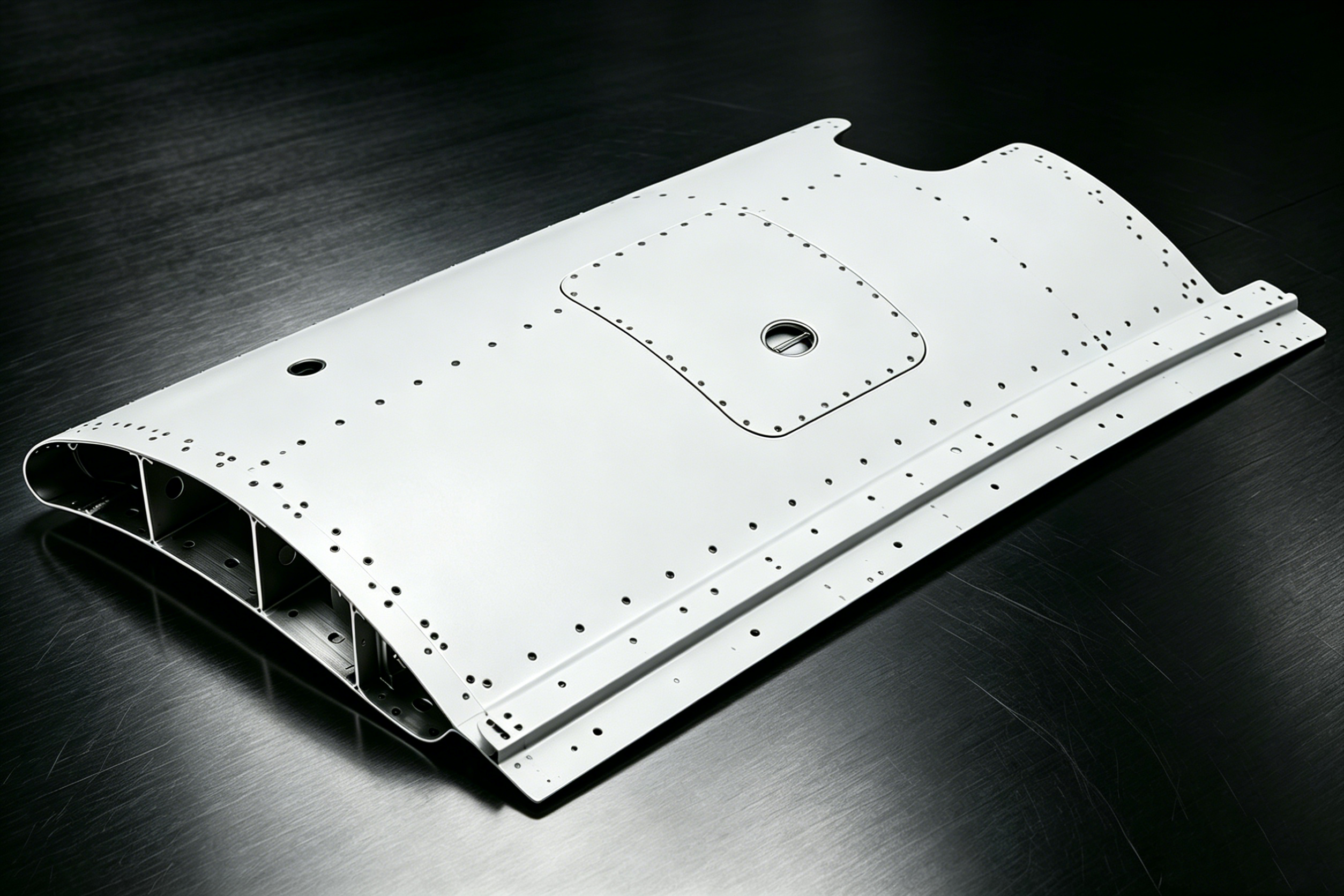
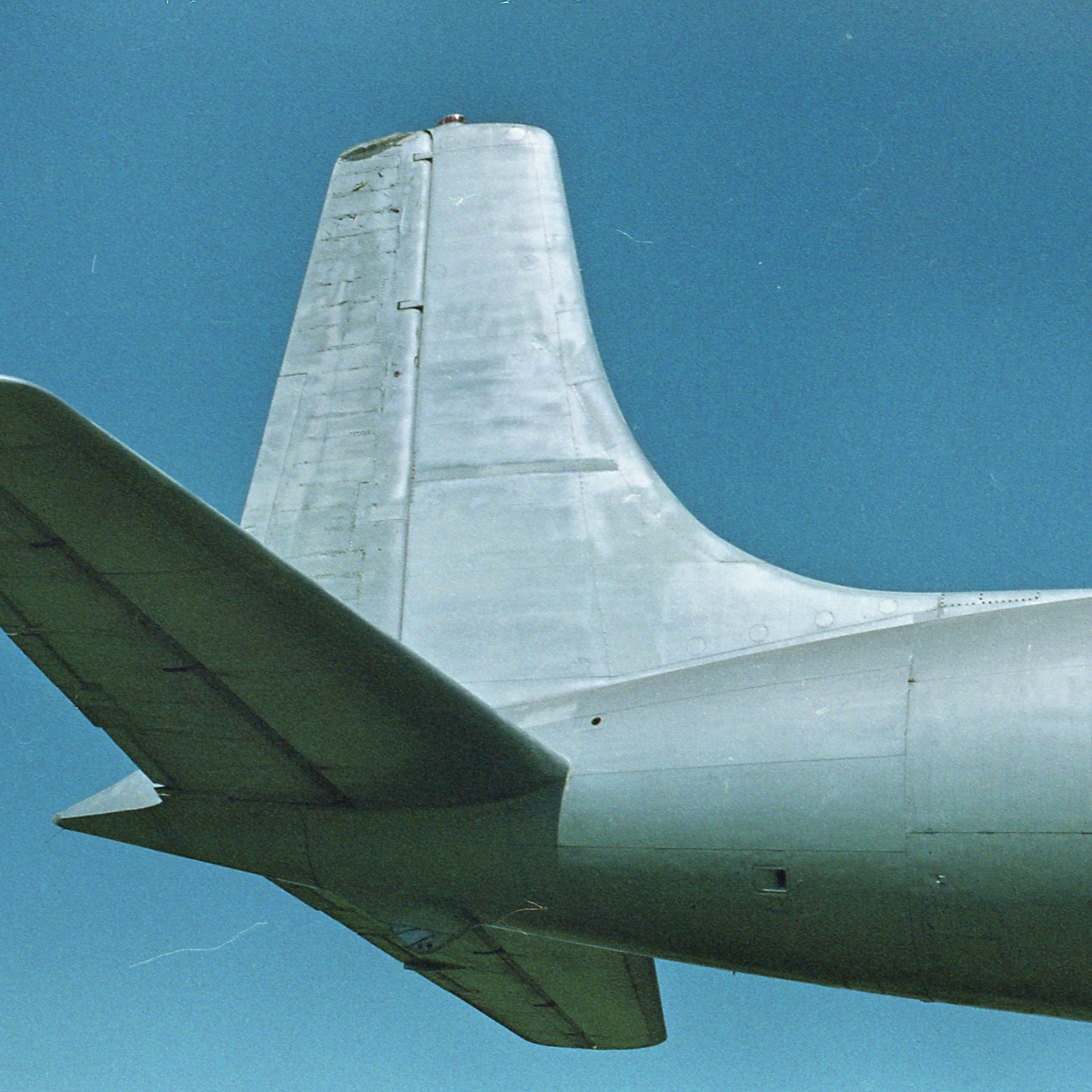
A composite airframe represents a revolutionary advancement in aircraft structural design, utilizing advanced materials such as carbon fiber, fiberglass, and aramid fibers combined with polymer resins to create the primary structure of an aircraft. Unlike traditional metal airframes constructed from aluminum or steel, a composite airframe offers superior strength-to-weight ratios and exceptional durability. These engineered structures form the skeleton of modern aircraft, encompassing fuselage sections, wing components, tail assemblies, and control surfaces. The composite airframe has transformed aerospace manufacturing by enabling designers to create complex geometries that would be impossible or impractical with conventional metallic materials. The layered construction process allows engineers to orient fibers in specific directions, optimizing strength exactly where needed while minimizing excess weight. This strategic material placement results in aircraft that consume less fuel, carry greater payloads, and achieve longer range capabilities. Modern composite airframe technology incorporates sophisticated manufacturing techniques including automated fiber placement, resin transfer molding, and autoclave curing processes. These methods ensure consistent quality and structural integrity throughout the airframe. The composite airframe has become the standard for new commercial aircraft, military fighters, unmanned aerial vehicles, and general aviation planes. Its resistance to corrosion, fatigue, and environmental degradation significantly extends aircraft service life while reducing maintenance requirements, making it an essential technology for the future of aviation.





 EN