Composite Airframe Solutions for Modern Aircraft

application/composite-airframe, application/composite-airframe, 
Inquiry
Inquiry

composite airframe

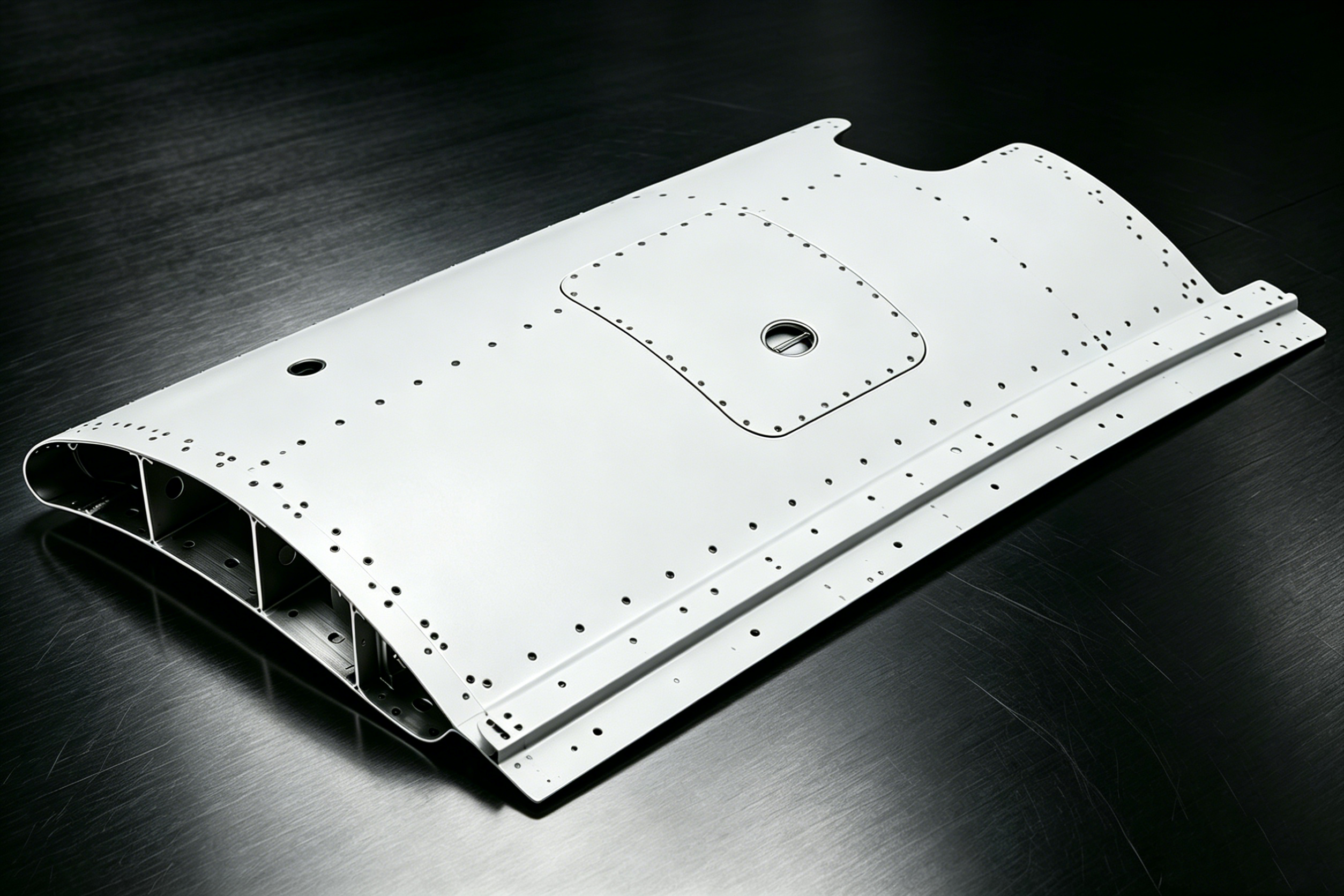
A composite airframe represents a revolutionary advancement in aircraft structural design, utilizing advanced materials such as carbon fiber, fiberglass, and aramid fibers combined with polymer resins to create the primary structure of an aircraft. Unlike traditional metal airframes constructed from aluminum or steel, a composite airframe offers superior strength-to-weight ratios and exceptional durability. These engineered structures form the skeleton of modern aircraft, encompassing fuselage sections, wing components, tail assemblies, and control surfaces. The composite airframe has transformed aerospace manufacturing by enabling designers to create complex geometries that would be impossible or impractical with conventional metallic materials. The layered construction process allows engineers to orient fibers in specific directions, optimizing strength exactly where needed while minimizing excess weight. This strategic material placement results in aircraft that consume less fuel, carry greater payloads, and achieve longer range capabilities. Modern composite airframe technology incorporates sophisticated manufacturing techniques including automated fiber placement, resin transfer molding, and autoclave curing processes. These methods ensure consistent quality and structural integrity throughout the airframe. The composite airframe has become the standard for new commercial aircraft, military fighters, unmanned aerial vehicles, and general aviation planes. Its resistance to corrosion, fatigue, and environmental degradation significantly extends aircraft service life while reducing maintenance requirements, making it an essential technology for the future of aviation.

Popular Products

Choosing a composite airframe delivers substantial operational benefits that directly impact your bottom line and aircraft performance. The most significant advantage is weight reduction, with composite airframe structures typically weighing 20-30 percent less than equivalent metal designs. This weight savings translates directly into fuel efficiency, allowing your aircraft to fly farther on less fuel or carry additional passengers and cargo without increasing operating costs. You will experience lower maintenance expenses because the composite airframe resists corrosion naturally, eliminating the need for frequent inspections and treatments required for metal structures exposed to moisture and salt. The fatigue resistance of composite materials means fewer structural repairs over the aircraft's lifetime, reducing downtime and maintenance labor costs. Your operational flexibility improves through design freedom that composite airframe construction provides, enabling aerodynamic shapes that reduce drag and improve flight characteristics. The composite airframe offers superior damage tolerance, with impacts absorbed across broader areas rather than creating stress concentrations that plague metal structures. You benefit from enhanced passenger comfort because composite materials dampen vibrations and noise more effectively than aluminum, creating a quieter cabin environment. The composite airframe maintains structural integrity across extreme temperature variations, performing consistently whether operating in arctic conditions or desert heat. Your investment retains value longer because composite airframe aircraft demonstrate slower degradation rates and extended service lives compared to conventional aircraft. These practical benefits combine to deliver reduced total cost of ownership, improved performance metrics, and competitive advantages in an industry where efficiency and reliability determine success.

Practical Tips

AeroLink Participates in MRO Greater China 2026 to Strengthen Global Aviation Supply Chain Cooperation

16

Jun

AeroLink Participates in MRO Greater China 2026 to Strengthen Global Aviation Supply Chain Cooperation

View More
Selecting Reliable GSE to Improve Ground Ops

15

Sep

Selecting Reliable GSE to Improve Ground Ops

Struggling with aircraft delays? Discover how choosing reliable GSE vendors improves turnaround time. Get your free vendor evaluation checklist.
View More
Sourcing Verified Plane Engine Components Fast

15

Sep

Sourcing Verified Plane Engine Components Fast

Struggling with aircraft downtime? Discover proven strategies to source verified plane engine components rapidly—without compromising safety or compliance. Get started today.
View More
Sourcing Traceable APU Spare Parts Efficiently

14

Sep

Sourcing Traceable APU Spare Parts Efficiently

Struggling with APU part delays and audit risks? Discover how to source traceable APU spare parts efficiently while ensuring FAA/EASA compliance. Get actionable steps now.
View More
Exceptional Strength-to-Weight Performance

Exceptional Strength-to-Weight Performance

The composite airframe delivers unmatched strength-to-weight ratios that fundamentally change aircraft capabilities and economics. Carbon fiber composites used in modern composite airframe construction are five times stronger than steel while weighing 70 percent less, creating structures that support enormous loads without the weight penalties of traditional materials. This exceptional performance allows aircraft designers to optimize every structural element for its specific loading conditions, placing reinforcement exactly where needed without adding unnecessary mass. The directional properties of composite materials enable engineers to align fibers along primary load paths, creating efficient load transfer throughout the composite airframe. This precision engineering results in structures that achieve maximum strength with minimum material, translating directly into fuel savings that compound over millions of flight hours. The weight reduction achieved through composite airframe technology enables increased payload capacity, extended range, or reduced fuel consumption based on your operational priorities. Airlines operating composite airframe aircraft report fuel savings of 15-20 percent compared to similar-sized metal aircraft, representing millions in annual operating cost reductions. The performance advantages extend beyond economics to enable aircraft designs previously impossible with conventional materials, opening new markets and mission profiles.
Superior Corrosion and Fatigue Resistance

Superior Corrosion and Fatigue Resistance

The composite airframe provides inherent resistance to corrosion and fatigue that dramatically reduces maintenance requirements and extends aircraft service life. Unlike aluminum airframes that corrode when exposed to moisture, salt, and industrial pollutants, the composite airframe remains chemically inert and unaffected by environmental exposure. This resistance eliminates costly corrosion inspection programs, protective coatings, and structural repairs that consume significant maintenance resources in metal aircraft fleets. Coastal operators and airlines serving tropical routes particularly benefit from composite airframe technology, as these environments rapidly degrade metal structures but leave composites unaffected. The fatigue characteristics of composite airframe materials differ fundamentally from metals, with composites showing minimal strength degradation over repeated loading cycles that would crack and weaken aluminum structures. This fatigue resistance translates into longer intervals between major structural inspections and reduced probability of finding issues requiring repair. Aircraft manufacturers now certify composite airframe designs for service lives exceeding 50,000 flight cycles with minimal structural degradation, compared to 20,000-30,000 cycles typical for metal designs. The maintenance cost savings accumulate throughout the aircraft's operational life, improving return on investment and reducing unexpected repair expenses that disrupt flight schedules and revenue generation.
Advanced Design Flexibility and Manufacturing

Advanced Design Flexibility and Manufacturing

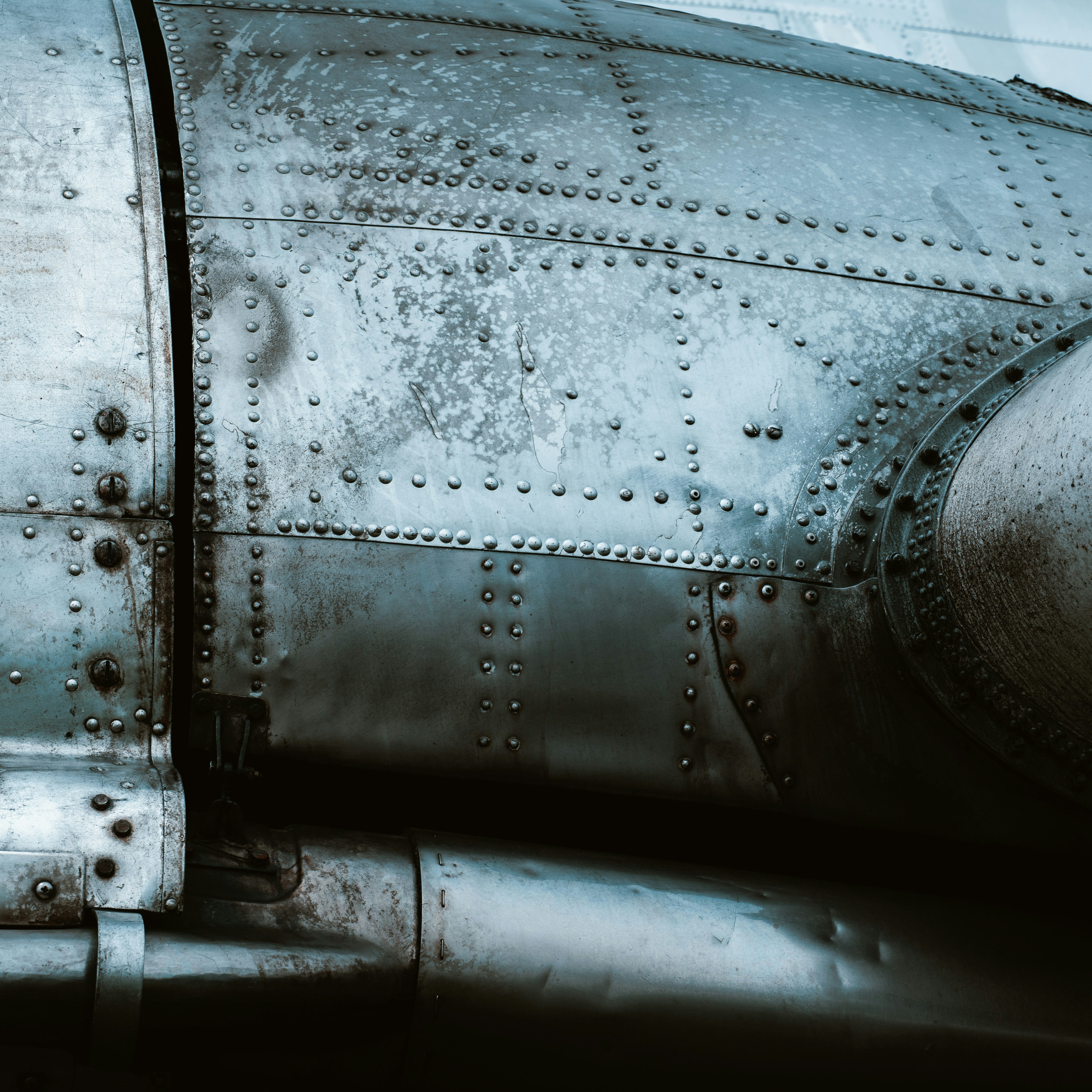
The composite airframe enables design innovations and manufacturing efficiencies impossible with traditional metallic construction methods. Composite materials can be formed into complex curved shapes and seamless structures that optimize aerodynamics and eliminate the riveted joints and fasteners that create drag and stress concentrations in metal airframes. Engineers designing composite airframe structures can integrate stiffeners, reinforcements, and attachment points directly into laminate layups, creating monolithic assemblies that replace dozens of individual metal parts. This part consolidation reduces manufacturing complexity, eliminates assembly time, and improves structural integrity by removing potential failure points. The composite airframe manufacturing process allows for embedded systems integration, with conduits, sensors, and structural health monitoring systems incorporated directly into composite layups during fabrication. Modern automated manufacturing techniques produce composite airframe components with exceptional consistency and quality, reducing human error and variability that affect hand-built metal structures. The ability to tailor composite airframe properties locally by varying fiber orientation, material type, and layer thickness gives designers unprecedented control over structural characteristics. This optimization capability results in aircraft that perform exactly as intended, with structures efficiently matched to their operational requirements rather than compromised by material limitations.