aircraft airframe
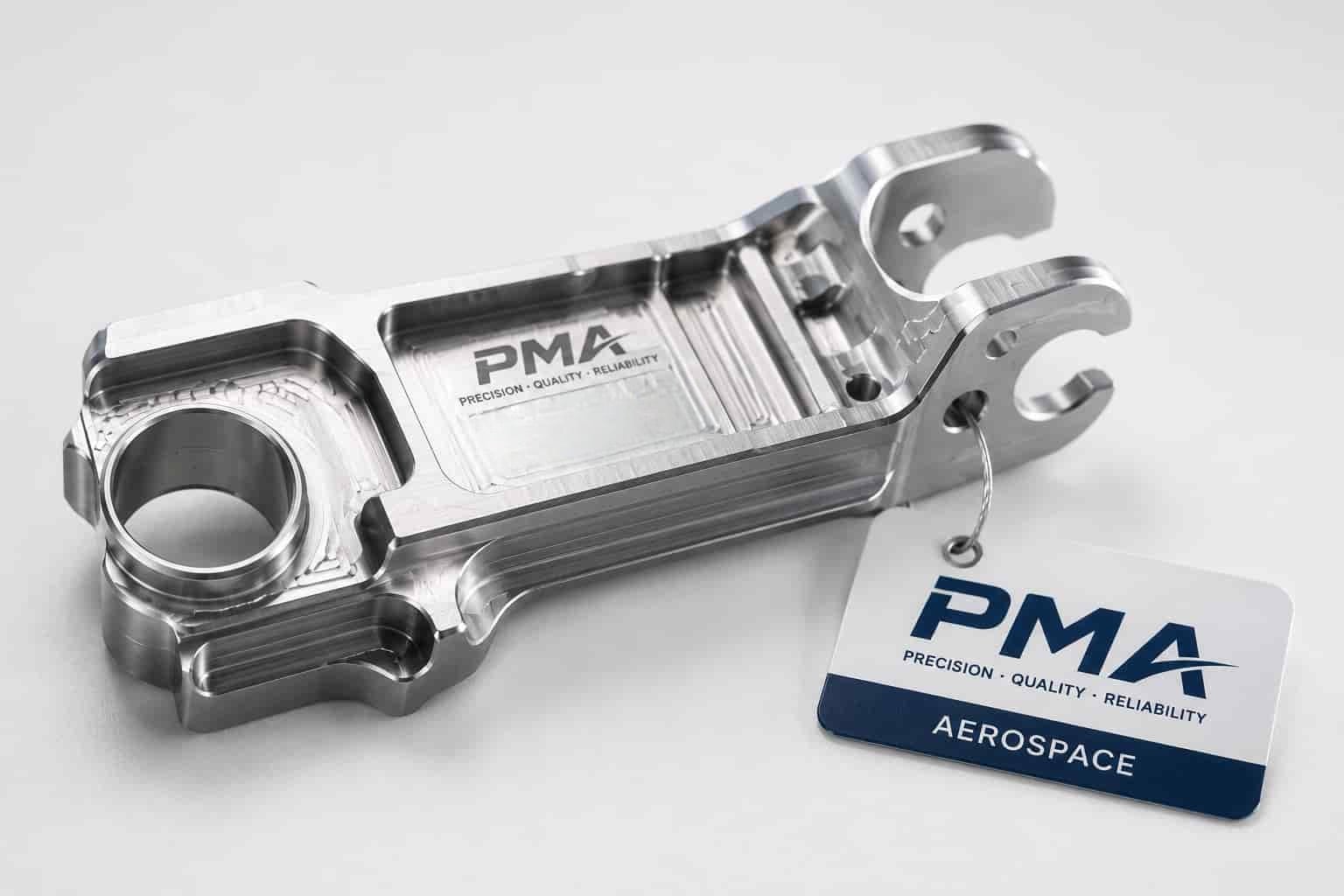
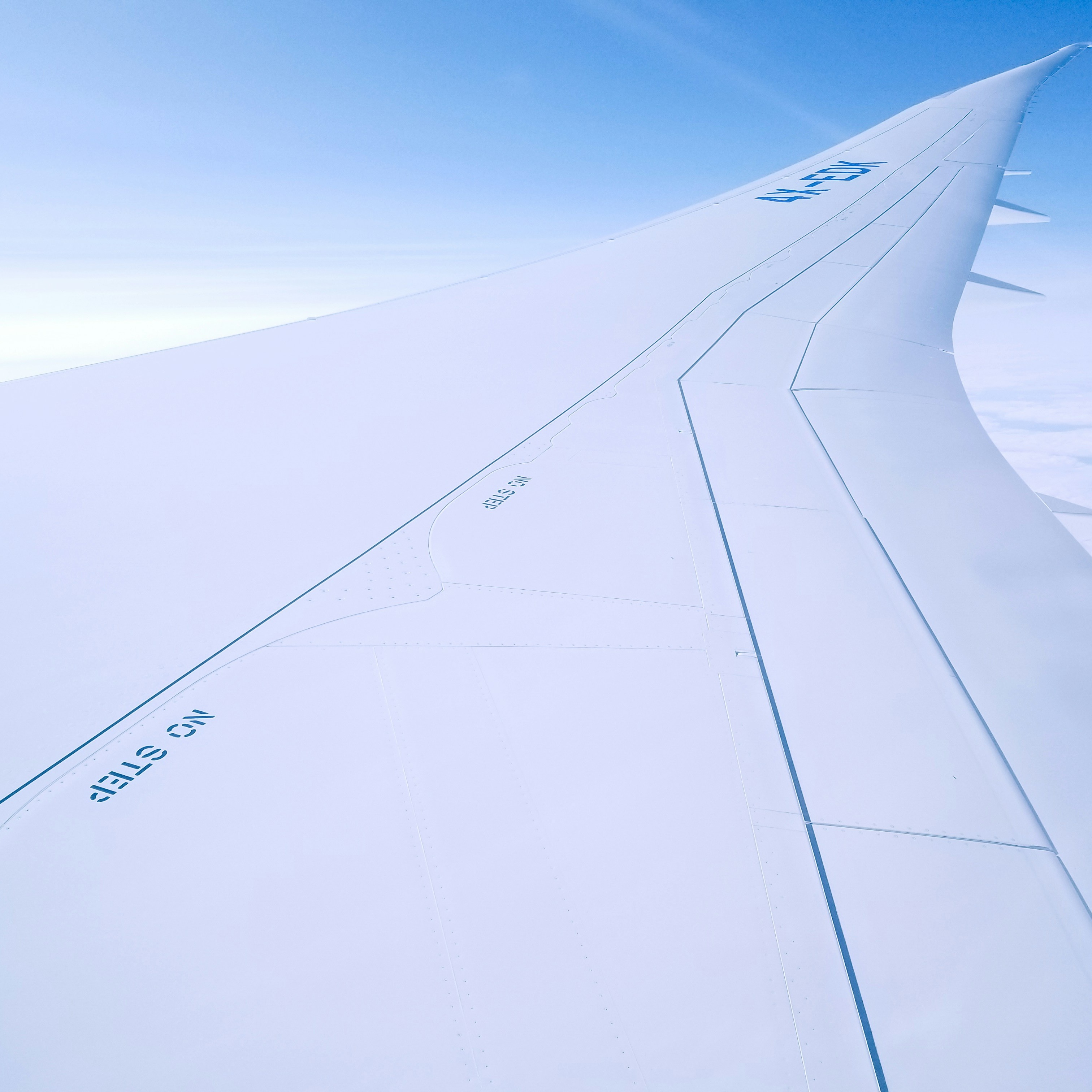
The aircraft airframe represents the fundamental structural framework of any flying vehicle, serving as the backbone that defines shape, strength, and aerodynamic performance. An aircraft airframe encompasses all major structural components including the fuselage, wings, tail assembly, landing gear support structures, and control surfaces. This essential framework must withstand tremendous forces during flight operations, including aerodynamic loads, cabin pressurization stress, turbulence impacts, and landing shock absorption. Modern aircraft airframe designs incorporate advanced engineering principles to optimize weight-to-strength ratios while maintaining structural integrity throughout decades of service life. The aircraft airframe functions as the primary load-bearing structure, supporting powerplants, fuel systems, avionics, cargo, and passengers while maintaining precise aerodynamic contours. Manufacturers construct these frameworks using specialized materials such as aluminum alloys, titanium compounds, composite materials, and advanced carbon fiber reinforcements. Each aircraft airframe undergoes rigorous testing protocols to ensure compliance with international aviation safety standards. The design process involves complex stress analysis, fatigue testing, and certification procedures that validate structural performance under extreme conditions. Applications span commercial aviation, military operations, cargo transport, private business jets, and specialized missions. The aircraft airframe directly influences fuel efficiency, payload capacity, range capabilities, and operational costs, making it a critical consideration for operators worldwide. Understanding airframe construction principles helps stakeholders appreciate the engineering excellence required to achieve safe, reliable flight operations across diverse aviation sectors.




 EN