FAA Airframe and Powerplant Certification Guide

application/faa-airframe-and-powerplant, application/faa-airframe-and-powerplant, 
Inquiry
Inquiry

faa airframe and powerplant

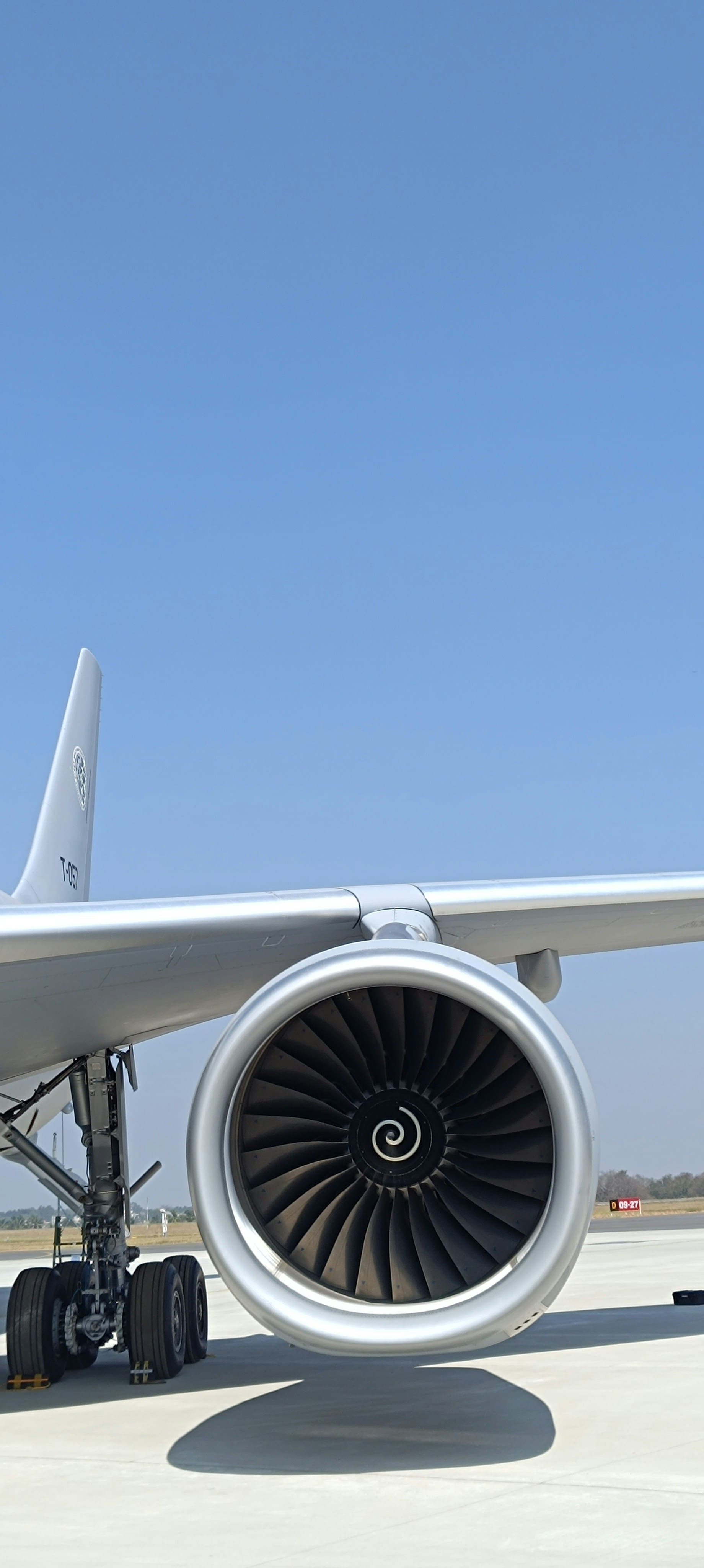
The FAA Airframe and Powerplant certification represents a professional credential issued by the Federal Aviation Administration that authorizes mechanics to maintain, repair, and inspect aircraft structures and engines. This dual certification combines two essential specializations within aviation maintenance technology. The airframe portion covers the aircraft's body, including fuselage, wings, landing gear, control surfaces, and associated systems such as hydraulics, electrical, and environmental controls. The powerplant section focuses on engines, propellers, and related power systems. Earning the FAA Airframe and Powerplant license requires completing approved training programs, accumulating documented work experience, and passing comprehensive written, oral, and practical examinations administered by FAA-designated examiners. This certification serves as the foundation for careers in aviation maintenance across commercial airlines, private aviation, military contractors, and repair stations. Technicians holding the FAA Airframe and Powerplant credential demonstrate verified competency in diagnosing mechanical issues, performing scheduled maintenance, executing repairs according to manufacturer specifications, and ensuring aircraft meet stringent safety standards. The credential enables holders to sign off on maintenance work and return aircraft to service, making it essential for operational roles within the aviation industry. The FAA Airframe and Powerplant certification maintains relevance across all aircraft types, from single-engine planes to complex commercial jets, providing versatile career opportunities in an industry where safety and regulatory compliance remain paramount priorities.

New Product Releases

Obtaining the FAA Airframe and Powerplant certification delivers substantial career advantages and earning potential for aviation maintenance professionals. Certified mechanics typically command higher salaries compared to unlicensed technicians, with median annual wages significantly above national averages and opportunities for overtime compensation in high-demand positions. The certification opens doors to employment with major airlines, aircraft manufacturers, corporate flight departments, and government agencies that require FAA credentials as minimum qualifications. Job security remains strong due to the constant need for qualified maintenance personnel as global aircraft fleets expand and aging aircraft require more frequent inspections and repairs. Professionals with the FAA Airframe and Powerplant license enjoy geographic flexibility, as the certification maintains validity throughout the United States and carries international recognition that facilitates employment abroad. The credential provides a clear pathway for career advancement into supervisory roles, quality control positions, and specialized technical areas such as avionics or non-destructive testing. Practical benefits include the authority to perform and approve maintenance work independently, eliminating dependency on supervisory sign-offs that can delay project completion. The comprehensive training underlying the FAA Airframe and Powerplant certification builds transferable mechanical skills applicable to various industries, offering career diversification options. Many employers offer tuition reimbursement and continuing education support for certified mechanics pursuing additional ratings or specialized endorsements. The standardized nature of FAA certification ensures consistent professional recognition across employers, eliminating uncertainty about credential validity when changing jobs. For individuals passionate about aviation, the FAA Airframe and Powerplant certification transforms technical interest into a sustainable, rewarding career path with tangible daily contributions to flight safety and operational reliability.

Tips And Tricks

Sourcing Certified Aerospace Tools with Ease

15

Sep

Sourcing Certified Aerospace Tools with Ease

Struggling with FAA/EASA-compliant tool procurement? Discover how to source certified aerospace tools fast. Download the full guide now.
View More
Sourcing Certified GSE Spares with Traceability

15

Sep

Sourcing Certified GSE Spares with Traceability

Struggling with aviation compliance risks? Source certified GSE spares with end-to-end traceability to ensure AS9100/ISO 9001 compliance. Download best practices now.
View More
Cost-Effective GSE Solutions for Busy Airfields

15

Sep

Cost-Effective GSE Solutions for Busy Airfields

Cut GSE costs by 15–30% without sacrificing safety. Discover preventive maintenance, energy-efficient upgrades & right-sizing strategies. Get your free fleet assessment.
View More
Essential Avio Procurement Advice for Operators

15

Sep

Essential Avio Procurement Advice for Operators

Struggling with aircraft downtime or compliance risks? This essential avio procurement guide helps operators optimize sourcing. Download your strategy blueprint now.
View More
Comprehensive Dual Specialization Coverage

Comprehensive Dual Specialization Coverage

The FAA Airframe and Powerplant certification uniquely combines two distinct but complementary areas of aircraft maintenance expertise into a single credential. This dual qualification enables mechanics to work on complete aircraft systems rather than being limited to either structural components or propulsion systems alone. The airframe specialization encompasses everything from structural repairs and sheet metal work to complex hydraulic systems, landing gear assemblies, and cabin environmental controls. Meanwhile, the powerplant component covers piston engines, turbine engines, propeller systems, fuel delivery mechanisms, and ignition systems. This comprehensive scope means certificated mechanics possess the versatility to diagnose interactions between airframe and powerplant systems, which frequently affect each other during troubleshooting scenarios. Employers highly value this complete skillset because it reduces the need for multiple specialists on maintenance projects, streamlining workflow and reducing labor costs. For mechanics themselves, dual certification maximizes employment opportunities and enables them to understand aircraft as integrated systems rather than isolated components, enhancing their troubleshooting effectiveness and professional value throughout their careers.
Rigorous FAA-Standardized Qualification Process

Rigorous FAA-Standardized Qualification Process

The pathway to earning the FAA Airframe and Powerplant certification follows stringent standards that ensure every credential holder meets identical competency benchmarks regardless of where they trained. Candidates must complete either formal training at FAA-approved aviation maintenance technician schools or accumulate documented practical experience totaling 30 months for each certificate, with concurrent training allowing completion in 18 months for both. The examination process includes written tests covering regulations, maintenance procedures, and technical knowledge, followed by oral questioning and hands-on practical demonstrations before FAA-designated examiners. This standardized approach guarantees that the FAA Airframe and Powerplant certification represents genuine, verified capability rather than merely completing coursework. The rigorous qualification process builds public confidence in aviation safety while giving employers assurance that certificated mechanics possess both theoretical knowledge and demonstrated practical skills. Maintenance facilities worldwide recognize this standardization, making the credential a universally respected benchmark in aviation maintenance. The ongoing recurrency training requirements and regulatory updates ensure that holders of the FAA Airframe and Powerplant license maintain current knowledge throughout their careers, adapting to evolving aircraft technologies and regulatory changes.
Legal Authorization and Professional Responsibility

Legal Authorization and Professional Responsibility

The FAA Airframe and Powerplant certification grants legal authority that distinguishes certified mechanics from unlicensed technicians in critical ways that directly impact operational capabilities. Only individuals holding this certification may approve aircraft for return to service after maintenance, repairs, or inspections, providing the regulatory signoff required before flight operations can resume. This authority carries significant professional responsibility, as certificated mechanics personally ensure that work meets federal aviation regulations and manufacturer specifications. The certification legally permits holders to perform major repairs and alterations that uncertified individuals cannot execute, substantially expanding the scope of work they can undertake independently. This legal standing also provides liability protection through clearly defined regulatory frameworks that establish professional standards and documentation requirements. For employers, having staff with the FAA Airframe and Powerplant certification ensures regulatory compliance and eliminates operational delays waiting for authorized personnel to approve completed work. The certification creates professional accountability that reinforces safety culture within aviation maintenance organizations, as mechanics understand their personal responsibility for airworthiness decisions. This legal authorization represents not merely a career credential but a professional trust granted by federal authority, positioning certificated mechanics as essential gatekeepers in aviation safety.