Aviation Powerplant Technology and Solutions

application/aviation-powerplant, application/aviation-powerplant, 
Inquiry
Inquiry

aviation powerplant

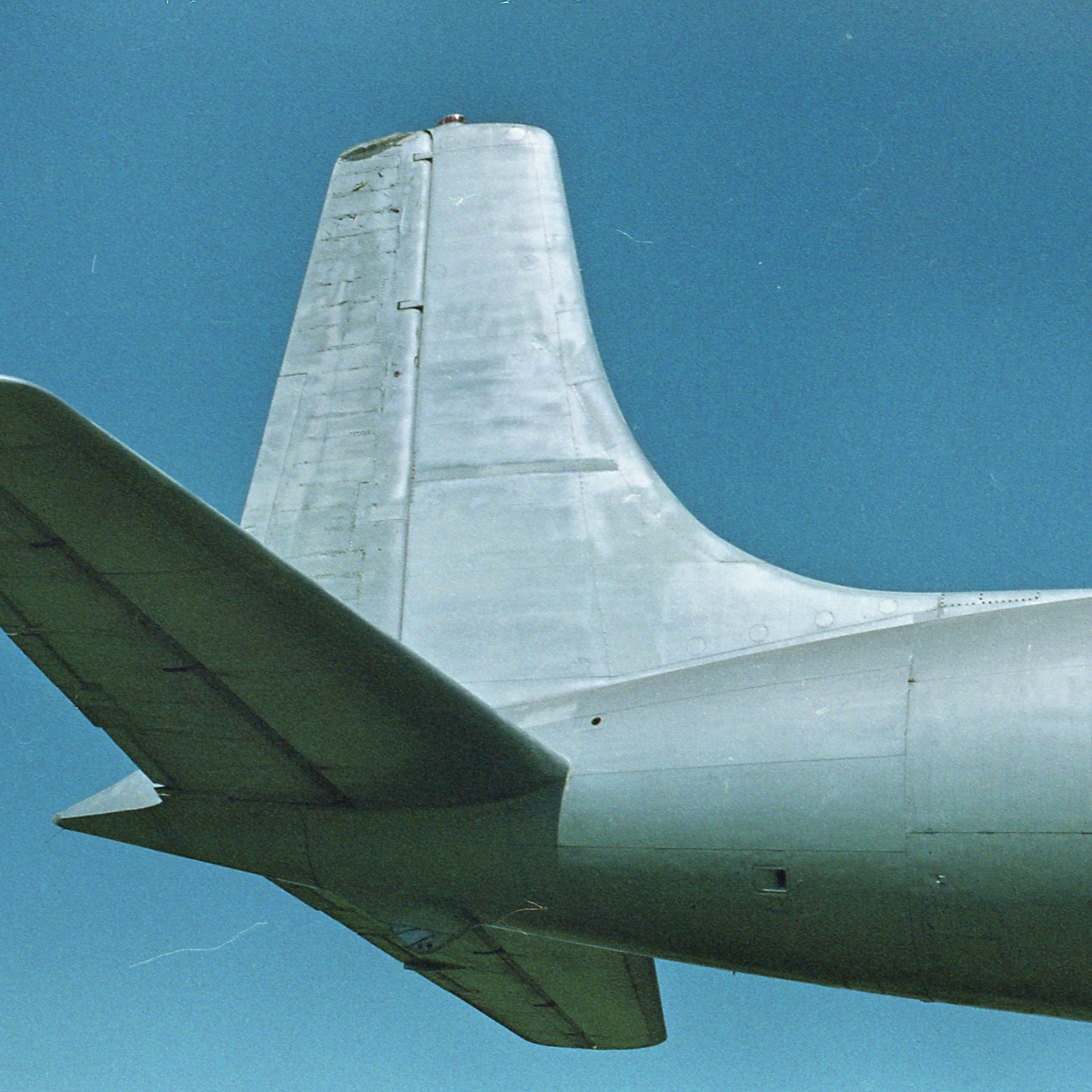
An aviation powerplant is the engine system that generates thrust or power to propel aircraft through the air. This critical component serves as the heart of any aircraft, converting fuel energy into mechanical force that enables flight. The aviation powerplant encompasses various engine types including turbojets, turbofans, turboprops, and piston engines, each designed for specific aircraft categories and operational requirements. The main functions include generating sufficient thrust for takeoff, maintaining cruising speed, and providing reliable power throughout all flight phases. Modern aviation powerplant technology features advanced materials like titanium alloys and ceramic composites that withstand extreme temperatures while reducing overall weight. These engines incorporate sophisticated fuel management systems, digital engine control units, and real-time monitoring capabilities that optimize performance and fuel efficiency. The aviation powerplant includes essential subsystems such as the intake system, compression section, combustion chamber, turbine assembly, and exhaust nozzle. Applications span across commercial aviation, military aircraft, cargo transport, private jets, and helicopters. Each aviation powerplant is engineered to meet stringent safety standards and certification requirements set by aviation authorities worldwide. The technology continues evolving with innovations in additive manufacturing, hybrid-electric propulsion, and sustainable aviation fuels. Whether powering a single-engine trainer or a wide-body airliner, the aviation powerplant remains fundamental to aircraft performance, safety, and operational capability.

Popular Products

Selecting the right aviation powerplant delivers substantial benefits that directly impact your operational success and bottom line. These engines provide exceptional reliability that minimizes unexpected downtime and reduces maintenance costs over the operational lifetime. You gain superior fuel efficiency through advanced combustion technology and optimized thermodynamic cycles, which translates to lower operating expenses and extended range capabilities for your missions. The aviation powerplant offers outstanding power-to-weight ratios that enable better payload capacity and improved aircraft performance across all flight envelopes. Modern engines feature modular designs that simplify maintenance procedures, allowing technicians to replace components quickly and return aircraft to service faster. You benefit from extended time between overhauls, which means fewer service interruptions and better fleet availability for revenue-generating operations. The aviation powerplant incorporates comprehensive health monitoring systems that provide early warning of potential issues, enabling proactive maintenance that prevents costly failures. These engines deliver consistent performance across varying environmental conditions, from hot desert climates to frigid polar regions, ensuring operational flexibility wherever your missions take you. You receive proven durability backed by millions of flight hours and extensive testing that validates long-term dependability. The aviation powerplant supports diverse operational requirements, whether you need high-altitude performance, short-field capabilities, or optimal cruise efficiency. Investment in quality engines protects your assets through better resale values and lower total cost of ownership. These powerplants meet current and future emissions regulations, helping you achieve sustainability goals while maintaining operational excellence and competitive advantages in your market segment.

Practical Tips

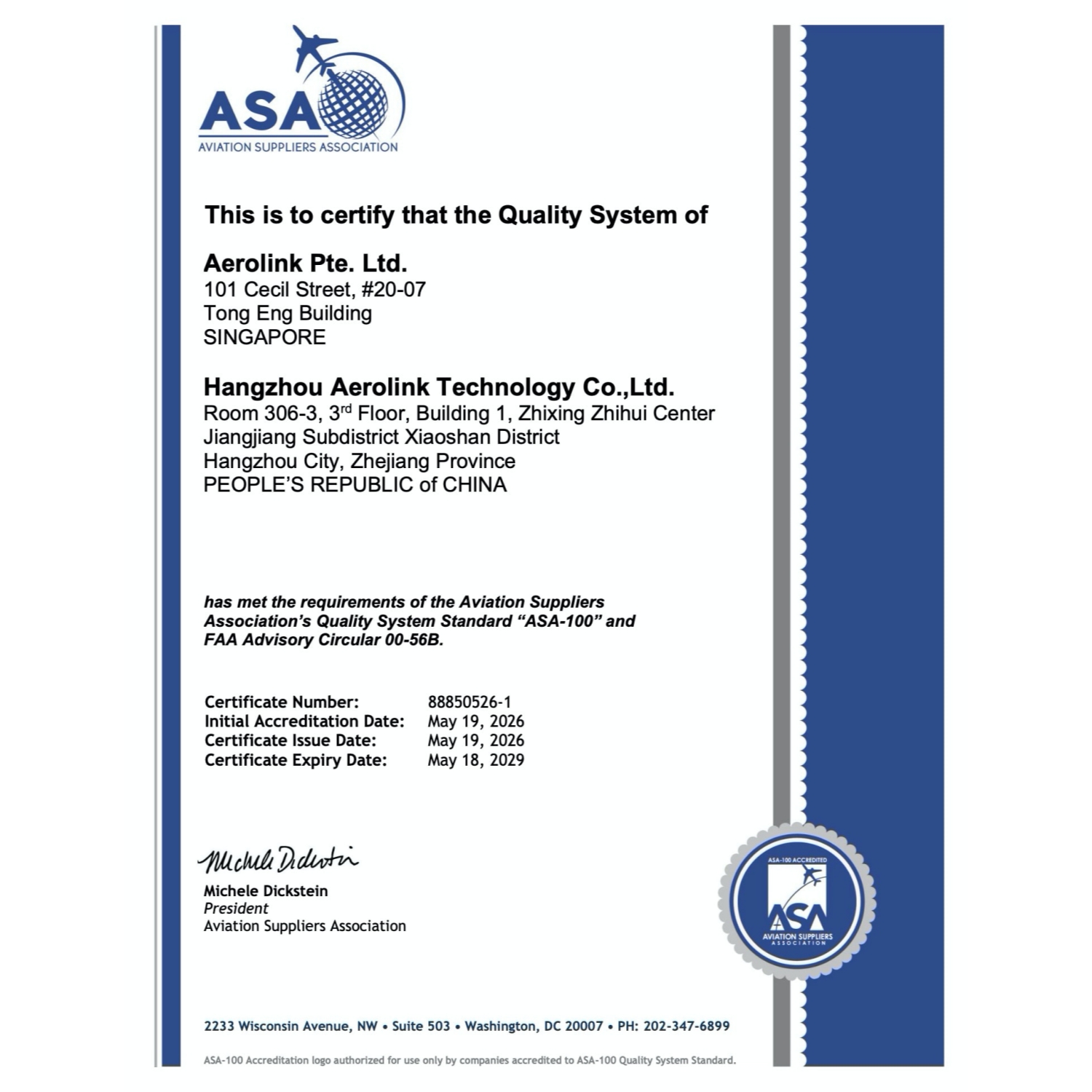
AeroLink Successfully Obtains ASA-100 and CAMAC Aviation Material Distributor Certifications

16

Jun

AeroLink Successfully Obtains ASA-100 and CAMAC Aviation Material Distributor Certifications

View More
AeroLink Participates in MRO Greater China 2026 to Strengthen Global Aviation Supply Chain Cooperation

16

Jun

AeroLink Participates in MRO Greater China 2026 to Strengthen Global Aviation Supply Chain Cooperation

View More
Sourcing Certified Aerospace Tools with Ease

15

Sep

Sourcing Certified Aerospace Tools with Ease

Struggling with FAA/EASA-compliant tool procurement? Discover how to source certified aerospace tools fast. Download the full guide now.
View More
Key Steps to Evaluate Used Plane Engine Materials

14

Sep

Key Steps to Evaluate Used Plane Engine Materials

How to properly evaluate used plane engine materials for airworthiness, safety & compliance. Avoid costly failures—get the expert 10-step inspection protocol now.
View More
Advanced Efficiency and Performance Technology

Advanced Efficiency and Performance Technology

The aviation powerplant incorporates cutting-edge aerodynamic design and materials science that deliver measurable efficiency gains compared to previous generations. High-pressure turbine blades manufactured with single-crystal alloy technology withstand temperatures exceeding 1,500 degrees Celsius while maintaining structural integrity throughout demanding operational cycles. Advanced computational fluid dynamics optimization ensures maximum airflow efficiency through each engine stage, extracting more energy from every drop of fuel consumed. Three-dimensional aerodynamic profiling of compressor and turbine blades reduces parasitic losses and improves overall thermodynamic efficiency by significant margins. You gain immediate operational benefits through reduced fuel consumption that lowers direct operating costs per flight hour. The aviation powerplant features full-authority digital engine control systems that continuously adjust fuel flow, variable geometry components, and other parameters to maintain optimal performance across all flight conditions. This intelligent management system prevents over-temperature conditions, optimizes acceleration schedules, and extends component life through precise control. The result is an engine that delivers maximum thrust when needed while operating at peak efficiency during cruise phases, providing the perfect balance between performance and economy for your specific mission profiles.
Comprehensive Reliability and Maintainability Design

Comprehensive Reliability and Maintainability Design

Modern aviation powerplant engineering prioritizes dependability through redundant systems, robust component design, and extensive validation testing that ensures consistent operation in demanding environments. The engine architecture employs dual-channel electronic control units with automatic failover capabilities that maintain safe operation even if primary systems experience faults. Critical rotating assemblies utilize vibration monitoring sensors that detect anomalies before they develop into serious failures, enabling condition-based maintenance strategies that reduce unscheduled removals. You benefit from modular construction that allows line-replaceable units to be exchanged quickly at the flight line without removing the entire engine from the aircraft. The aviation powerplant includes borescope inspection ports positioned strategically throughout the gas path, enabling thorough visual examinations without disassembly during routine checks. Manufacturers design these engines with extended inspection intervals and longer time-on-wing capabilities that reduce maintenance burden and improve aircraft availability rates. Quick-engine-change features and standardized mounting interfaces minimize aircraft ground time during engine swaps. Comprehensive diagnostic systems continuously record operational parameters and trend engine health metrics, providing maintenance teams with actionable data that supports intelligent decision-making. This reliability-focused design philosophy translates directly into reduced maintenance costs, better schedule reliability, and enhanced safety margins that protect your investment and reputation.
Versatile Application Adaptability

Versatile Application Adaptability

The aviation powerplant demonstrates remarkable flexibility across diverse aircraft platforms and operational missions, making it suitable for various aviation segments and specialized requirements. Engine variants are specifically calibrated for different applications, from high-bypass turbofans optimized for subsonic commercial transport to high-thrust military engines designed for supersonic fighter aircraft. The same core engine technology can be scaled and configured to power regional airliners, business jets, cargo freighters, and rotorcraft through thoughtful adaptation of fan sizes, gear ratios, and accessory drives. You gain strategic advantages through this versatility, as training programs, spare parts inventories, and maintenance expertise can be leveraged across multiple aircraft types in your fleet. The aviation powerplant adapts to various environmental challenges including high-altitude airports, extreme temperatures, and operation in dusty or corrosive atmospheric conditions through specialized filtration systems and protective coatings. Engines can be configured with thrust reversers for improved landing performance, auxiliary power offtakes for onboard systems, or specialized mounting provisions for unique airframe integration requirements. This adaptability extends to fuel flexibility, with many engines certified to operate on conventional jet fuel, sustainable aviation fuels, or approved blends without modification. Whether your operations focus on passenger transport, cargo logistics, emergency medical services, or specialized missions, the aviation powerplant provides tailored solutions that align precisely with your operational demands and performance expectations.