Plane Airframe: Structure, Benefits & Technology

application/plane-airframe, application/plane-airframe, 
Inquiry
Inquiry

plane airframe

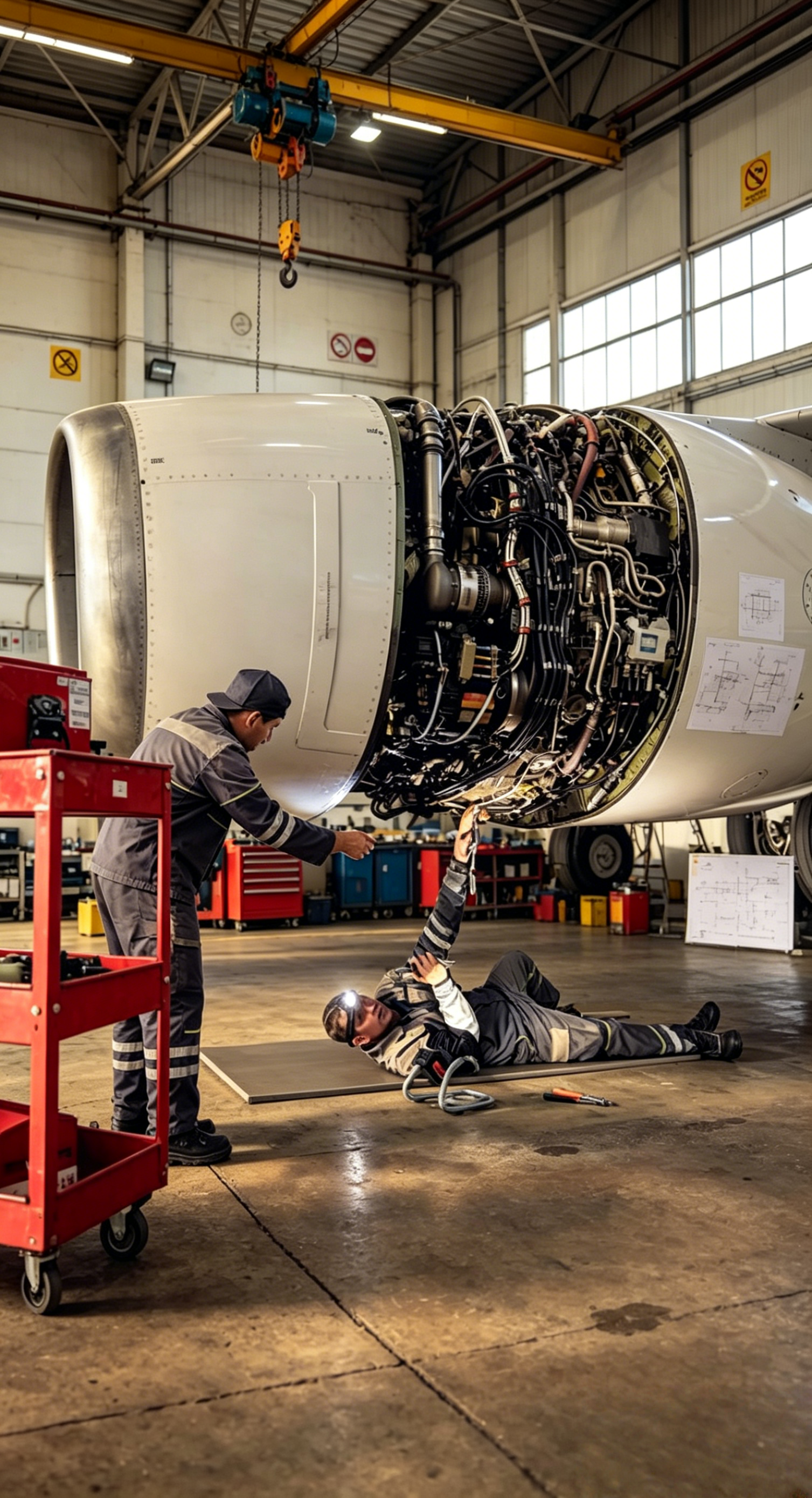
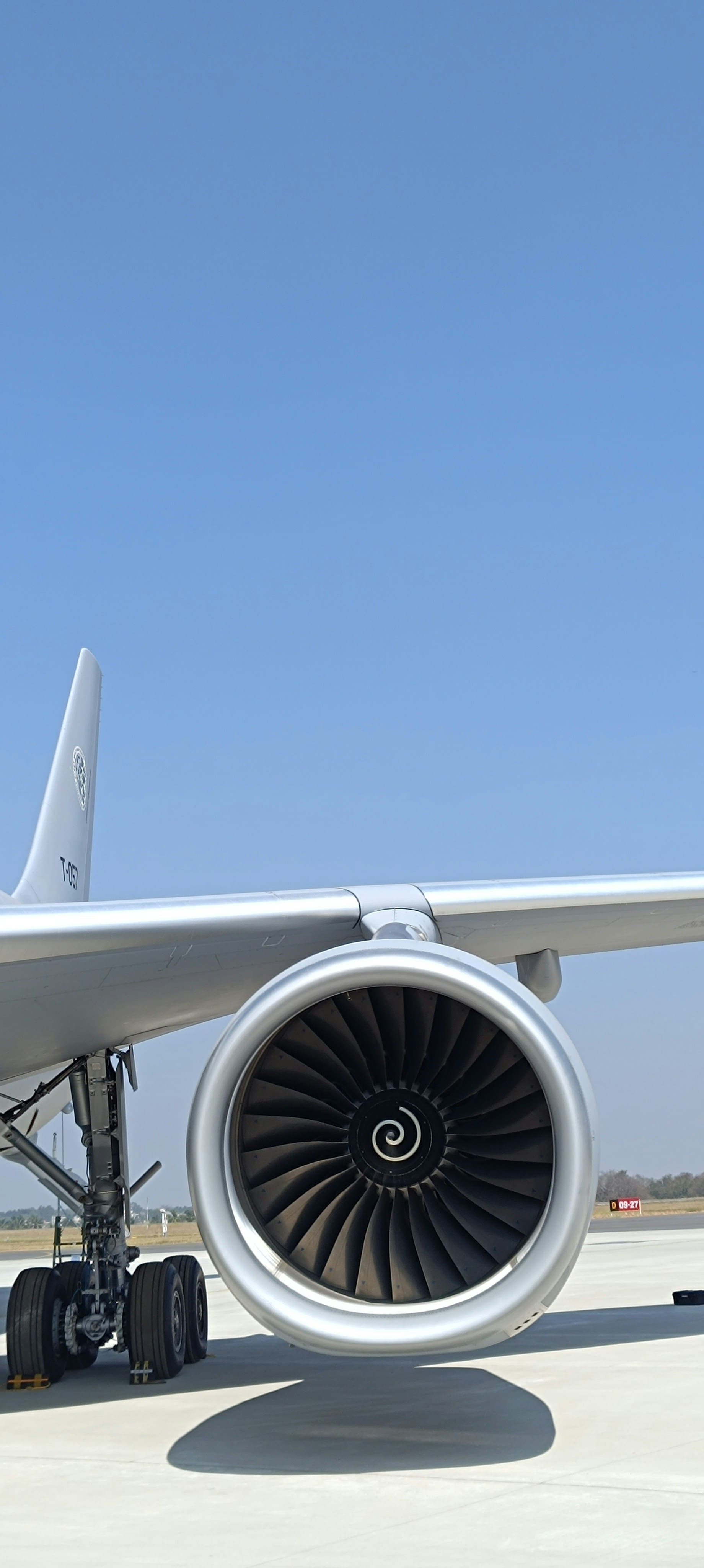
The plane airframe represents the fundamental structural framework of an aircraft, serving as the backbone that supports all other components and systems. This essential structure comprises the fuselage, wings, tail assembly, and landing gear attachment points, creating a unified body that withstands aerodynamic forces, mechanical stresses, and environmental conditions during flight operations. Modern aircraft manufacturers design the plane airframe using advanced materials such as aluminum alloys, titanium, and composite materials to achieve optimal strength-to-weight ratios. The primary functions include housing passengers, cargo, and fuel while maintaining structural integrity throughout all flight phases. Technological features of contemporary plane airframe designs incorporate computer-aided engineering, finite element analysis, and wind tunnel testing to ensure maximum performance and safety standards. These structures must endure extreme temperature variations, pressurization cycles, vibration loads, and continuous stress from takeoff to landing. Applications span across commercial aviation, military operations, cargo transport, and private aviation sectors. The plane airframe design directly influences aircraft performance parameters including fuel efficiency, payload capacity, range capabilities, and operational lifespan. Engineers continuously innovate airframe construction techniques, implementing fail-safe design principles and damage-tolerant structures that enhance reliability. Understanding the plane airframe significance helps stakeholders appreciate the complex engineering behind aviation safety and performance optimization in modern aerospace industry applications.

Popular Products

Investing in a quality plane airframe delivers substantial long-term value through enhanced operational performance and reduced maintenance costs. The structural efficiency translates directly into improved fuel economy, allowing operators to minimize operating expenses while maximizing profitability on each flight route. Advanced plane airframe construction using lightweight composite materials reduces overall aircraft weight, enabling increased payload capacity and extended range capabilities that expand business opportunities. Buyers benefit from superior safety features engineered into modern airframe designs, including redundant load paths and corrosion-resistant materials that ensure passenger protection and regulatory compliance. The durability of well-manufactured plane airframe structures means fewer unscheduled maintenance events, higher aircraft availability rates, and better return on investment over the operational lifetime. Operators appreciate the adaptability of contemporary airframe platforms that accommodate technological upgrades, cabin reconfigurations, and engine modifications without requiring complete aircraft replacement. The plane airframe quality directly impacts resale value, with well-maintained structures commanding premium prices in secondary markets. Environmental benefits emerge from aerodynamic airframe designs that reduce drag and emissions, helping operators meet sustainability goals and environmental regulations. Standardized plane airframe components simplify maintenance procedures, reduce spare parts inventory costs, and enable faster turnaround times between flights. The robust construction withstands diverse operating conditions from tropical humidity to arctic cold, ensuring reliable performance across global route networks. Decision-makers should prioritize airframe specifications that align with intended mission profiles, passenger comfort requirements, and long-term fleet strategy objectives for optimal operational success.

Latest News

AeroLink Participates in MRO Greater China 2026 to Strengthen Global Aviation Supply Chain Cooperation

16

Jun

AeroLink Participates in MRO Greater China 2026 to Strengthen Global Aviation Supply Chain Cooperation

View More
Ensuring Landing Gear Safety with Certified Parts

15

Sep

Ensuring Landing Gear Safety with Certified Parts

Why certified landing gear prevents runway incidents and meets FAA/EASA standards. Learn how to source, verify, and maintain compliant parts—get the guide now.
View More
Sourcing Certified GSE Spares with Traceability

15

Sep

Sourcing Certified GSE Spares with Traceability

Struggling with aviation compliance risks? Source certified GSE spares with end-to-end traceability to ensure AS9100/ISO 9001 compliance. Download best practices now.
View More
Maximizing APU Reliability via Better Sourcing

15

Sep

Maximizing APU Reliability via Better Sourcing

Struggling with APU downtime and costly unscheduled maintenance? Discover how certified sourcing and traceability slash failure rates. Optimize your aircraft reliability now.
View More
Advanced Material Integration for Superior Performance

Advanced Material Integration for Superior Performance

The plane airframe benefits significantly from cutting-edge material science that revolutionizes aircraft construction methodology. Modern manufacturers integrate carbon fiber reinforced polymers, advanced aluminum lithium alloys, and titanium components strategically throughout the structure to optimize strength while minimizing weight penalties. These material innovations provide exceptional fatigue resistance, ensuring the plane airframe maintains structural integrity through tens of thousands of flight cycles spanning decades of service. The corrosion resistance inherent in composite materials eliminates traditional maintenance challenges associated with metal fatigue and environmental degradation. This advanced material integration enables aircraft designers to create more aerodynamically efficient shapes that were previously impossible with conventional construction techniques. The resulting structures demonstrate superior damage tolerance, with composite materials containing damage progression and preventing catastrophic failures. Passengers benefit indirectly through quieter cabin environments since advanced materials dampen vibration and noise transmission more effectively than traditional aluminum structures. Operators realize tangible economic advantages as these materials extend inspection intervals, reduce heavy maintenance requirements, and lower lifecycle costs substantially compared to previous generation aircraft designs.
Structural Efficiency Driving Operational Economics

Structural Efficiency Driving Operational Economics

The plane airframe engineering excellence directly determines operational profitability through carefully optimized structural efficiency that balances strength requirements against weight constraints. Every kilogram saved in airframe construction translates into additional payload capacity or fuel savings that compound across thousands of flight hours annually. Modern design methodologies employ topology optimization algorithms and stress analysis simulations to remove unnecessary material while maintaining required safety margins and regulatory compliance. This structural efficiency enables airlines to operate longer routes, carry more passengers, or transport additional cargo without increasing fuel consumption proportionally. The plane airframe configuration influences aerodynamic performance through precise wing geometry, fuselage contouring, and surface smoothness that minimize drag penalties during cruise flight. Operators benefit from reduced carbon footprints and lower emissions that satisfy environmental regulations while decreasing fuel expenses significantly. The economic advantages extend throughout the aircraft lifecycle, with efficient airframe designs commanding higher utilization rates and better lease terms in competitive aviation markets. Strategic airframe selection based on structural efficiency metrics empowers fleet managers to optimize network planning and maximize revenue potential across diverse route structures.
Modular Design Philosophy for Operational Flexibility

Modular Design Philosophy for Operational Flexibility

Contemporary plane airframe architecture embraces modular design principles that provide unparalleled operational flexibility and future-proofing capabilities for aircraft operators. This approach segments the structure into standardized sections that facilitate efficient manufacturing, simplified maintenance procedures, and straightforward modification programs throughout service life. The modular plane airframe design allows operators to reconfigure cabin layouts, upgrade avionics systems, and install new propulsion technologies without extensive structural modifications or prohibitive costs. Airlines appreciate the ability to adapt aircraft configurations seasonally, switching between high-density seating for leisure routes and premium configurations for business travel markets rapidly. Maintenance organizations benefit from standardized structural repair procedures and interchangeable components that reduce aircraft downtime and inventory carrying costs significantly. The plane airframe modularity extends to wing-fuselage integration points, empowering manufacturers to offer multiple engine options and performance variants from a common structural platform. This flexibility protects investment value by ensuring aircraft remain technologically current and market-competitive throughout extended operational lifespans. Operators gain strategic advantages through rapid response capabilities to changing market demands, regulatory requirements, and technological innovations without facing aircraft obsolescence risks that diminish asset values prematurely.