Airframe Structures: Engineering & Applications

application/airframe-structures, application/airframe-structures, 
Inquiry
Inquiry

airframe structures

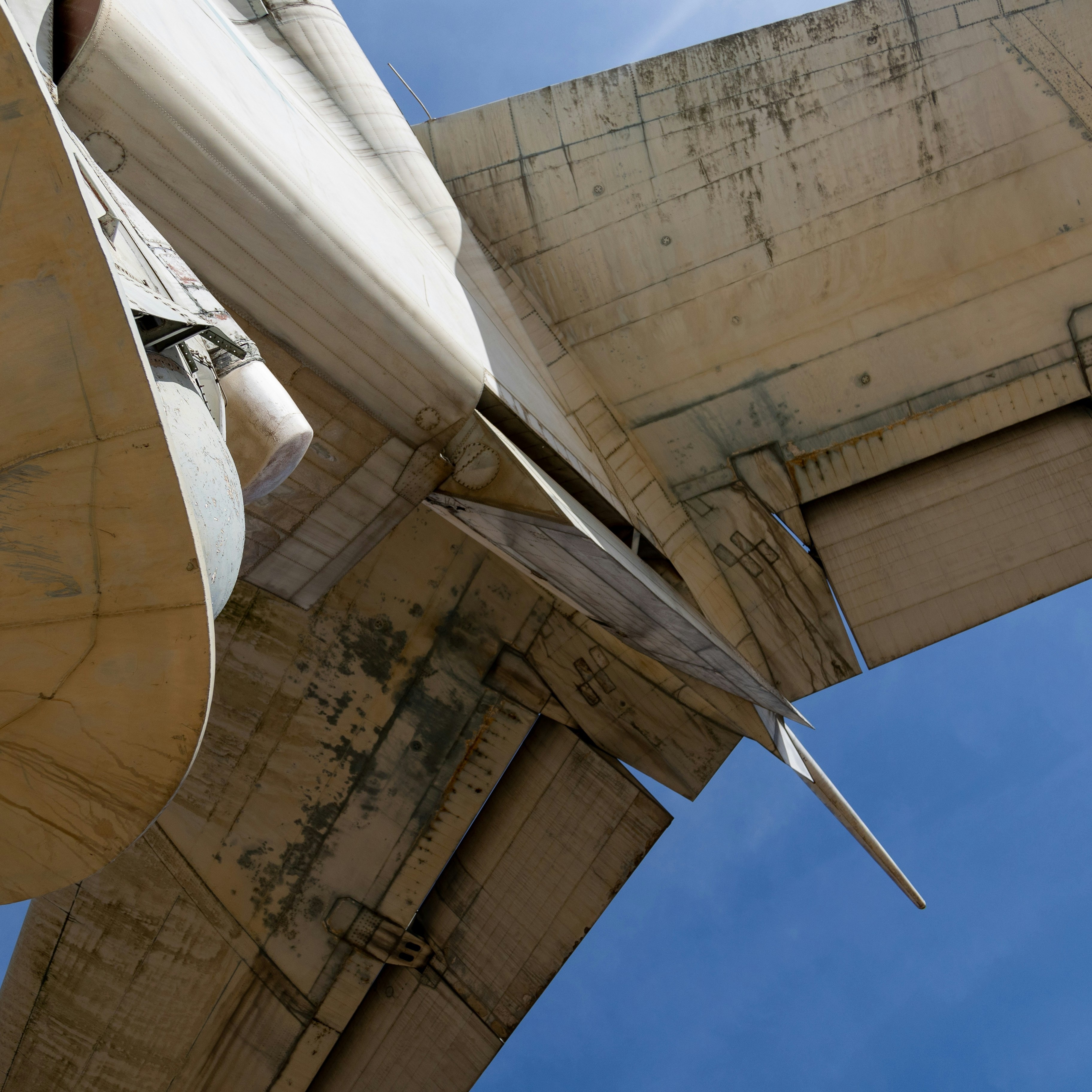
Airframe structures form the essential backbone of any aircraft, comprising the fundamental framework that supports all other components and systems throughout the vehicle's operational life. These critical structural assemblies include the fuselage, wings, tail sections, and supporting framework that together create the aircraft's primary load-bearing skeleton. Modern airframe structures utilize advanced materials such as aluminum alloys, composite materials, titanium, and steel strategically selected for their strength-to-weight ratios and durability characteristics. The primary functions of airframe structures encompass providing aerodynamic shape, containing payload and passengers, withstanding flight loads including lift forces and atmospheric pressure differentials, and protecting internal systems from environmental elements. Technological features incorporate stress analysis optimization, fatigue resistance engineering, and corrosion protection treatments that ensure long-term structural integrity. Advanced manufacturing techniques such as automated fiber placement, precision machining, and bonded assembly methods enable the production of increasingly sophisticated airframe structures with enhanced performance characteristics. Applications span commercial aviation, military aircraft, general aviation, unmanned aerial vehicles, and rotorcraft across diverse operational environments. The structural design philosophy balances competing requirements of strength, weight reduction, manufacturability, maintainability, and cost-effectiveness. Modern airframe structures increasingly integrate health monitoring systems that track structural condition throughout service life, enabling predictive maintenance strategies that optimize safety and operational availability while reducing lifecycle costs.

New Product Recommendations

Investing in quality airframe structures delivers substantial practical benefits that directly impact operational performance and financial outcomes. These structures provide exceptional durability that translates to extended service life, reducing the frequency of major overhauls and replacement costs while maximizing asset utilization over decades of operation. The structural integrity inherent in well-engineered airframe structures ensures consistent safety margins that protect crew, passengers, and cargo under diverse flight conditions including turbulence, maneuvering loads, and emergency scenarios. Operational benefits include fuel efficiency gains achieved through optimized aerodynamic shaping and weight reduction strategies that lower operating costs per flight hour while extending range capabilities. Modern airframe structures offer superior damage tolerance, meaning they can sustain minor impacts or fatigue without catastrophic failure, providing built-in safety redundancy that enhances mission reliability. Maintenance advantages stem from modular design approaches that facilitate inspection access and component replacement, reducing downtime and labor costs while improving fleet availability rates. Application suitability spans extreme operating environments from arctic cold to desert heat, with corrosion-resistant treatments and protective coatings that maintain structural performance across varied climates. Decision-makers benefit from established certification pathways and proven design methodologies that reduce development risk and accelerate time-to-market for new aircraft programs. The standardization of airframe structures across aircraft families enables economies of scale in manufacturing and spare parts inventory, lowering per-unit costs while simplifying supply chain management. Long-term value retention remains high due to the fundamental nature of airframe structures as core aircraft assets, supporting resale value and lease rates throughout the operational lifecycle.

Practical Tips

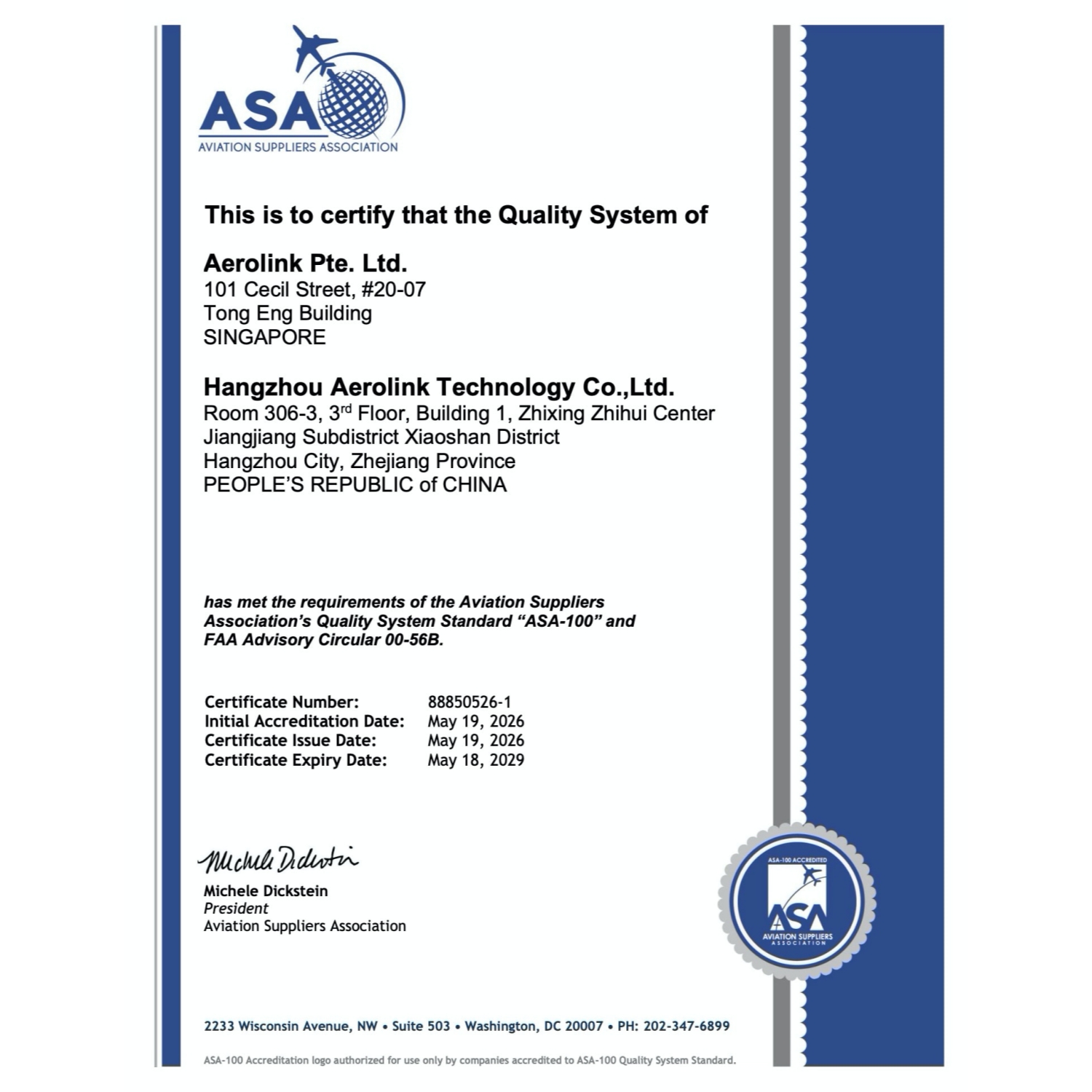
AeroLink Successfully Obtains ASA-100 and CAMAC Aviation Material Distributor Certifications

16

Jun

AeroLink Successfully Obtains ASA-100 and CAMAC Aviation Material Distributor Certifications

View More
Sourcing Certified Aerospace Tools with Ease

15

Sep

Sourcing Certified Aerospace Tools with Ease

Struggling with FAA/EASA-compliant tool procurement? Discover how to source certified aerospace tools fast. Download the full guide now.
View More
Key Steps to Evaluate Used Plane Engine Materials

14

Sep

Key Steps to Evaluate Used Plane Engine Materials

How to properly evaluate used plane engine materials for airworthiness, safety & compliance. Avoid costly failures—get the expert 10-step inspection protocol now.
View More
Maximizing APU Reliability via Better Sourcing

15

Sep

Maximizing APU Reliability via Better Sourcing

Struggling with APU downtime and costly unscheduled maintenance? Discover how certified sourcing and traceability slash failure rates. Optimize your aircraft reliability now.
View More
Advanced Material Integration for Weight Optimization

Advanced Material Integration for Weight Optimization

Modern airframe structures leverage cutting-edge material science to achieve unprecedented strength-to-weight ratios that fundamentally improve aircraft performance and economics. Advanced composite materials including carbon fiber reinforced polymers now constitute significant portions of primary airframe structures, delivering weight savings of twenty to thirty percent compared to traditional metallic designs while maintaining equivalent or superior strength characteristics. This weight reduction directly translates to increased payload capacity, extended range, or reduced fuel consumption, providing operators with tangible competitive advantages in commercial markets. The strategic use of titanium in high-stress areas, aluminum alloys in moderately loaded sections, and composites in large surface structures creates hybrid airframe structures that optimize material properties for specific loading conditions. Manufacturing processes have evolved to enable complex geometries and integrated structural elements that reduce part counts and assembly complexity. These material advancements also contribute to enhanced fatigue resistance and corrosion immunity, extending inspection intervals and reducing long-term maintenance burdens while improving dispatch reliability throughout the operational service life of the aircraft.
Structural Health Monitoring and Predictive Maintenance

Structural Health Monitoring and Predictive Maintenance

Contemporary airframe structures increasingly incorporate embedded sensor networks and structural health monitoring systems that revolutionize maintenance practices and safety assurance. These intelligent systems continuously track strain levels, detect crack initiation, monitor environmental exposure, and assess structural condition in real-time throughout flight operations and ground periods. The data streams generated enable transition from traditional scheduled maintenance based on conservative time intervals to condition-based maintenance that performs interventions only when structural analysis indicates actual need. This predictive approach reduces unnecessary inspections and premature component replacements, lowering maintenance costs while simultaneously improving safety through earlier detection of developing issues before they reach critical thresholds. Operators gain visibility into fleet-wide structural trends that inform operational decisions and lifecycle planning strategies. The integration of artificial intelligence algorithms with monitoring data enables automated anomaly detection and prognostic modeling that forecasts remaining useful life with increasing accuracy. Insurance providers and regulatory authorities increasingly recognize the value of structural health monitoring in demonstrating airworthiness compliance and risk mitigation, potentially reducing insurance premiums and extending certified operational envelopes for properly monitored airframe structures.
Modular Design Architecture for Operational Flexibility

Modular Design Architecture for Operational Flexibility

The implementation of modular design principles in airframe structures delivers significant operational and economic advantages through enhanced flexibility and simplified maintenance procedures. Modular airframe structures feature standardized interface definitions and interchangeable subassemblies that enable rapid configuration changes to accommodate different mission requirements or customer specifications without extensive redesign efforts. This architectural approach facilitates variant development within aircraft families, allowing manufacturers to address diverse market segments while maintaining common tooling and supply chains that reduce production costs. Maintenance operations benefit substantially from modularity through improved access to structural elements requiring periodic inspection or service, reducing labor hours and aircraft downtime during scheduled maintenance events. Battle damage repair and accident recovery scenarios become more manageable when damaged sections can be replaced as complete modules rather than requiring complex in-situ repairs that extend downtime and compromise structural integrity. The modular philosophy extends to upgrade pathways, enabling incorporation of improved materials or redesigned sections as technology advances without obsoleting entire airframe structures. Training requirements and technical documentation complexity decrease when maintenance personnel work with standardized modules across multiple aircraft types, improving workforce efficiency and reducing human error potential during critical structural maintenance tasks.