Airplane Airframe: Structure & Performance

application/airplane-airframe, application/airplane-airframe, 
Inquiry
Inquiry

airplane airframe

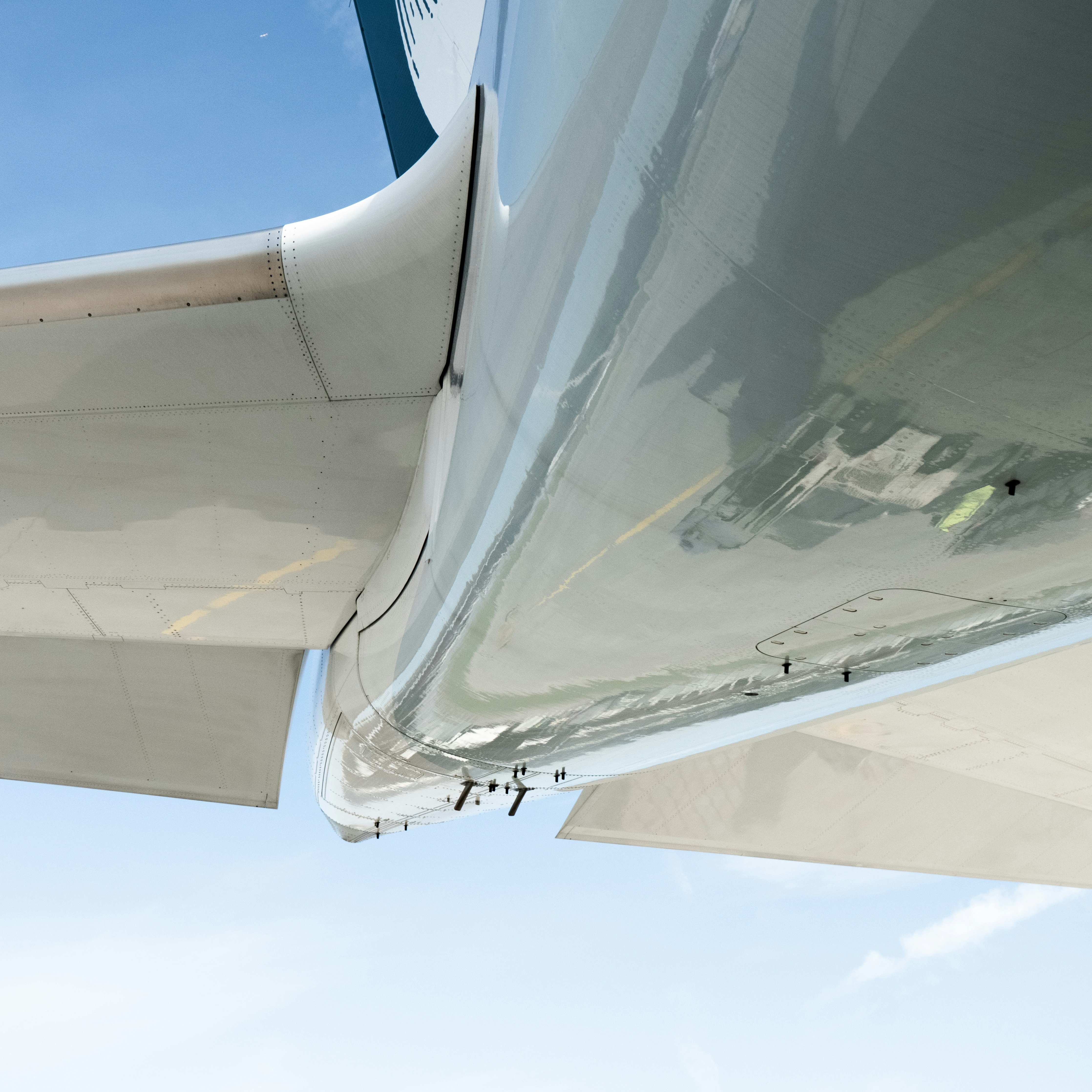
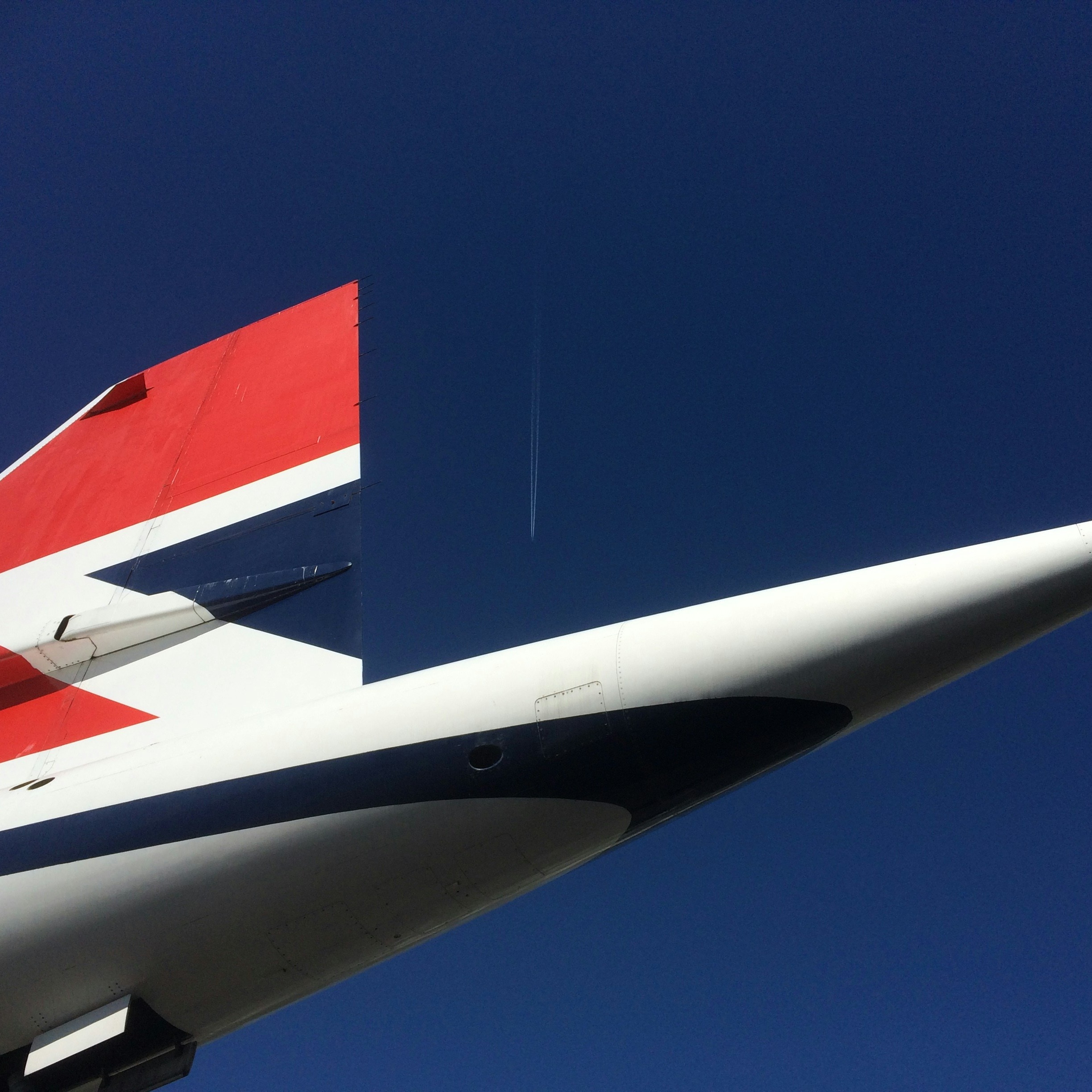
The airplane airframe represents the fundamental structural framework of an aircraft, serving as the backbone that supports all other systems and components. This essential structure comprises the fuselage, wings, tail assembly, and landing gear attachment points, forming a complete body designed to withstand aerodynamic forces, operational stresses, and environmental conditions throughout the aircraft's service life. The airplane airframe is engineered using advanced materials such as aluminum alloys, composite materials, and titanium, carefully selected to balance strength, weight, and durability requirements. Modern airplane airframe designs incorporate sophisticated stress analysis, fatigue testing, and computational modeling to ensure structural integrity under various flight conditions. The primary functions include providing a secure enclosure for passengers, crew, and cargo while maintaining aerodynamic efficiency for optimal flight performance. The airplane airframe must resist bending, torsion, and compression forces during takeoff, cruise, and landing phases. Manufacturing processes involve precision assembly techniques, quality control protocols, and rigorous inspection standards to meet international aviation safety regulations. Applications span commercial aviation, military operations, cargo transport, and private aviation sectors. Each airplane airframe is certified according to stringent airworthiness standards established by regulatory authorities, ensuring compliance with safety, performance, and maintenance requirements that protect operational reliability throughout decades of service.

Popular Products

Investing in a quality airplane airframe delivers substantial operational benefits that directly impact your bottom line and safety records. The robust construction reduces maintenance costs by minimizing structural repairs and extending service intervals, allowing operators to maximize aircraft availability and revenue generation. Advanced airplane airframe designs incorporate corrosion-resistant materials and protective coatings that reduce long-term ownership costs while maintaining structural integrity in harsh environmental conditions. The lightweight yet strong construction improves fuel efficiency by reducing overall aircraft weight, translating into lower operating expenses and extended range capabilities for route flexibility. Modern airplane airframe engineering provides superior fatigue resistance, enabling aircraft to complete more flight cycles before requiring major structural inspections, which means fewer downtime periods and improved fleet utilization rates. The modular design philosophy allows for easier component replacement and system upgrades, protecting your investment by accommodating technological advancements without complete airframe replacement. Safety advantages include redundant load paths and fail-safe design principles that ensure continued structural integrity even if individual components experience damage or failure. The airplane airframe's aerodynamic optimization reduces drag and improves handling characteristics, enhancing pilot control and passenger comfort during all flight phases. For operators, this means consistent performance, predictable maintenance schedules, and compliance with evolving safety regulations. The standardized construction methods and widely available spare parts simplify maintenance logistics and reduce inventory costs across global operations. These practical benefits make the airplane airframe a sound investment for airlines, cargo operators, and private owners seeking reliable, cost-effective aviation solutions that deliver decades of dependable service while maintaining high safety standards and operational efficiency.

Tips And Tricks

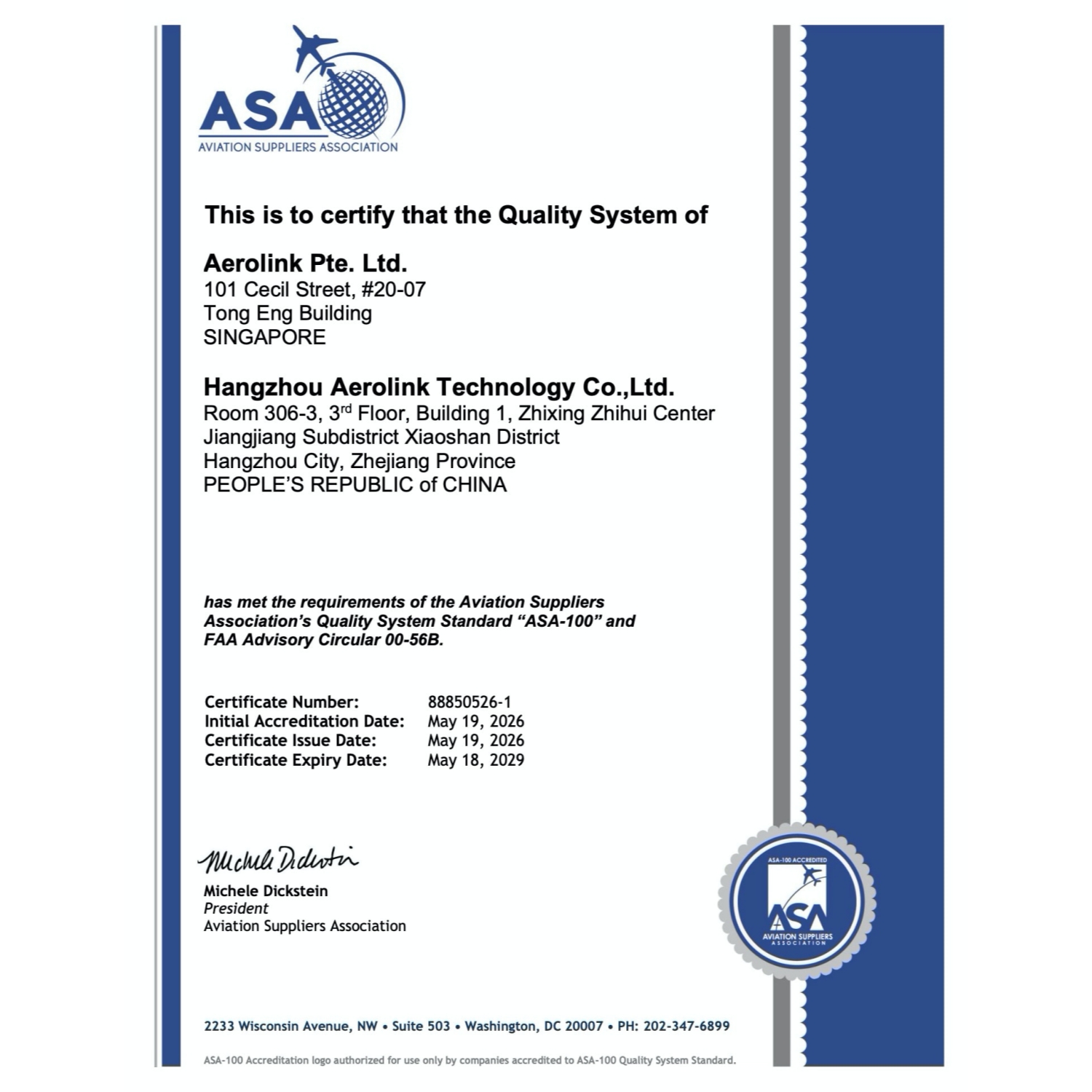
AeroLink Successfully Obtains ASA-100 and CAMAC Aviation Material Distributor Certifications

16

Jun

AeroLink Successfully Obtains ASA-100 and CAMAC Aviation Material Distributor Certifications

View More
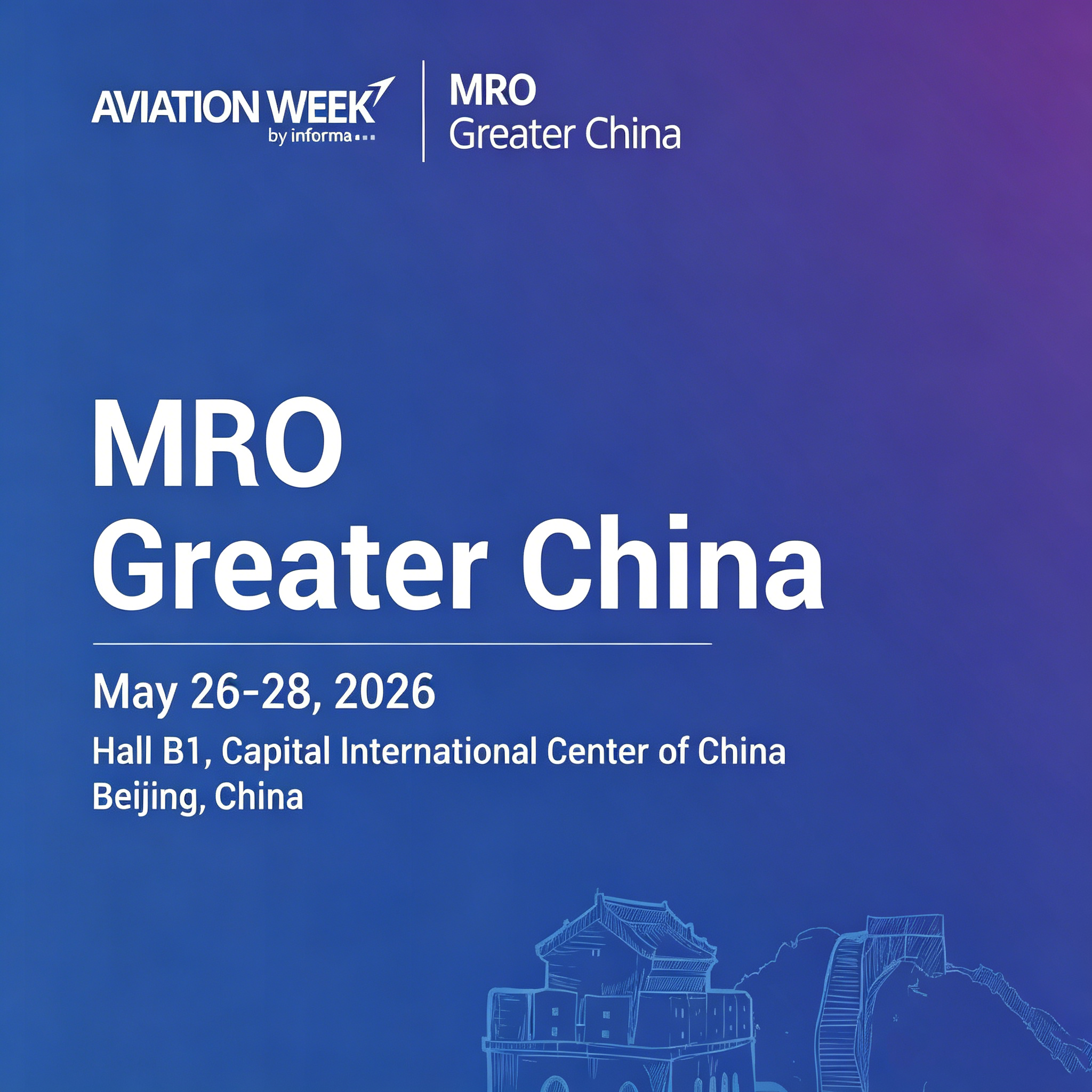
AeroLink Participates in MRO Greater China 2026 to Strengthen Global Aviation Supply Chain Cooperation

16

Jun

AeroLink Participates in MRO Greater China 2026 to Strengthen Global Aviation Supply Chain Cooperation

View More
How Plane Engine Sourcing Impacts Fleet Budgets

15

Sep

How Plane Engine Sourcing Impacts Fleet Budgets

How does plane engine sourcing really affect your fleet budget? Discover TCO drivers, spare parts costs, maintenance risks & ROI-optimized strategies. Download the guide.
View More
Cost-Effective APU Procurement for Multi-Fleets

15

Sep

Cost-Effective APU Procurement for Multi-Fleets

Struggling with rising APU costs across diverse fleets? Discover proven strategies to cut TCO by 30%+ through standardization Download the guide.
View More
Advanced Material Engineering for Superior Performance

Advanced Material Engineering for Superior Performance

The airplane airframe utilizes cutting-edge material science to achieve an optimal balance between structural strength and weight reduction, directly impacting operational efficiency and performance capabilities. High-grade aluminum alloys provide exceptional strength-to-weight ratios while offering excellent fatigue resistance for long-term durability. Carbon fiber composites integrated into modern airplane airframe construction deliver weight savings of up to twenty-five percent compared to traditional materials, significantly improving fuel economy and payload capacity. These advanced materials resist corrosion and environmental degradation, reducing maintenance requirements and extending service life beyond thirty years under proper care. The strategic placement of titanium components in high-stress areas ensures structural integrity during extreme operational conditions. Material selection follows rigorous testing protocols including tensile strength analysis, impact resistance evaluation, and thermal cycling to verify performance under real-world conditions. This sophisticated material engineering translates into tangible benefits: lower fuel consumption, reduced operating costs, extended maintenance intervals, and improved environmental performance through decreased emissions, making the airplane airframe an economically and environmentally responsible choice for forward-thinking operators.
Fail-Safe Design Philosophy Ensuring Operational Safety

Fail-Safe Design Philosophy Ensuring Operational Safety

The airplane airframe incorporates comprehensive fail-safe design principles that provide multiple layers of structural protection, ensuring continued safe operation even when individual components experience unexpected stress or damage. Redundant load paths distribute forces across multiple structural elements, preventing catastrophic failure if a single component becomes compromised during flight operations. Crack stoppers and structural reinforcements limit damage propagation, containing potential issues to localized areas that can be detected during routine inspections before affecting overall airframe integrity. The airplane airframe design includes built-in inspection access points and non-destructive testing capabilities that enable maintenance teams to identify developing issues early, preventing minor concerns from escalating into major safety risks. Damage tolerance analysis during the design phase ensures the structure can safely complete flights even with detectable cracks or corrosion, providing crucial safety margins that protect passengers and crew. This multi-layered safety approach meets and exceeds international certification standards, giving operators confidence in their fleet's reliability. For buyers, this translates into reduced insurance costs, enhanced reputation, regulatory compliance, and most importantly, the peace of mind that comes from operating aircraft built with uncompromising safety standards throughout every aspect of the airplane airframe construction.
Modular Architecture Enabling Lifecycle Adaptability

Modular Architecture Enabling Lifecycle Adaptability

The airplane airframe features intelligent modular architecture that facilitates cost-effective maintenance, system upgrades, and operational modifications throughout the aircraft's multi-decade service life. Standardized attachment interfaces and connection points enable quick component replacement without extensive structural modifications, reducing aircraft downtime and maintenance labor costs significantly. This modular approach allows operators to upgrade avionics, engines, and interior configurations as technology advances, protecting the initial investment by extending the airplane airframe's economic viability across changing market demands and regulatory requirements. The design accommodates various mission profiles through reconfiguration capabilities, enabling conversion between passenger, cargo, or mixed-use configurations to match evolving business needs without requiring new aircraft purchases. Structural provisions built into the airplane airframe during manufacturing provide future expansion possibilities for auxiliary fuel tanks, specialized equipment mounting, or enhanced cargo systems. This forward-thinking design philosophy reduces total cost of ownership by extending useful service life while maintaining competitive operational capabilities. Maintenance teams benefit from standardized procedures, widely available tooling, and comprehensive documentation that streamline repair processes across global maintenance networks, ensuring consistent quality and reducing training requirements while maintaining the airplane airframe's structural integrity throughout its operational lifetime.