Aviation Airframe: Structure & Benefits Guide

application/aviation-airframe, application/aviation-airframe, 
Inquiry
Inquiry

aviation airframe

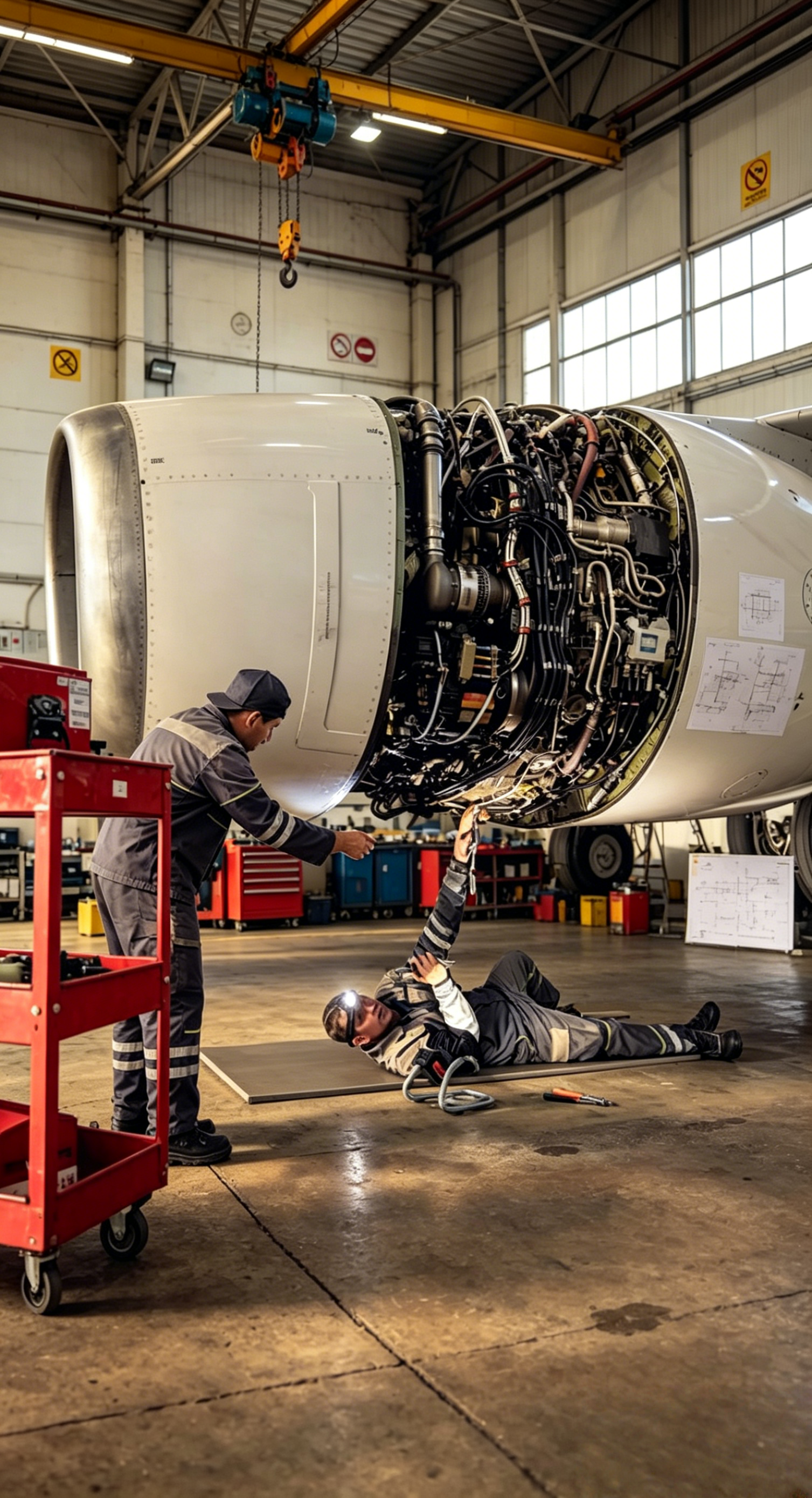
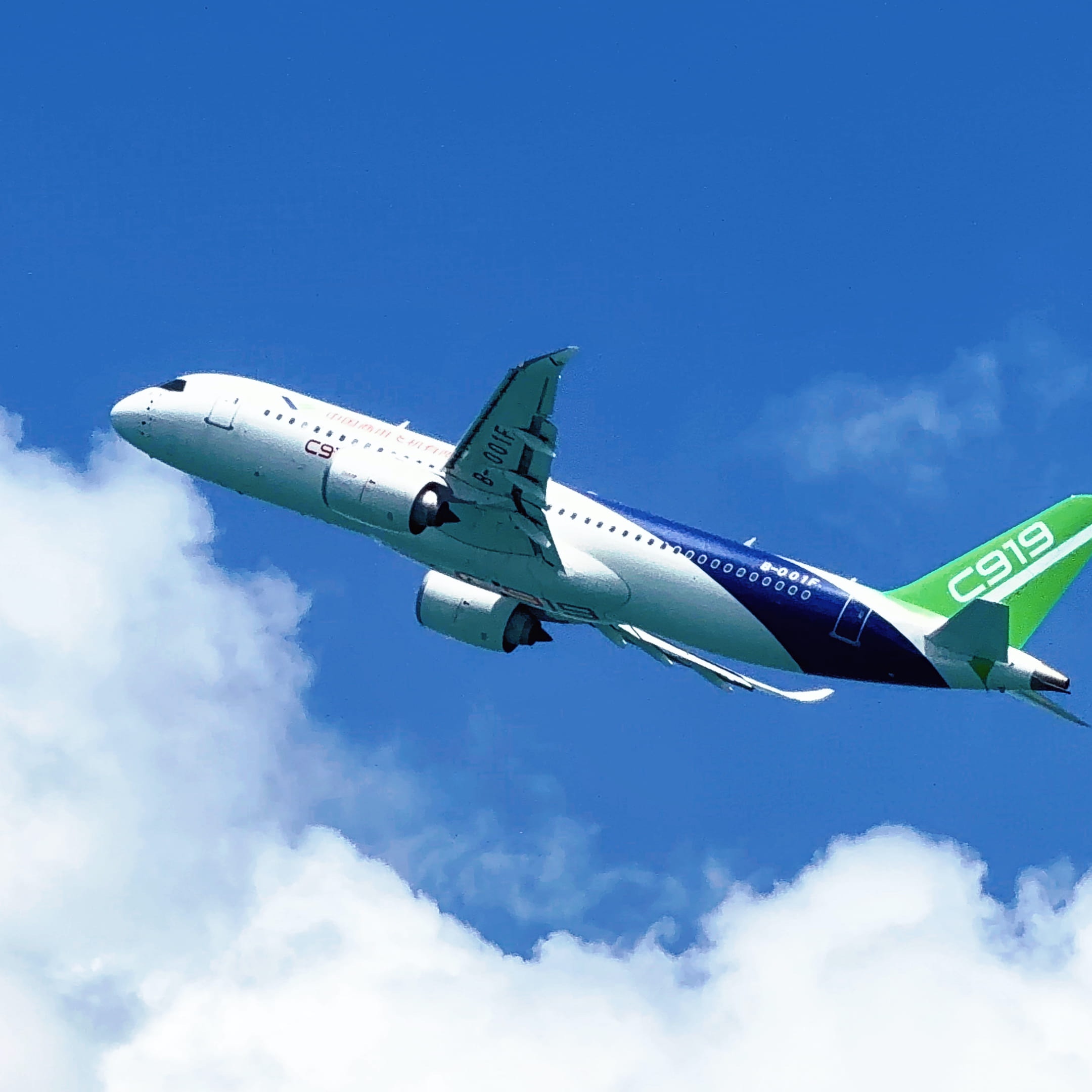
An aviation airframe represents the fundamental mechanical structure of an aircraft, comprising all essential components except the propulsion system and avionics. This critical framework includes the fuselage, wings, empennage, landing gear, and control surfaces that together create the aircraft's physical body. The aviation airframe serves as the primary load-bearing structure, designed to withstand aerodynamic forces, cabin pressurization, and operational stresses throughout the aircraft's service life. Modern aviation airframes utilize advanced materials such as aluminum alloys, titanium, and composite materials to achieve optimal strength-to-weight ratios. The technological features of contemporary aviation airframes include stress-engineered designs, corrosion-resistant treatments, and modular construction methods that facilitate maintenance and repairs. Each aviation airframe undergoes rigorous structural testing and certification processes to meet international safety standards established by regulatory authorities. Applications span across commercial aviation, military operations, cargo transport, and private aviation sectors. The design philosophy behind every aviation airframe balances structural integrity with weight reduction, enabling fuel efficiency and payload capacity. Engineers continuously innovate airframe construction techniques, incorporating computational fluid dynamics and finite element analysis to optimize performance. The aviation airframe remains the cornerstone of aircraft safety and operational capability, determining flight characteristics, passenger comfort, and overall aircraft longevity through its robust engineering and precision manufacturing processes.

New Products

The aviation airframe delivers significant operational benefits through its engineered durability and reliability. You gain extended service life as modern airframes are built to endure millions of flight cycles, reducing replacement costs and maximizing your investment returns. The structural design ensures passenger safety through redundant load paths and fail-safe mechanisms that maintain integrity even under unexpected stress conditions. Fuel efficiency improves dramatically because lightweight aviation airframe construction reduces overall aircraft weight, translating directly into lower operating costs and reduced environmental impact. Maintenance becomes more manageable with standardized components and accessible inspection points, allowing your technical teams to perform routine checks quickly and minimize downtime. The versatility of aviation airframe designs accommodates various mission profiles, from short-haul regional flights to long-distance international routes, providing operational flexibility for diverse business needs. You benefit from proven technology that has evolved through decades of aerospace innovation, ensuring compatibility with existing infrastructure and support systems. The modular nature of contemporary aviation airframes allows for configuration changes and upgrades throughout the aircraft's operational life, protecting your capital investment against obsolescence. Resale value remains strong because well-maintained airframes retain structural certification and appeal to secondary markets. Manufacturing precision ensures consistent performance across aircraft fleets, simplifying pilot training and operational procedures. The aviation airframe's corrosion resistance and fatigue management features reduce unexpected repair expenses, allowing you to plan maintenance budgets with confidence and maintain operational schedules without disruption.

Latest News

AeroLink Team Participates in Singapore Airshow to Strengthen Global Aviation Industry Cooperation

16

Jun

AeroLink Team Participates in Singapore Airshow to Strengthen Global Aviation Industry Cooperation

View More
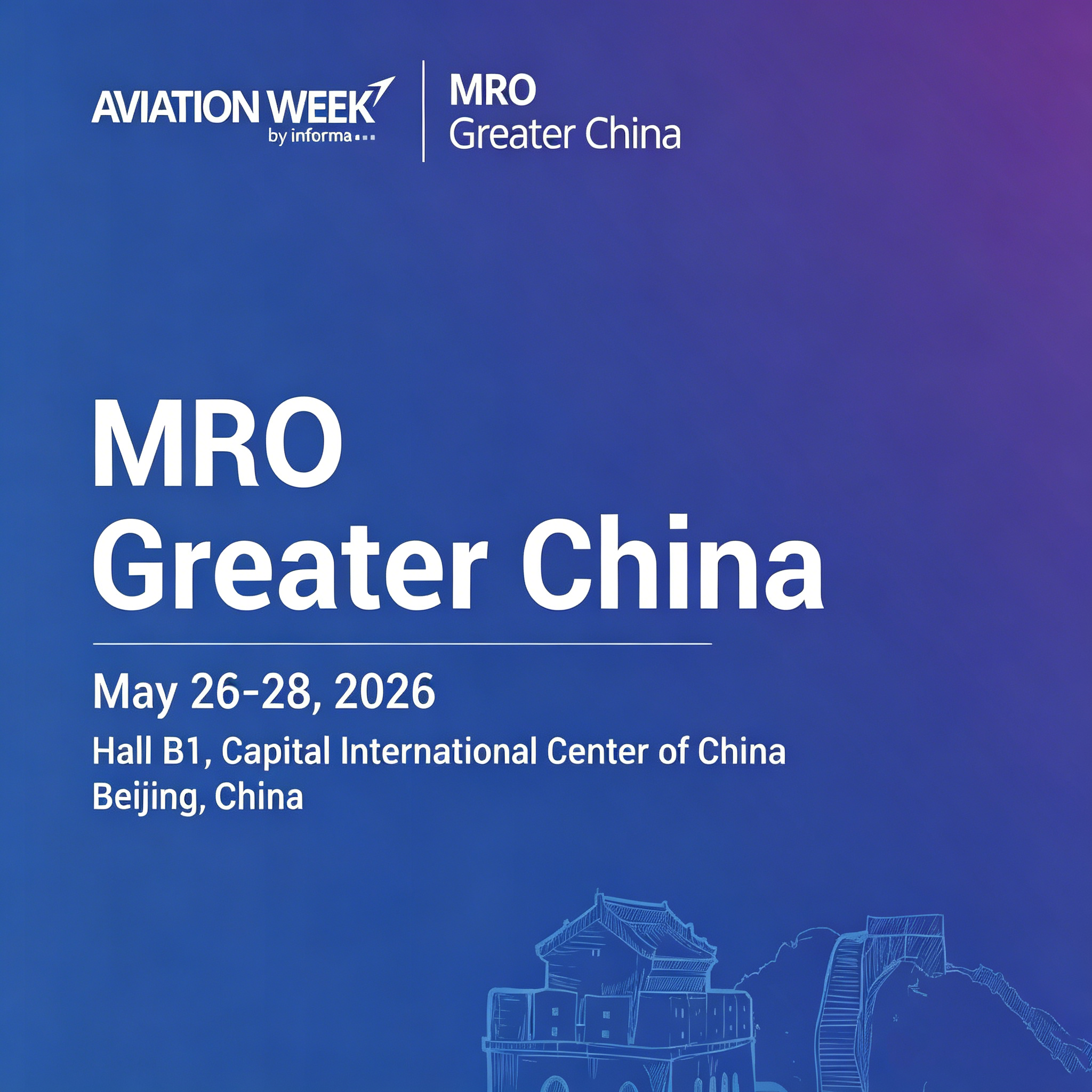
AeroLink Participates in MRO Greater China 2026 to Strengthen Global Aviation Supply Chain Cooperation

16

Jun

AeroLink Participates in MRO Greater China 2026 to Strengthen Global Aviation Supply Chain Cooperation

View More
Ensuring Landing Gear Safety with Certified Parts

15

Sep

Ensuring Landing Gear Safety with Certified Parts

Why certified landing gear prevents runway incidents and meets FAA/EASA standards. Learn how to source, verify, and maintain compliant parts—get the guide now.
View More
Advanced Material Engineering for Superior Performance

Advanced Material Engineering for Superior Performance

The aviation airframe incorporates state-of-the-art materials selected specifically for their exceptional strength, durability, and weight characteristics. Aerospace-grade aluminum alloys provide excellent strength-to-weight ratios while maintaining workability for complex structural shapes. Carbon fiber composites offer even greater weight savings with superior fatigue resistance, particularly in wing structures and fuselage sections where stress concentrations occur. Titanium components appear in high-temperature areas and critical load-bearing joints where extreme strength is essential. This multi-material approach optimizes each section of the aviation airframe for its specific functional requirements. The combination reduces overall aircraft weight by substantial margins compared to traditional designs, directly improving fuel consumption and increasing payload capacity. These materials also demonstrate excellent corrosion resistance, extending service intervals and reducing long-term maintenance requirements. The manufacturing processes for these advanced materials have matured, ensuring consistent quality and reliable performance across production runs. You receive an aviation airframe built with materials that have proven themselves through millions of flight hours across global operations, providing confidence in structural integrity and operational safety.
Fail-Safe Structural Design Philosophy

Fail-Safe Structural Design Philosophy

Every aviation airframe employs sophisticated fail-safe design principles that prioritize continued safe operation even when individual components experience damage or fatigue. Multiple load paths distribute structural forces across redundant members, ensuring that failure of a single element does not compromise overall integrity. Crack-stoppers and structural reinforcements prevent damage propagation, containing potential issues within manageable zones. Damage-tolerant design methodologies assume that minor defects may exist and engineer structures to maintain strength despite these imperfections. Inspection intervals are established based on fatigue analysis and real-world operational data, allowing detection of issues before they become critical. The aviation airframe undergoes extensive testing including static load tests, fatigue cycling, and environmental exposure trials to validate safety margins. Engineers design each joint, fastener, and structural member with safety factors that exceed regulatory requirements, providing additional protection against unforeseen operational conditions. This comprehensive approach to structural safety gives operators confidence in aircraft reliability and passenger security. The design philosophy behind the aviation airframe reflects decades of aerospace engineering experience, incorporating lessons learned from operational history to create structures that maintain integrity throughout extended service lives.
Optimized Aerodynamic Integration

Optimized Aerodynamic Integration

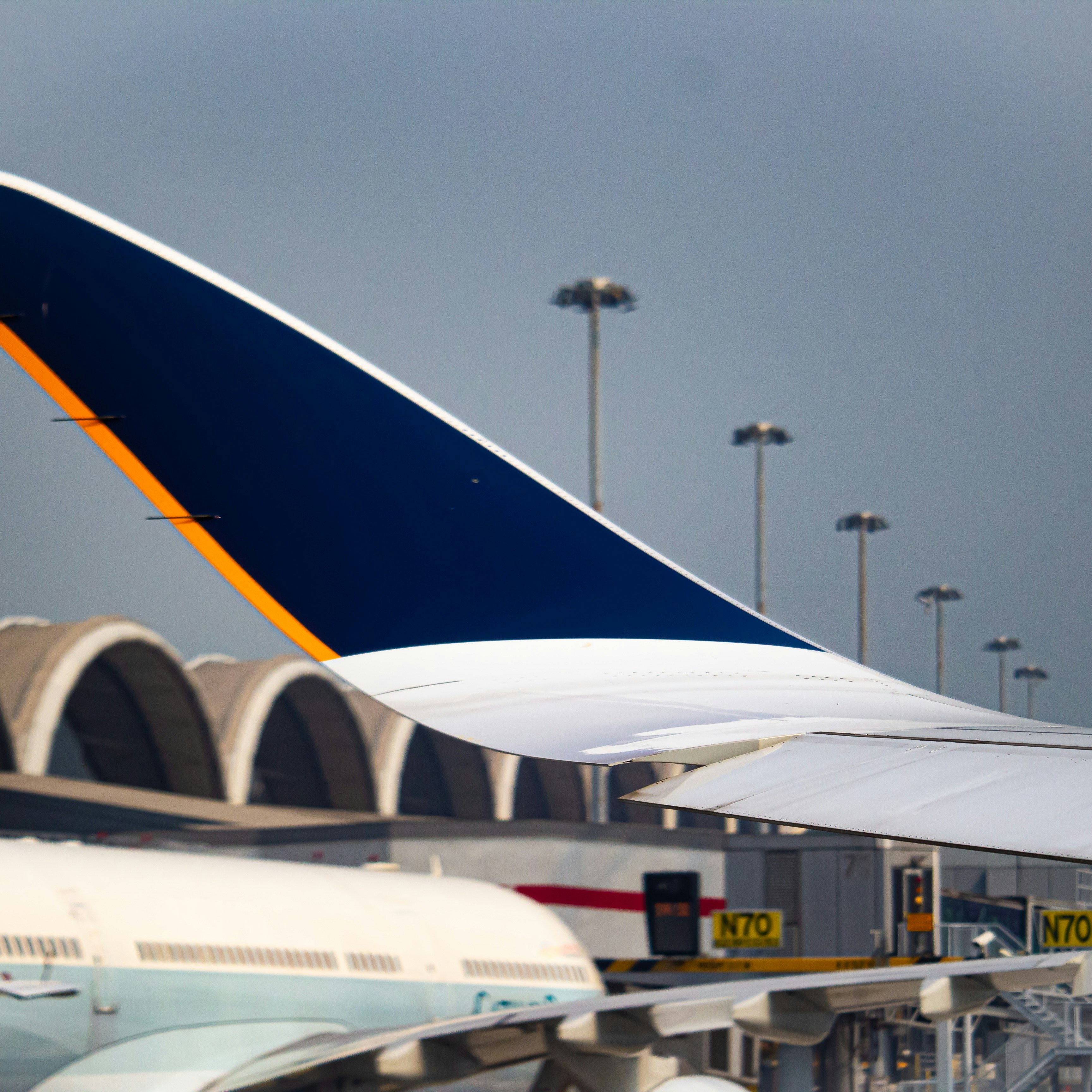
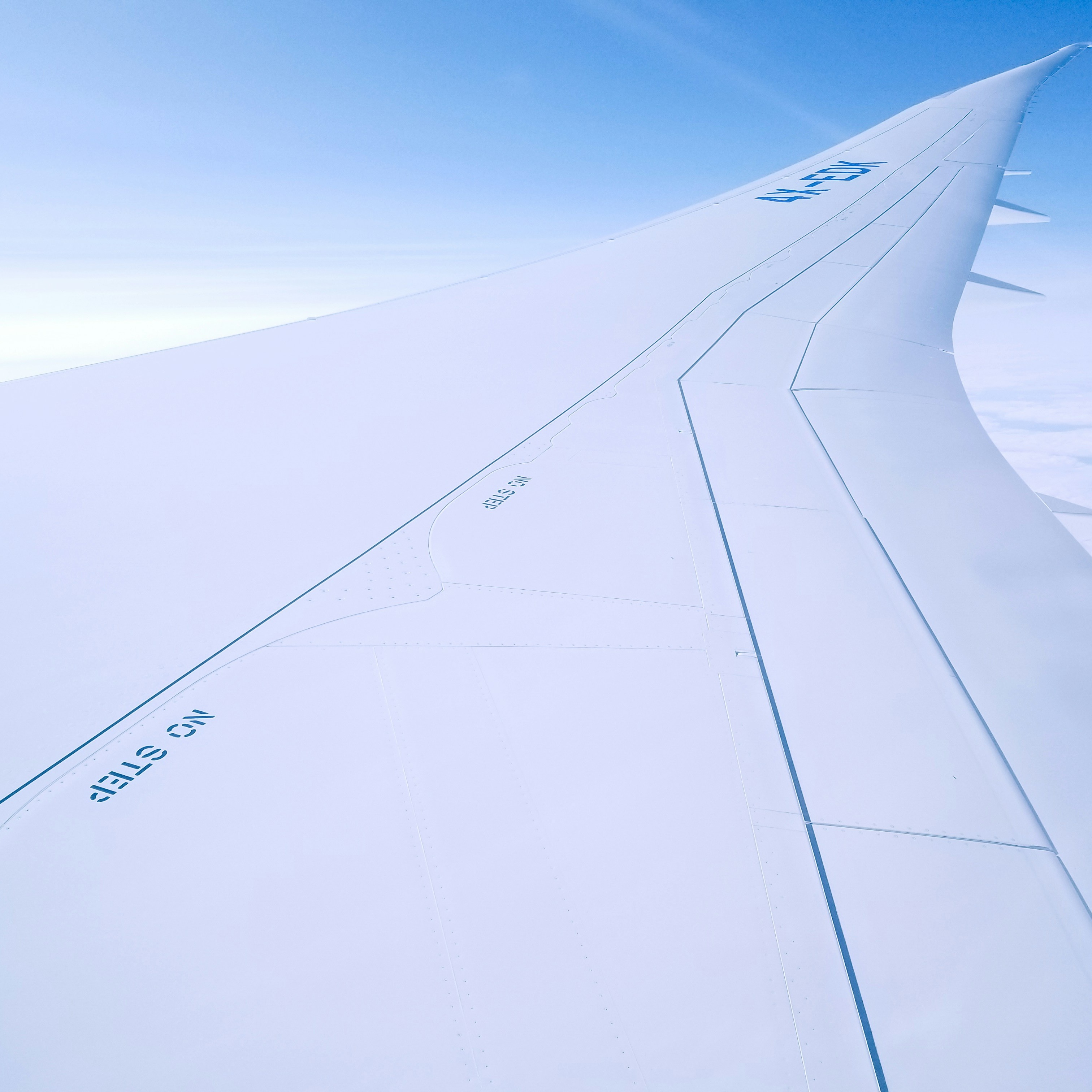
The aviation airframe achieves superior performance through careful aerodynamic optimization that minimizes drag and maximizes efficiency. Streamlined fuselage shapes reduce air resistance, while precisely contoured wing profiles generate lift with minimal energy expenditure. Control surfaces integrate seamlessly into the overall structure, providing responsive handling without creating turbulent airflow that would increase fuel consumption. The relationship between structural design and aerodynamic performance remains fundamental to aviation airframe development, with engineers using advanced computational tools to refine every surface and junction. Smooth skin panels eliminate unnecessary protrusions, while careful attention to joints and fasteners prevents drag-inducing discontinuities. Wing-body fairings blend these major components to manage airflow transitions efficiently. Landing gear bays incorporate aerodynamic doors that seal flush when retracted, maintaining clean airflow over the aviation airframe during cruise flight. These refinements accumulate to produce measurable improvements in range, speed, and fuel economy. The structural framework supports these aerodynamic features while maintaining necessary strength, demonstrating the integrated engineering approach that defines modern aircraft design. You benefit from reduced operational costs through lower fuel burn and improved performance capabilities that expand mission possibilities and enhance competitive positioning in aviation markets.