composite airframe structures
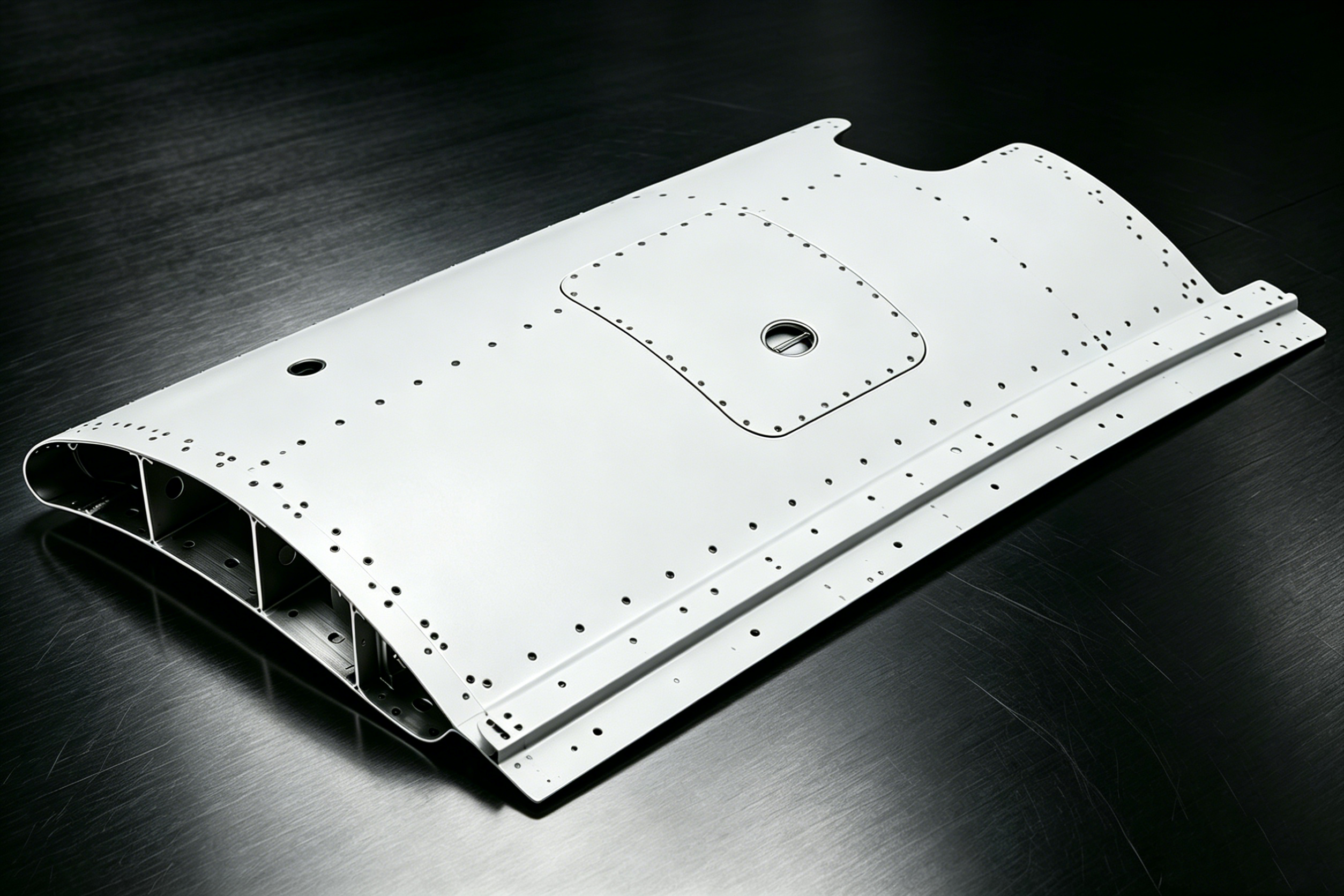
Composite airframe structures represent a revolutionary advancement in aerospace engineering, combining advanced materials such as carbon fiber, fiberglass, and aramid with polymer resins to create lightweight yet exceptionally strong aircraft components. These structures form the primary framework of modern aircraft, including wings, fuselage sections, tail assemblies, and control surfaces. The main functions of composite airframe structures include providing structural integrity, reducing overall aircraft weight, enhancing fuel efficiency, and improving resistance to fatigue and corrosion. Technological features encompass advanced layup techniques, automated fiber placement, resin transfer molding, and precise curing processes that ensure optimal material properties. The integration of composite airframe structures allows engineers to design complex geometries that would be impossible or impractical with traditional metallic materials. Applications span across commercial aviation, military aircraft, helicopters, unmanned aerial vehicles, and space exploration vehicles. Leading aircraft manufacturers have increasingly adopted composite airframe structures in flagship models, with some modern aircraft featuring more than fifty percent composite materials by weight. The versatility of these structures enables customization for specific performance requirements, including strength-to-weight ratios, thermal resistance, and electromagnetic properties. As the aviation industry continues prioritizing sustainability and operational efficiency, composite airframe structures have become essential components driving innovation and meeting stringent regulatory standards while delivering superior performance characteristics that traditional materials simply cannot match in today's demanding aerospace environment.




 EN