Airframe Helicopter: Structure & Benefits

application/airframe-helicopter, application/airframe-helicopter, 
Inquiry
Inquiry

airframe helicopter

An airframe helicopter represents the structural foundation and skeleton of a rotary-wing aircraft, comprising all essential components except the propulsion system and avionics. The airframe helicopter includes the fuselage, main rotor system, tail boom, landing gear, and structural framework that supports all operational systems. This critical assembly provides the physical platform upon which engines, transmissions, flight controls, and passenger or cargo compartments are mounted. Modern airframe helicopter designs incorporate advanced materials such as aluminum alloys, titanium, composite materials, and carbon fiber reinforcements to achieve optimal strength-to-weight ratios. The primary functions of an airframe helicopter involve maintaining structural integrity during flight operations, protecting occupants and equipment, distributing aerodynamic loads throughout the structure, and providing mounting points for all subsystems. Technological features include stress-engineered load paths, corrosion-resistant treatments, modular construction techniques, and crash-worthy design elements that enhance occupant safety. The airframe helicopter serves diverse applications across military operations, emergency medical services, offshore oil platform support, law enforcement surveillance, firefighting missions, and commercial passenger transport. Manufacturing processes employ precision fabrication methods, computer-aided design optimization, and rigorous quality control standards to ensure airworthiness certification compliance. Understanding the airframe helicopter construction is essential for operators, maintenance personnel, and procurement professionals who require reliable rotary-wing platforms capable of withstanding demanding operational environments while maintaining long-term structural durability and cost-effective lifecycle management.

Popular Products

The airframe helicopter delivers substantial value through its engineered durability that reduces long-term ownership costs and minimizes unscheduled maintenance interventions. Operators benefit from extended service life as modern airframe helicopter construction utilizes corrosion-resistant materials and protective coatings that withstand harsh environmental conditions including saltwater exposure, extreme temperatures, and chemical contaminants. The lightweight yet robust design of an airframe helicopter directly improves fuel efficiency and payload capacity, allowing operators to transport more passengers or cargo while consuming less fuel per flight hour. This operational advantage translates to reduced operating expenses and improved mission economics. The modular construction approach employed in contemporary airframe helicopter manufacturing simplifies component replacement and repair procedures, reducing aircraft downtime and maintenance labor costs. Safety features integrated into the airframe helicopter structure include energy-absorbing landing gear systems, reinforced cockpit areas, and crashworthy fuel tank installations that protect occupants during emergency situations. These safety enhancements provide peace of mind for operators and meet stringent regulatory requirements across global aviation authorities. The versatile platform design of an airframe helicopter accommodates various mission configurations through interchangeable cabin layouts, external cargo hooks, and specialized equipment mounting points. This adaptability allows single aircraft to serve multiple roles throughout their operational lifespan, maximizing return on investment. Buyers gain decision-making confidence knowing that established airframe helicopter designs have accumulated millions of flight hours demonstrating proven reliability across diverse operational scenarios. The standardized construction methodologies ensure consistent quality, predictable performance characteristics, and widespread parts availability that supports global operations. Maintenance personnel appreciate the accessibility of inspection points and serviceable components built into the airframe helicopter design, reducing troubleshooting time and facilitating preventive maintenance programs that extend structural longevity.

Latest News

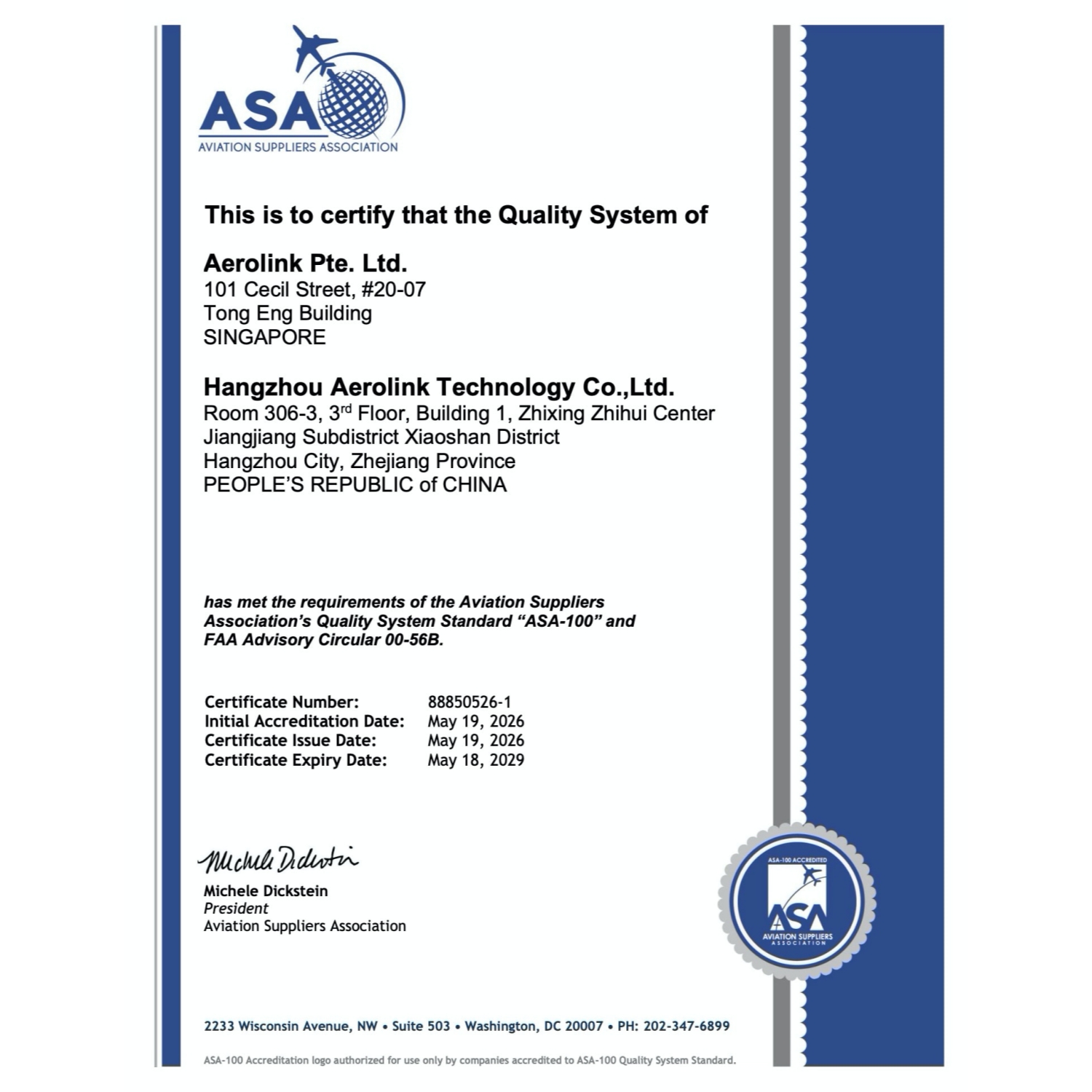
AeroLink Successfully Obtains ASA-100 and CAMAC Aviation Material Distributor Certifications

16

Jun

AeroLink Successfully Obtains ASA-100 and CAMAC Aviation Material Distributor Certifications

View More
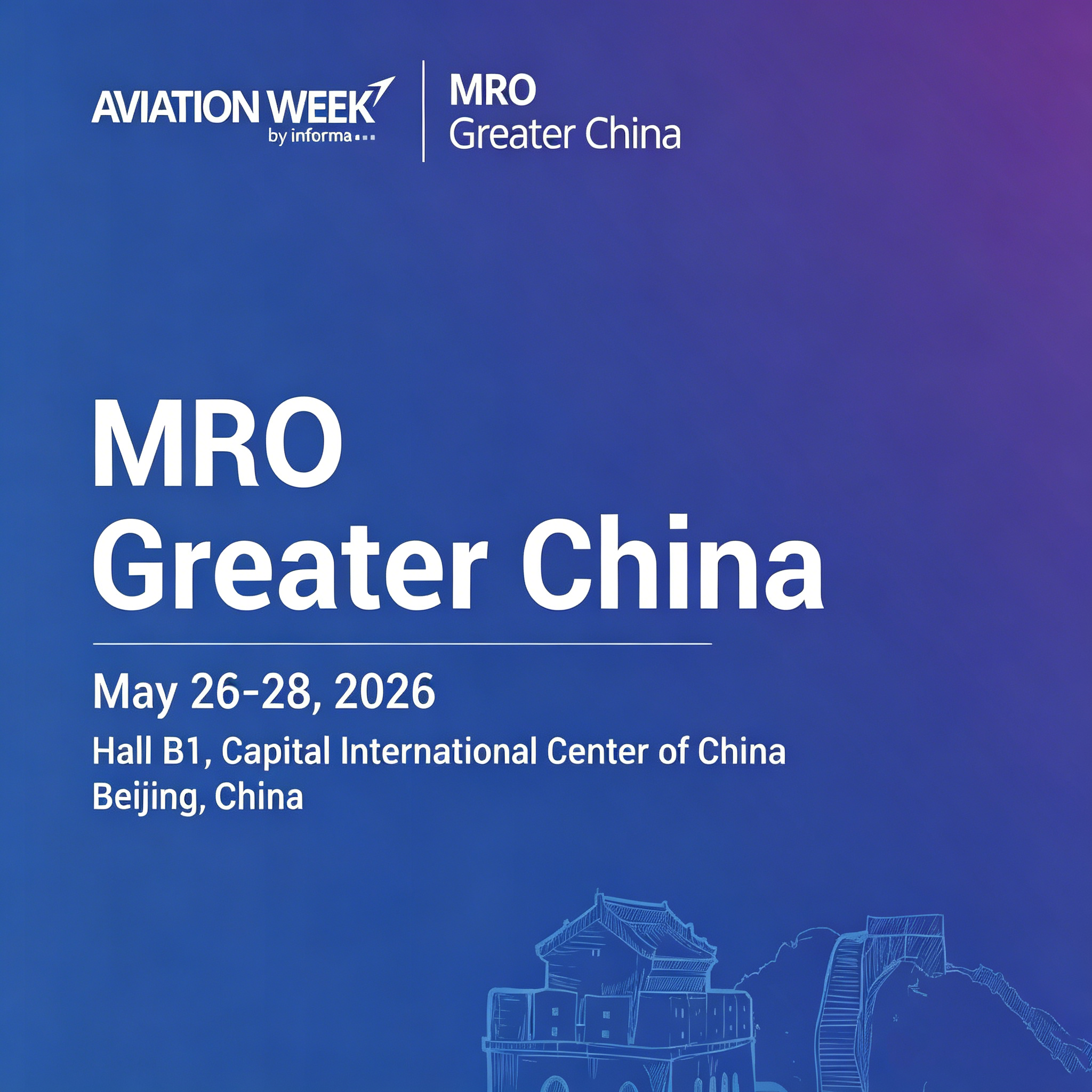
AeroLink Participates in MRO Greater China 2026 to Strengthen Global Aviation Supply Chain Cooperation

16

Jun

AeroLink Participates in MRO Greater China 2026 to Strengthen Global Aviation Supply Chain Cooperation

View More
Ensuring Landing Gear Safety with Certified Parts

15

Sep

Ensuring Landing Gear Safety with Certified Parts

Why certified landing gear prevents runway incidents and meets FAA/EASA standards. Learn how to source, verify, and maintain compliant parts—get the guide now.
View More
Advanced Composite Material Integration

Advanced Composite Material Integration

The modern airframe helicopter incorporates state-of-the-art composite materials that revolutionize structural performance and operational capabilities. Carbon fiber reinforced polymers, fiberglass laminates, and hybrid composite structures replace traditional metallic components in critical load-bearing areas, delivering weight reductions up to thirty percent compared to conventional aluminum construction. This material innovation directly enhances the airframe helicopter performance by increasing useful load capacity, extending range capabilities, and improving fuel economy. Composite materials demonstrate superior fatigue resistance, eliminating crack propagation concerns that affect metal structures and reducing inspection frequency requirements. The corrosion immunity of composite airframe helicopter components eliminates expensive corrosion control programs, particularly benefiting operators in maritime environments where saltwater exposure accelerates metal degradation. Advanced manufacturing techniques such as automated fiber placement and resin transfer molding ensure consistent material properties and structural integrity throughout the airframe helicopter assembly. These composites also provide design flexibility, allowing engineers to optimize fiber orientations for specific load paths and create complex curved structures that improve aerodynamic efficiency while maintaining structural strength requirements for safe flight operations.
Crashworthy Safety Architecture

Crashworthy Safety Architecture

The airframe helicopter incorporates comprehensive crashworthy design features that prioritize occupant protection during emergency landing scenarios and impact events. Energy-absorbing structural elements strategically positioned throughout the airframe helicopter framework dissipate kinetic energy during crashes, reducing forces transmitted to passengers and crew members. Crushable landing gear assemblies, collapsible subfloor structures, and load-limiting seat attachment systems work synergistically to manage impact loads within human survivability thresholds. The fuselage design of a crashworthy airframe helicopter maintains occupant volume integrity during accidents, preventing structural intrusion that could cause injuries. Self-sealing and crash-resistant fuel systems integrated into the airframe helicopter prevent post-impact fires, addressing one of the most dangerous aspects of aircraft accidents. Reinforced cockpit structures protect pilots during frontal impacts, while energy-attenuating pilot seats reduce spinal injury risks from vertical accelerations. These safety innovations reflect decades of accident investigation data incorporated into modern airframe helicopter certification standards. Operators selecting aircraft with advanced crashworthy airframe helicopter designs demonstrate commitment to personnel safety while potentially reducing insurance premiums and liability exposure. The comprehensive safety architecture provides measurable protection improvements validated through dynamic testing and real-world accident analysis.
Modular Maintenance Accessibility

Modular Maintenance Accessibility

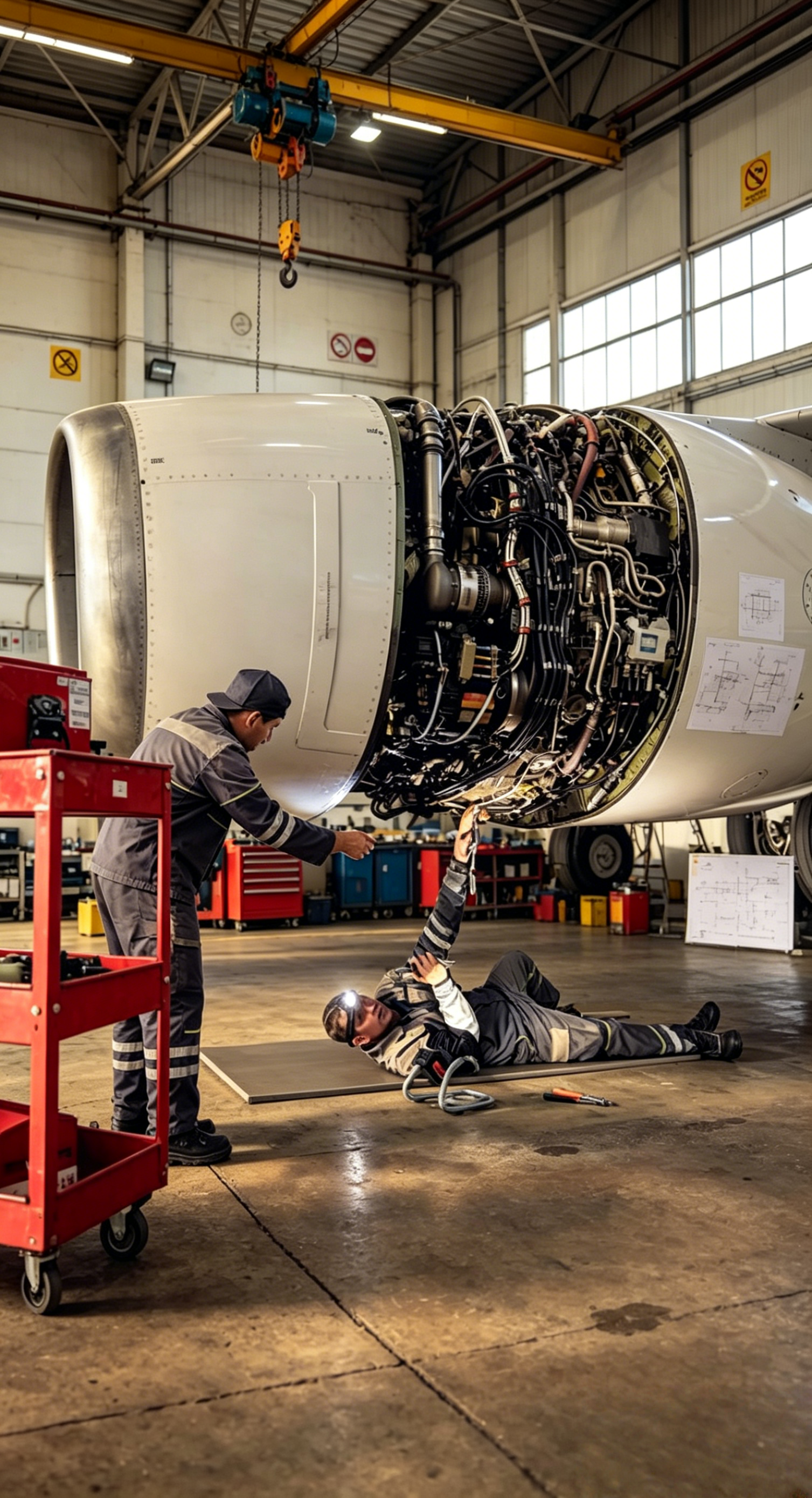
The airframe helicopter features intelligent modular design principles that streamline maintenance procedures and reduce operational disruptions. Strategically positioned access panels, removable fairings, and quick-disconnect fastener systems throughout the airframe helicopter structure enable technicians to reach inspection points and serviceable components efficiently. This accessibility reduces maintenance labor hours, directly lowering operating costs while improving aircraft availability rates. The modular construction of an airframe helicopter allows major assemblies such as tail booms, cabin sections, and structural panels to be replaced as complete units, minimizing repair complexity and reducing aircraft downtime following damage events. Standardized structural interfaces throughout the airframe helicopter facilitate component interchangeability between aircraft within the same model series, optimizing spare parts inventory management and supporting fleet operations. Built-in inspection provisions include translucent panels for visual examination of internal structures, permanently installed monitoring points for nondestructive testing equipment, and corrosion-resistant inspection openings with secure closures. The airframe helicopter maintenance philosophy emphasizes on-condition monitoring rather than arbitrary time-based component replacement, enabled by accessible inspection points that allow thorough structural assessments. This approach extends component service life while maintaining safety standards, delivering substantial cost savings over the aircraft operational lifespan.