Aircraft Inspection Tools - Precision Safety Equipment

application/aircraft-inspection-tools, application/aircraft-inspection-tools, 
Inquiry
Inquiry

aircraft inspection tools

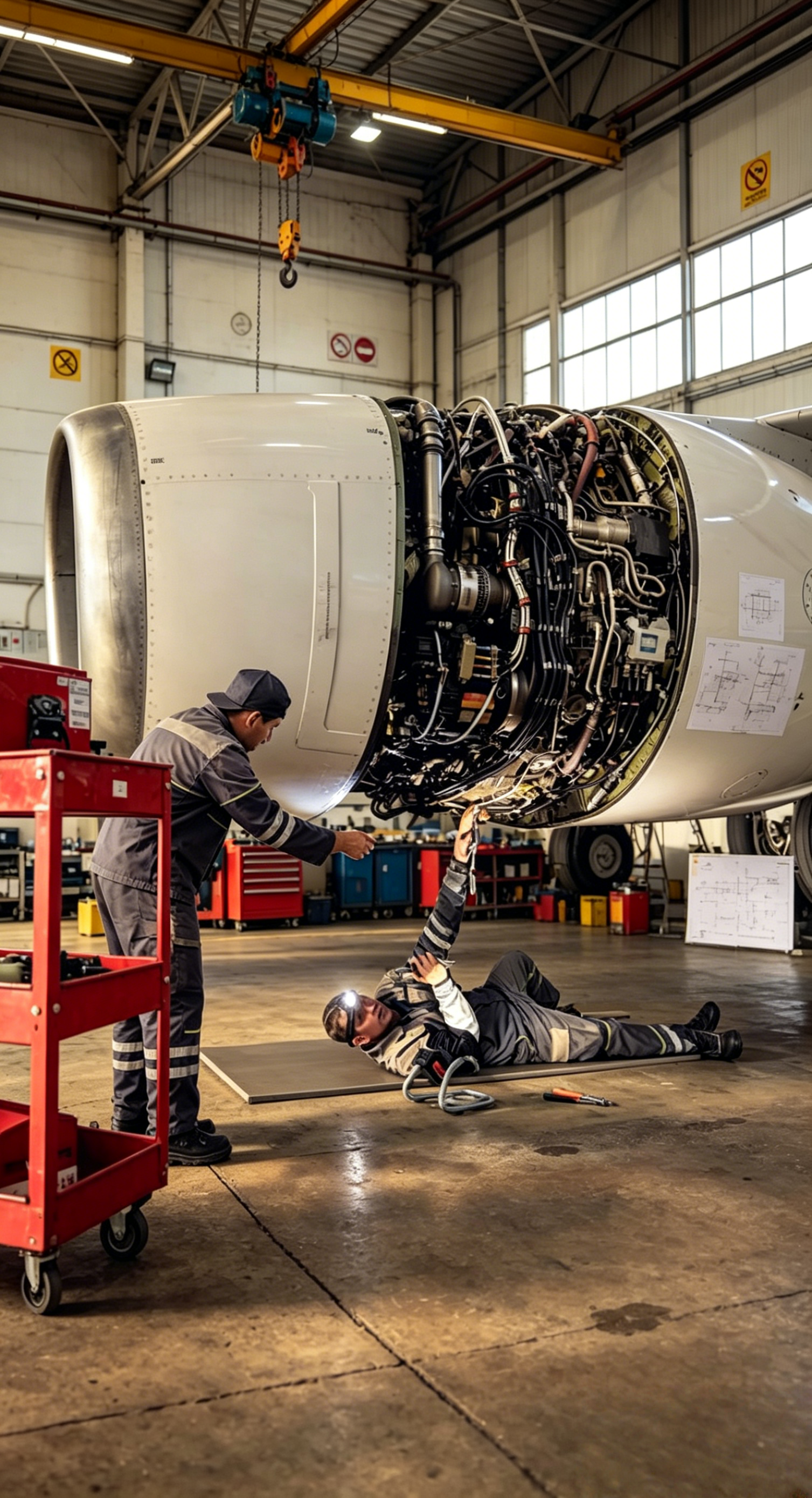
Aircraft inspection tools are specialized instruments designed to ensure the safety, airworthiness, and operational efficiency of aircraft across commercial, military, and private aviation sectors. These tools encompass a wide range of equipment, from basic visual inspection devices to advanced non-destructive testing (NDT) instruments that detect hidden flaws without damaging aircraft components. Modern aircraft inspection tools include borescopes for internal engine examination, ultrasonic flaw detectors for structural integrity assessment, eddy current testers for surface crack detection, and advanced imaging systems that provide detailed analysis of critical aircraft parts. The primary functions of aircraft inspection tools involve identifying corrosion, fatigue cracks, material degradation, and structural weaknesses before they compromise flight safety. Technological features include digital connectivity for data recording, high-resolution imaging capabilities, portable designs for field inspections, and automated reporting systems that streamline maintenance workflows. These tools play a crucial role in scheduled maintenance checks, pre-flight inspections, and compliance with aviation regulatory standards set by authorities such as the FAA and EASA. Applications span across various aircraft systems including fuselage inspection, landing gear examination, engine component analysis, and composite material assessment. By enabling maintenance teams to conduct thorough examinations efficiently, aircraft inspection tools help prevent costly unscheduled downtime, extend component lifespan, and most importantly, ensure passenger and crew safety throughout every flight operation.


New Product Recommendations

Investing in quality aircraft inspection tools delivers substantial operational and financial benefits that directly impact your bottom line and safety record. These tools significantly reduce inspection time compared to traditional methods, allowing maintenance teams to complete thorough examinations faster and return aircraft to service sooner, which maximizes fleet utilization and revenue generation. The precision offered by modern aircraft inspection tools minimizes the risk of overlooking critical defects, preventing catastrophic failures that could result in accidents, regulatory penalties, and reputation damage. You gain enhanced detection capabilities that identify problems at early stages when repairs are simpler and less expensive, avoiding the escalating costs associated with advanced structural damage. The portability and ease of use mean your technicians can perform comprehensive inspections in various locations, from hangar facilities to remote airfields, without requiring extensive equipment transportation or setup. Documentation features built into contemporary aircraft inspection tools create detailed digital records that satisfy regulatory compliance requirements and provide valuable historical data for trend analysis and predictive maintenance planning. This data-driven approach helps you optimize maintenance schedules, reduce unnecessary inspections, and allocate resources more effectively. The versatility of these tools across different aircraft types and systems provides excellent return on investment, as one instrument can serve multiple inspection purposes rather than requiring separate specialized equipment for each task. Training requirements are manageable, with intuitive interfaces allowing technicians to achieve proficiency quickly. Ultimately, aircraft inspection tools empower your organization to maintain the highest safety standards while controlling operational costs, improving turnaround times, and demonstrating compliance with aviation authorities, giving you competitive advantages in an industry where reliability and safety reputation are paramount to success.

Tips And Tricks

AeroLink Participates in MRO Greater China 2026 to Strengthen Global Aviation Supply Chain Cooperation

16

Jun

AeroLink Participates in MRO Greater China 2026 to Strengthen Global Aviation Supply Chain Cooperation

View More
Ensuring Landing Gear Safety with Certified Parts

15

Sep

Ensuring Landing Gear Safety with Certified Parts

Why certified landing gear prevents runway incidents and meets FAA/EASA standards. Learn how to source, verify, and maintain compliant parts—get the guide now.
View More
Sourcing Traceable APU Spare Parts Efficiently

14

Sep

Sourcing Traceable APU Spare Parts Efficiently

Struggling with APU part delays and audit risks? Discover how to source traceable APU spare parts efficiently while ensuring FAA/EASA compliance. Get actionable steps now.
View More
Cost-Effective APU Procurement for Multi-Fleets

15

Sep

Cost-Effective APU Procurement for Multi-Fleets

Struggling with rising APU costs across diverse fleets? Discover proven strategies to cut TCO by 30%+ through standardization Download the guide.
View More
Advanced Non-Destructive Testing Capabilities

Advanced Non-Destructive Testing Capabilities

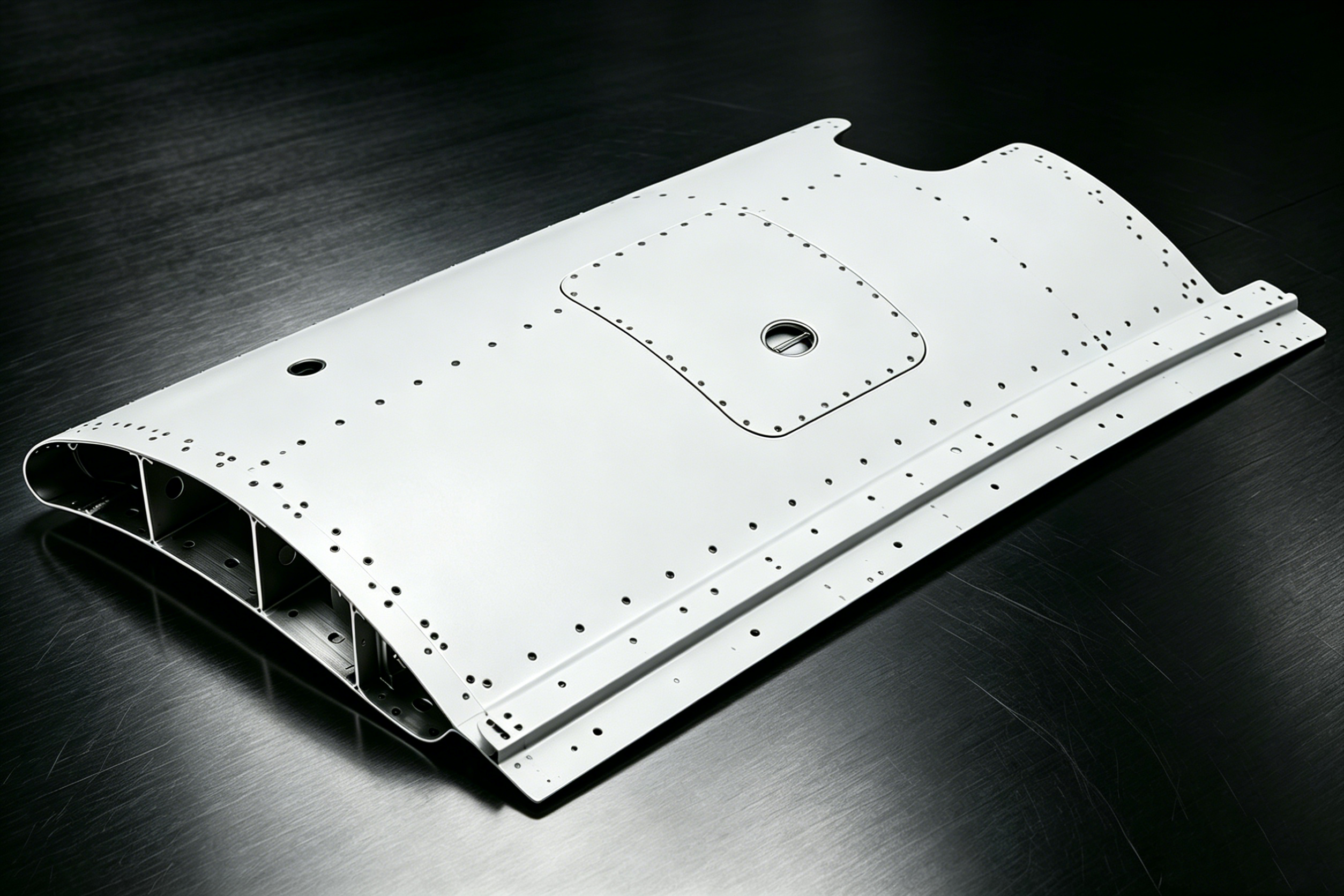
Modern aircraft inspection tools incorporate sophisticated non-destructive testing technologies that allow comprehensive evaluation of aircraft components without causing any damage or requiring disassembly. Ultrasonic testing detects internal flaws, delamination in composite materials, and thickness variations that indicate corrosion, while eddy current systems identify surface and near-surface cracks invisible to visual inspection. These capabilities are essential because aircraft structures endure extreme stress, temperature fluctuations, and environmental exposure that gradually weaken materials over time. By utilizing aircraft inspection tools with advanced NDT features, maintenance teams can assess the structural integrity of critical components like wing spars, fuselage frames, and engine mounts with exceptional accuracy. This technology prevents the need for destructive sampling that removes parts from service, saving both time and replacement costs. The precision of these instruments reduces false positives that lead to unnecessary component replacement while ensuring genuine defects are never missed. This balance between thoroughness and efficiency makes advanced aircraft inspection tools indispensable for maintaining airworthiness while optimizing maintenance budgets and minimizing aircraft downtime.
Real-Time Digital Documentation and Reporting

Real-Time Digital Documentation and Reporting

Contemporary aircraft inspection tools feature integrated digital documentation systems that transform how maintenance data is captured, stored, and analyzed. These systems automatically record inspection findings, capture high-resolution images and videos of detected anomalies, and generate comprehensive reports that meet regulatory requirements with minimal manual effort. The digital workflow eliminates handwritten logs prone to errors and illegibility, ensuring inspection records are accurate, complete, and easily retrievable for audits or future reference. Cloud connectivity enables immediate sharing of inspection results with engineering teams, management, and regulatory authorities, facilitating faster decision-making regarding repair priorities and airworthiness determinations. This digital integration with maintenance management systems creates valuable databases that reveal patterns across fleet operations, identifying recurring issues that may indicate design weaknesses or operational factors requiring attention. The traceability provided by aircraft inspection tools with robust documentation features protects your organization during safety investigations and demonstrates due diligence in maintenance practices. Time savings are substantial, as technicians spend less time on paperwork and more time on actual inspections, improving productivity while maintaining the meticulous record-keeping that aviation safety demands.
Ergonomic Design for Enhanced Accessibility

Ergonomic Design for Enhanced Accessibility

The effectiveness of aircraft inspection tools depends heavily on their ability to access confined spaces, awkward angles, and hard-to-reach areas throughout aircraft structures. Leading manufacturers prioritize ergonomic design features that enable thorough inspections in challenging environments where traditional methods fail. Articulating borescope probes navigate through narrow engine ports and access panels to examine internal components without engine removal, while flexible videoscopes bend around obstacles to inspect areas behind structural members. Lightweight construction reduces technician fatigue during extended inspection sessions, while intuitive controls allow single-handed operation when working in cramped positions. Wireless aircraft inspection tools eliminate cable management issues in tight spaces, and compact form factors fit into toolboxes for easy transport between inspection sites. These ergonomic considerations directly translate to more complete inspections, as technicians can thoroughly examine every critical area rather than skipping locations that are difficult to reach with cumbersome equipment. The improved accessibility ensures compliance with inspection protocols that mandate examination of specific structural zones, reducing the risk of oversight that could allow defects to progress undetected. By making comprehensive inspections physically feasible and less demanding, well-designed aircraft inspection tools support consistent quality across all maintenance activities.